










Product Details
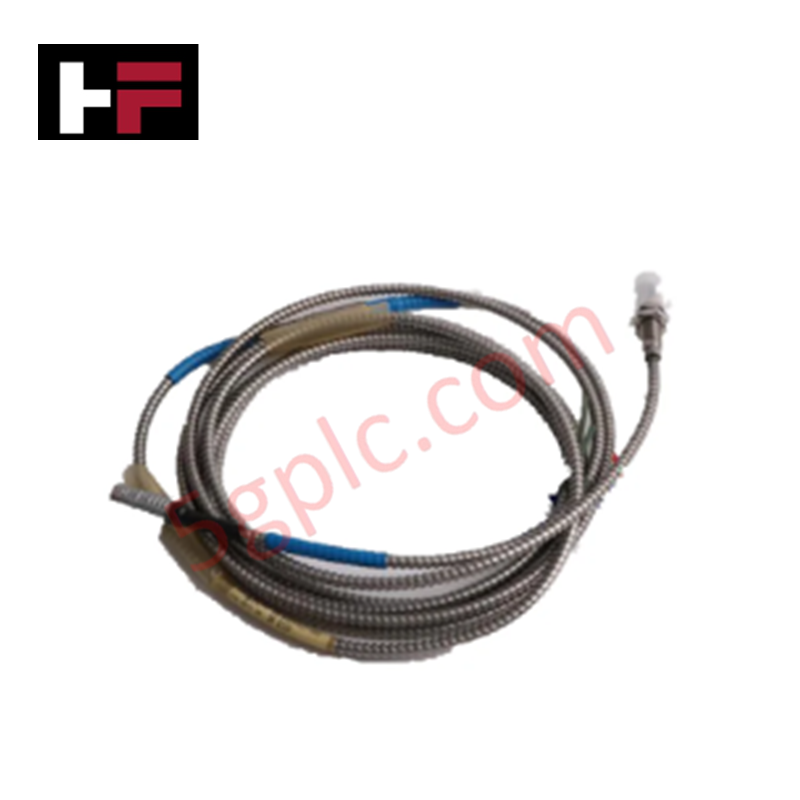
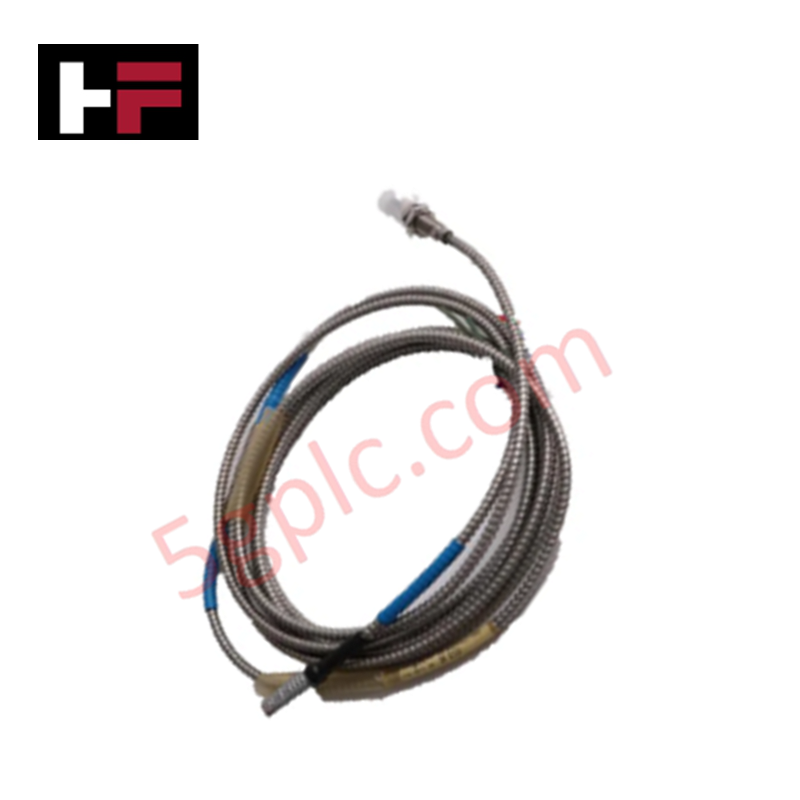
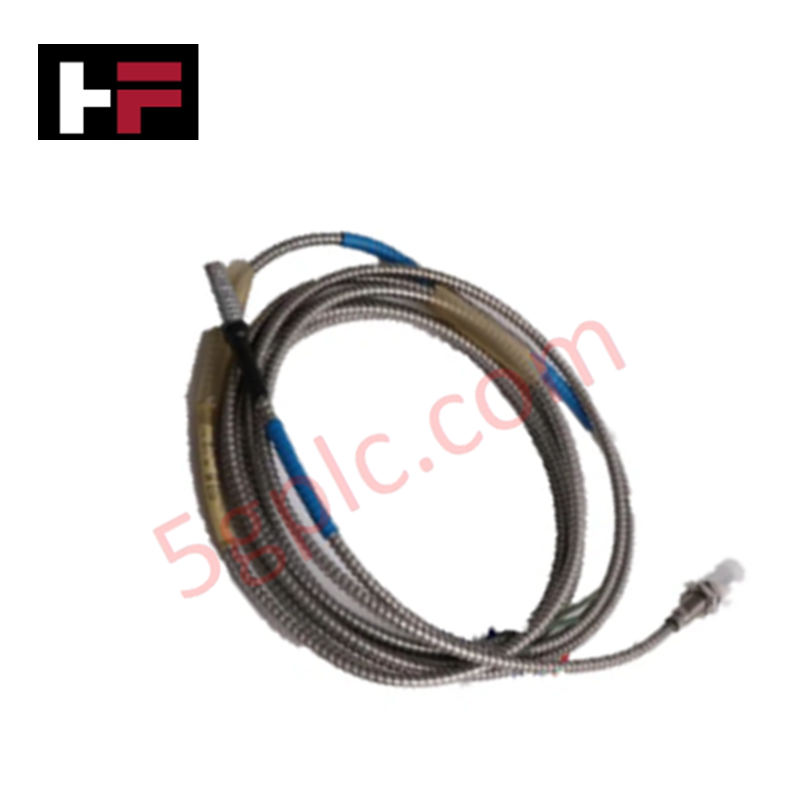
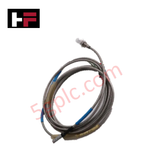
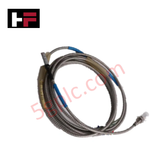
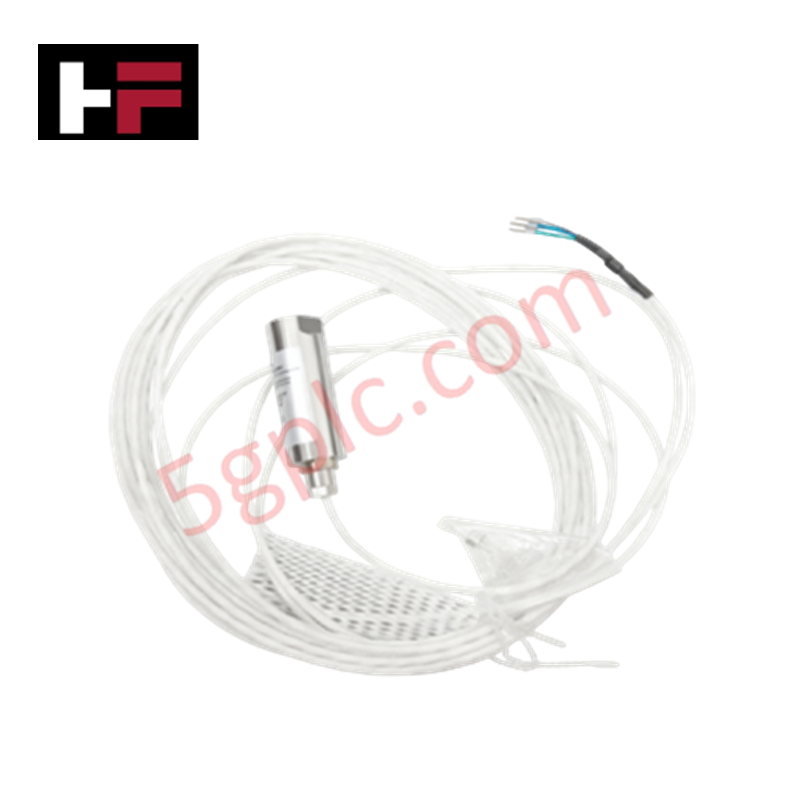
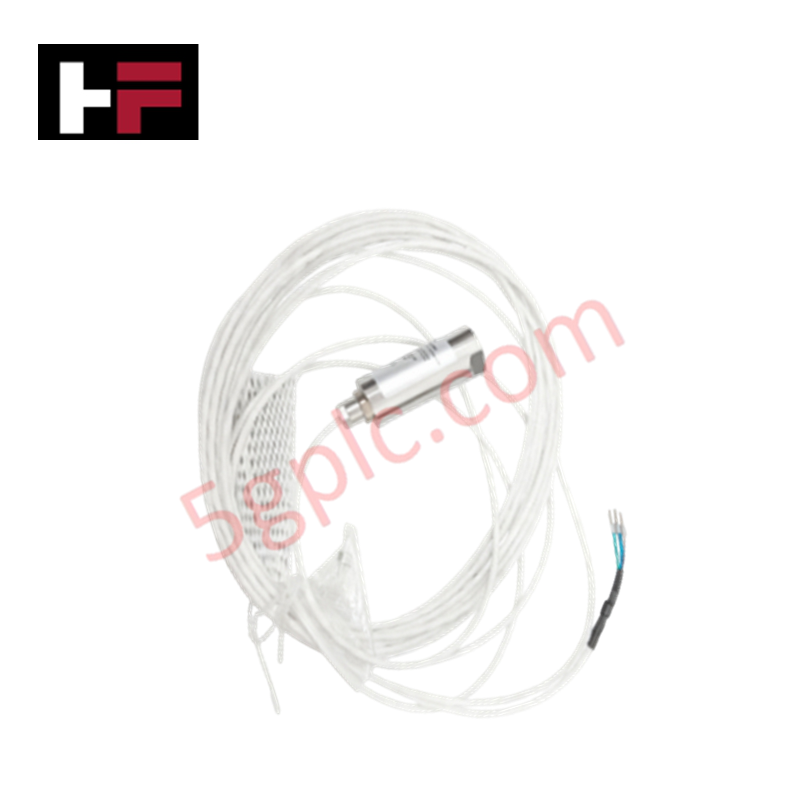
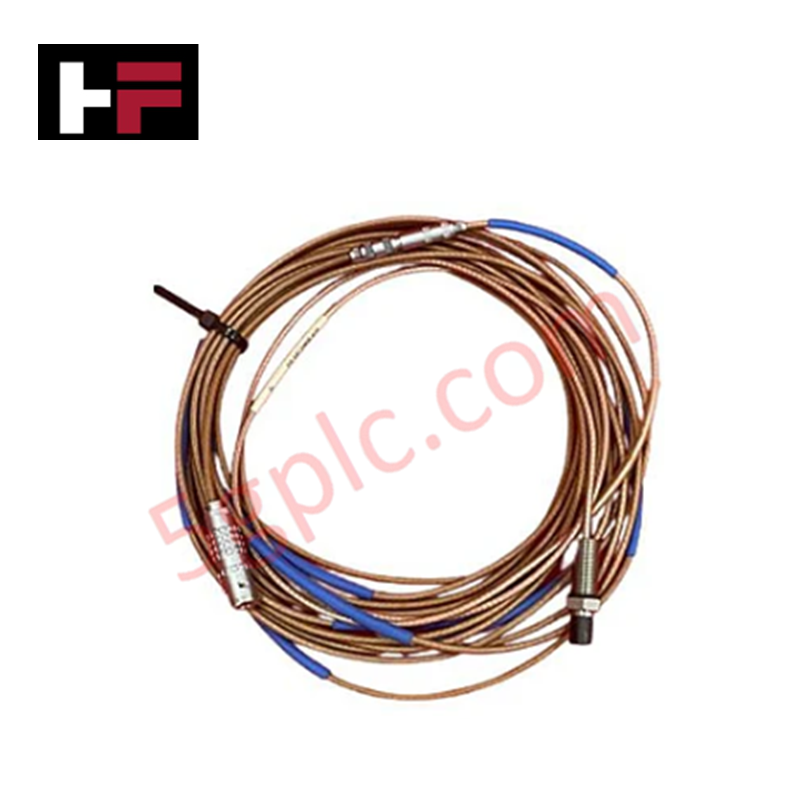
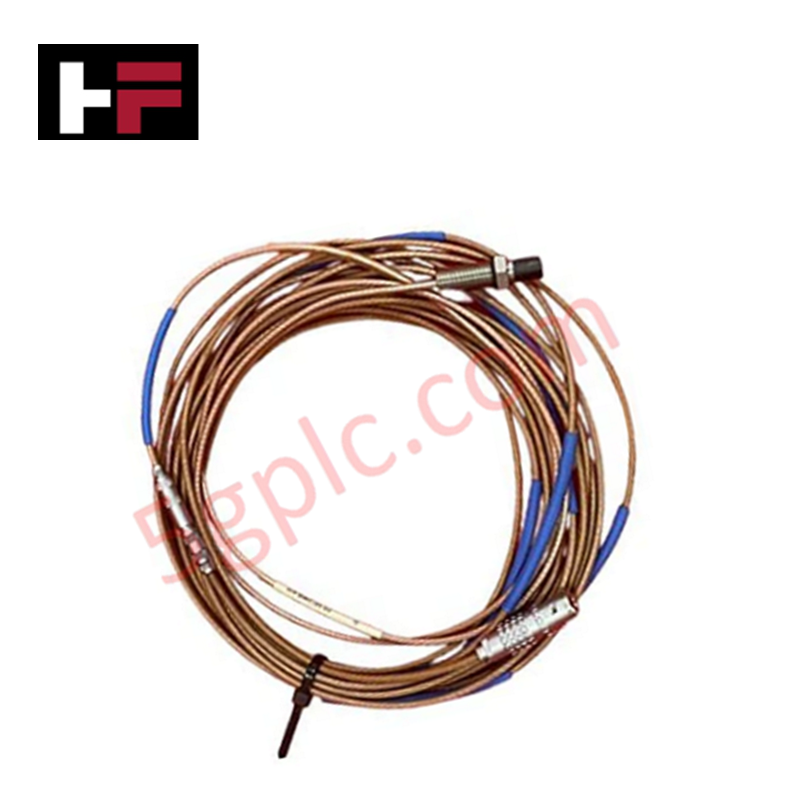
Configured for shaft displacement monitoring in rotating machinery, the Emerson EPRO PR6426/010-000 (PR6426/010-000) Eddy Current Displacement Sensor provides direct electrical execution of eddy-current-based proximity detection.
Hardware Specifications
| Parameter | Specification |
|---|---|
| Model | PR6426/010-000 |
| Brand | Emerson EPRO |
| Weight | 0.8 kg |
| Dimensions | 32 mm head diameter |
| Operating Temp | -35 deg C to +180 deg C |
| Power Consumption | Not specified |
| Sensitivity | 2 V/mm |
| Linear Range | +/- 4.0 mm |
Mechanical Monitoring and TSI Characteristics
The PR6426/010-000 operates via high-frequency electromagnetic induction to measure the relative position and vibration of conductive, ferromagnetic target surfaces such as 42CrMo4 steel. Precise rotor dynamics analysis requires rigorous eddy-current probe scaling to ensure the displacement output reflects the actual physical gap. During commissioning, gap voltage validation must be performed against the nominal 5.5 mm target to confirm the sensor is centered within its linear operating range. To maintain measurement integrity, cross-talk suppression must be implemented in multi-sensor TSI configurations by maintaining adequate spacing between probe tips, preventing frequency-domain interference in the associated signal conditioning modules.
Frequently Asked Questions
Q: Can the sensor withstand exposure to high-pressure environments?
A: Yes. The mechanical design is optimized for high-pressure operation; however, ensure the mounting flange and sealing surfaces are prepared to meet the installation pressure rating. Improper sealing may compromise the integrity of the pressure boundary.
Q: How does target material affect the 2 V/mm sensitivity?
A: The sensor sensitivity is calibrated for ferromagnetic materials. The use of non-ferromagnetic alloys or specialized coatings will alter the magnetic reluctance, resulting in a non-linear output. Recalibration using a material-specific sensitivity curve is required for targets outside the nominal ferromagnetic specification.
Field Installation Guidelines
- Ensure the probe is mounted in a rigid, vibration-isolated bracket; mechanical resonance of the bracket will be interpreted by the TSI system as shaft displacement.
- Verify the 5.5 mm nominal air gap using a calibrated spacer or micrometer; output voltage must be verified against the design specification at the static installation position.
- Terminate the LEMO connector and shielded cabling to the signal conditioner, ensuring the shield is connected to the instrument ground to prevent electromagnetic interference.
- Route signal cabling through grounded metallic conduit, keeping the lead away from high-current AC cabling to avoid magnetic noise induction.
- Confirm the probe tip is perpendicular to the shaft surface; any tilt or angular misalignment will introduce non-linearities in the displacement measurement.
Additional Information
- 100% Genuine Parts: All products are original and authentic, ensuring reliable industrial performance.
- 30-Day Refund Guarantee: Return any in-stock item within 30 days in original, unopened packaging for a full refund (excluding shipping and fees).
- 12-Month Warranty: Covers defects in materials or workmanship; excludes misuse, normal wear, or unauthorized modifications.
- Worldwide Shipping: We ship via USPS, UPS, FedEx, and DHL. Delivery times vary by country and may be subject to customs or import fees.
- Support & Contact: Technical and warranty assistance is available anytime. Contact us here: Contact.
- Purchase Guidance: Check product specifications and compatibility carefully before ordering to ensure proper application.
Tech & Buying Guide

Transforming Shop Floor Data into Actionable Insights: A Deep Dive into MES
Manufacturing Execution Systems serve as the digital backbone of modern factory floors. Positioned at Level 3 of the ISA-95 automation pyramid, MES links enterprise resource planning with real-time shop floor control systems. Today, industrial operators rely on MES software to bridge operational strategy with physical production execution.
Managed Switch vs. Unmanaged Switch: Industrial Ethernet Architecture

Hot Standby vs. Cold Standby Redundancy in Industrial Automation
System availability determines process safety and productivity in industrial automation. Control engineers deploy redundancy to eliminate single points of failure. This technical guide evaluates Hot Standby vs. Cold Standby architectures, comparing failover speeds, memory sync, cost trade-offs, and field selection criteria.