Product Details
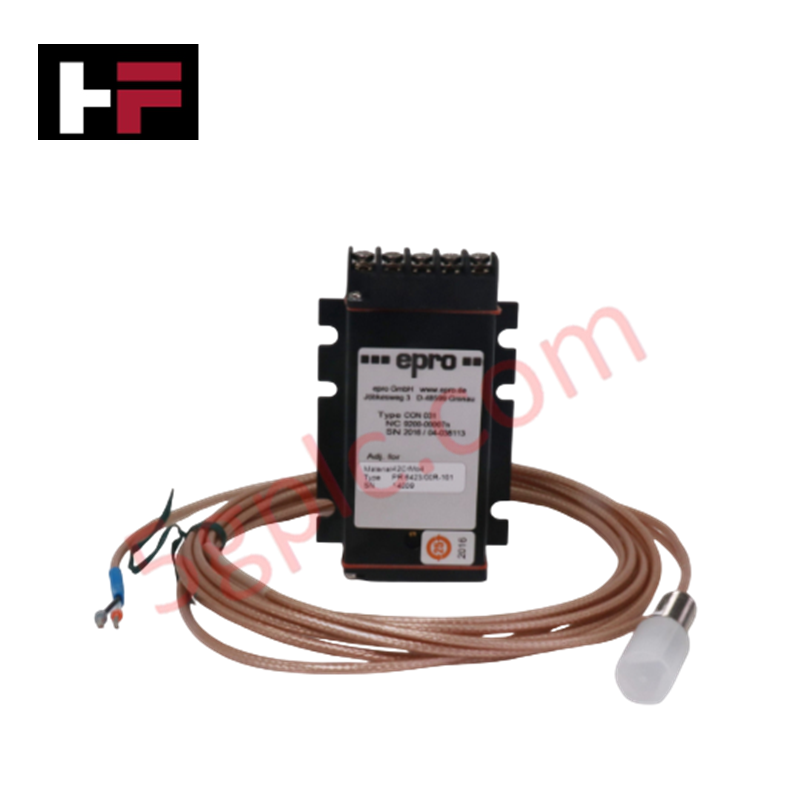
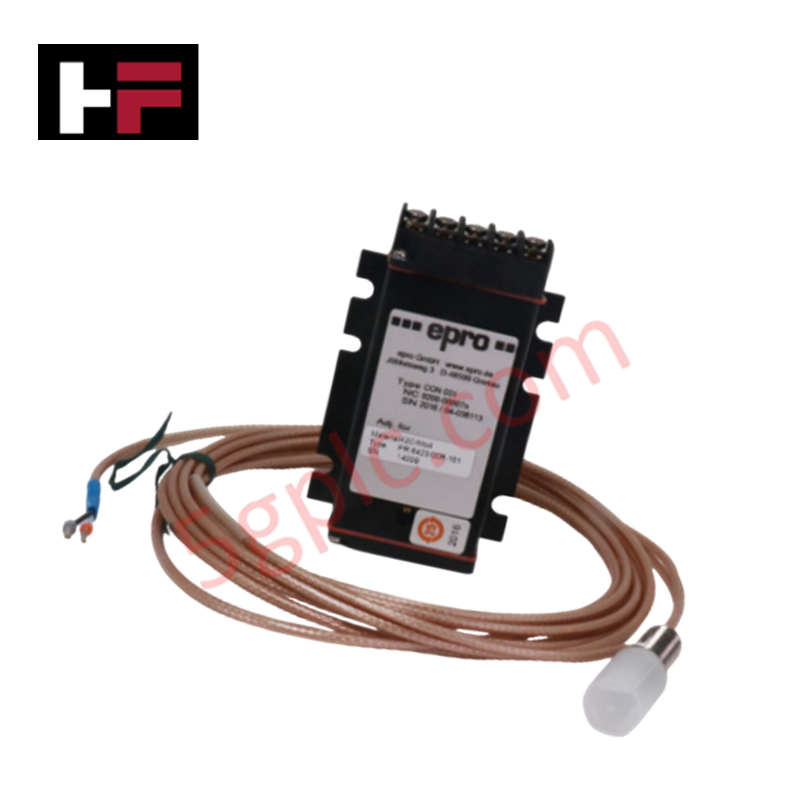
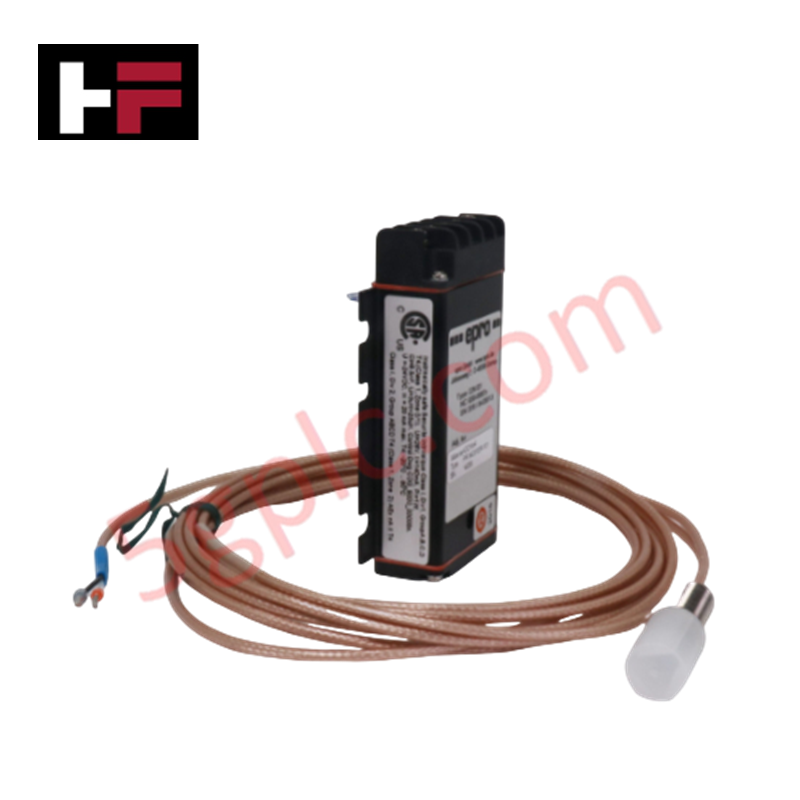
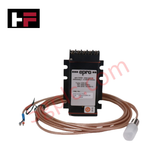
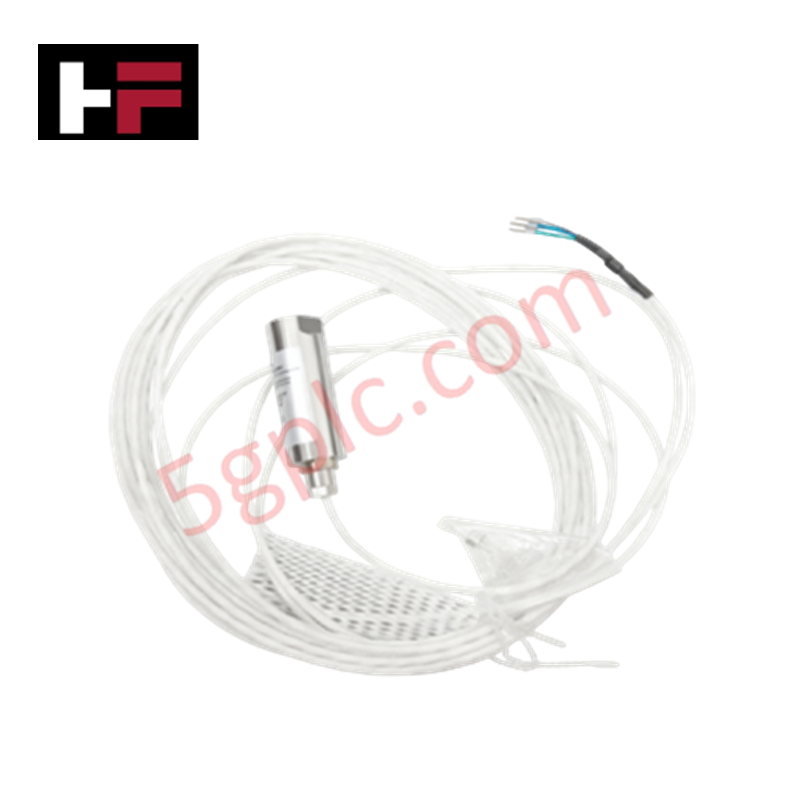
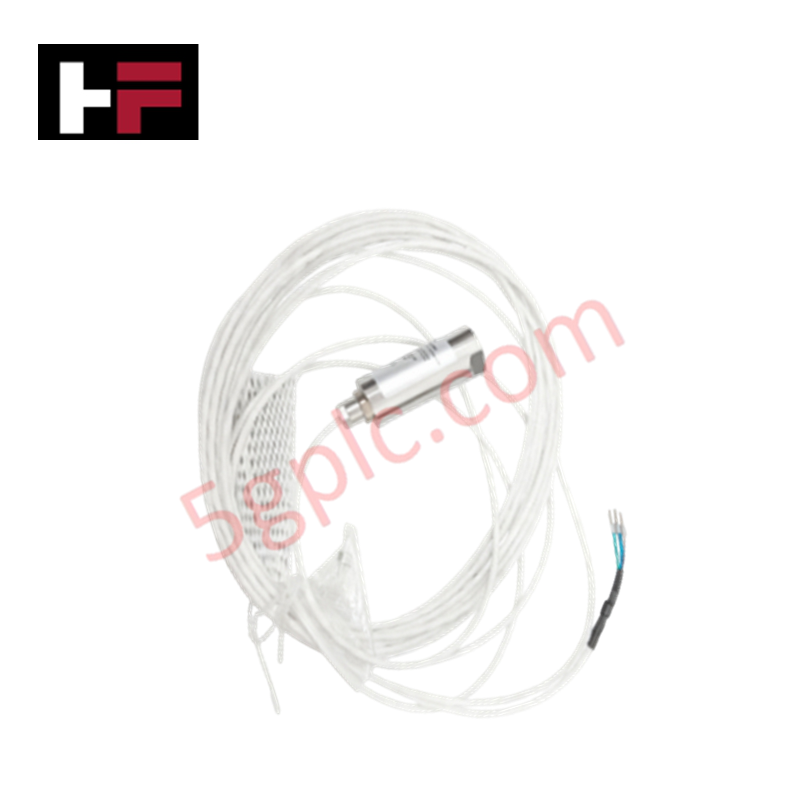
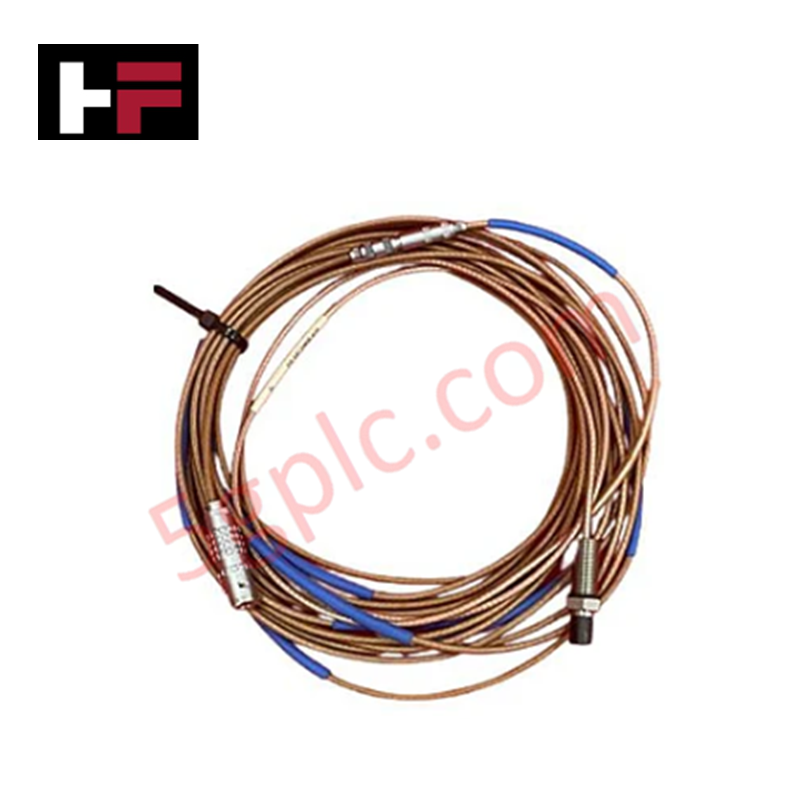
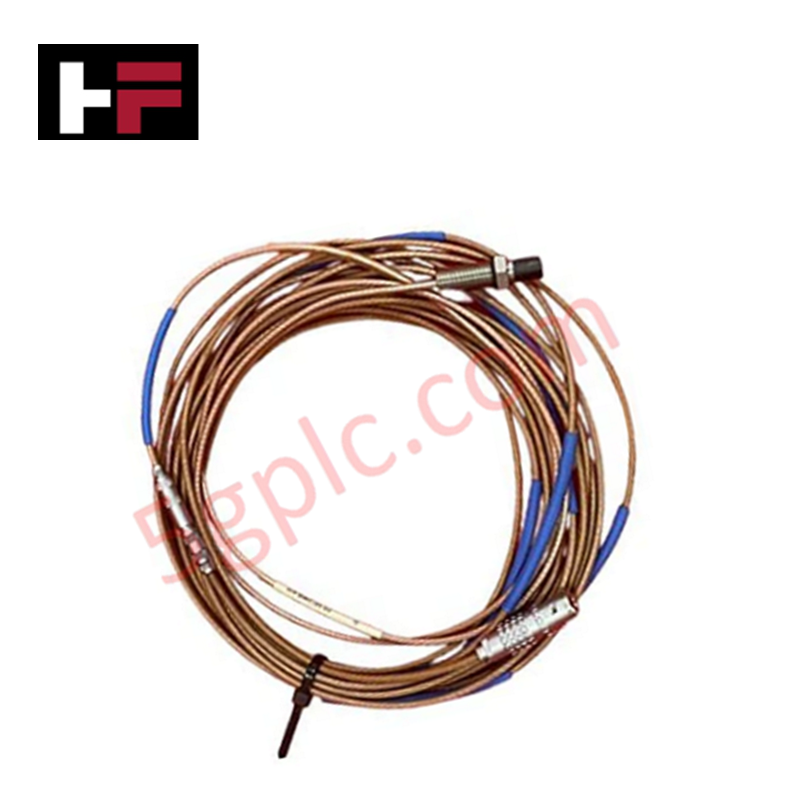
Configured for precision shaft displacement and vibration acquisition in rotating machinery, the Emerson Epro PR6424/01CS (PR6424/01CS) Eddy-current proximity sensor provides direct physical and electrical execution for dynamic position sensing.
Hardware Specifications
| Parameter | Specification |
|---|---|
| Model | PR6424/01CS |
| Brand | Emerson Epro |
| Origin | Germany |
| Dimensions | 16 mm probe diameter |
| Operating Temp | Not specified |
| Power Consumption | System-dependent |
| Sensitivity | 4 V/mm |
| Linear Range | 2.0 mm |
Mechanical Monitoring & Eddy-Current Probe Scaling
The PR6424/01CS sensor is engineered for integration into monitoring chains requiring high-accuracy shaft displacement data. Successful deployment necessitates precise eddy-current probe scaling to align the 4 V/mm output with the specific mechanical displacement of the rotor. During commissioning, gap voltage validation is required to ensure the sensor operates at the nominal gap distance of 2.7 mm, maintaining the output within the linear range of +2.0 mm. For optimal rotor dynamics data acquisition, the shaft surface must consist of ferromagnetic steel (e.g., 204 grade) with a diameter exceeding 80 mm to prevent signal distortion. Cross-talk suppression should be managed by ensuring adequate spacing between multiple probes installed on the same rotor stage, preventing mutual interference between high-frequency oscillator signals.
Frequently Asked Questions
Q: How does the shaft material affect the sensor measurement?
A: The sensor sensitivity is calibrated for specific ferromagnetic materials. Deviations in shaft material permeability or conductivity relative to the factory calibration (e.g., 204 steel) will introduce non-linearities and require secondary calibration curve adjustments.
Q: What is the significance of the 2.7 mm nominal gap distance?
A: The nominal gap defines the center point of the linear operating range. Deviations from this distance will shift the sensor's output away from the center of the -10 VDC target range, potentially leading to signal clipping during high-amplitude vibration events.
Field Installation Guidelines
- Probe Mounting: Secure the sensor in a rigid, vibration-isolated bracket. Ensure the probe tip is perpendicular to the shaft surface to prevent non-linear signal responses.
- Gap Setting: Use a non-conductive feeler gauge or a micrometer to set the nominal gap distance to 2.7 mm relative to the shaft surface at the intended measurement location.
- Cable Integrity: Route the sensor lead in dedicated instrumentation conduit, separated from AC power lines. Utilize shielded cables to protect the low-level signal from induced electromagnetic interference.
- Shielding: Terminate cable shields at a single-point instrumentation ground at the signal conditioner end to prevent ground loops.
- System Validation: Power the monitoring loop and verify the DC output voltage at the signal conditioner input. Confirm that the measured voltage corresponds to the nominal gap distance before allowing the machinery to rotate.
Additional Information
- 100% Genuine Parts: All products are original and authentic, ensuring reliable industrial performance.
- 30-Day Refund Guarantee: Return any in-stock item within 30 days in original, unopened packaging for a full refund (excluding shipping and fees).
- 12-Month Warranty: Covers defects in materials or workmanship; excludes misuse, normal wear, or unauthorized modifications.
- Worldwide Shipping: We ship via USPS, UPS, FedEx, and DHL. Delivery times vary by country and may be subject to customs or import fees.
- Support & Contact: Technical and warranty assistance is available anytime. Contact us here: Contact.
- Purchase Guidance: Check product specifications and compatibility carefully before ordering to ensure proper application.
Tech & Buying Guide
Demystifying the 5 Levels of Industrial Automation Architecture
Modern manufacturing relies on structured communication hierarchy to bridge physical shop-floor hardware with enterprise management software. This framework, commonly known as the Automation Pyramid, establishes how data flows between field devices, logic controllers, and corporate IT networks. Understanding these five distinct levels helps engineers and plant managers optimize system operations, reduce downtime, and implement seamless factory automation solutions.

Transforming Shop Floor Data into Actionable Insights: A Deep Dive into MES
Manufacturing Execution Systems serve as the digital backbone of modern factory floors. Positioned at Level 3 of the ISA-95 automation pyramid, MES links enterprise resource planning with real-time shop floor control systems. Today, industrial operators rely on MES software to bridge operational strategy with physical production execution.