










Product Details
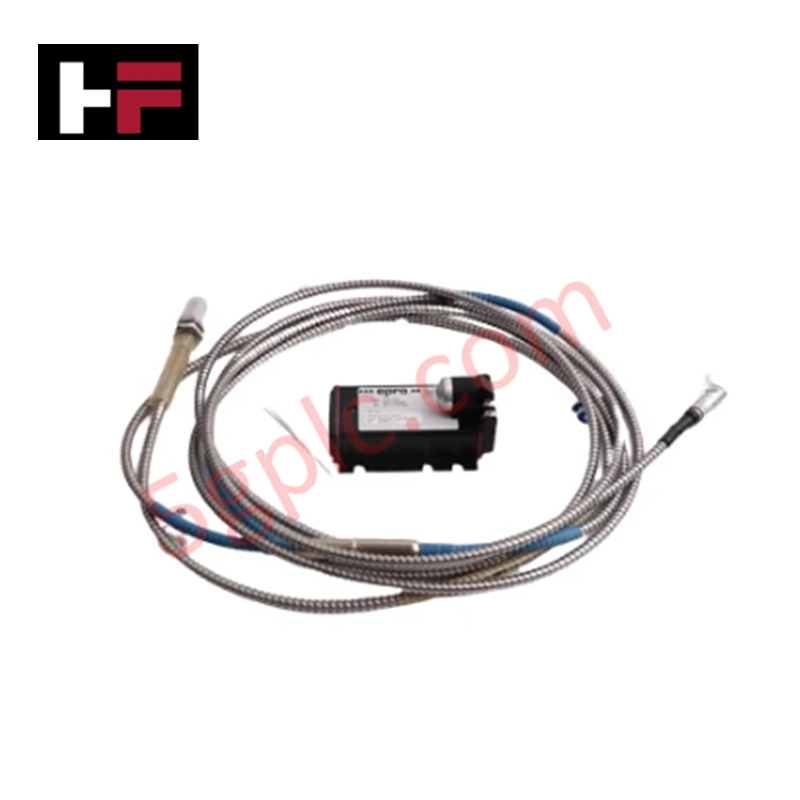
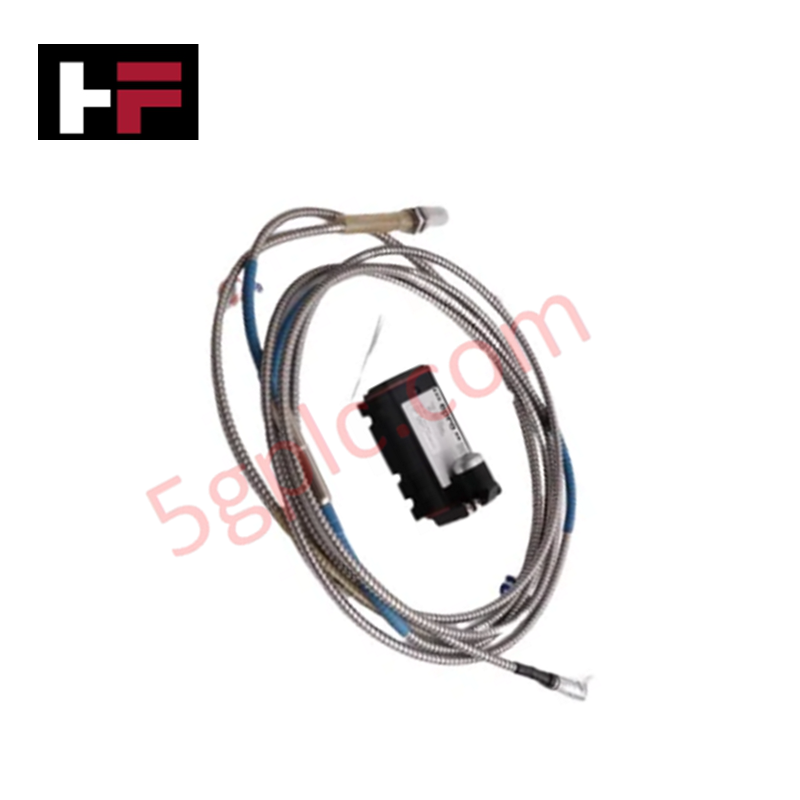
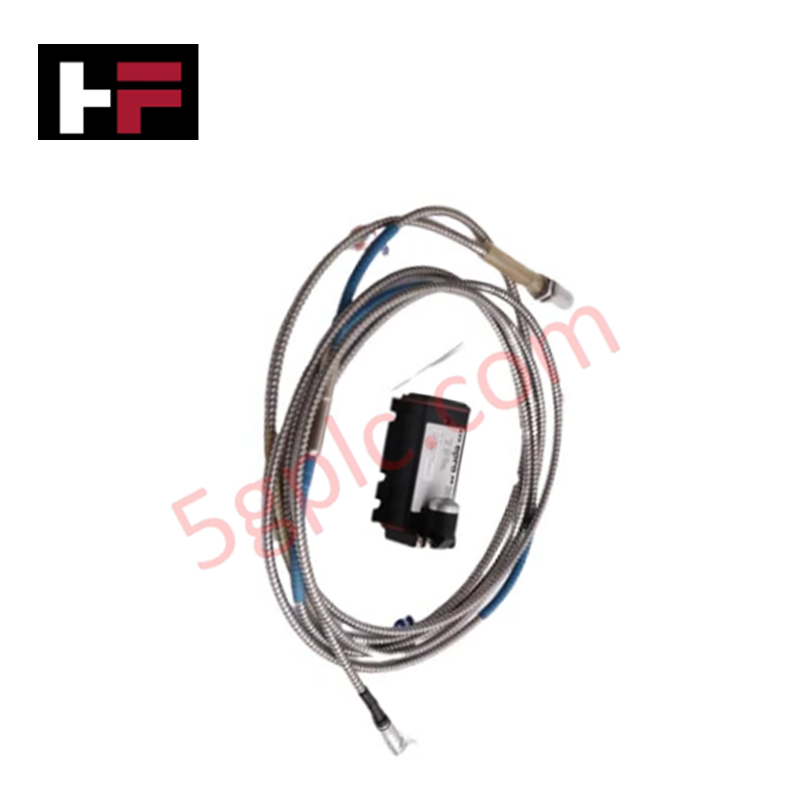
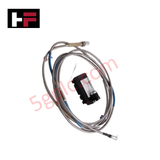
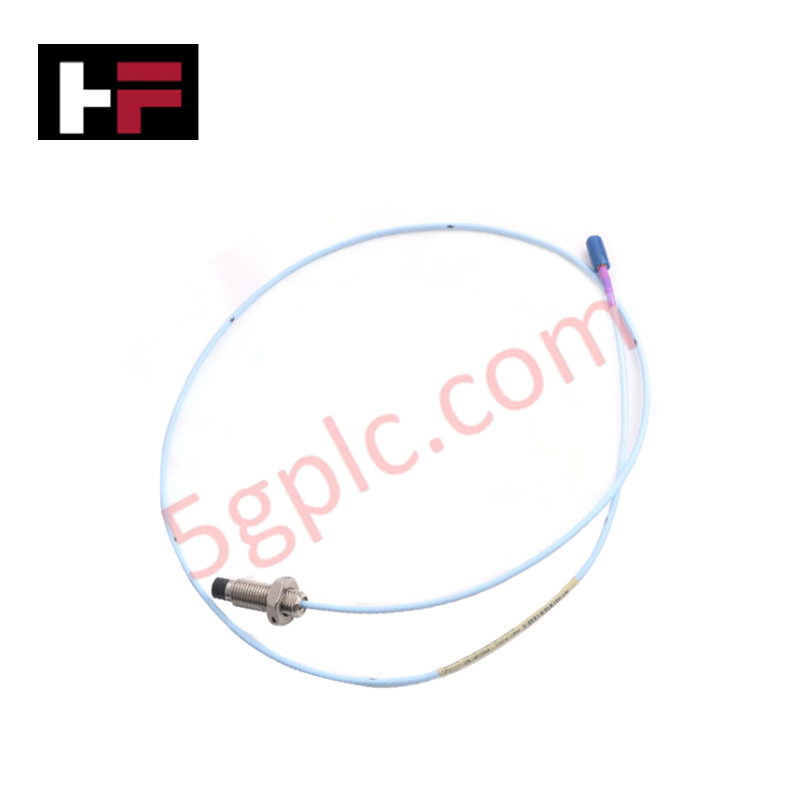
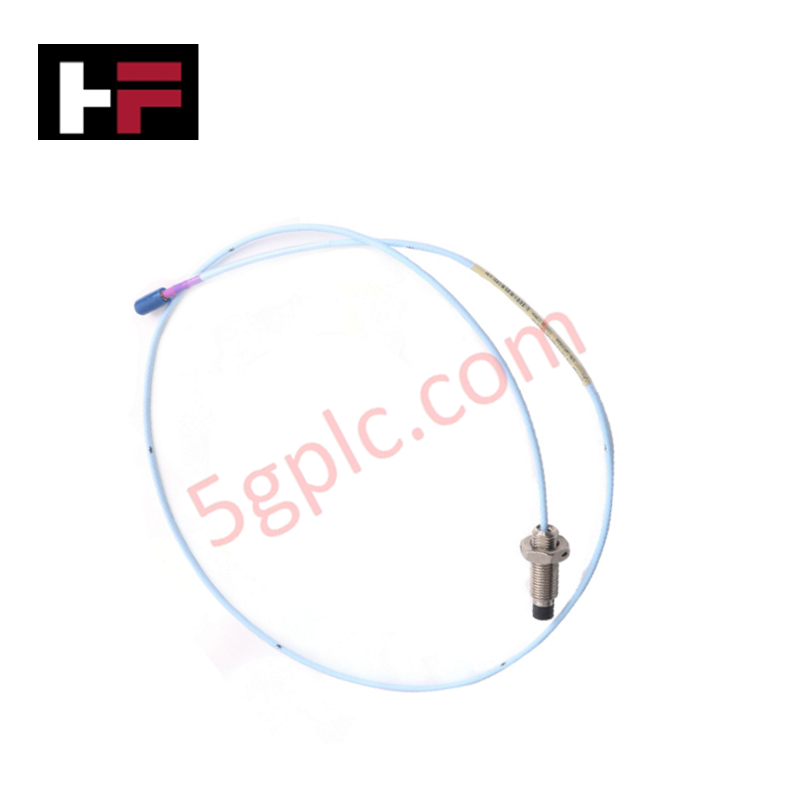
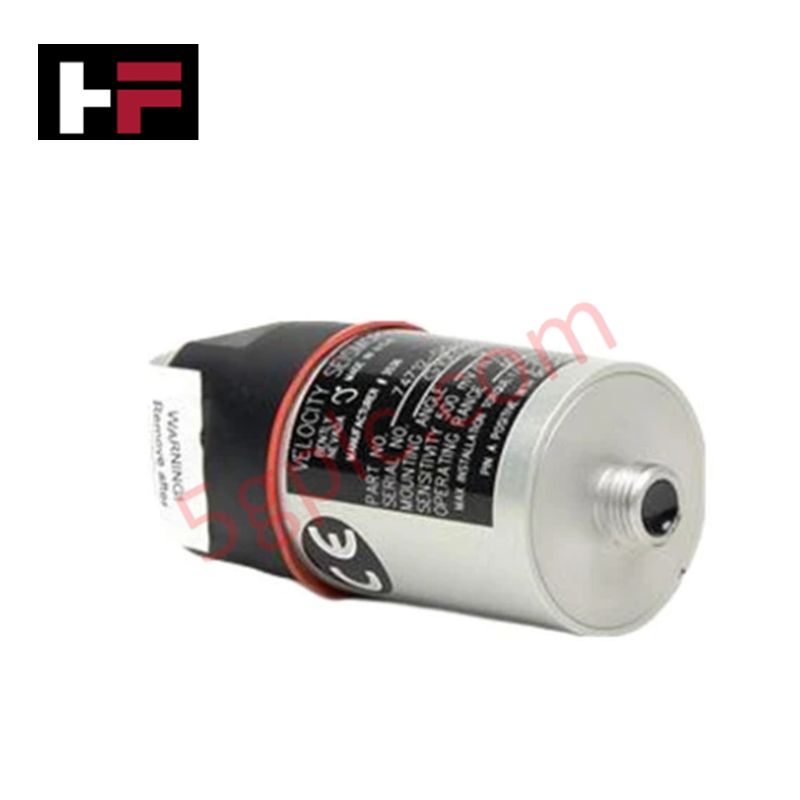
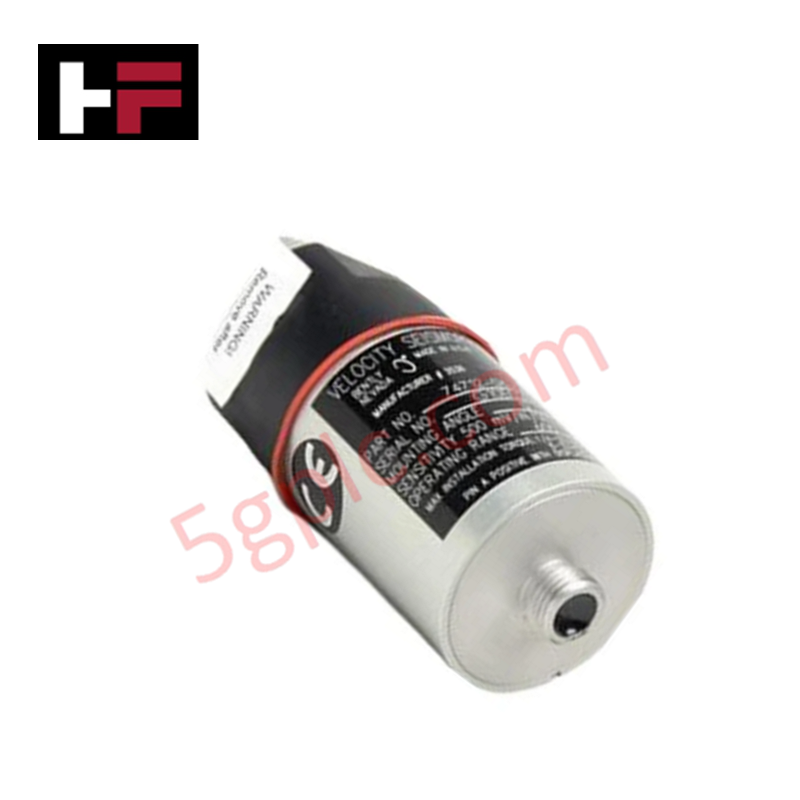
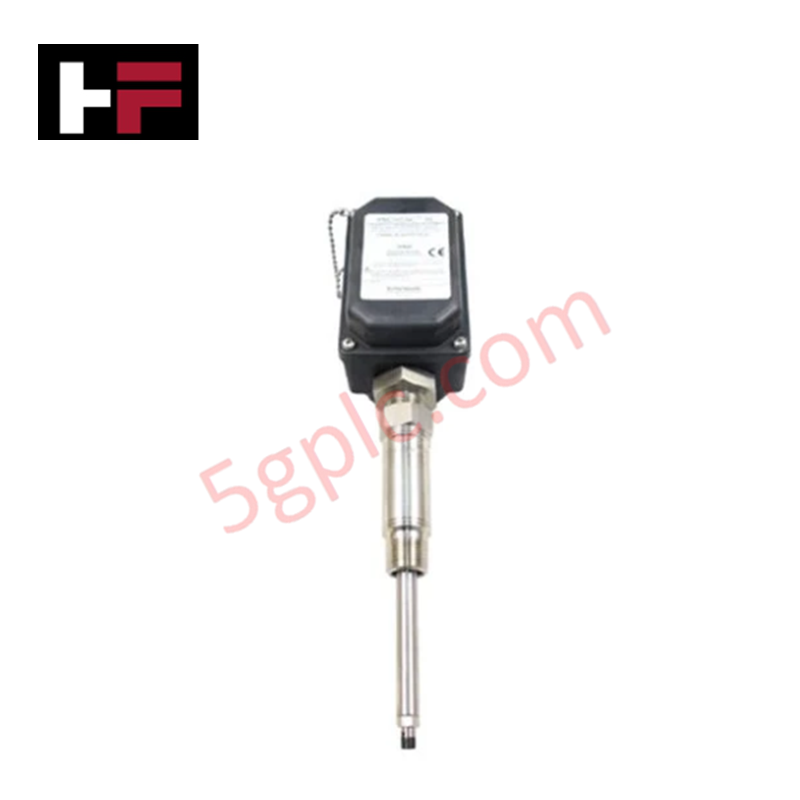
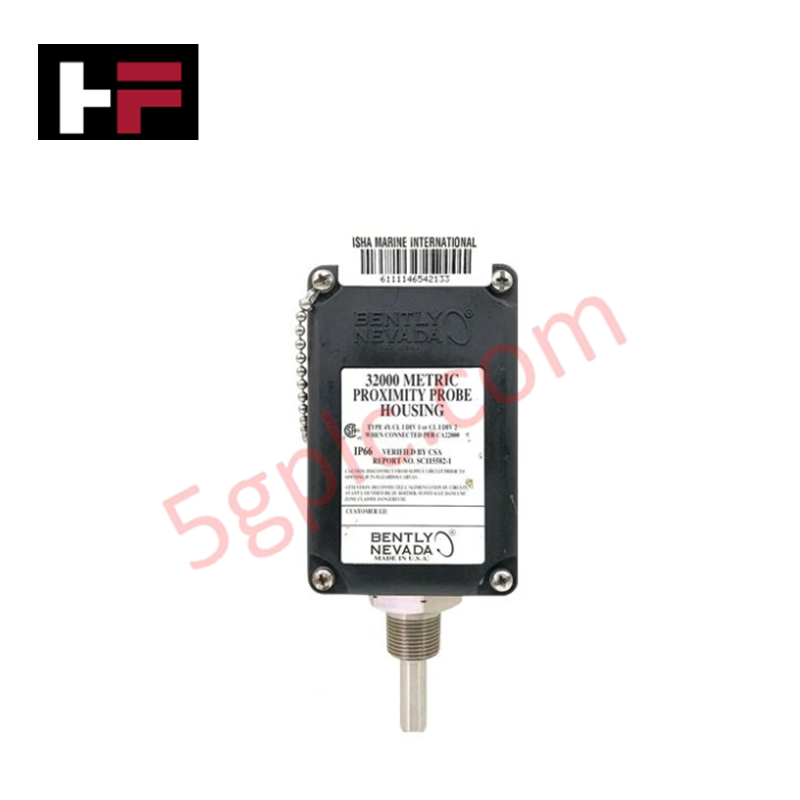
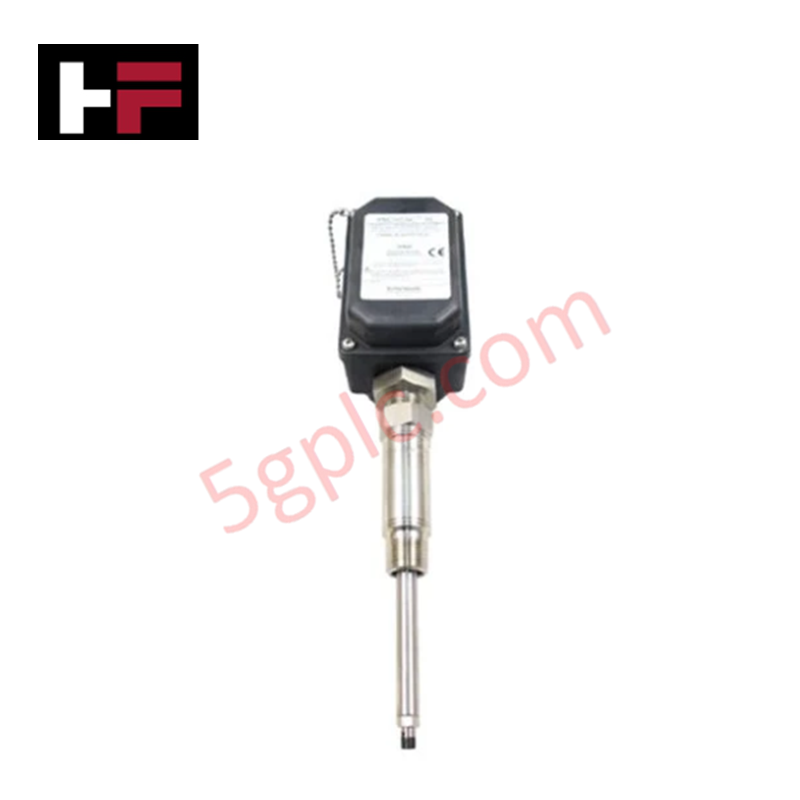
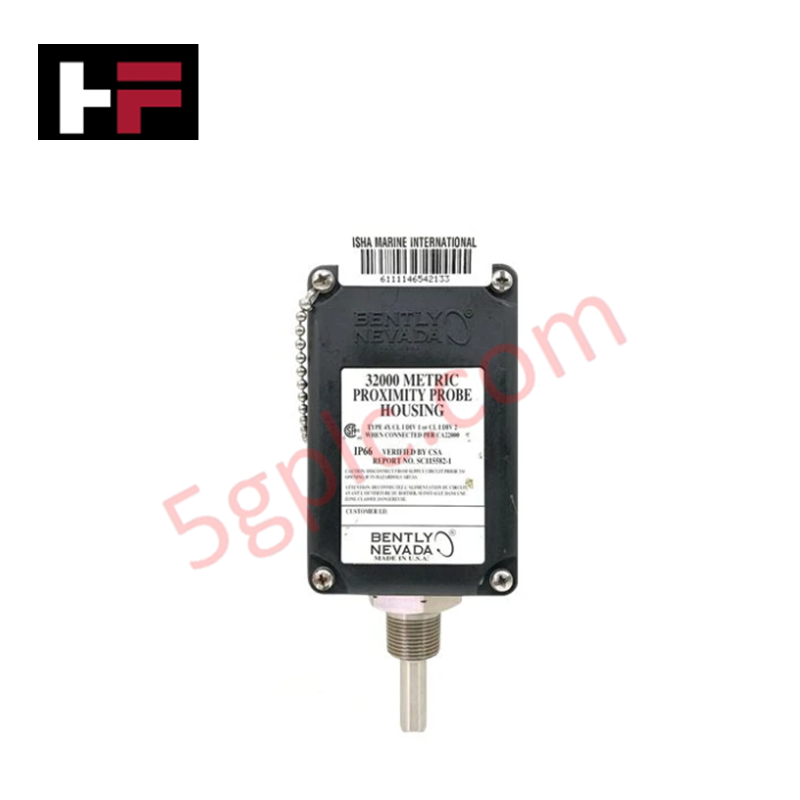
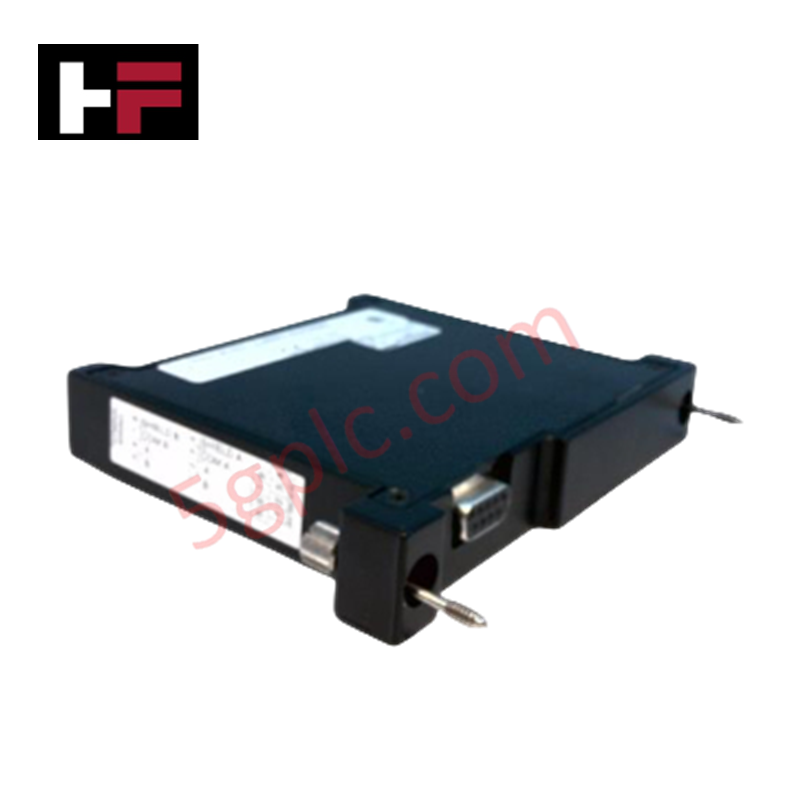
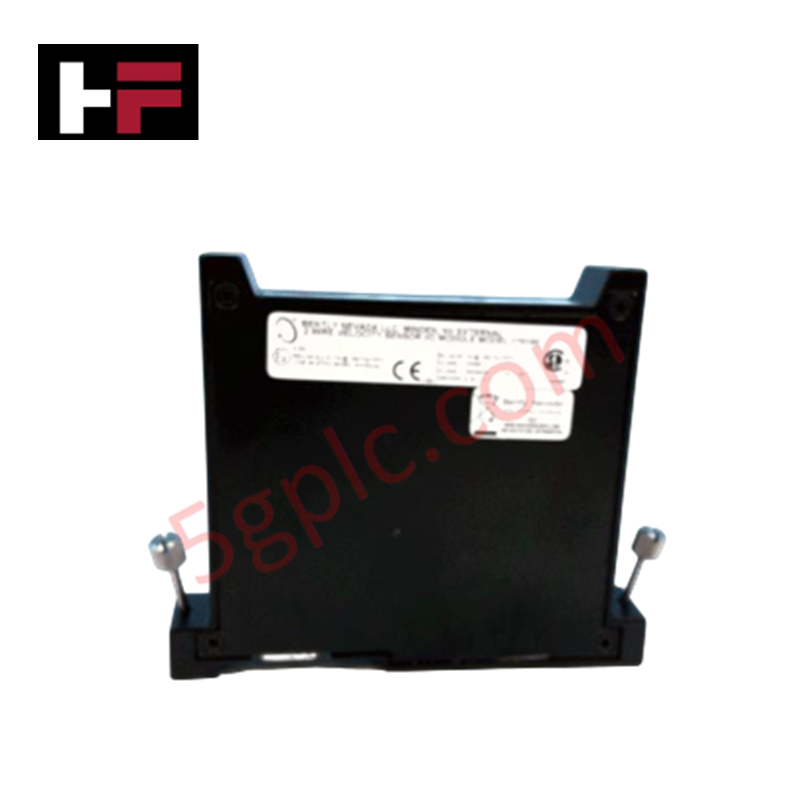
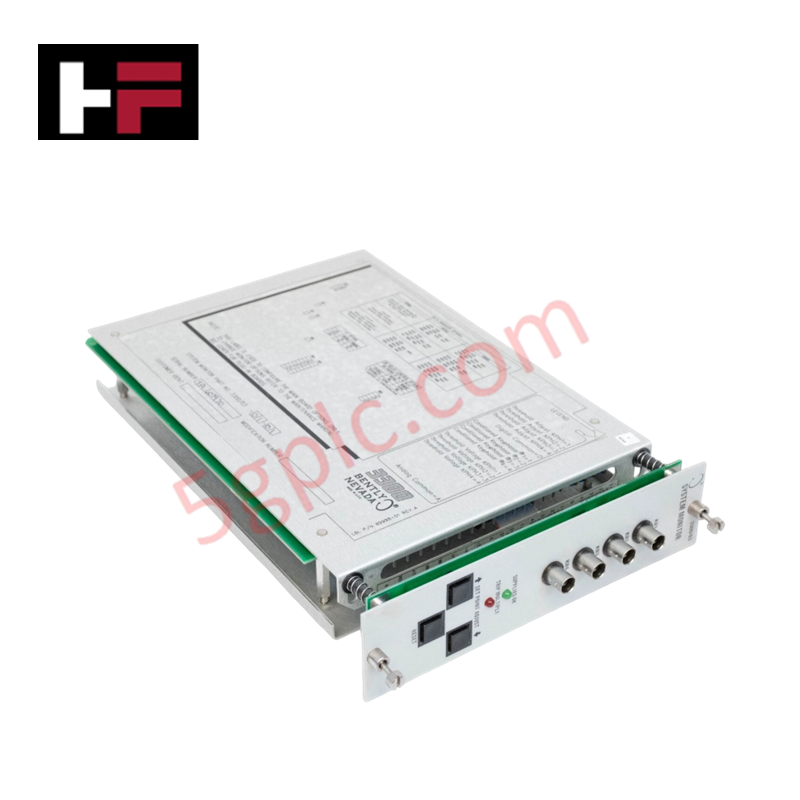
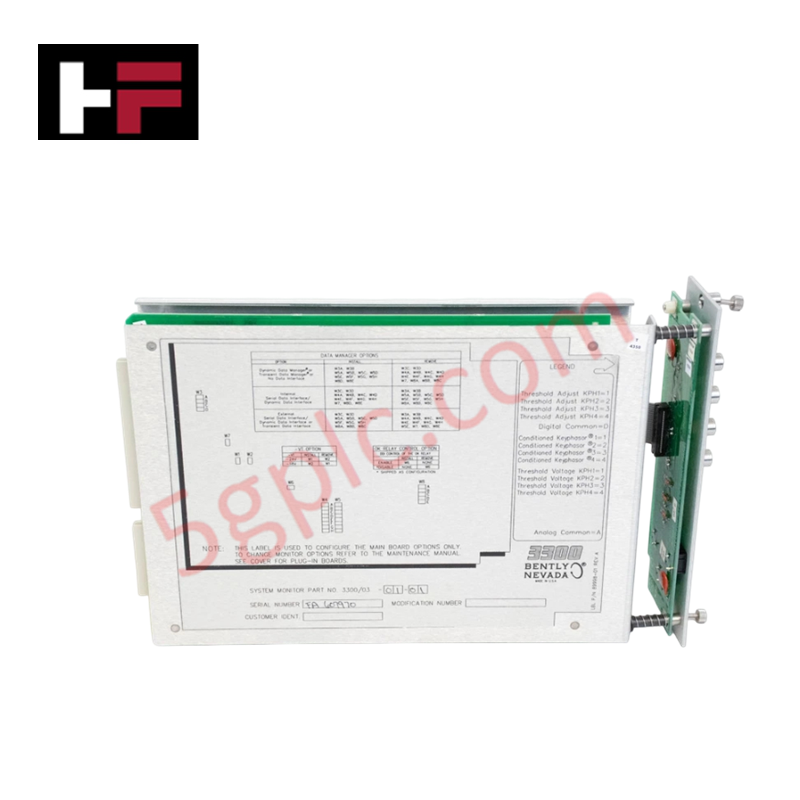
Configured for precision mechanical monitoring in rotating machinery, the Emerson CON010 + PR6424/010-040 (CON010 + PR6424/010-040 Eddy Current Sensor) provides direct physical electrical execution for shaft displacement and vibration measurement. The solution integrates the CON010 sensor module with the PR6424/010-040 proximity probe to interface with Emerson EPRO monitoring platforms, facilitating real-time acquisition of dynamic shaft movement.
Hardware Specifications
| Parameter | Specification |
|---|---|
| Model | CON010 + PR6424/010-040 |
| Brand | Emerson |
| Origin | USA |
| Dimensions | 21 cm x 20 cm x 3 cm |
| Operating Temp | -40 to 70 deg C |
| Power Consumption | 24 VDC nominal |
| Probe Length | 40 mm |
Eddy-Current Probe Scaling and Rotor Dynamics
The CON010 sensor module utilizes precise eddy-current probe scaling to translate electromagnetic induction changes into linear voltage signals corresponding to shaft gap distance. This process is required for accurate analysis of rotor dynamics, including radial vibration and axial position monitoring. The signal conditioning circuitry includes cross-talk suppression logic to maintain measurement integrity when multiple probes are installed in close proximity on a machine train. Operators must ensure proper gap voltage validation against the -10 VDC target range to maintain linearity within the transducer's dynamic operating range.
Frequently Asked Questions (FAQ)
Q: What is the recommended procedure for verifying the transducer gap voltage?
A: During static conditions, adjust the probe mounting position until the output voltage reaches the nominal -10 VDC setpoint. This ensures the probe is operating in the linear region of its characteristic curve for both positive and negative shaft excursion.
Q: Is this sensor system compatible with non-conductive shaft materials?
A: Eddy current sensors require a conductive target. Measurement accuracy is dependent on the target material's electrical conductivity and magnetic permeability. Consult the probe calibration data for the specific material characteristics of the observed shaft.
Field Installation Guidelines
- Ensure the mounting bracket is rigid to prevent mechanical resonances from introducing measurement errors.
- Verify that the probe tip is installed perpendicular to the shaft surface to maintain consistent signal response across the entire dynamic range.
- Utilize shielded coaxial cabling between the probe and the CON010 module, and ensure the shield is bonded at the monitoring rack end to prevent ground loops.
- Avoid routing probe signal cables in close proximity to high-current power cables or variable frequency drive (VFD) output leads to minimize electromagnetic interference (EMI).
- Perform a static calibration check after installation to confirm that the gap voltage output matches the manufacturer-specified baseline for the installation clearance.
Additional Information
- 100% Genuine Parts: All products are original and authentic, ensuring reliable industrial performance.
- 30-Day Refund Guarantee: Return any in-stock item within 30 days in original, unopened packaging for a full refund (excluding shipping and fees).
- 12-Month Warranty: Covers defects in materials or workmanship; excludes misuse, normal wear, or unauthorized modifications.
- Worldwide Shipping: We ship via USPS, UPS, FedEx, and DHL. Delivery times vary by country and may be subject to customs or import fees.
- Support & Contact: Technical and warranty assistance is available anytime. Contact us here: Contact.
- Purchase Guidance: Check product specifications and compatibility carefully before ordering to ensure proper application.
Tech & Buying Guide
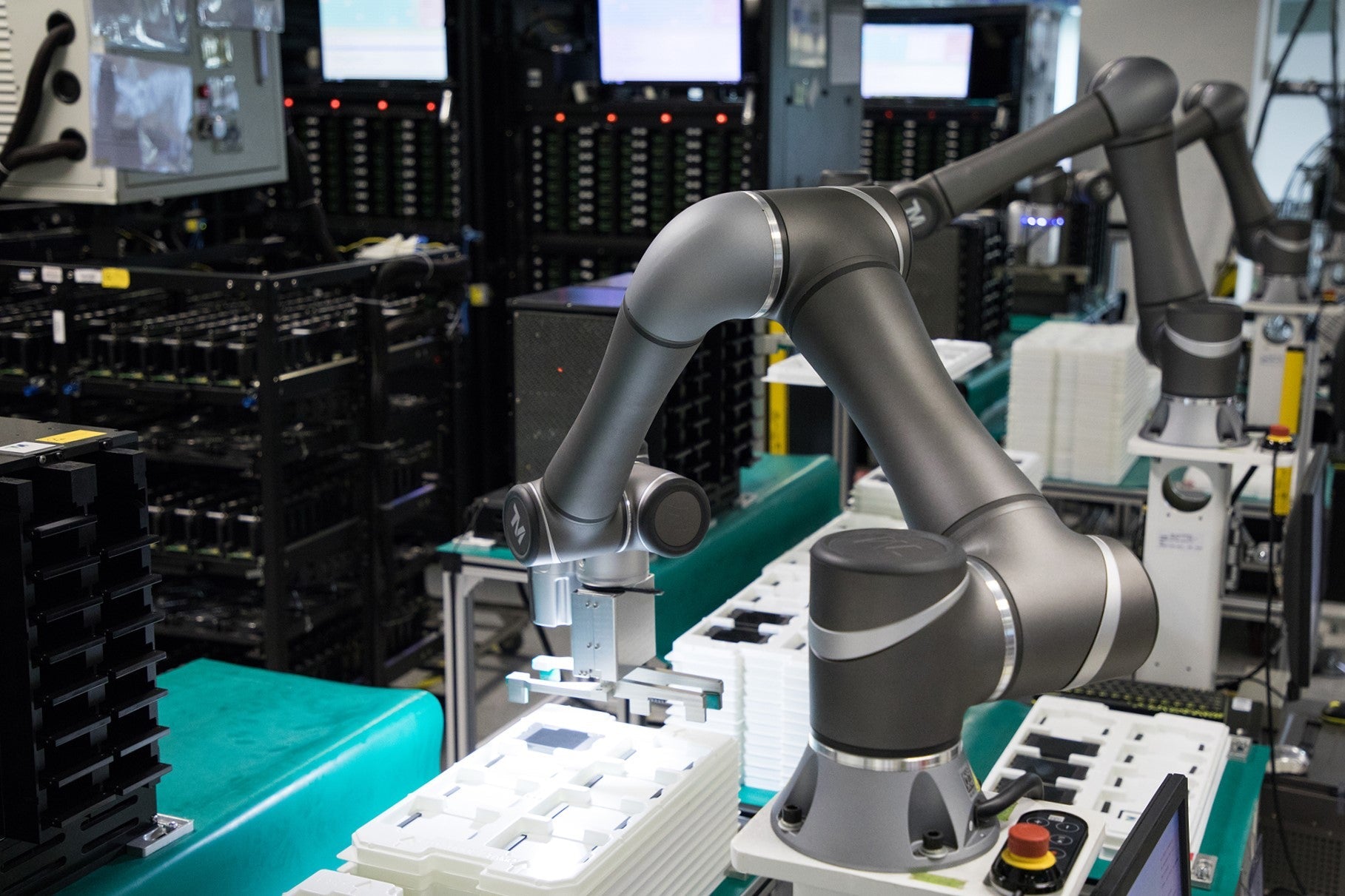
Redundant Automation Systems: Ensuring Continuous Uptime in Critical Control Infrastructure
System reliability directly determines operational profitability across high stakes process industries. Modern industrial automation platforms must eliminate single points of failure to prevent catastrophic shutdowns. Deploying fault tolerant architecture safeguards complex facilities against unexpected hardware glitches, network disruptions, and maintenance outages.

Understanding Types of Noise in Electronic Circuits and Control Systems
Signal integrity directly determines measurement accuracy and loop stability across industrial automation environments. Electronic noise introduces unwanted stochastic interference into analog loops, sensor feedback lines, and digital fieldbus networks. Understanding how intrinsic electronic noise and external electromagnetic interference manifest allows control engineers to optimize signal conditioning and shield sensitive instrumentation effectively.

Why 24V DC Power Supplies Standardize Modern Industrial Automation
Industrial control cabinets worldwide rely on 24V DC as the universal power standard for field instrumentation, sensors, and controllers. Walk into any manufacturing plant, and you will find PLCs, human-machine interfaces (HMIs), and smart actuators running on extra-low voltage DC. Standardizing on 24V DC enhances operational safety, lowers cabinet footprint, and maintains steady control performance across factory networks.