










Product Details
Product Overview
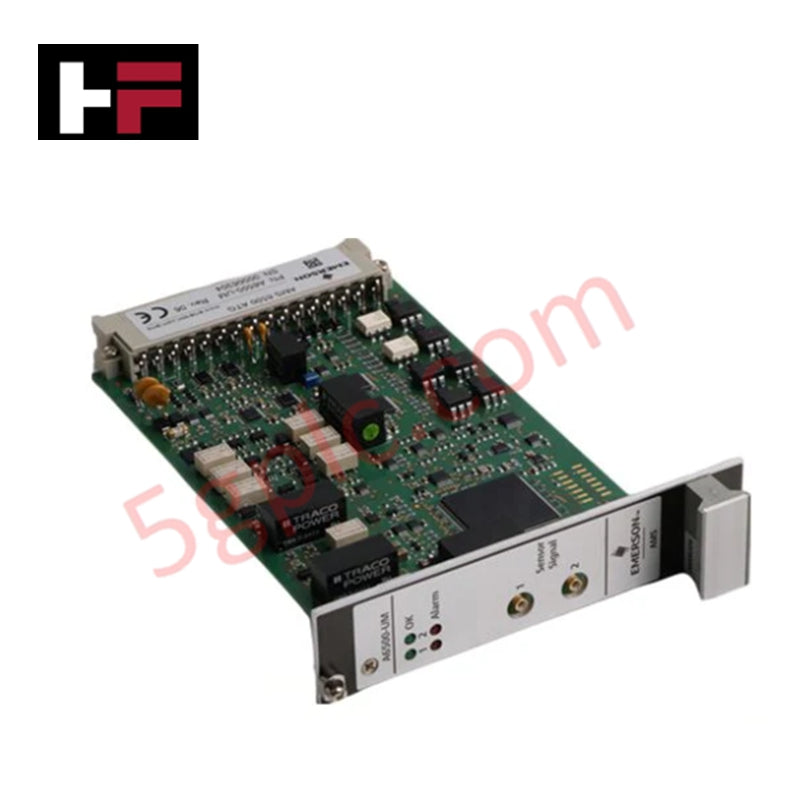
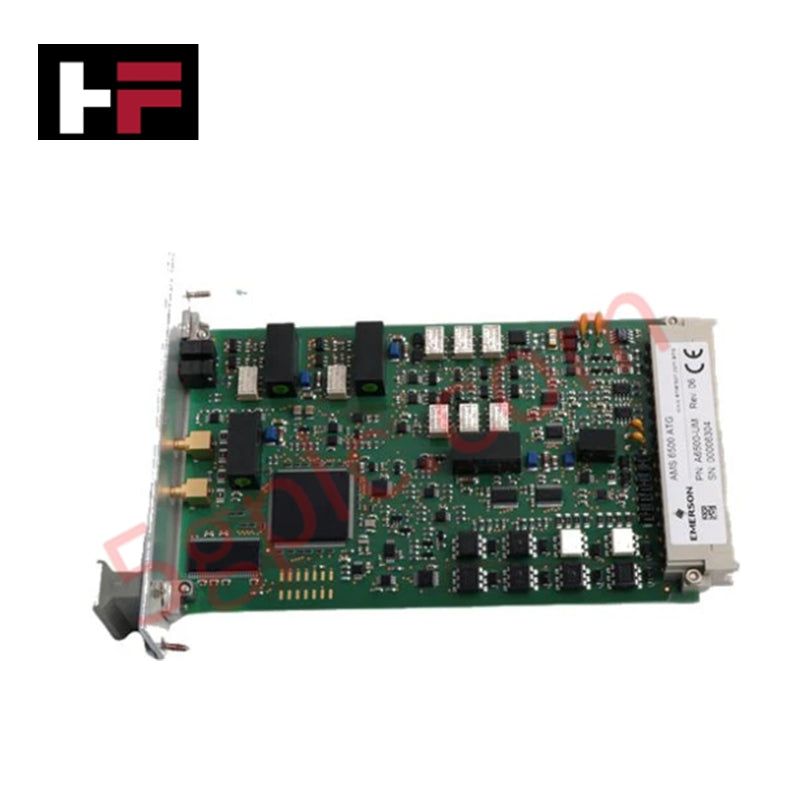
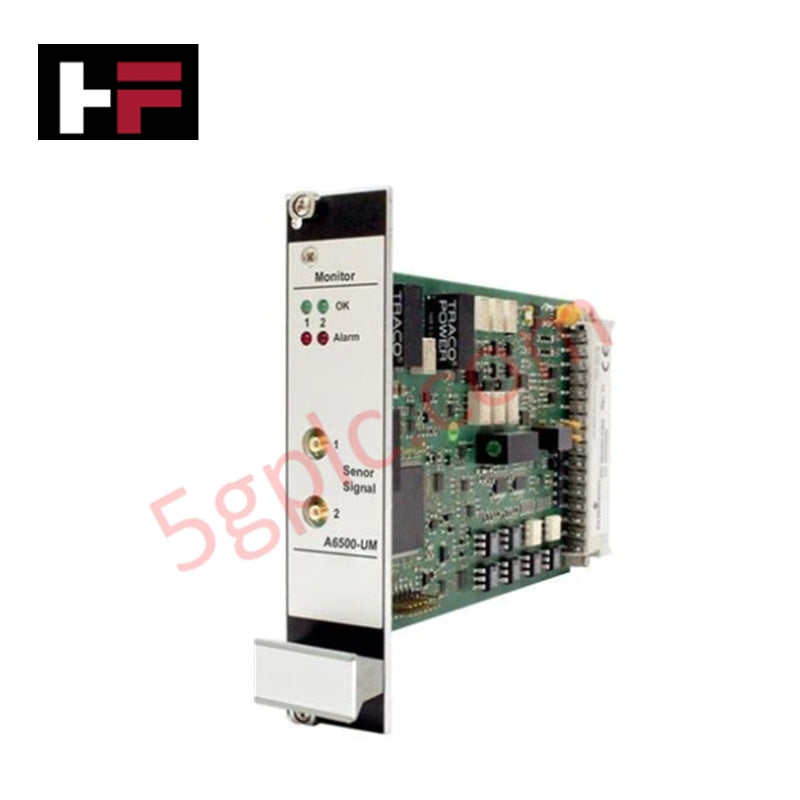
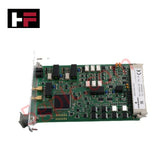
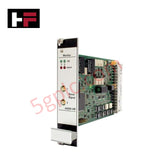
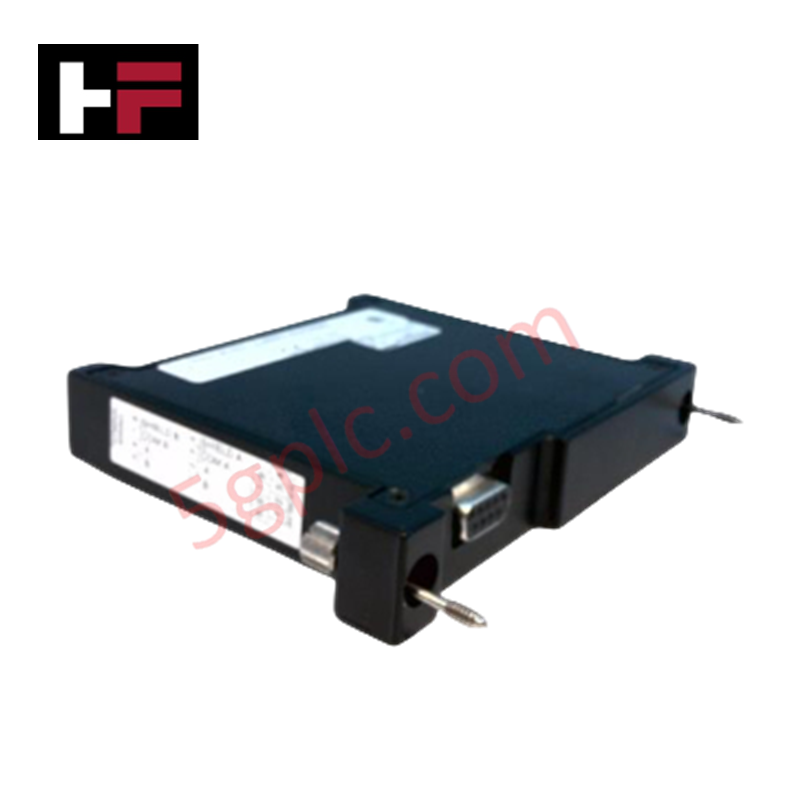
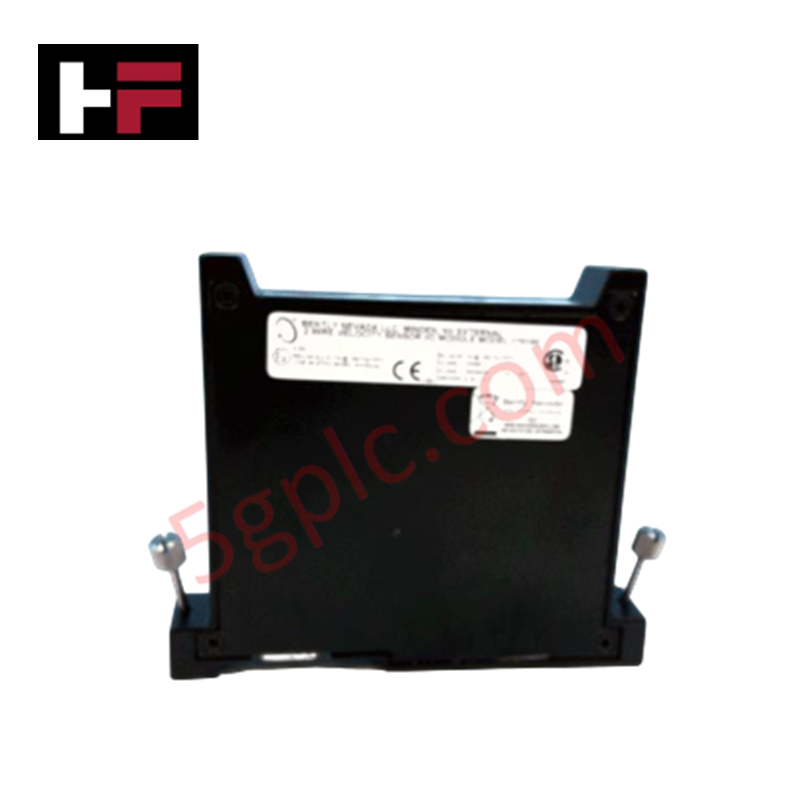
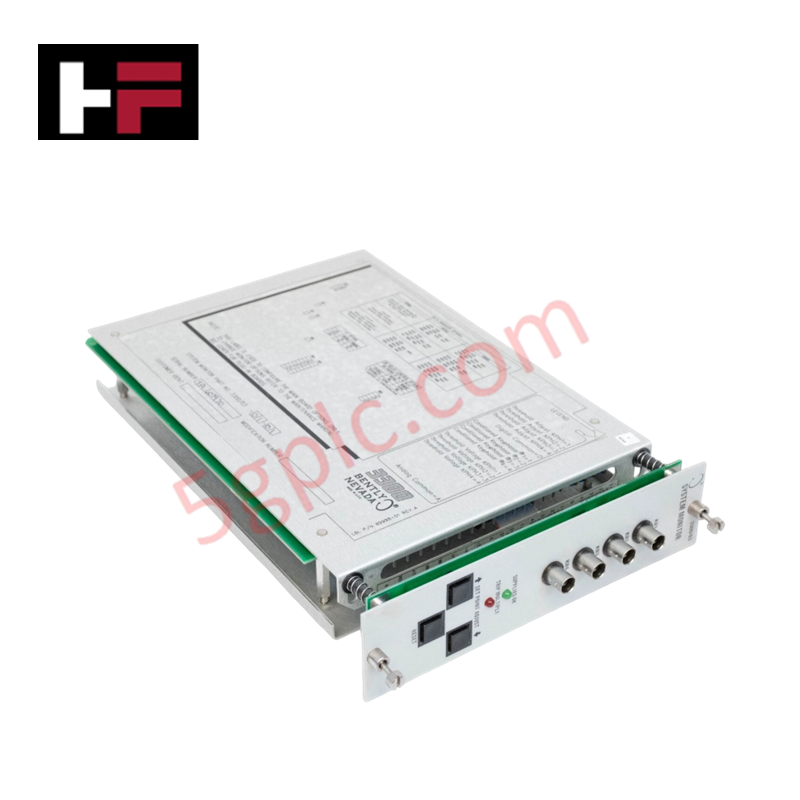
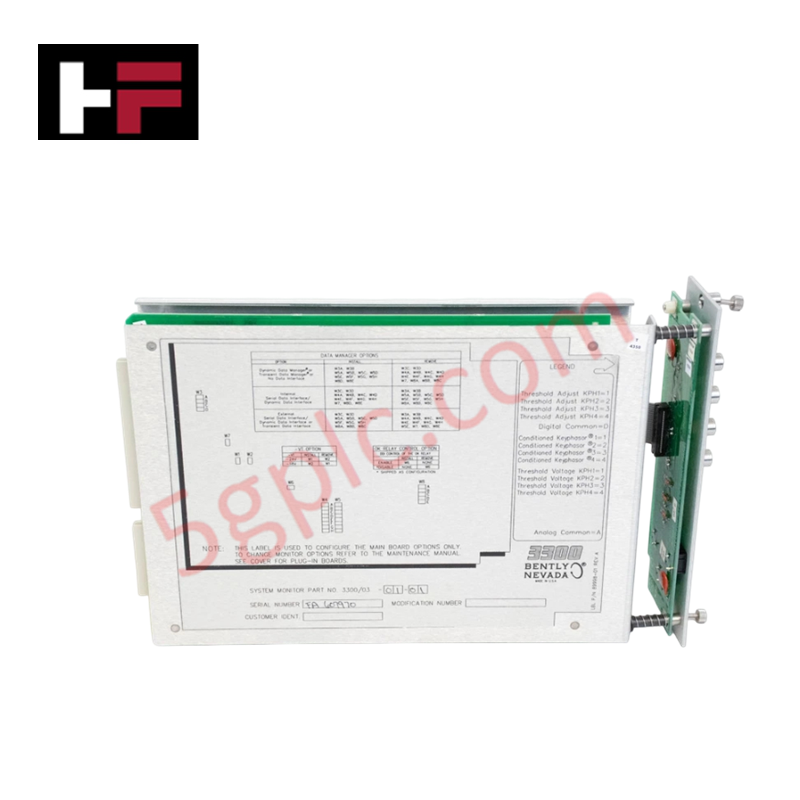
The Emerson A6500-UM serves as the most versatile sensing interface within the AMS 6500 Machinery Health Monitor system. This Universal Monitoring (UM) card processes dynamic signals from a wide array of transducers, including eddy current probes and piezoelectric sensors. It provides the foundational data for predictive maintenance and real-time machinery protection for critical assets like steam turbines and high-speed compressors. We supply this module as 100% Brand New and Original, ensuring your protection system utilizes the latest factory-certified hardware.
Technical Specifications
The A6500-UM handles both negative and positive voltage inputs with high frequency fidelity and precise sensor power management.
| Feature | Specification Details |
| Eddy Current Input | -1 V to -22 V range |
| Standard Signal Input | +1 V to +23 V range |
| Frequency Response | 0 Hz to 18,750 Hz (High-fidelity raw signal) |
| Sensor Power (Eddy) | Max -26.0 VDC; 35 mA (Short-circuit proof) |
| Constant Current Supply | 0 mA to 8 mA (Adjustable for IEPE/ICP sensors) |
| Measurement Accuracy | < 0.1 dB attenuation across operating range |
| Operating Temp | -20°C to +70°C (-4°F to 158°F) |
| Vibration & Shock | IEC 68-2-6 / IEC 60068-2-27 (150 m/s² shock) |
| Rack Slot | 3RU / 6HP (Standard Eurocard format) |
| Weight | 200g |
Engineering Advantages
-
Universal Sensor Compatibility: The A6500-UM eliminates the need for specialized cards by supporting both 2-wire and 4-wire sensor connections. It accommodates standard eddy current probes (negative voltage) and piezoelectric accelerometers (positive voltage) on the same hardware platform.
-
Broad Frequency Spectrum: The module captures signals up to 18,750 Hz. This wide bandwidth enables the detection of high-frequency gear mesh issues and bearing harmonics that lower-tier monitors often miss.
-
Intelligent Sensor Powering: An adjustable constant current source (0-8 mA) powers IEPE-type sensors directly. The module also features a short-circuit proof sensor supply that maintains stability even during field wiring faults, preventing a single sensor failure from taking down the entire card.
-
Extreme Mechanical Durability: Built to withstand 4000 shocks per axis, this module excels in environments with heavy mechanical impacts. It meets EN50081-1/EN50082-2 standards, ensuring that electromagnetic interference from nearby heavy-duty motors does not corrupt your vibration data.
-
Secure Configuration Management: Password protection secures the configuration logic. This prevents unauthorized users from changing alarm setpoints or engineering units, maintaining the safety integrity of the machinery protection loop.
FAQs
Q: Does the A6500-UM replace the need for dedicated vibration and eccentricity cards?
A: Yes. The "Universal" designation means you can configure this card for various measurement types (vibration, position, or speed) via software. This simplifies your spare parts inventory, as one A6500-UM can back up multiple specialized card types in the AMS 6500 rack.
Q: Is this module compatible with both 2-wire and 4-wire transducers?
A: Absolutely. The module features selectable 2-wire or 4-wire connections. This flexibility allows you to integrate legacy sensors or the latest high-precision instrumentation without changing your rack hardware.
Q: How do I verify that this unit is 100% Brand New?
A: Every A6500-UM we ship comes in its original Emerson factory seal and packaging. The unit includes the original manufacture labels and serial numbers, which match the factory's quality inspection records. We do not provide used, refurbished, or new-surplus items.
Q: What is the significance of the 18,750 Hz frequency range?
A: Most standard protection cards cap out at lower frequencies. The 18,750 Hz range on the A6500-UM allows for deep-dive diagnostics of aerodynamic flow instabilities and high-frequency mechanical friction, providing an "early warning" before a vibration trip occurs.
Additional Information
- 100% Genuine Parts: All products are original and authentic, ensuring reliable industrial performance.
- 30-Day Refund Guarantee: Return any in-stock item within 30 days in original, unopened packaging for a full refund (excluding shipping and fees).
- 12-Month Warranty: Covers defects in materials or workmanship; excludes misuse, normal wear, or unauthorized modifications.
- Worldwide Shipping: We ship via USPS, UPS, FedEx, and DHL. Delivery times vary by country and may be subject to customs or import fees.
- Support & Contact: Technical and warranty assistance is available anytime. Contact us here: Contact.
- Purchase Guidance: Check product specifications and compatibility carefully before ordering to ensure proper application.
Tech & Buying Guide
Redundant Automation Systems: Ensuring Continuous Uptime in Critical Control Infrastructure
System reliability directly determines operational profitability across high stakes process industries. Modern industrial automation platforms must eliminate single points of failure to prevent catastrophic shutdowns. Deploying fault tolerant architecture safeguards complex facilities against unexpected hardware glitches, network disruptions, and maintenance outages.

Understanding Types of Noise in Electronic Circuits and Control Systems
Signal integrity directly determines measurement accuracy and loop stability across industrial automation environments. Electronic noise introduces unwanted stochastic interference into analog loops, sensor feedback lines, and digital fieldbus networks. Understanding how intrinsic electronic noise and external electromagnetic interference manifest allows control engineers to optimize signal conditioning and shield sensitive instrumentation effectively.

Why 24V DC Power Supplies Standardize Modern Industrial Automation
Industrial control cabinets worldwide rely on 24V DC as the universal power standard for field instrumentation, sensors, and controllers. Walk into any manufacturing plant, and you will find PLCs, human-machine interfaces (HMIs), and smart actuators running on extra-low voltage DC. Standardizing on 24V DC enhances operational safety, lowers cabinet footprint, and maintains steady control performance across factory networks.