










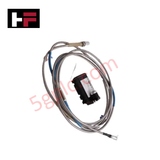
Product Details
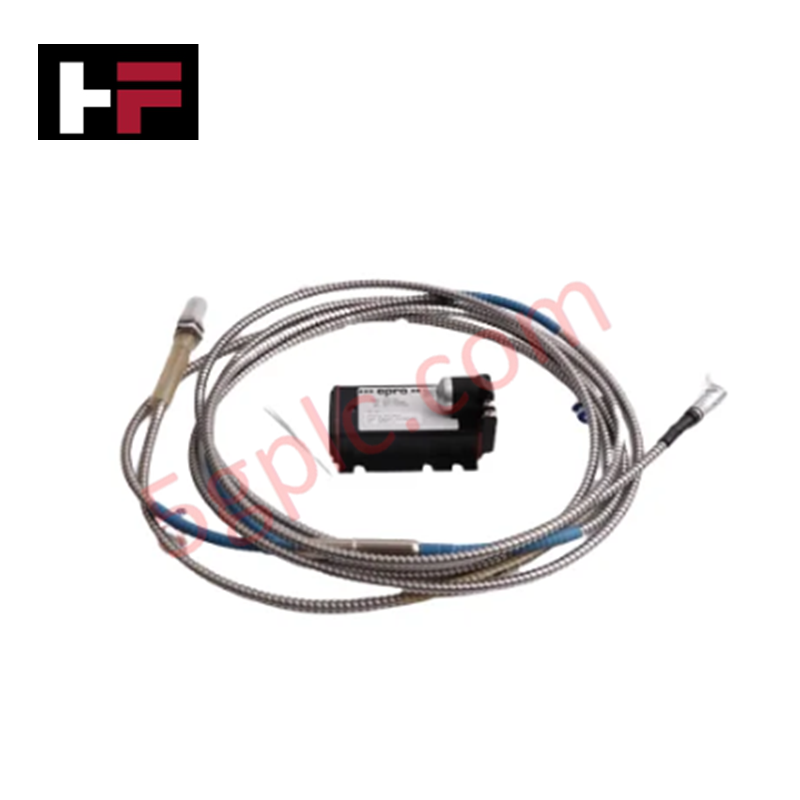
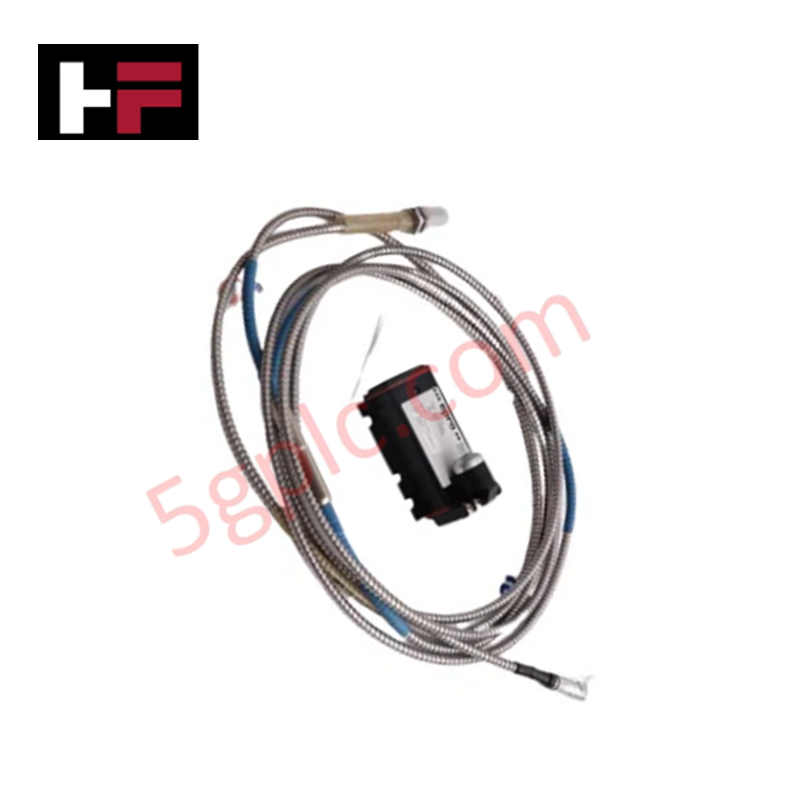
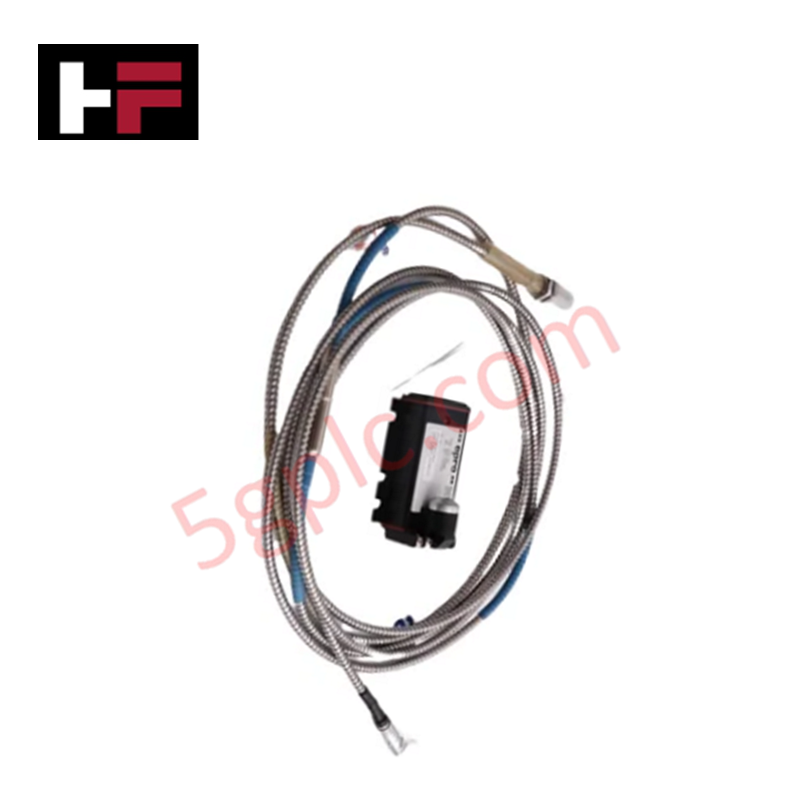
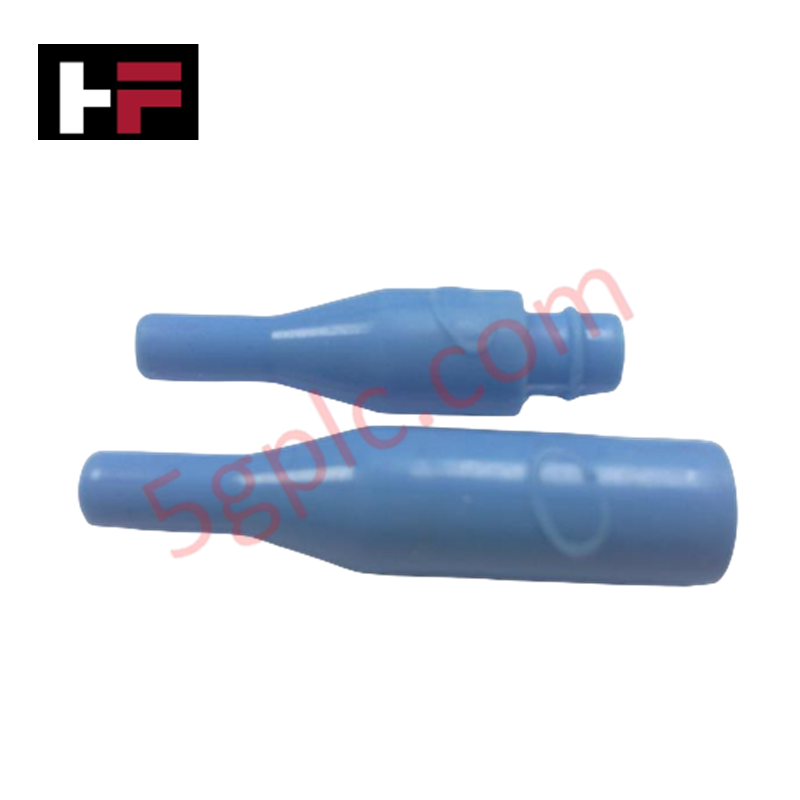
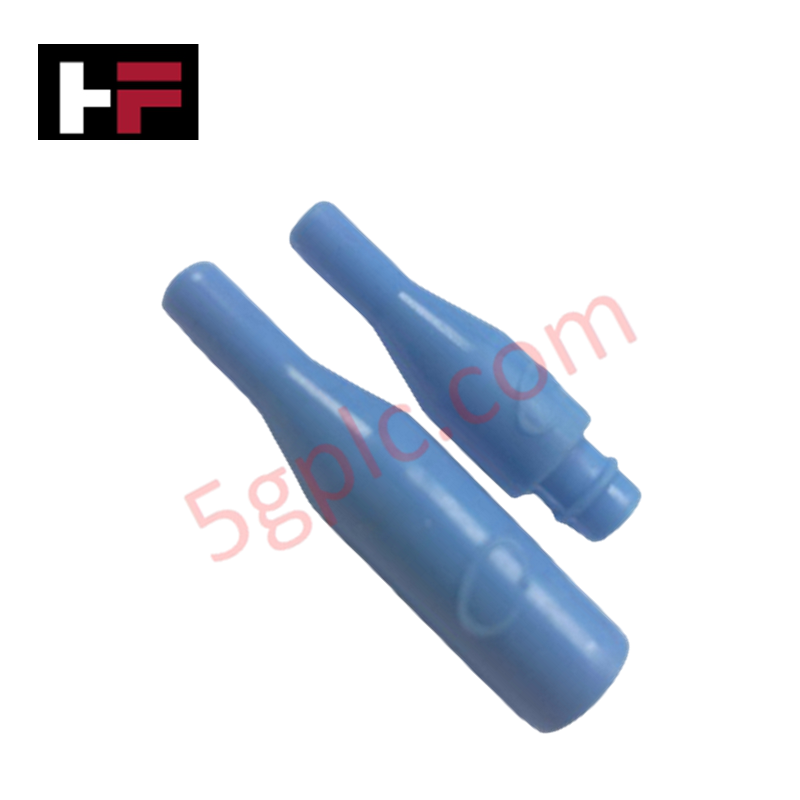
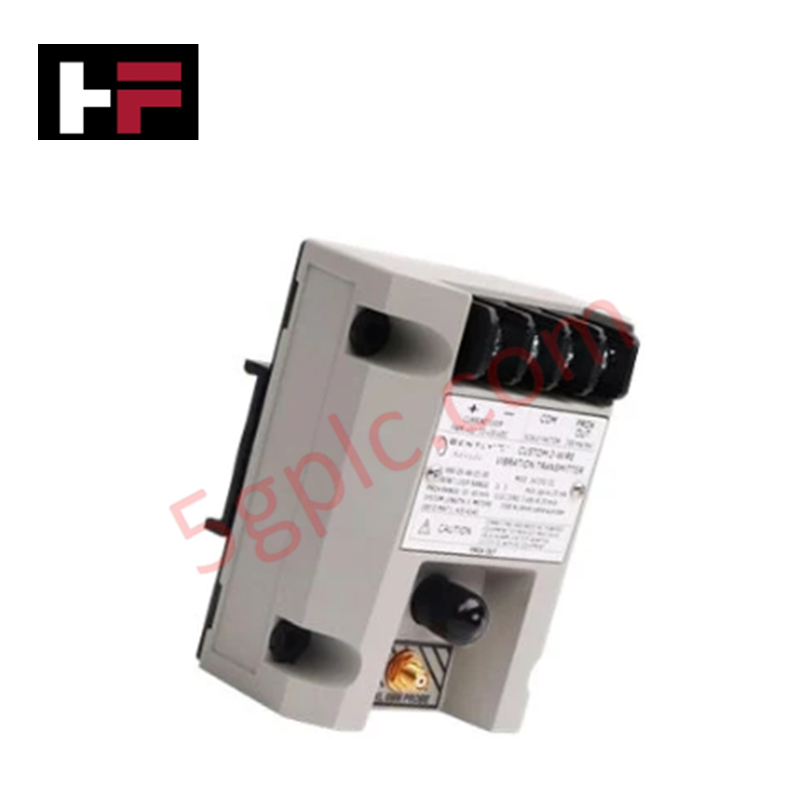
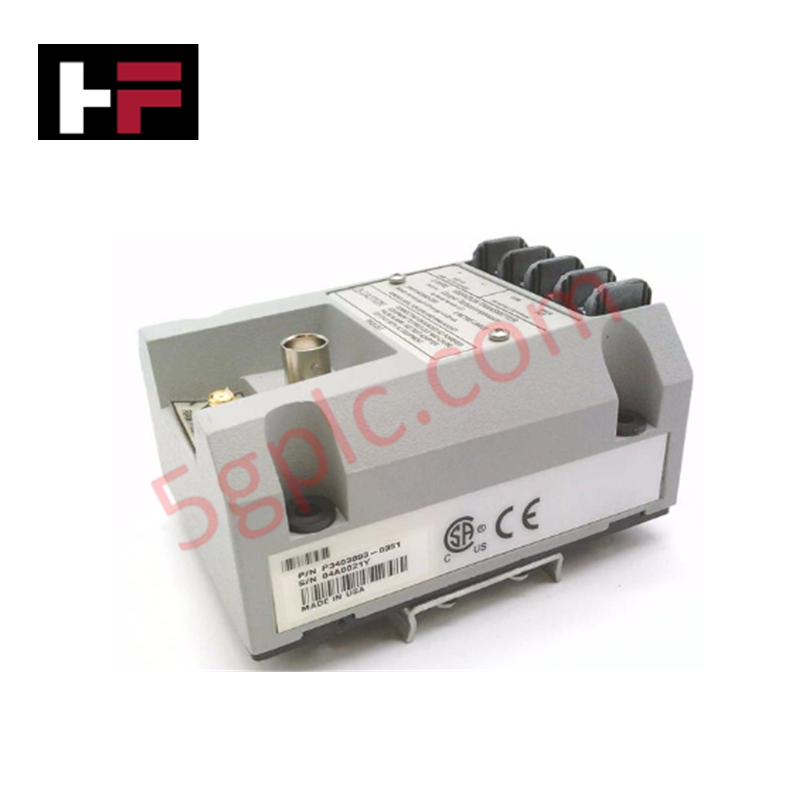
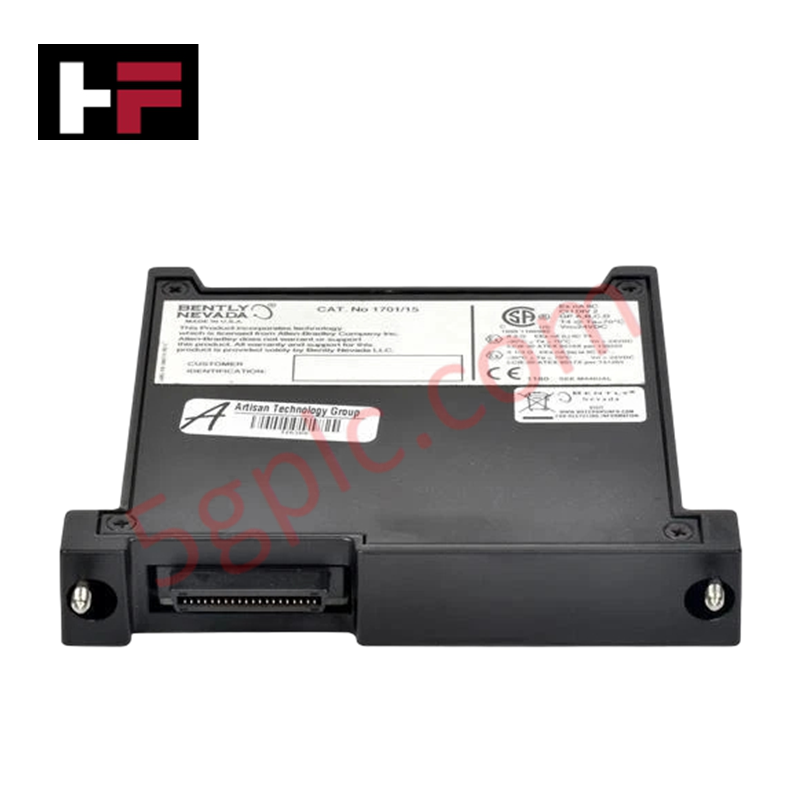
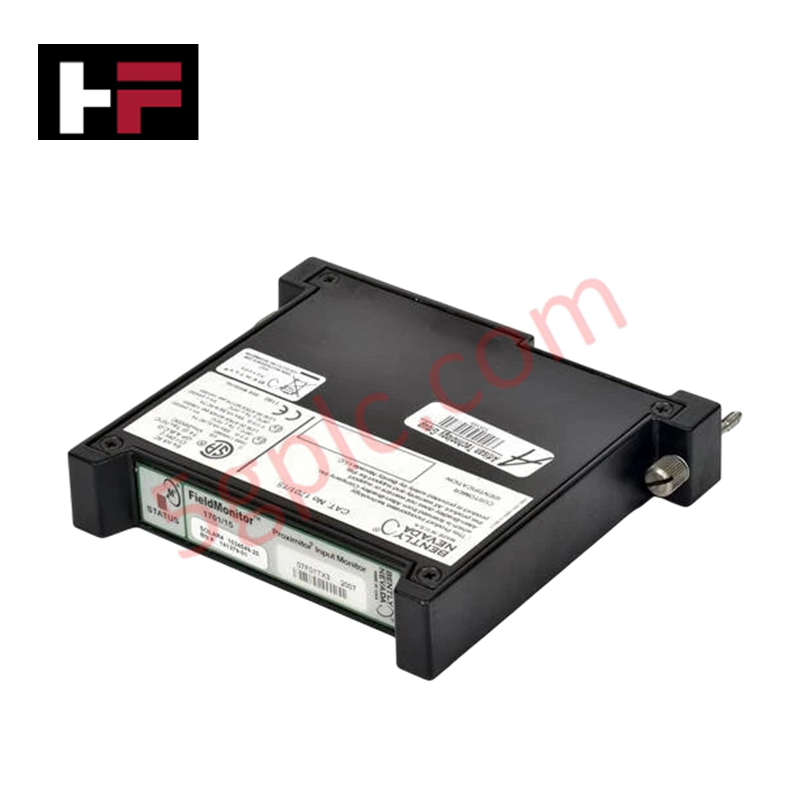
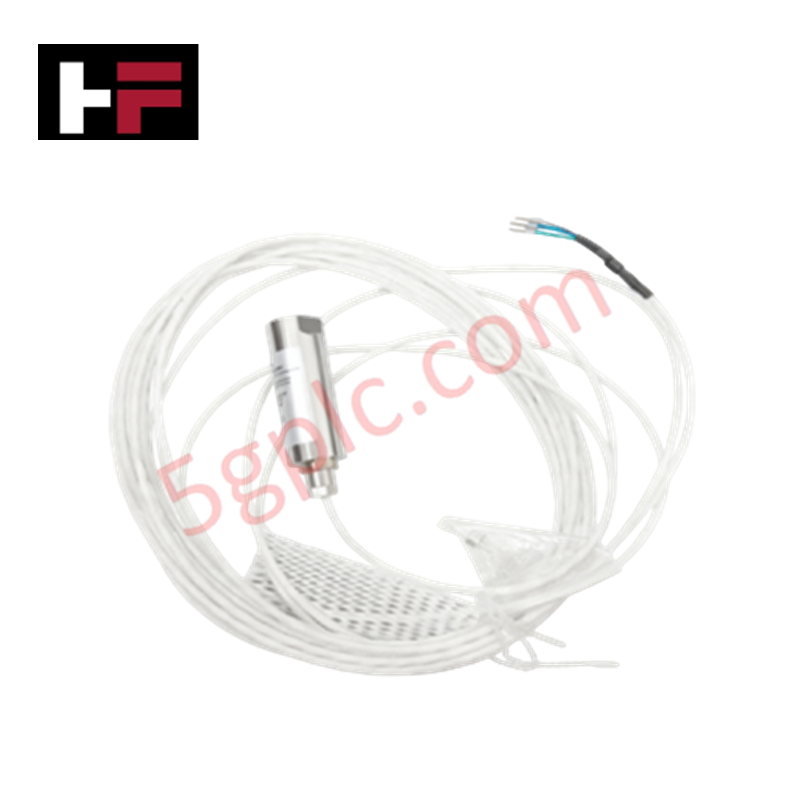
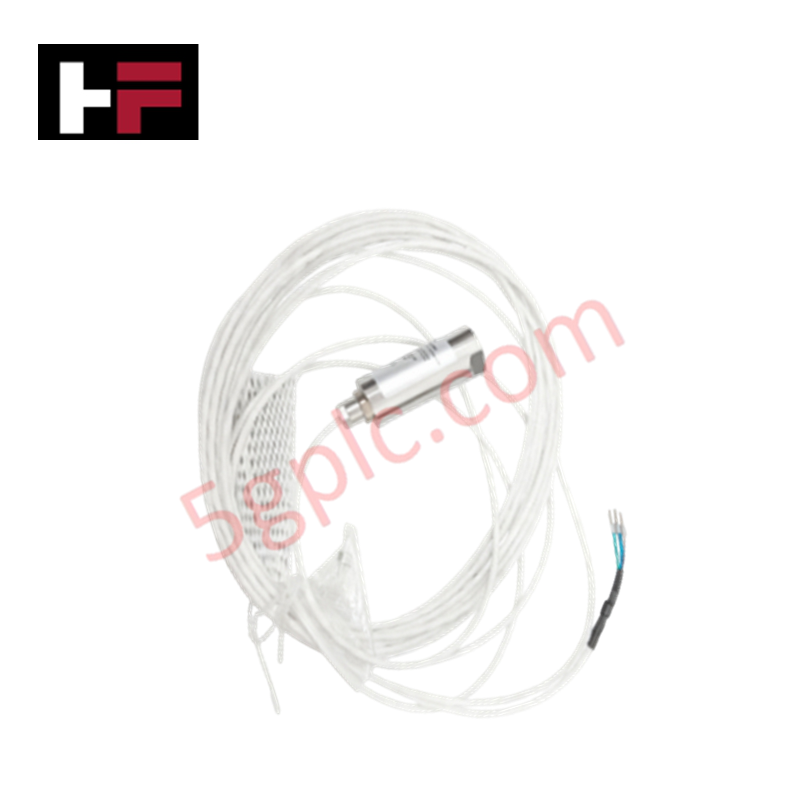
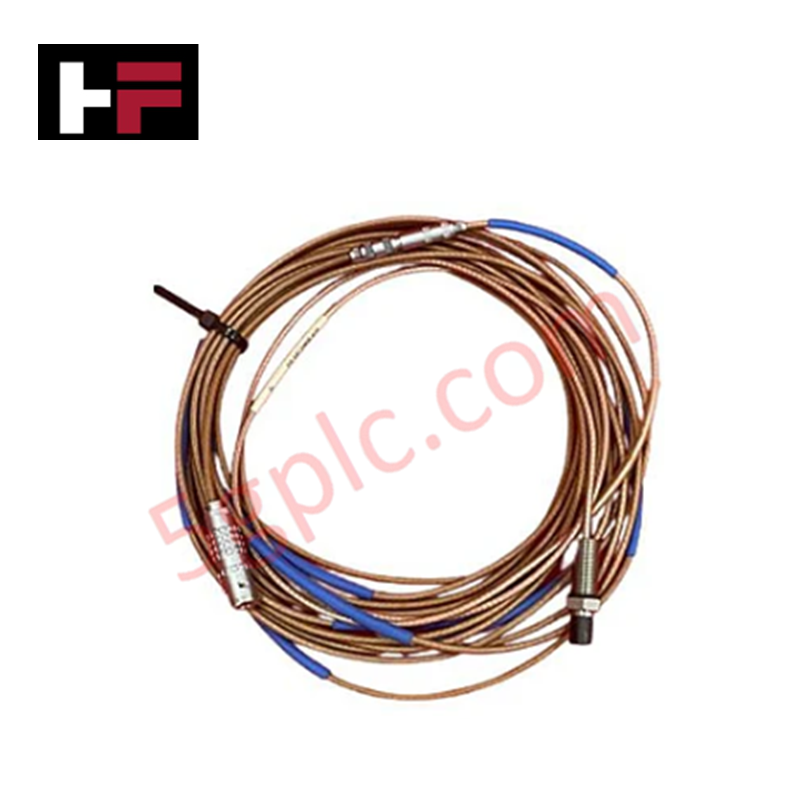
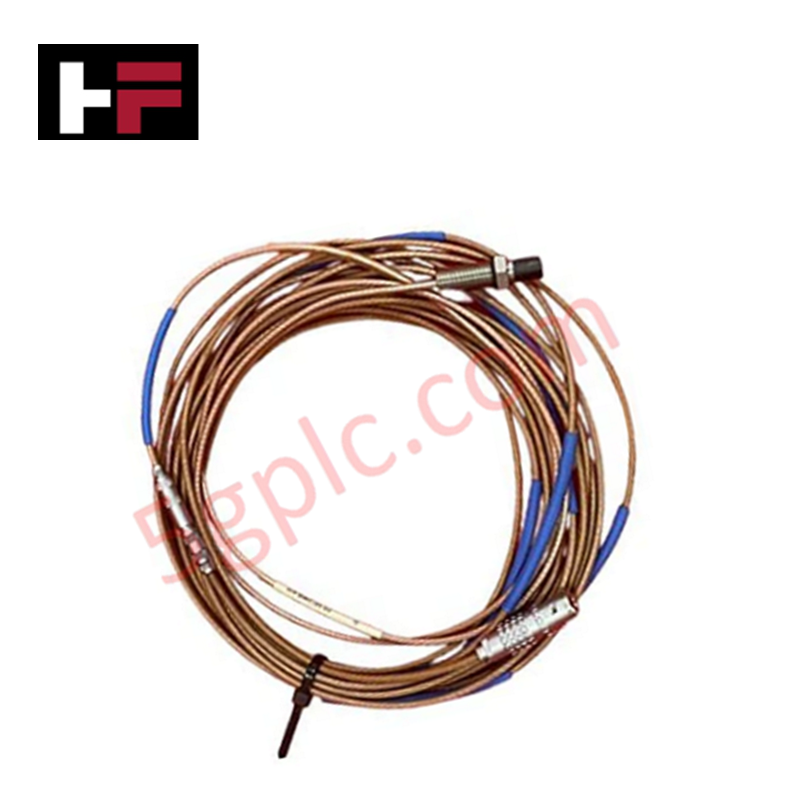
Configured for non-contact shaft vibration and displacement monitoring in turbomachinery protection systems, the Emerson CON021+PR6424/002-130 (CON021 / PR6424 Eddy Current Sensor) provides direct physical/electrical execution. The assembly integrates an inductive eddy-current proximity probe with a matched signal converter to measure microscopic distance variations between the sensing tip and target conductive shaft surfaces. Output voltage scales linearly proportional to gap distance, delivering continuous dynamic displacement measurements directly to continuous machine monitoring processors or rack-mounted protection hardware.
Hardware Specifications
| Parameter | Specification |
|---|---|
| Model | CON021+PR6424/002-130 |
| Brand | Emerson |
| Origin | United States |
| Weight | 0.3 kg |
| Dimensions | 4.1 cm * 15.9 cm * 10.8 cm |
| Operating Temp | -30 to +80 deg C (Signal Converter) / -35 to +180 deg C (Probe) |
| Power Consumption | < 1.2 W (at 24 VDC supply) |
| Transducer Principle | Eddy Current Proximity Sensing |
| Target Material Calibration | 42CrMo4 / AISI 4140 Ferromagnetic Steel |
| Sensitivity / Scale Factor | 8.0 mV/um (200 mV/mil) standard OEM slope |
| Linear Measuring Range | 0.25 mm to 2.25 mm (10 mil to 90 mil) |
Eddy-Current Probe Scaling & Signal Conditioning
The system utilizes precise high-frequency excitation field generation to establish eddy-current probe scaling across target rotor dynamics. The signal conditioning circuitry inside the converter maintains continuous gap voltage validation, maintaining target calibration center-points around -10 VDC static DC bias voltage across standard linear ranges. High-frequency oscillator stability prevents cross-talk suppression failures when multiple PR6424 probes operate within close radial or axial proximity on a single bearing pedestal. Signal distortion remains below critical noise limits over total loop lengths up to maximum rated extension cable boundaries.
Frequently Asked Questions
Q: What is the recommended gap voltage setpoint during static mechanical installation?
A: The sensor installation target gap should be set to yield -10 VDC nominal output at static equilibrium, aligning the transducer at the midpoint of its linear response curve (8.0 mV/um calibration slope).
Q: Does the CON021 signal converter support hot-swapping or live disconnect under power?
A: Live connection of the probe-to-converter RF cable while powered is not recommended due to transient voltage spikes that can offset internal oscillator balancing. Always isolate 24 VDC power before changing physical cabling.
Field Installation Guidelines
Ensure a minimum clearance of 1.5 times the probe tip diameter around the sensing head to prevent side-wall interference from adjacent housing walls or internal mechanical steps. Maintain strict 100% continuous shielding from the probe head to the monitoring cabinet. Connect cable armor/shielding to technical ground at a single isolated point only to avoid ground loops. Ensure cable connectors are torqued finger-tight plus one-quarter turn and sealed against moisture using self-amalgamating silicone tape. Observe minimum cable bend radius limits of 30 mm for standard flexible extension leads during raceway routing.
Additional Information
- 100% Genuine Parts: All products are original and authentic, ensuring reliable industrial performance.
- 30-Day Refund Guarantee: Return any in-stock item within 30 days in original, unopened packaging for a full refund (excluding shipping and fees).
- 12-Month Warranty: Covers defects in materials or workmanship; excludes misuse, normal wear, or unauthorized modifications.
- Worldwide Shipping: We ship via USPS, UPS, FedEx, and DHL. Delivery times vary by country and may be subject to customs or import fees.
- Support & Contact: Technical and warranty assistance is available anytime. Contact us here: Contact.
- Purchase Guidance: Check product specifications and compatibility carefully before ordering to ensure proper application.
Tech & Buying Guide

Transforming Shop Floor Data into Actionable Insights: A Deep Dive into MES
Manufacturing Execution Systems serve as the digital backbone of modern factory floors. Positioned at Level 3 of the ISA-95 automation pyramid, MES links enterprise resource planning with real-time shop floor control systems. Today, industrial operators rely on MES software to bridge operational strategy with physical production execution.

Managed Switch vs. Unmanaged Switch: Industrial Ethernet Architecture

Hot Standby vs. Cold Standby Redundancy in Industrial Automation
System availability determines process safety and productivity in industrial automation. Control engineers deploy redundancy to eliminate single points of failure. This technical guide evaluates Hot Standby vs. Cold Standby architectures, comparing failover speeds, memory sync, cost trade-offs, and field selection criteria.