










Product Details
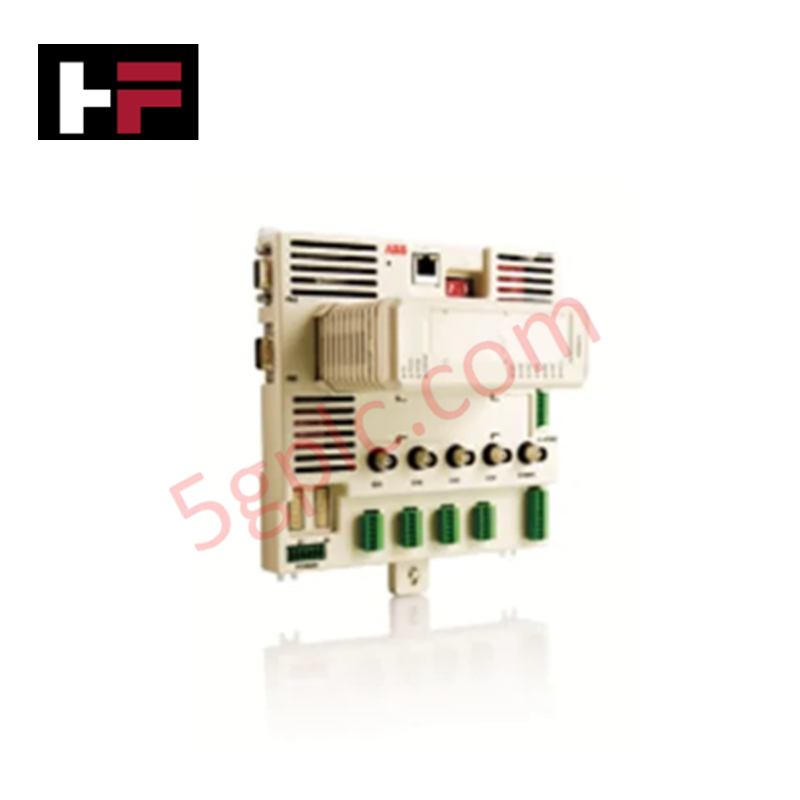
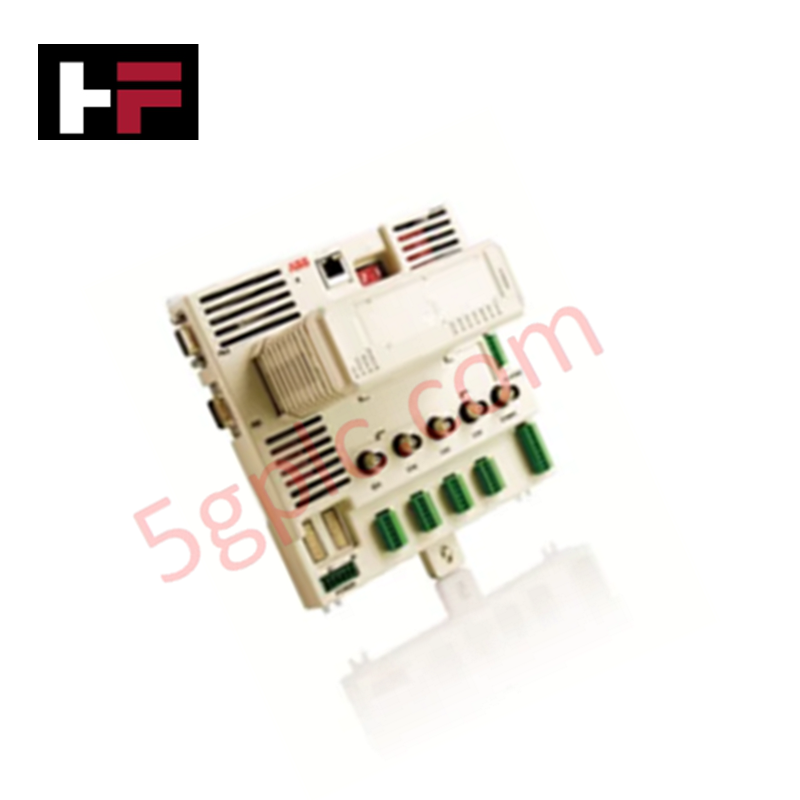
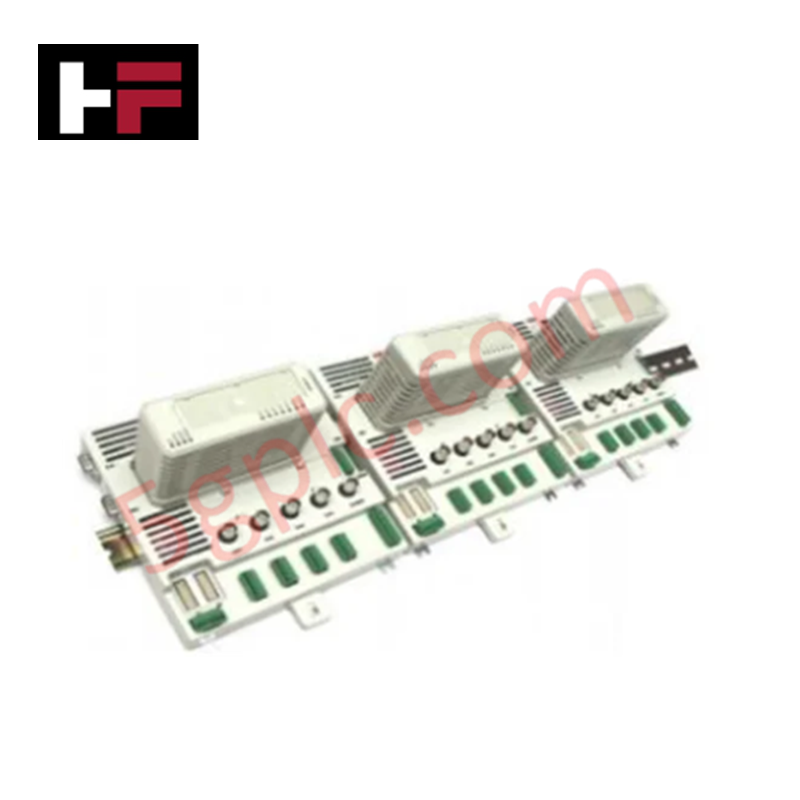
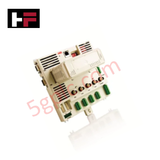
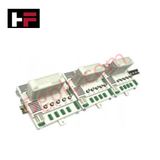
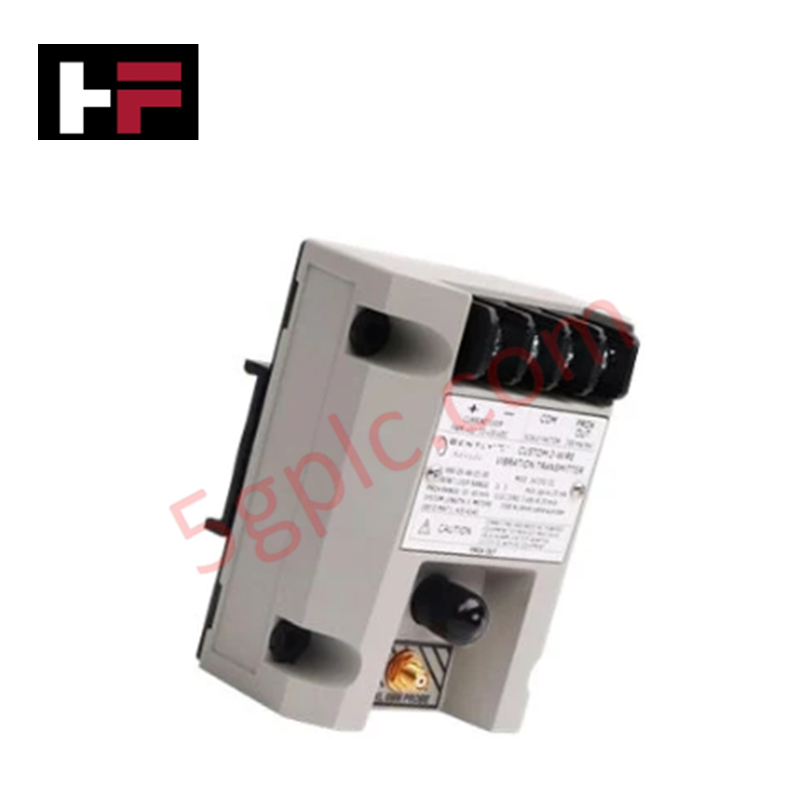
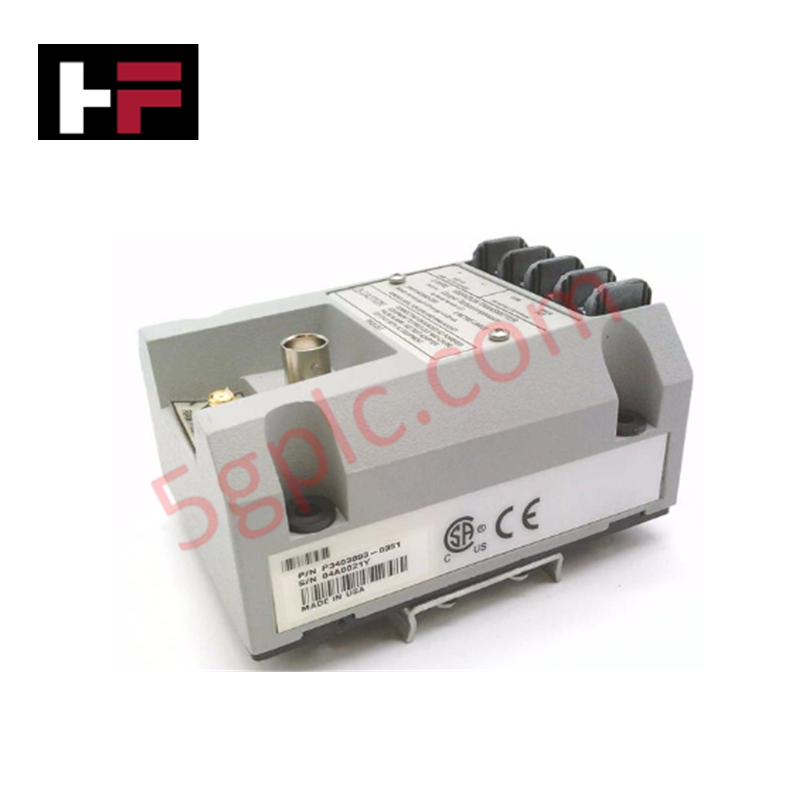
The ABB TBU850, also cataloged as the TBU850 Termination Base Unit, operates as a dedicated hardware component for interfacing field sensor wiring and providing mounting backplane infrastructure within Machinery Condition Monitoring MCM800 platforms.
Hardware Specifications
| Parameter | Specification |
|---|---|
| Model | TBU850 |
| Brand | ABB |
| Origin | Sweden |
| Weight | 1.134 kg net |
| Dimensions | 292.1 mm x 254 mm x 76.2 mm |
| Operating Temp | -20 deg C to +60 deg C nominal |
| Power Consumption | Passive base unit distribution (dependent on hosted modules) |
| Application Target | Machinery Condition Monitoring MCM800 system |
| Battery Type | 1 x Lithium button cell (0.9 g battery weight) |
| WEEE Category | 5. Small Equipment (no external dimension greater than 50 cm) |
Backplane Bus Communication Velocity and I/O Density Scaling
The TBU850 base assembly acts as the foundational pathway managing internal bus link interfaces and local I/O density scaling transitions. The embedded hardware paths route critical dynamic data streams from transient vibration transmitters to central computing units without degrading bus transfer velocity. Integrated shielding matrices across the circuit substrate maintain structural decoupling, providing mitigation against high-frequency trace cross-talk. By fixing structural slots across a single mechanical block, the assembly balances spatial footprint requirements with low-impedance connection stability needed to process dynamic sensor telemetry.
Frequently Asked Questions
Q: How does the internal button cell battery on the TBU850 affect data preservation during unpowered states?
A: The onboard 0.9 g lithium battery provides backplane register bias voltage to retain local hardware node addresses and specific static channel parameters when the primary 24 VDC system source is disconnected. It does not power active diagnostic loops or dynamic sensor conversion logic.
Q: Can modules hosted on the TBU850 be hot-swapped without affecting adjacent slots?
A: Physical insertion and extraction limits depend on the specific MCM800 processor module specifications. The physical trace routing of the base unit protects passive channels from short-circuiting during component changes, but the system configuration must be evaluated to ensure that bus communications do not fault during live extraction.
Field Installation Guidelines
- Mechanical Sub-Panel Assembly: Mount the base frame firmly onto a clean, flat interior rear enclosure plate or structured panel layout. Torque down all corner mounting hardware evenly to prevent mechanical stresses or flexing across the internal bus planes.
- Field Sensor Cable Termination: Strip external signal jacket lines back by approximately 6 mm before securing them into the designated terminal strip channels. Verify that all field screws are securely torqued down to eliminate loose connections or contact resistance anomalies.
- Shield Earthing Protocol: Terminate all incoming sensor cable shields at a single, low-impedance instrument ground bar within the local panel. Do not loop the grounding paths to prevent creating ground loops that can cause signal distortion on vibration measurement channels.
- Thermal Separation and Routing Constraints: Position the base unit to allow unimpeded natural convection airflow across any hosted modules. Route high-voltage AC motor lines and drive cables away from the low-level signal paths to comply with standard electromagnetic separation practices.
Additional Information
- 100% Genuine Parts: All products are original and authentic, ensuring reliable industrial performance.
- 30-Day Refund Guarantee: Return any in-stock item within 30 days in original, unopened packaging for a full refund (excluding shipping and fees).
- 12-Month Warranty: Covers defects in materials or workmanship; excludes misuse, normal wear, or unauthorized modifications.
- Worldwide Shipping: We ship via USPS, UPS, FedEx, and DHL. Delivery times vary by country and may be subject to customs or import fees.
- Support & Contact: Technical and warranty assistance is available anytime. Contact us here: Contact.
- Purchase Guidance: Check product specifications and compatibility carefully before ordering to ensure proper application.
Tech & Buying Guide

Transforming Shop Floor Data into Actionable Insights: A Deep Dive into MES
Manufacturing Execution Systems serve as the digital backbone of modern factory floors. Positioned at Level 3 of the ISA-95 automation pyramid, MES links enterprise resource planning with real-time shop floor control systems. Today, industrial operators rely on MES software to bridge operational strategy with physical production execution.

Managed Switch vs. Unmanaged Switch: Industrial Ethernet Architecture

Hot Standby vs. Cold Standby Redundancy in Industrial Automation
System availability determines process safety and productivity in industrial automation. Control engineers deploy redundancy to eliminate single points of failure. This technical guide evaluates Hot Standby vs. Cold Standby architectures, comparing failover speeds, memory sync, cost trade-offs, and field selection criteria.