











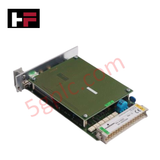
Product Details
Product Overview
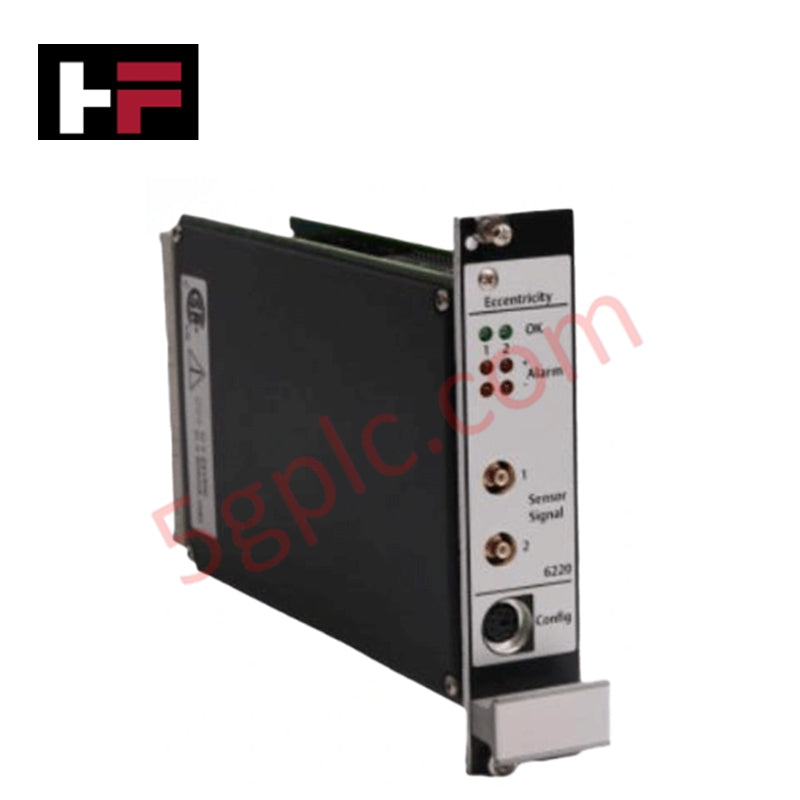
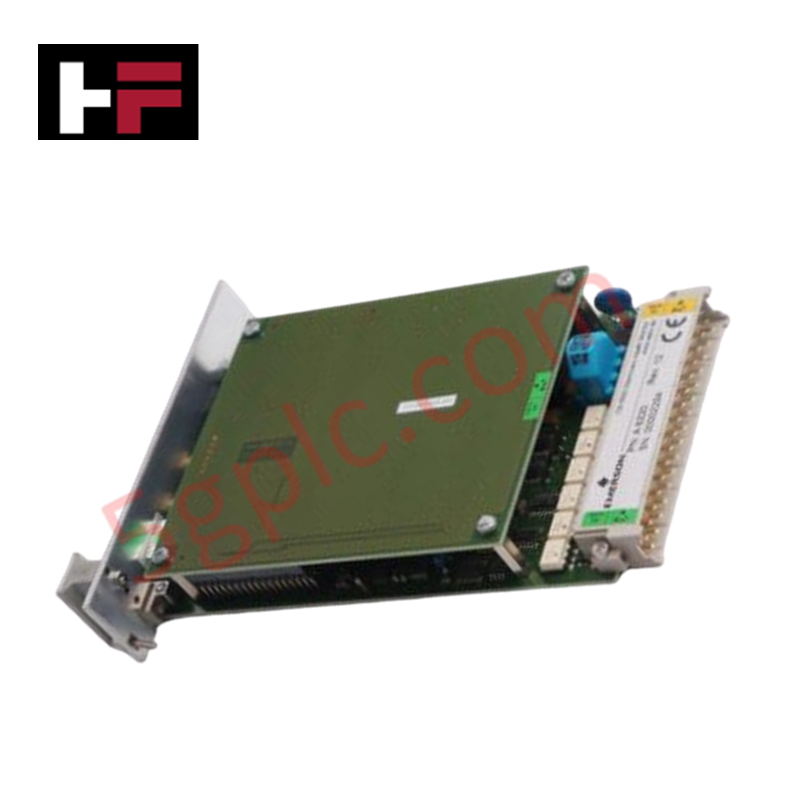
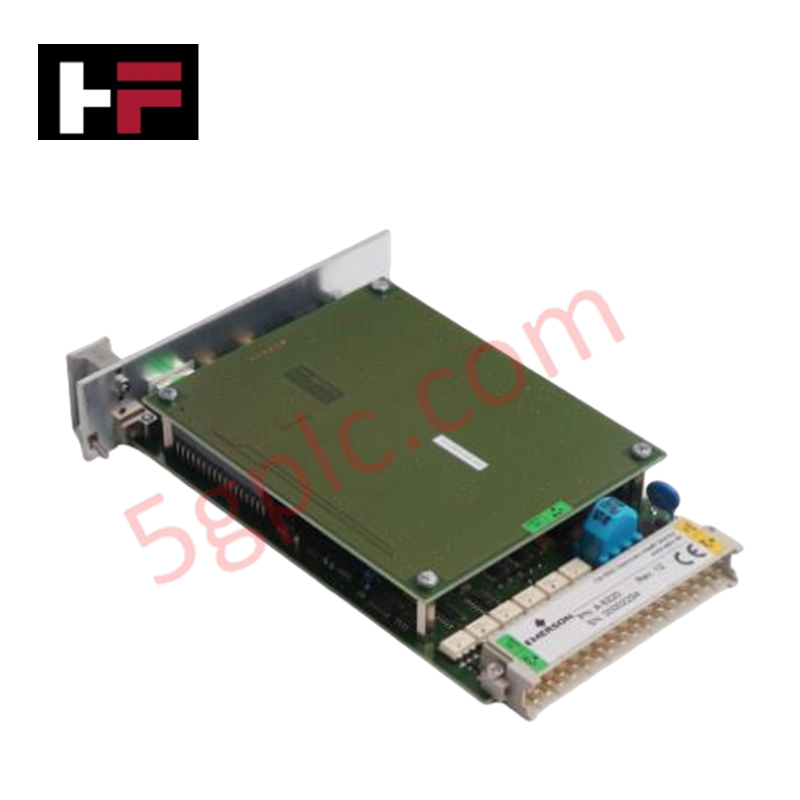
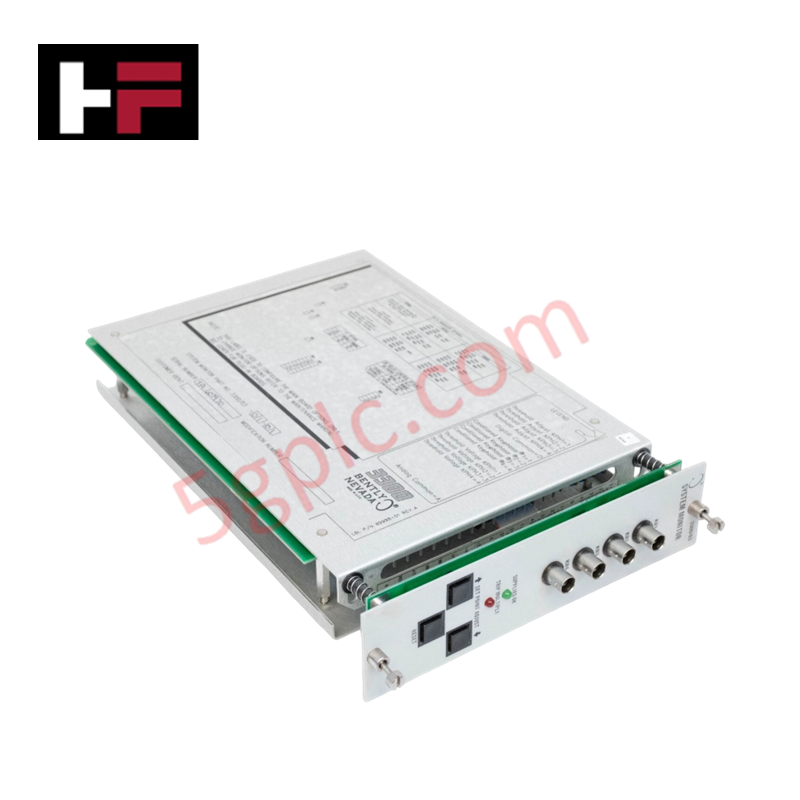
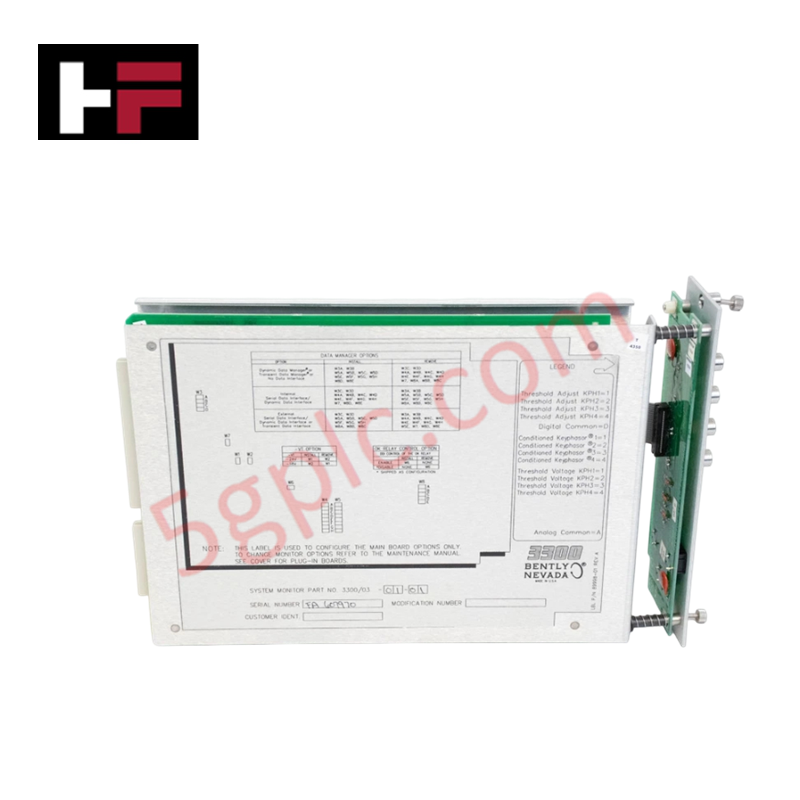
The Emerson A6220 performs specialized shaft eccentricity monitoring within the AMS 6500 Machinery Health Monitor framework. It tracks the mechanical bow or thermal warp of large turbine shafts during startup and coast-down phases, preventing catastrophic metal-to-metal contact. This module integrates seamlessly into API 670 compliant protection strategies. We supply this unit as 100% Brand New and Original, ensuring your critical rotating assets remain protected by factory-certified hardware.
Technical Specifications
The A6220 utilizes high-impedance inputs and galvanic isolation to maintain signal purity in electrically noisy power plant environments.
| Feature | Specification Details |
| Input Channels | Two independent eddy current/differential inputs |
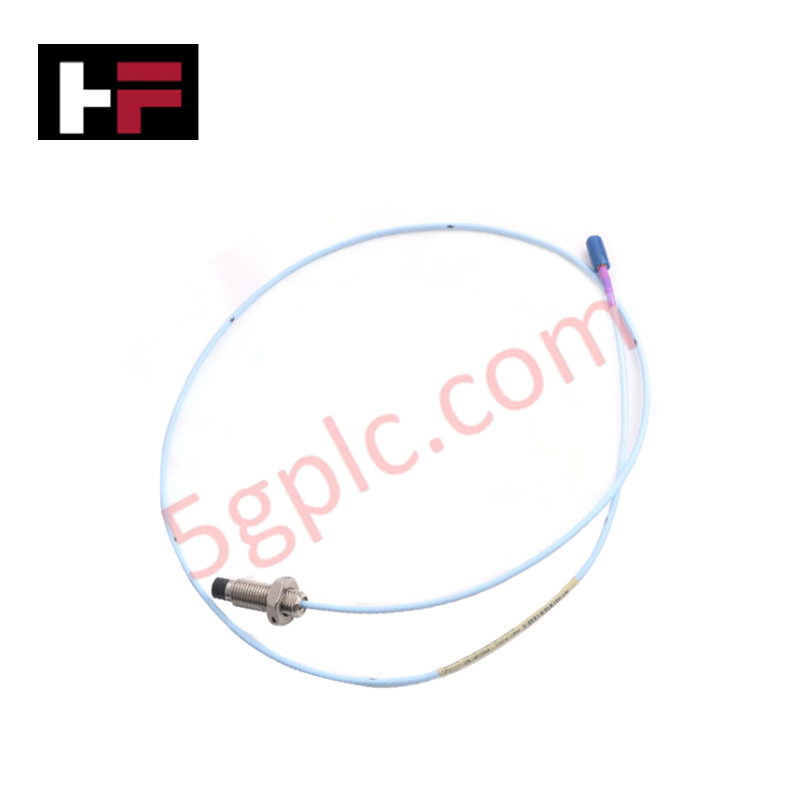
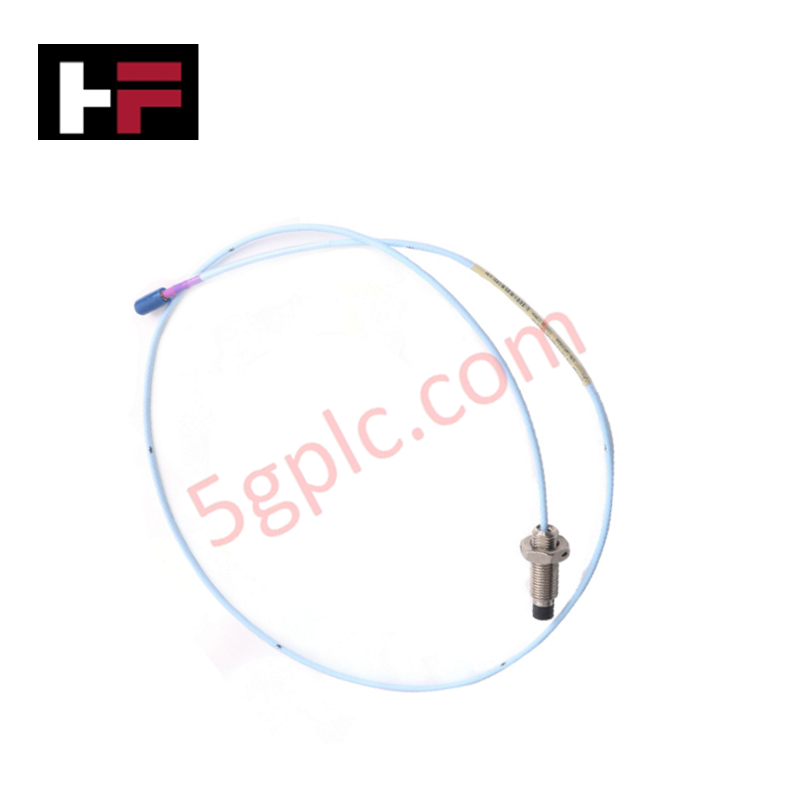
| Sensor Compatibility | Emerson Part Numbers 6422, 6423, 6424, 6425 |
| Frequency Range | 0.017 Hz to 70 Hz (102 to 4200 rpm) |
| Input Voltage Range | -1 to -23 VDC |
| Measuring Range | 0-400 mVpeak (Min) to 0-8000 mVpeak (Max) |
| Isolation | Galvanically separated from power supply |
| Sensor Power | Nominal -26.7 VDC; 20mA (Max 35mA); Short-circuit proof |
| Buffered Outputs | Front panel access: -1 to -24V; Freq. range 0-16 kHz |
| Configuration | RS-232 via Mini DIN Configuration Socket |
Engineering Advantages
-
Ultra-Low Frequency Tracking: The A6220 monitors frequencies as low as 0.017 Hz. This capability allows the system to detect shaft eccentricity during the turning gear phase, long before the turbine reaches operational speed.
-
Galvanic Noise Rejection: Galvanic separation between the inputs and the system power supply eliminates ground loops. This architecture ensures that high-voltage machinery environments do not corrupt the sensitive millivolt-level vibration signals.
-
Hot-Configurable Flexibility: The module supports "Hot Configuration" via the front Mini DIN socket. Engineers can adjust measuring ranges, units, and sensor sensitivity while the rack remains powered, requiring only a 60-second settling time for the new parameters to take effect.
-
Real-Time Visual Diagnostics: Dedicated LEDs provide immediate status updates. Two Green LEDs confirm channel health (OK), while four Red LEDs signal Alert and Danger levels independently for each channel, facilitating rapid walk-by inspections.
-
Analysis Versatility: The module executes multiple measurement modes simultaneously, including Peak-to-Peak, Min/Max measurement, and continuous gap measurement, providing a 360-degree view of shaft behavior.
FAQs
Q: Does the A6220 package include the configuration software?
A: No, the module requires the Emerson AMS 6500 configuration software suite, typically sold separately or pre-installed on your system rack's interface. We supply the Brand New hardware module, which includes the RS-232 Mini DIN port for immediate connection.
Q: Can I use the A6220 to monitor standard shaft vibration?
A: While the A6220 shares similarities with vibration modules, it specifically optimizes for Eccentricity (peak-to-peak displacement at low speeds). For standard high-frequency shaft vibration, we recommend using the A6110 module; however, both reside within the same AMS 6500 rack architecture.
Q: What is the purpose of the handle on the front of the module?
A: The integrated handle serves two functional roles: it allows for the easy mechanical extraction of the card from the rack and provides a physical surface for labeling module and sensor identification, essential for maintaining organization in high-density 19-inch racks.
Q: Does this module support non-Emerson eddy current probes?
A: The A6220 specifically targets Emerson 6422-6425 series sensors. While it accepts standard -1 to -23 VDC signals, using factory-original Emerson sensors ensures the linearity and sensitivity settings (Configurable via software) match the module's expected input impedance of >100 kΩ.
Additional Information
- 100% Genuine Parts: All products are original and authentic, ensuring reliable industrial performance.
- 30-Day Refund Guarantee: Return any in-stock item within 30 days in original, unopened packaging for a full refund (excluding shipping and fees).
- 12-Month Warranty: Covers defects in materials or workmanship; excludes misuse, normal wear, or unauthorized modifications.
- Worldwide Shipping: We ship via USPS, UPS, FedEx, and DHL. Delivery times vary by country and may be subject to customs or import fees.
- Support & Contact: Technical and warranty assistance is available anytime. Contact us here: Contact.
- Purchase Guidance: Check product specifications and compatibility carefully before ordering to ensure proper application.
Tech & Buying Guide
Redundant Automation Systems: Ensuring Continuous Uptime in Critical Control Infrastructure
System reliability directly determines operational profitability across high stakes process industries. Modern industrial automation platforms must eliminate single points of failure to prevent catastrophic shutdowns. Deploying fault tolerant architecture safeguards complex facilities against unexpected hardware glitches, network disruptions, and maintenance outages.

Understanding Types of Noise in Electronic Circuits and Control Systems
Signal integrity directly determines measurement accuracy and loop stability across industrial automation environments. Electronic noise introduces unwanted stochastic interference into analog loops, sensor feedback lines, and digital fieldbus networks. Understanding how intrinsic electronic noise and external electromagnetic interference manifest allows control engineers to optimize signal conditioning and shield sensitive instrumentation effectively.

Why 24V DC Power Supplies Standardize Modern Industrial Automation
Industrial control cabinets worldwide rely on 24V DC as the universal power standard for field instrumentation, sensors, and controllers. Walk into any manufacturing plant, and you will find PLCs, human-machine interfaces (HMIs), and smart actuators running on extra-low voltage DC. Standardizing on 24V DC enhances operational safety, lowers cabinet footprint, and maintains steady control performance across factory networks.