










Product Details
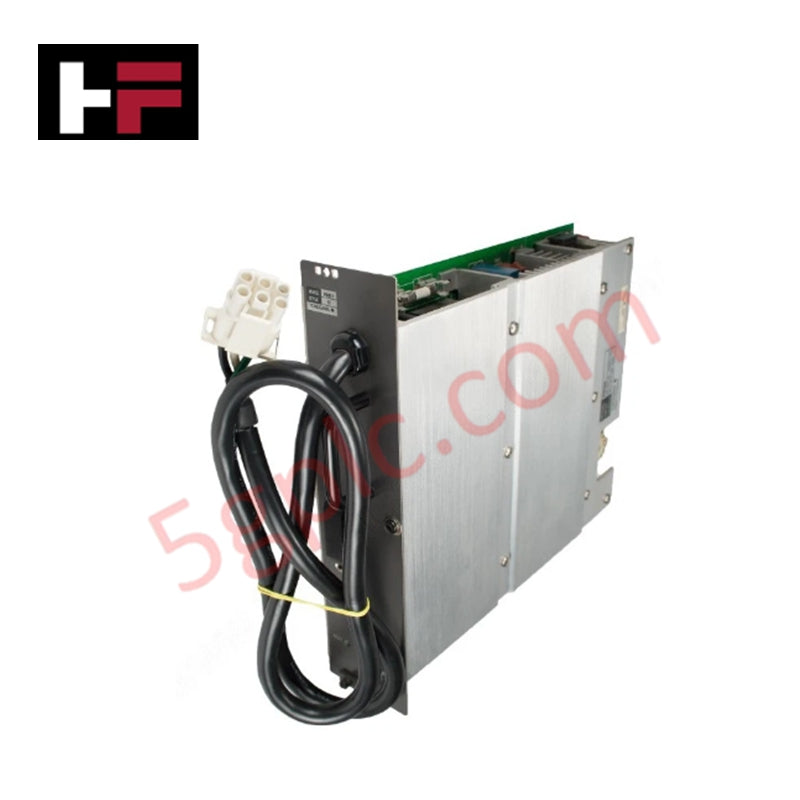
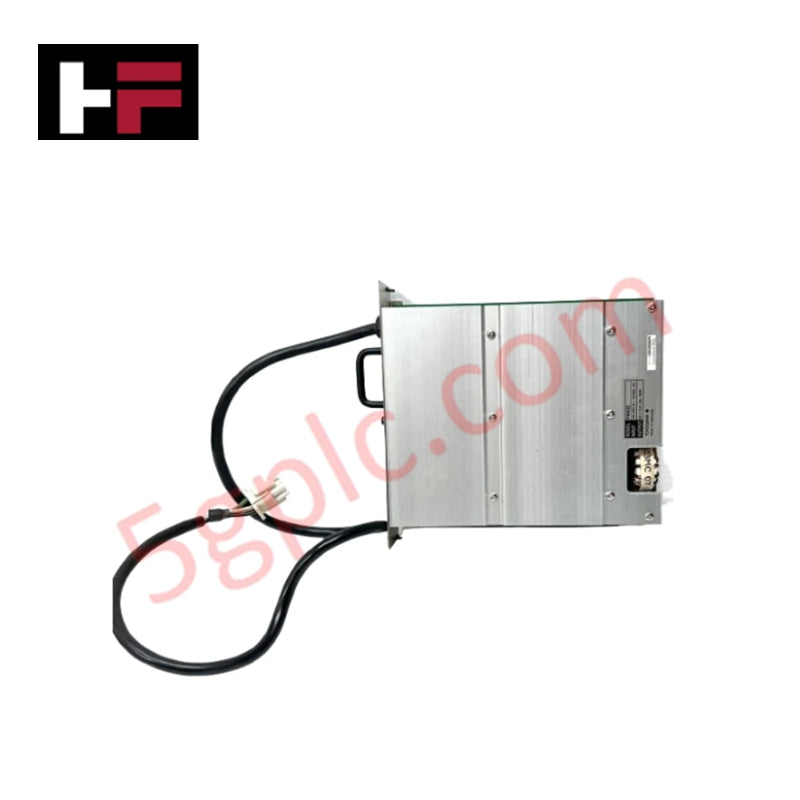
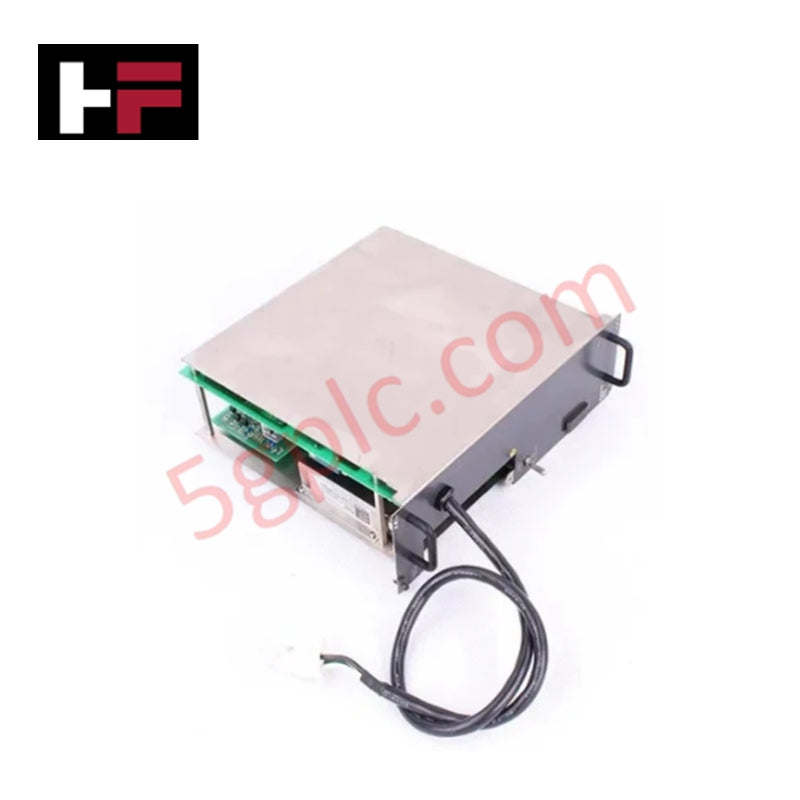
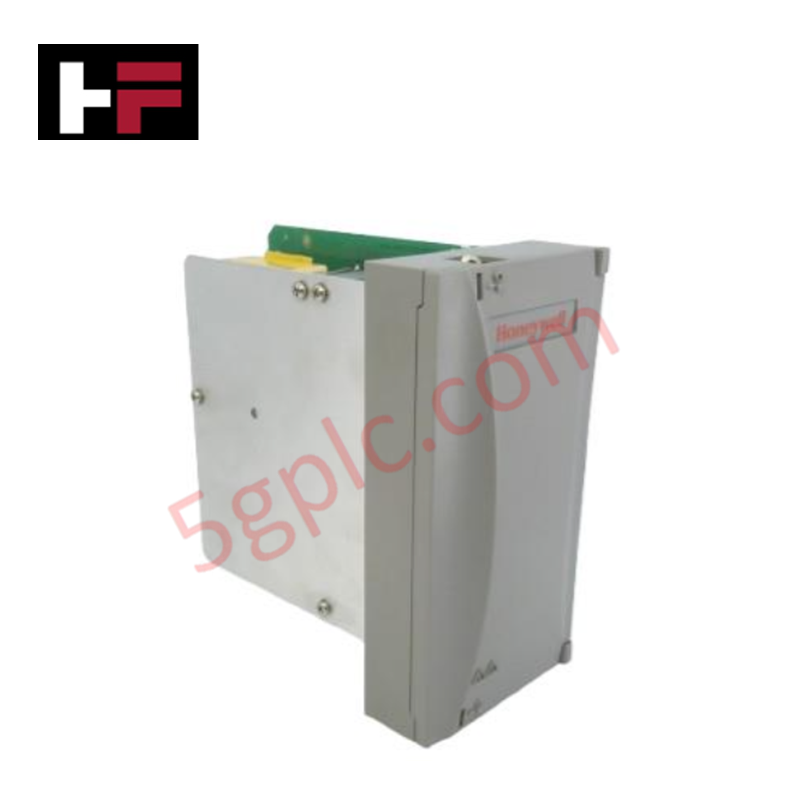
The Yokogawa PW301 S3, also cataloged as the PW301 Industrial Power Supply Module, operates as a dedicated hardware component for converting AC grid power into regulated DC bus voltage within CENTUM VP and ProSafe-RS control racks.
Hardware Specifications
| Parameter | Specification |
|---|---|
| Model | PW301-S3 |
| Brand | Yokogawa |
| Origin | Japan |
| Input Voltage Range | 100-240 V AC |
| Output Voltage | 24 V DC |
| Maximum Output Current | Up to 5 A |
| Efficiency | Typically 90% |
| Ripple Voltage | Less than 1 mV RMS |
| Mounting Type | DIN rail |
| Dimensions | 279 mm x 102 mm x 279 mm |
| Weight | 3.3 kg |
| Operating Temp | -10 to +50 deg C |
| Power Consumption | 100-240 V AC input conversion (passive cooling) |
Yokogawa Channel-to-Channel Isolation & Power Distribution
Yokogawa system power architecture relies on tight output voltage stability and isolation boundaries to preserve downstream component life. The 24 V DC rail output maintains low ripple noise (less than 1 mV RMS) to prevent signal jitter on sensitive 4-20 mA HART loop protocol channels and analog I/O modules. Integrated overvoltage, overcurrent, and short-circuit protection circuits maintain channel-to-channel isolation parameters and guard system backplanes against grid line transients.
Frequently Asked Questions
Q: How does the PW301 S3 respond to downstream short-circuit conditions on the 24 V DC load side?
A: The module activates internal overcurrent and short-circuit protection, limiting fault current and recovering output voltage once the external fault condition is cleared.
Q: What cooling mechanisms are required when mounting the PW301 S3 in enclosed DCS cabinets?
A: The module relies on passive cooling via heat dissipation fins. Maintain standard clearance around the unit inside the rack to ensure vertical airflow without requiring external fans.
Field Installation Guidelines
Mount the module securely onto the cabinet DIN rail assembly, verifying proper mechanical latch engagement. Ensure input AC supply lines (100-240 V AC) and output 24 V DC distribution cables strictly observe polarity markings. Connect the chassis protective earth ground terminal directly to the enclosure main earth busbar using low-impedance copper grounding straps.
Additional Information
- 100% Genuine Parts: All products are original and authentic, ensuring reliable industrial performance.
- 30-Day Refund Guarantee: Return any in-stock item within 30 days in original, unopened packaging for a full refund (excluding shipping and fees).
- 12-Month Warranty: Covers defects in materials or workmanship; excludes misuse, normal wear, or unauthorized modifications.
- Worldwide Shipping: We ship via USPS, UPS, FedEx, and DHL. Delivery times vary by country and may be subject to customs or import fees.
- Support & Contact: Technical and warranty assistance is available anytime. Contact us here: Contact.
- Purchase Guidance: Check product specifications and compatibility carefully before ordering to ensure proper application.



Tech & Buying Guide

Master Acceptance Testing: Understanding FAT and SAT in Industrial Control Systems
Factory Acceptance Testing (FAT) and Site Acceptance Testing (SAT) serve as critical quality assurance gateways in complex industrial control systems. Both procedures verify that programmable logic controllers (PLCs), distributed control systems (DCS), and associated field devices meet strict functional specifications. However, executing these tests effectively requires clear delineation between off-site staging and final field commissioning.

Industrial Networking Essentials: Demystifying Hubs, Switches, and Routers in Control Systems
Industrial automation relies heavily on robust networking infrastructure to connect programmable logic controllers (PLCs), distributed control systems (DCS), and human-machine interfaces (HMIs). Modern factory automation environments generate vast amounts of real-time operational data across deterministic networks. Understanding the structural differences between hubs, switches, and routers ensures optimal traffic segmentation, minimizes latency, and maintains high network availability.

Safety Relays in Industrial Automation: Fundamentals, Design Standards, and Fail-Safe Architecture
Safety relays form the bedrock of functional safety in modern factory automation, preventing catastrophic equipment failure and protecting plant personnel. While standard electromechanical relays handle basic load switching, they lack the redundant diagnostics required for high-risk industrial environments. Modern industrial automation platforms—including programmable logic controllers (PLCs) and distributed control systems (DCS)—rely on specialized safety relays to monitor field devices and isolate hazards instantly.