













Product Details
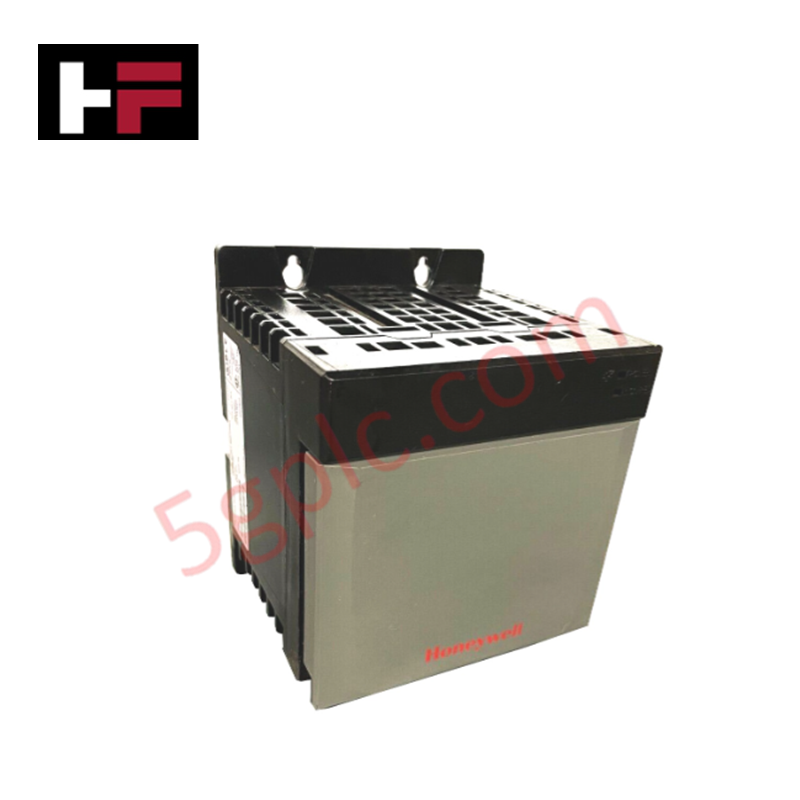
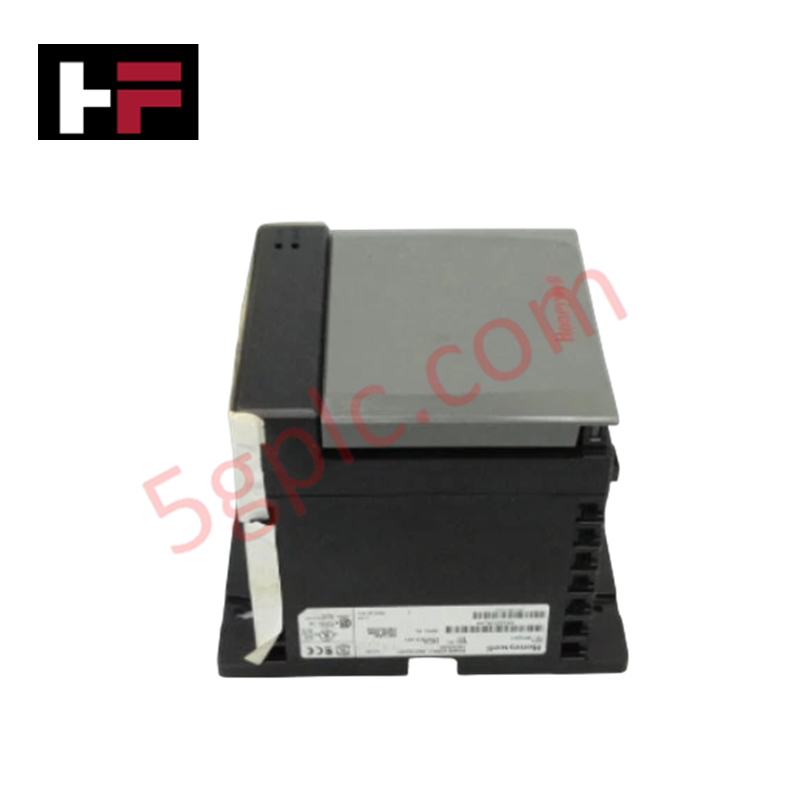
Configured for primary AC power conversion and multi-rail DC backplane power distribution in Honeywell Experion C300 chassis systems, the Honeywell TK-RPCXX1 (TK-RPCXX1 Power Supply Module) provides direct physical/electrical execution. Operating with an input voltage range of 85 to 265 VAC at 47 to 63 Hz, the module handles up to 110 W input power with a maximum inrush current of 20 A. The unit delivers a total power output of 75 W at 60 deg C, providing regulated DC rails of 1.5 A at 1.2 V, 4 A at 3.3 V, 13 A at 5.1 V, and 2.8 A at 24.0 V directly to the system backplane.
Hardware Specifications
| Parameter | Specification |
|---|---|
| Model | TK-RPCXX1 |
| Brand | Honeywell |
| Origin | USA |
| Weight | 1.10 kg (2.50 lbs) / Shipping: 2.00 kg |
| Dimensions | 14.4 cm x 13.7 cm x 17.5 cm (5.67 in x 5.39 in x 6.89 in) |
| Operating Temp | Up to +60 deg C full rating |
| Power Consumption | Input: 110 W (110 VA) / Max Output: 75 W at 60 deg C |
| Input Voltage Range | 85 to 265 VAC (47 to 63 Hz) |
| Inrush Current | 20 A maximum |
| Backplane Output Current | 1.5 A at 1.2 V / 4 A at 3.3 V / 13 A at 5.1 V / 2.8 A at 24.0 V |
| Input Power Wiring | #14 AWG (1.4 mm) |
| Annunciation Connection | Solid-state relay rated for 120 VAC/DC at 100 mA maximum |
| Redundant Cable Model | TC-RPSC03 (3 ft, optional redundant power supply cable) |
4-20 mA HART Loop Protocol & Channel-to-Channel Isolation
The TK-RPCXX1 integrates power conversion stages that decouple high-voltage AC mains from sensitive analog I/O conditioning circuits. When supplying power to downstream analog I/O modules operating on 4-20 mA HART loop protocol networks, the module provides regulated, low-noise 24 VDC bus lines. Internal switching filters suppress ripple and line-side noise, maintaining strict channel-to-channel isolation parameters and preventing potential cross-channel interference across process field loops.
Frequently Asked Questions
Q: What size conductor is specified for the AC input power terminal connections on the TK-RPCXX1?
A: The AC input power connections require #14 AWG (1.4 mm) wire to ensure compliance with thermal and current carrying capacity specifications.
Q: How is status fault monitoring handled by the module hardware?
A: The module includes a solid-state relay output connection rated for 120 VAC/DC at 100 mA maximum, designed for external diagnostic annunciation upon detecting power loss or output fault conditions.
Field Installation Guidelines
- Mount the module upright directly above or below the target chassis to allow proper natural convection airflow across cooling vents.
- Strip #14 AWG input conductors to specification and torque terminal screws securely to ensure reliable low-resistance electrical contacts.
- If implementing redundant power supply configurations, connect the optional TC-RPSC03 cable assembly between the primary module and backup unit.
- Verify overall system safety ground continuity from the module frame ground stud to the main cabinet earth bar before applying AC line voltage.
Additional Information
- 100% Genuine Parts: All products are original and authentic, ensuring reliable industrial performance.
- 30-Day Refund Guarantee: Return any in-stock item within 30 days in original, unopened packaging for a full refund (excluding shipping and fees).
- 12-Month Warranty: Covers defects in materials or workmanship; excludes misuse, normal wear, or unauthorized modifications.
- Worldwide Shipping: We ship via USPS, UPS, FedEx, and DHL. Delivery times vary by country and may be subject to customs or import fees.
- Support & Contact: Technical and warranty assistance is available anytime. Contact us here: Contact.
- Purchase Guidance: Check product specifications and compatibility carefully before ordering to ensure proper application.


Tech & Buying Guide

Understanding PLC Digital Output Types: Relay, Transistor, and Triac Explained
Programmable Logic Controllers (PLCs) form the backbone of modern industrial automation systems. They interface directly with field devices such as solenoid valves, indicator lights, motor starters, and interposing relays. Selecting the correct digital output module ensures high system availability and long hardware service life.

Understanding VFD Mechanical Brake Logic and Control in Industrial Automation
Variable Frequency Drives (VFDs) play a crucial role in modern industrial automation by controlling motor speed, torque, and acceleration. However, high-inertia loads and vertical lifting systems require precise mechanical braking logic to ensure operational safety and prevent equipment damage.

Why Programmable Logic Controllers Drop into Stop Mode: An Expert Analysis
Industrial automation systems rely heavily on Programmable Logic Controllers (PLCs) to maintain uninterrupted production. When a PLC unexpectedly shifts from Run to Stop mode, whole manufacturing lines stall.
As control systems evolve across modern factory automation, understanding the root causes of these interruptions helps engineers minimize costly downtime. This technical guide breaks down why PLCs trip into Stop mode and provides practical strategies to mitigate system faults.