










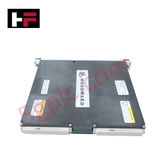
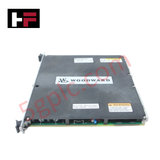
Product Details
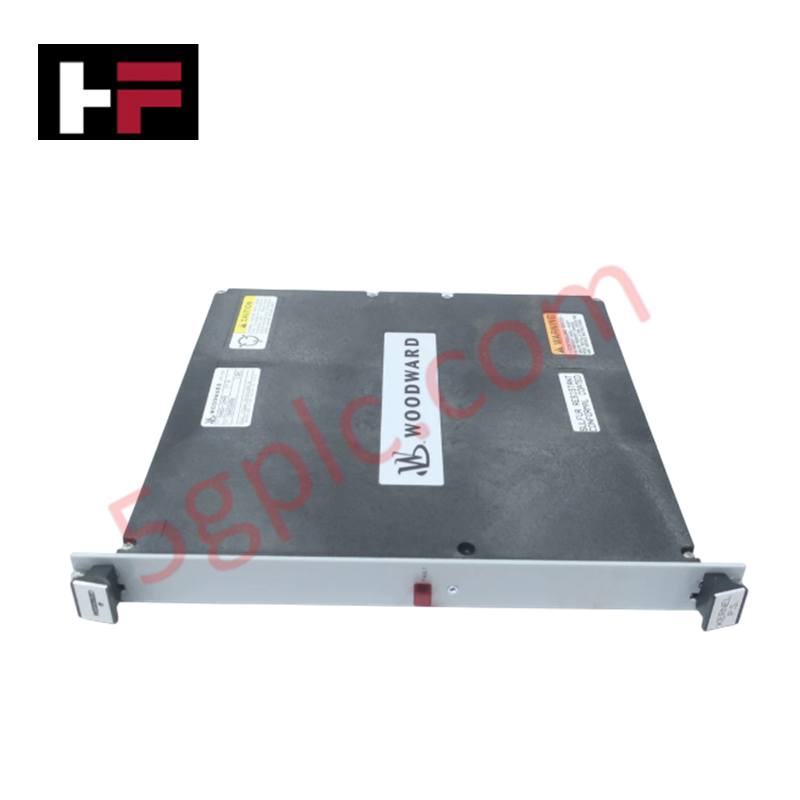
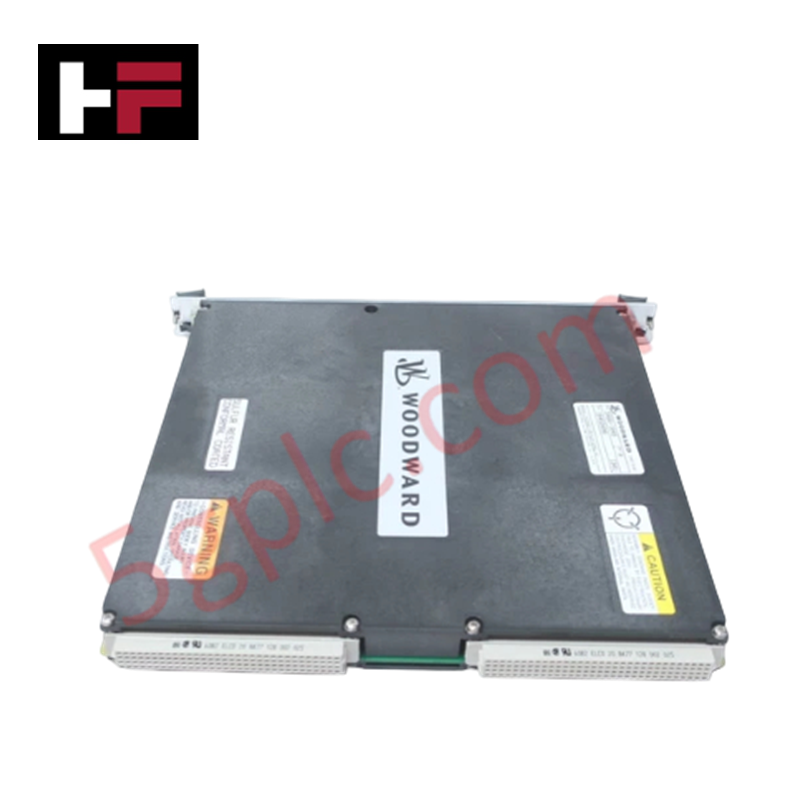
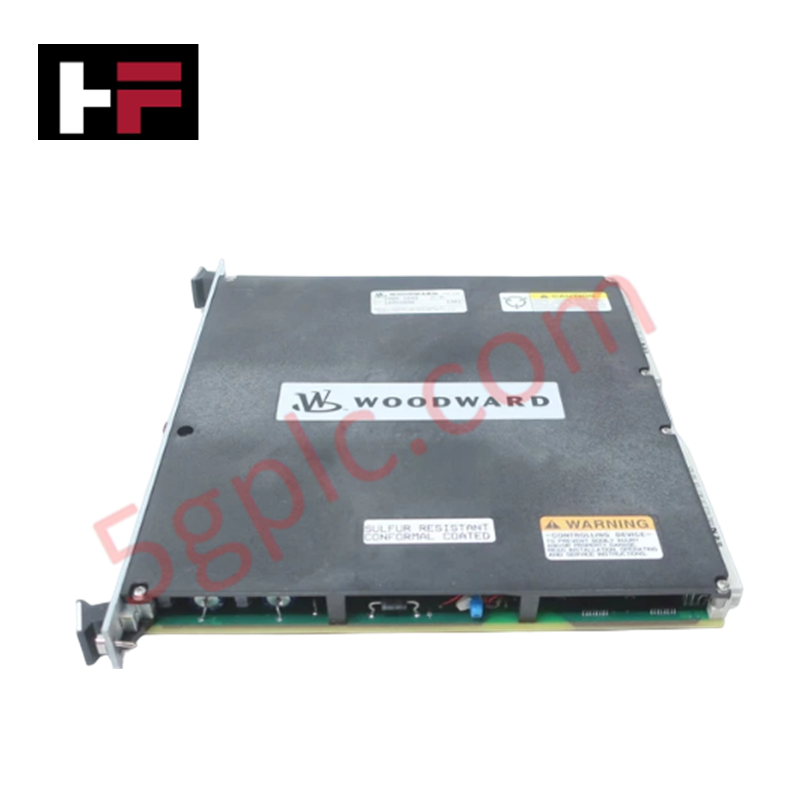
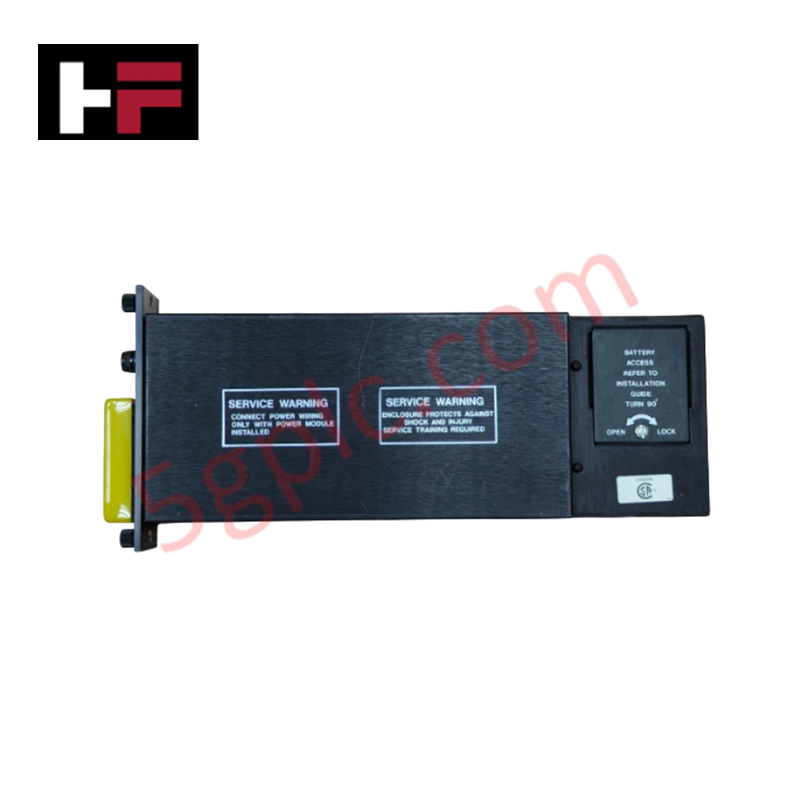
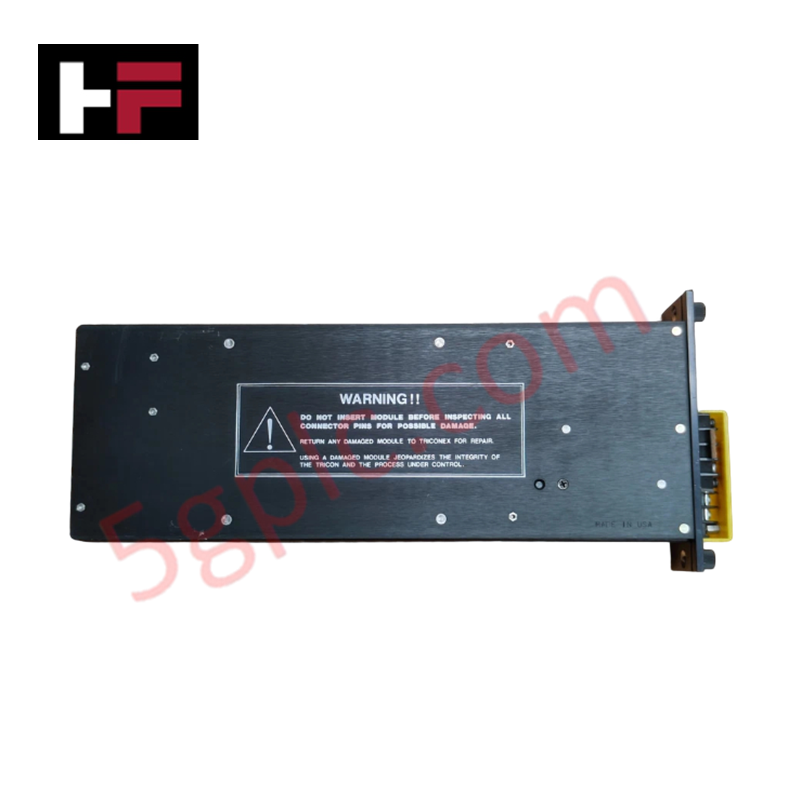
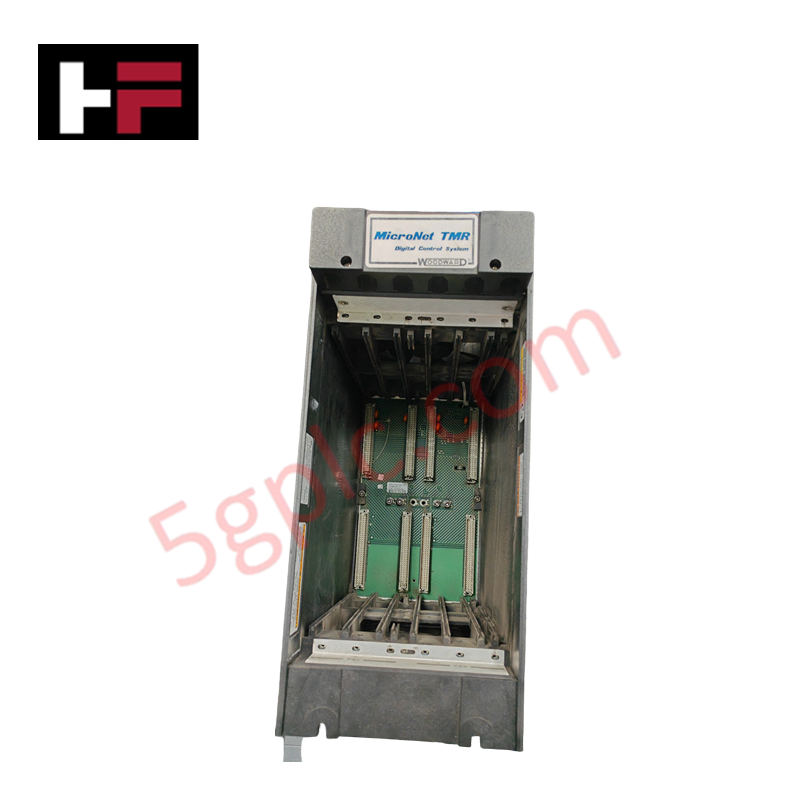
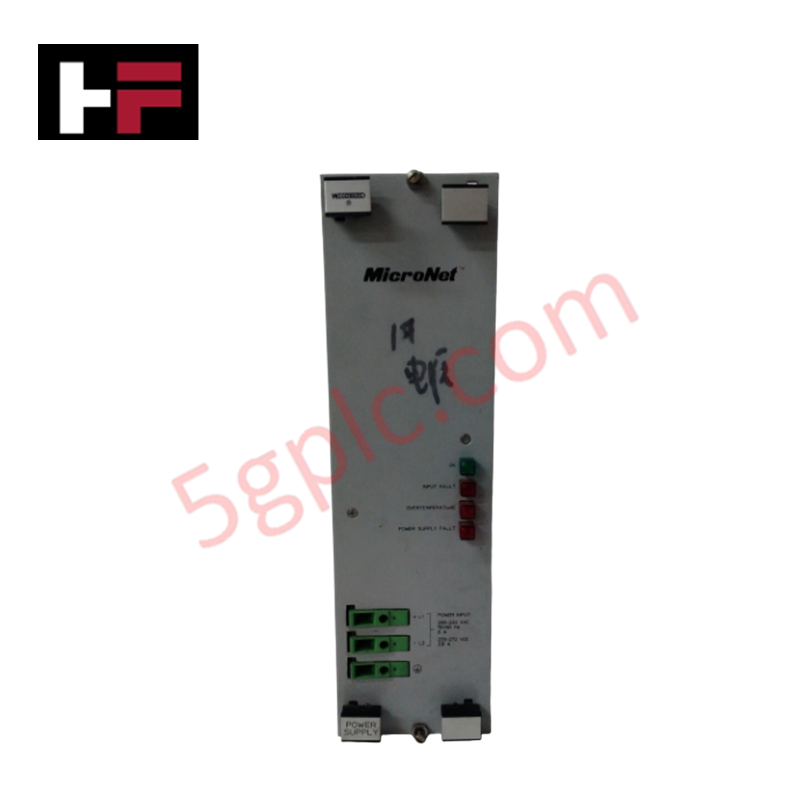
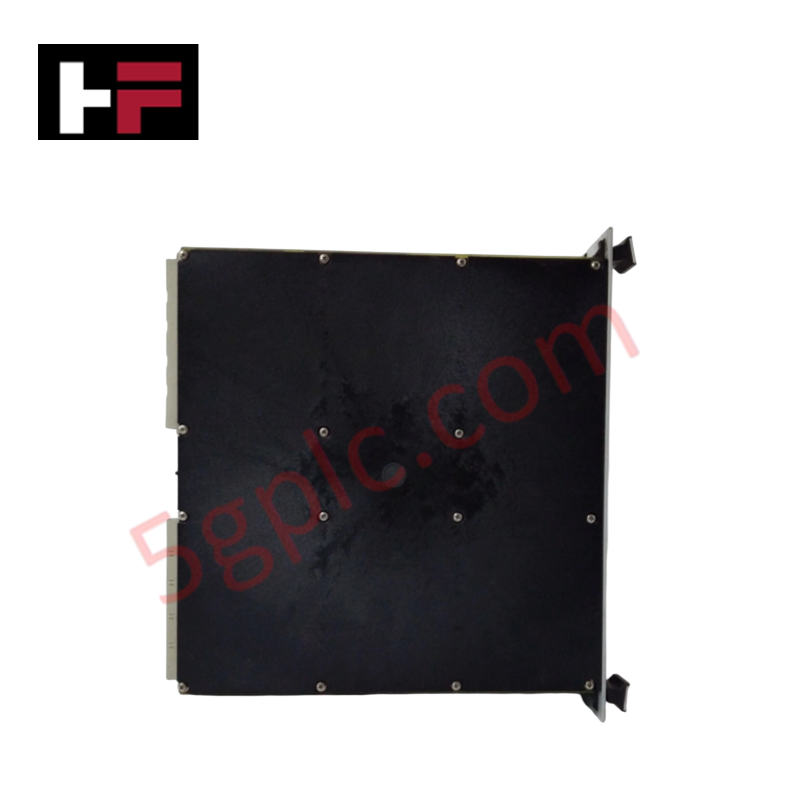
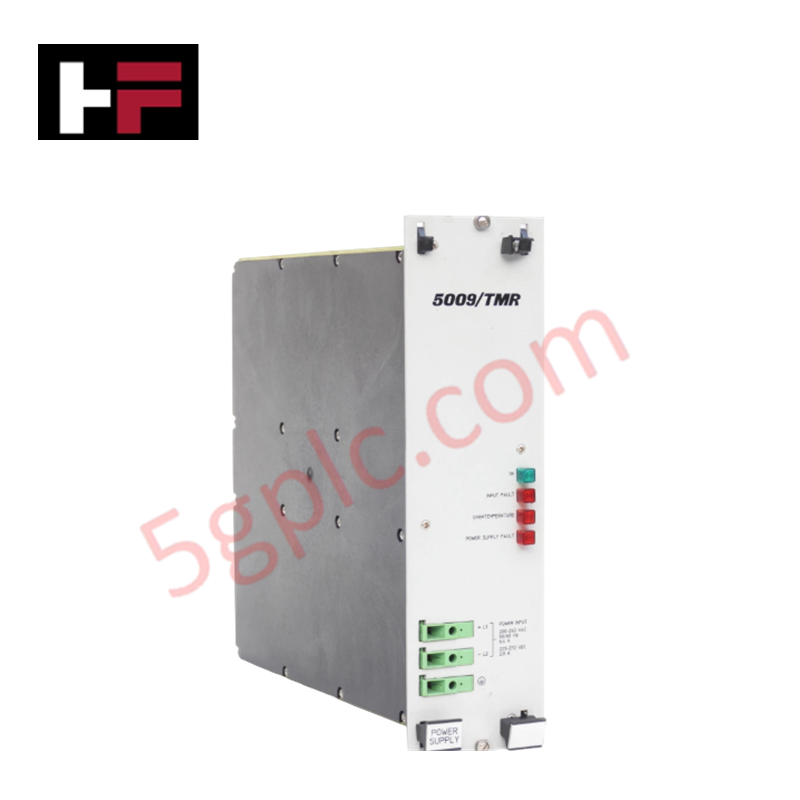
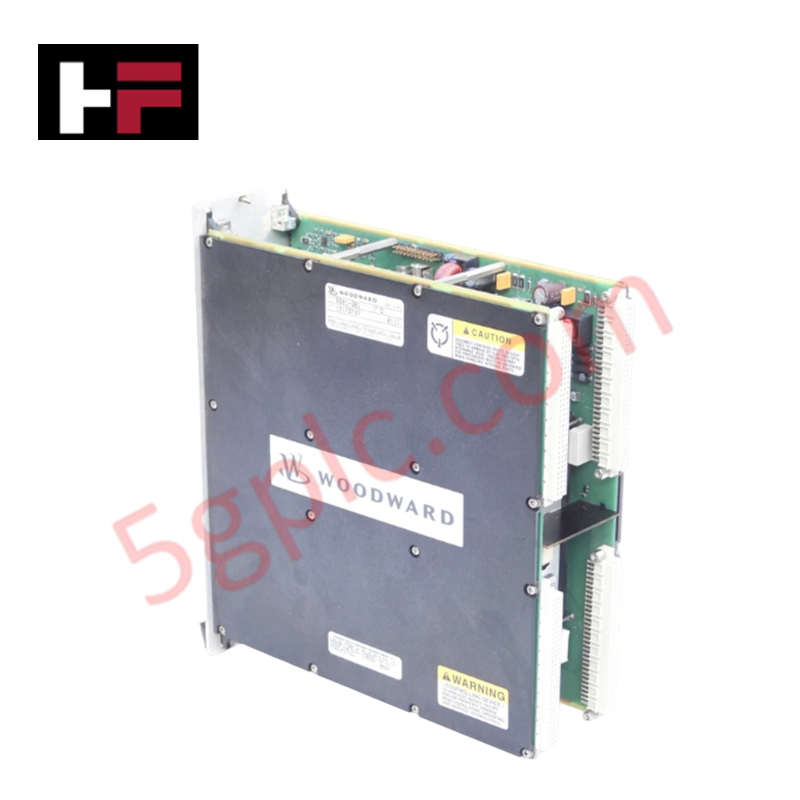
The Woodward 5466-1049, also cataloged as the TMR Kernel PS Power Supply Module, operates as a dedicated hardware component for power regulation within MicroNet Triple Modular Redundant (TMR) Plus control systems.
Hardware Specifications
| Parameter | Specification |
|---|---|
| Model | 5466-1049 |
| Brand | Woodward |
| Origin | Not specified |
| Weight | 22 kg |
| Operating Temp | 0 deg C to +55 deg C |
| Power Consumption | 24 VDC |
| Input Voltage | 24 VDC +/- 10% |
| Output Voltage | 5 VDC +/- 5% |
SIS TMR Kernel Power Management
The 5466-1049 module is engineered for triple modular redundancy (TMR) architectures, providing regulated 5 VDC power to the kernel sections of the MicroNet controller. The system utilizes three independent kernel sections (A-B-C), each requiring one dedicated power supply module installed in the primary slot. The module facilitates fail-safe state execution by maintaining power bus integrity, supported by onboard health monitoring. A single front-face LED provides visual status of the 5 VDC and 5 V precharge outputs. This module is exclusively compatible with TMR5200 CPU units; integration with non-compliant CPU architectures will result in system-level faults.
Frequently Asked Questions
Q: Is it permissible to hot-swap a single 5466-1049 module while the TMR controller is active?
A: No. To replace the module, all kernel sections (A, B, and C) must be fully powered down and the modules removed collectively. Hot-swapping individual power modules in an energized state is not supported and may lead to backplane bus instability.
Q: What is the specific role of the fault LED on the front faceplate?
A: The fault LED monitors the operational status of the 5 VDC rail and the 5 V precharge circuit. If the LED indicates an error, it signifies that the regulated output voltage has fallen outside the permissible operating tolerance, necessitating a full system power-down for diagnostic inspection.
Field Installation Guidelines
- Module Placement: Install the 5466-1049 in the first slot of each designated kernel section (A, B, and C). Ensure modules are only installed in compliance with TMR5200 CPU configurations.
- Environmental Constraints: The unit is rated for Class I, Division 2, Groups A, B, C, and D locations. Ensure the cabinet environment is maintained within the 0 deg C to +55 deg C range to prevent derating of the 10 A output capacity.
- Grounding & Shielding: Verify that the chassis backplane ground is connected to the cabinet earth bus to minimize electromagnetic interference, in accordance with CE (EMC) certification requirements.
- Removal Protocol: Prior to installation or removal, ensure all kernels in the MicroNet TMR system are completely powered down to avoid damaging the module connector pins or the backplane interface.
Additional Information
- 100% Genuine Parts: All products are original and authentic, ensuring reliable industrial performance.
- 30-Day Refund Guarantee: Return any in-stock item within 30 days in original, unopened packaging for a full refund (excluding shipping and fees).
- 12-Month Warranty: Covers defects in materials or workmanship; excludes misuse, normal wear, or unauthorized modifications.
- Worldwide Shipping: We ship via USPS, UPS, FedEx, and DHL. Delivery times vary by country and may be subject to customs or import fees.
- Support & Contact: Technical and warranty assistance is available anytime. Contact us here: Contact.
- Purchase Guidance: Check product specifications and compatibility carefully before ordering to ensure proper application.
Tech & Buying Guide
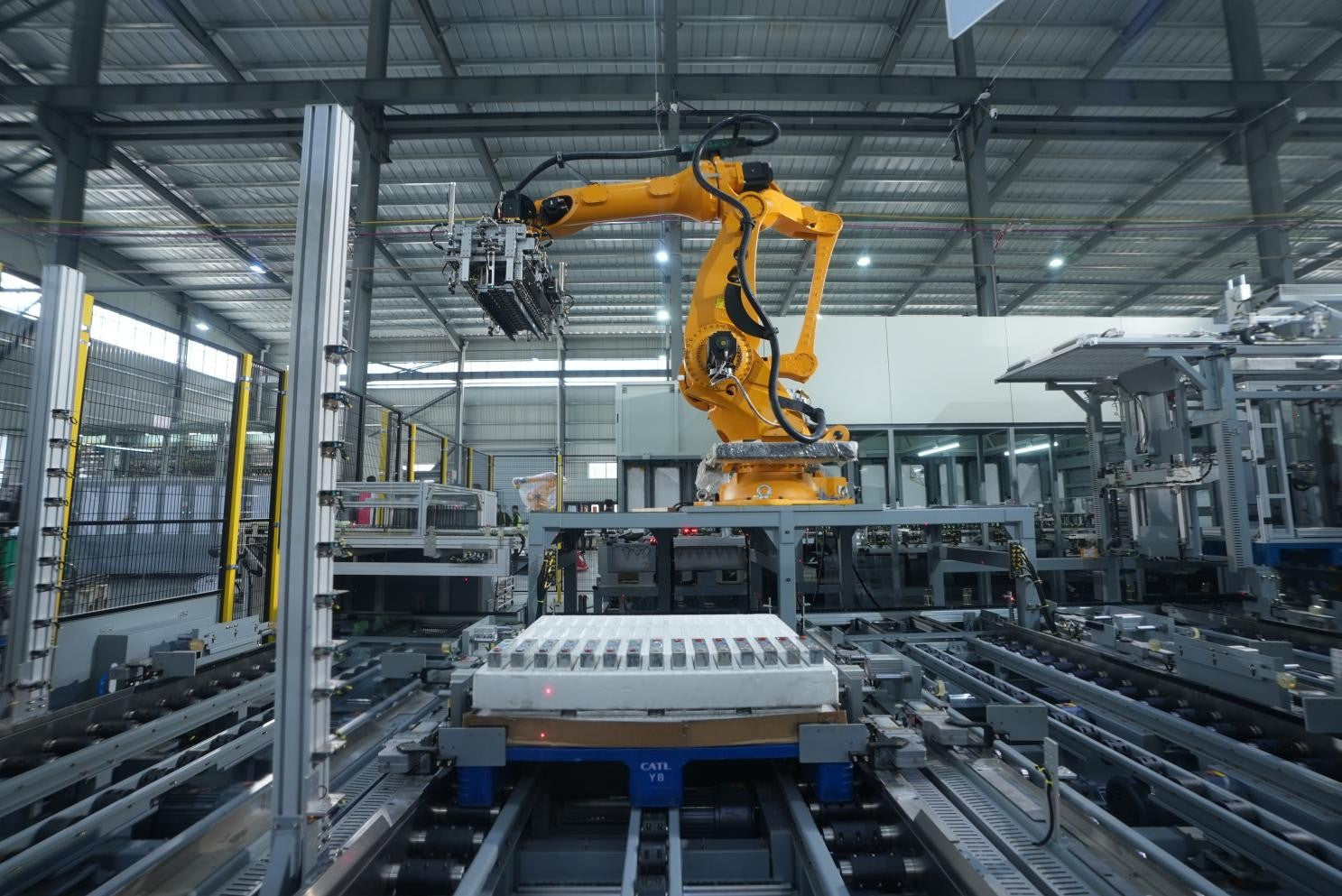
Selecting Rockwell Automation Allen-Bradley PLCs for Small and Mid-Sized Applications
Rockwell Automation remains a cornerstone in global industrial automation. Their Allen-Bradley brand provides a comprehensive portfolio of control systems designed to meet diverse production requirements. Choosing the right programmable logic controller (PLC) is critical for system reliability and scalability. This guide analyzes the Micro and Compact Logix families to help you select the optimal solution for small and medium-scale projects.
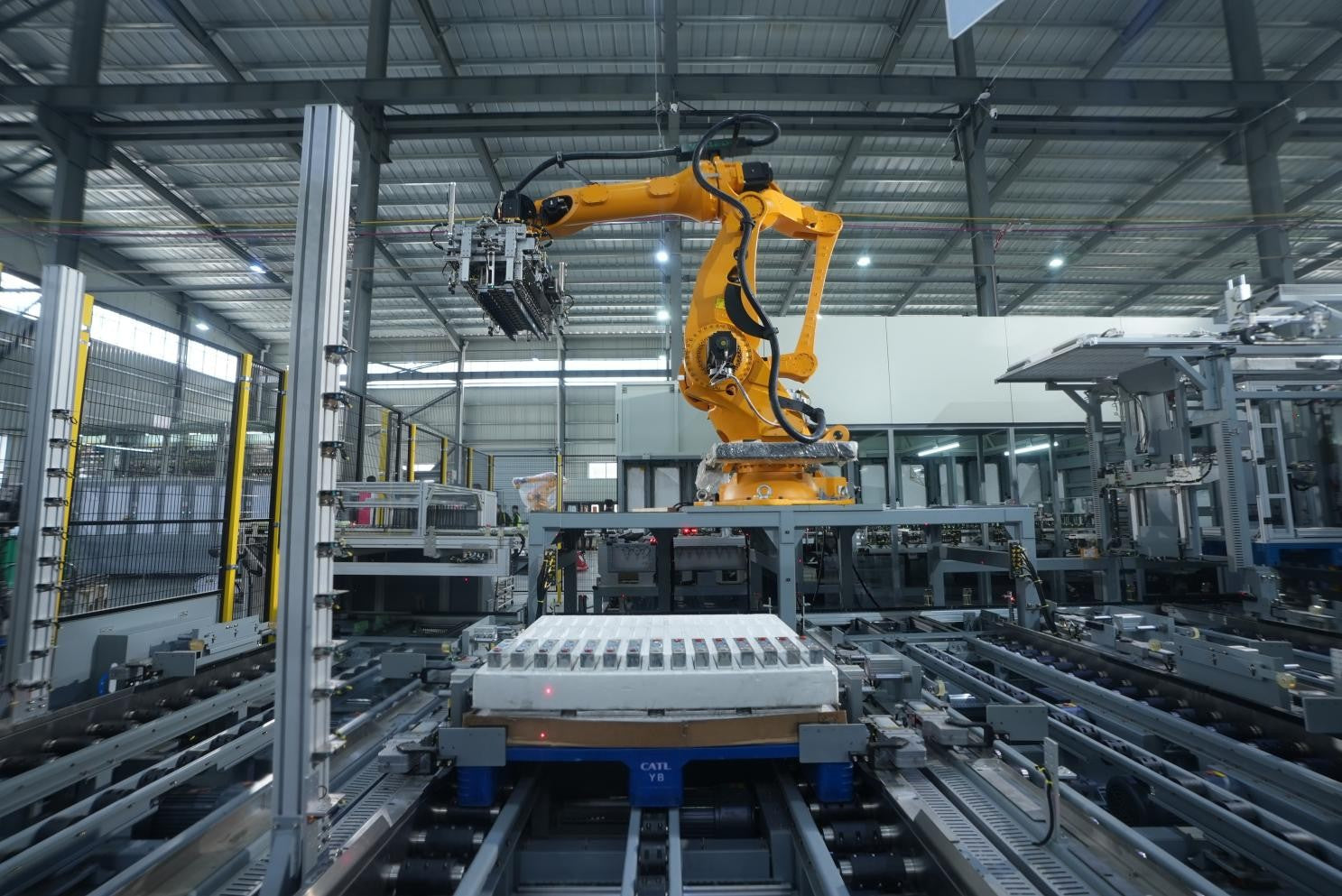
Strategic Selection: Choosing the Right SCADA Software for Your PLC Project
In industrial automation, the SCADA (Supervisory Control and Data Acquisition) system acts as the bridge between raw machine data and actionable human intelligence. Selecting the incorrect software platform can lead to integration bottlenecks, scalability issues, and excessive long-term maintenance costs. As an automation consultant with 15 years of experience, I have guided many projects through the selection process. Below are the essential criteria for choosing a platform that ensures both performance and longevity.

Ensuring Operational Continuity: The Strategic Value of Redundant Automation Systems
In modern industrial landscapes, unplanned downtime is the ultimate adversary. For sectors relying on complex PLC and DCS architectures, a single hardware failure can trigger catastrophic production losses. Therefore, implementing redundant automation systems is no longer a luxury; it is a fundamental requirement for mission-critical operations. In this article, I analyze why redundancy remains the backbone of reliable industrial infrastructure.