




Product Details
Product Overview
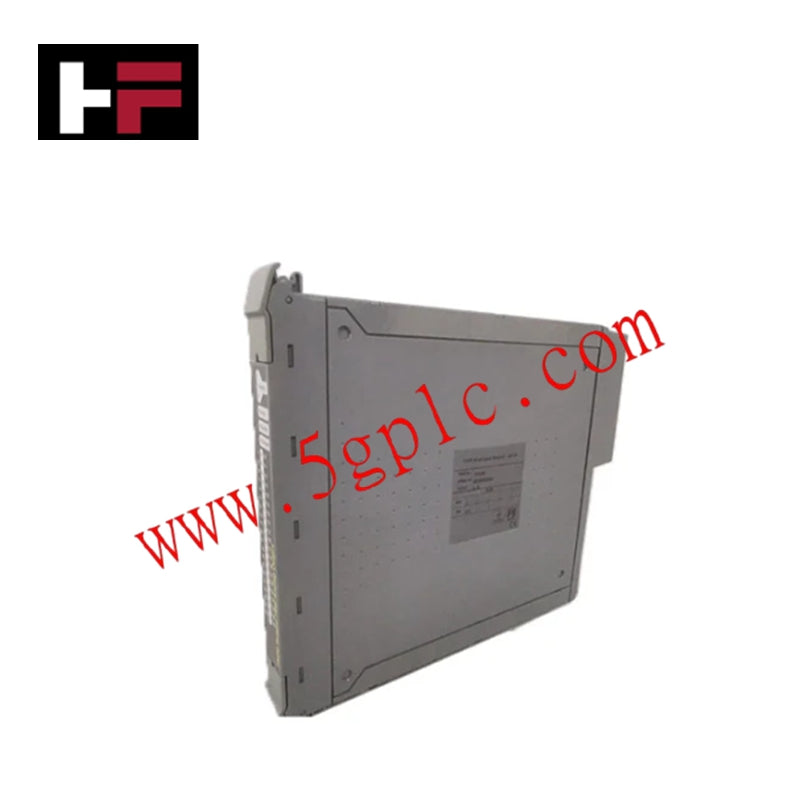
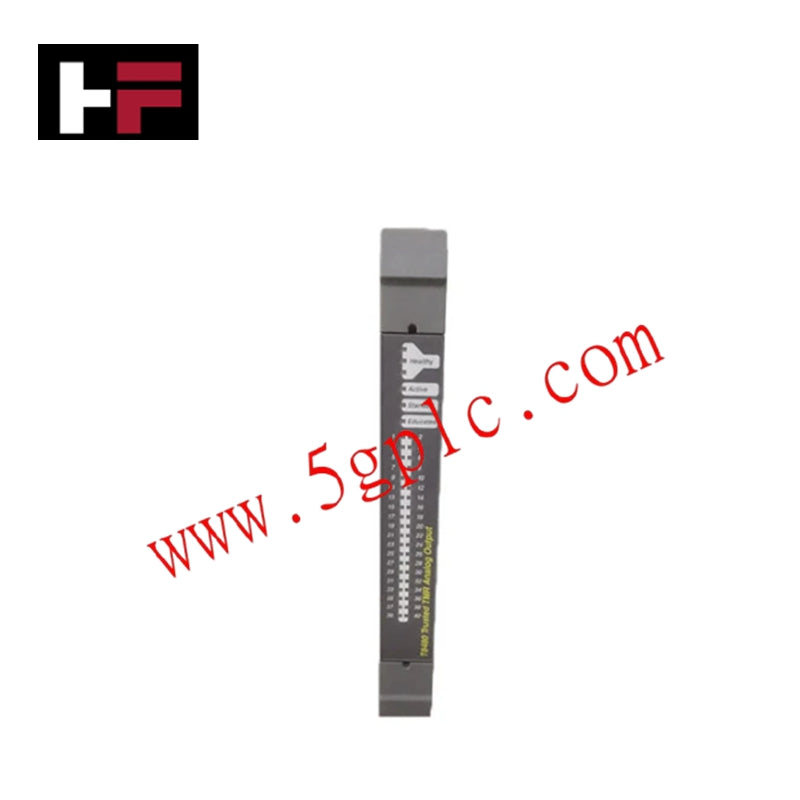
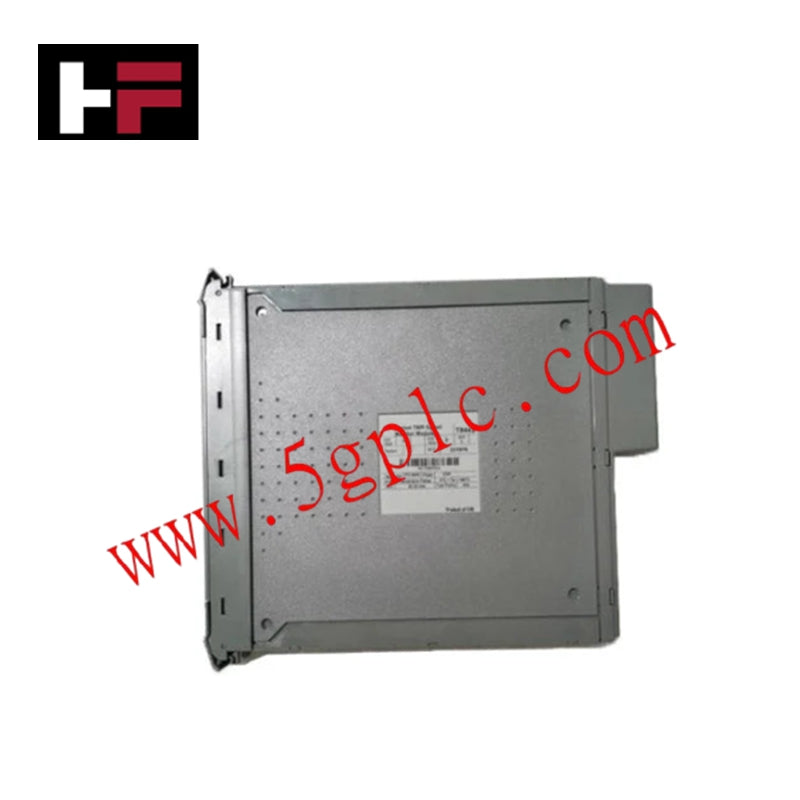
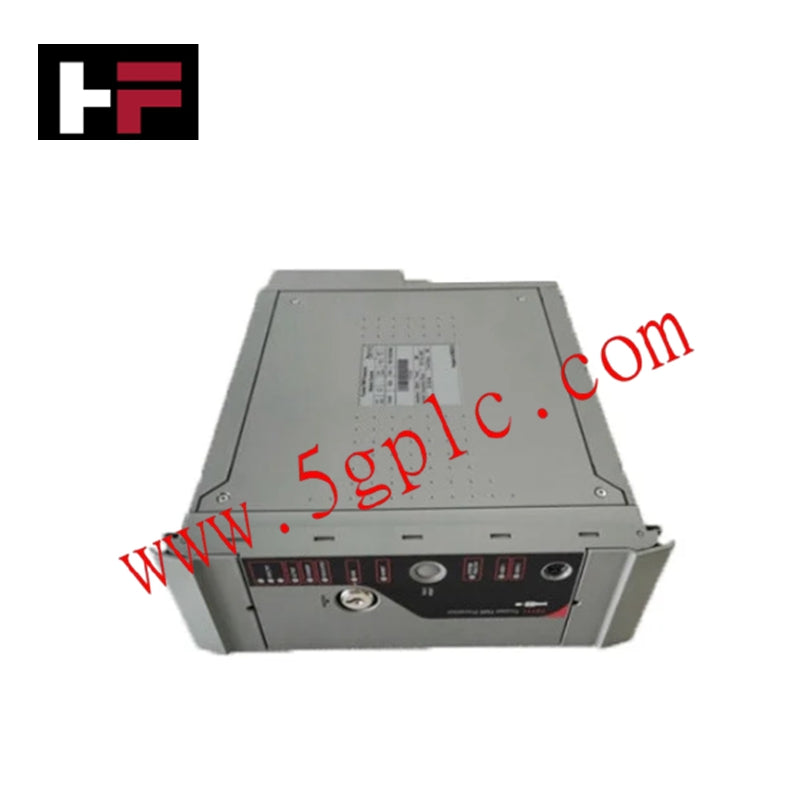
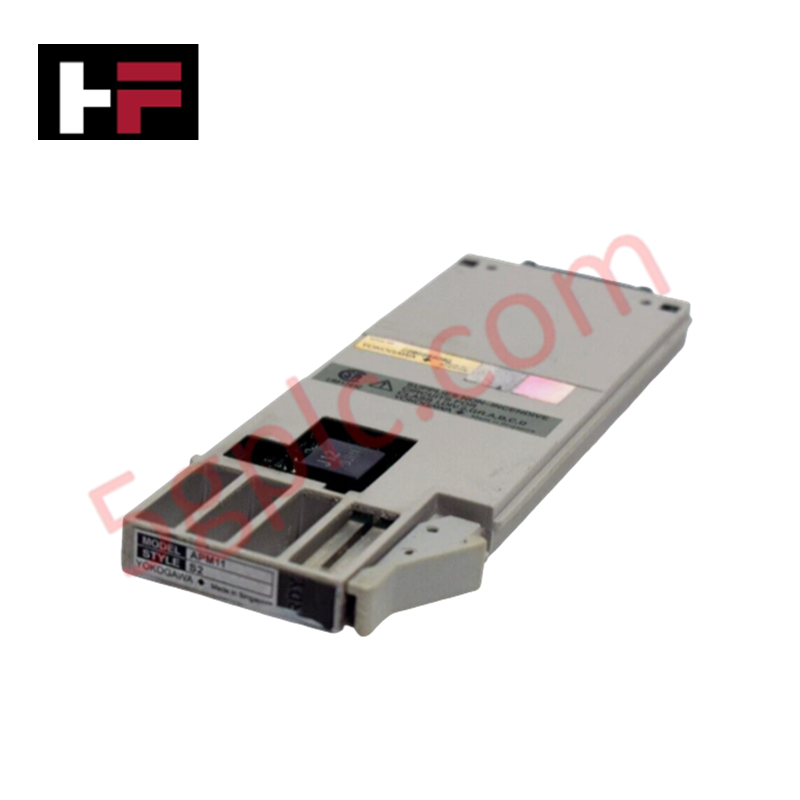
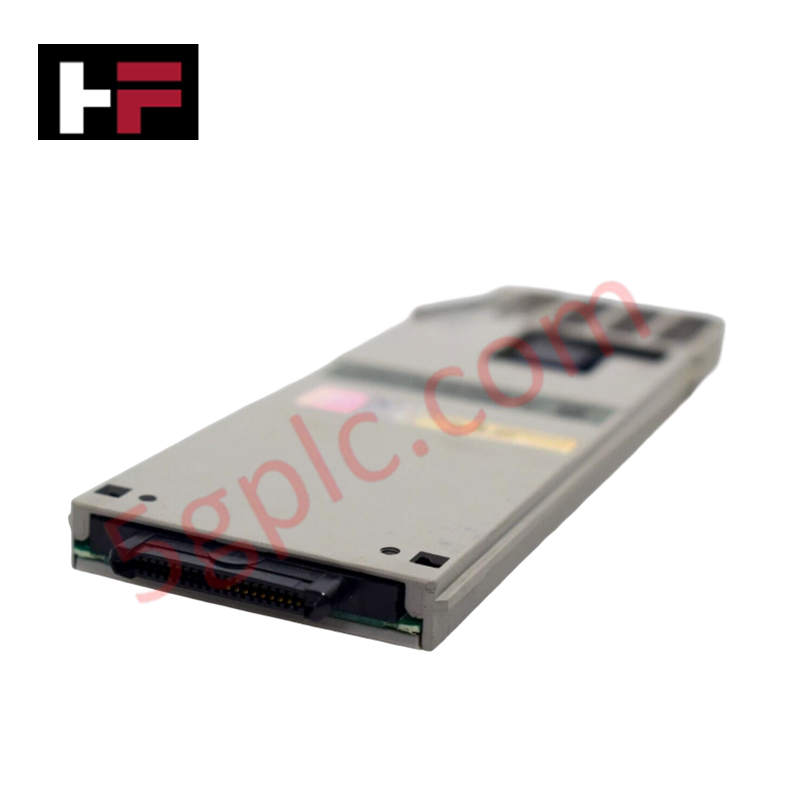
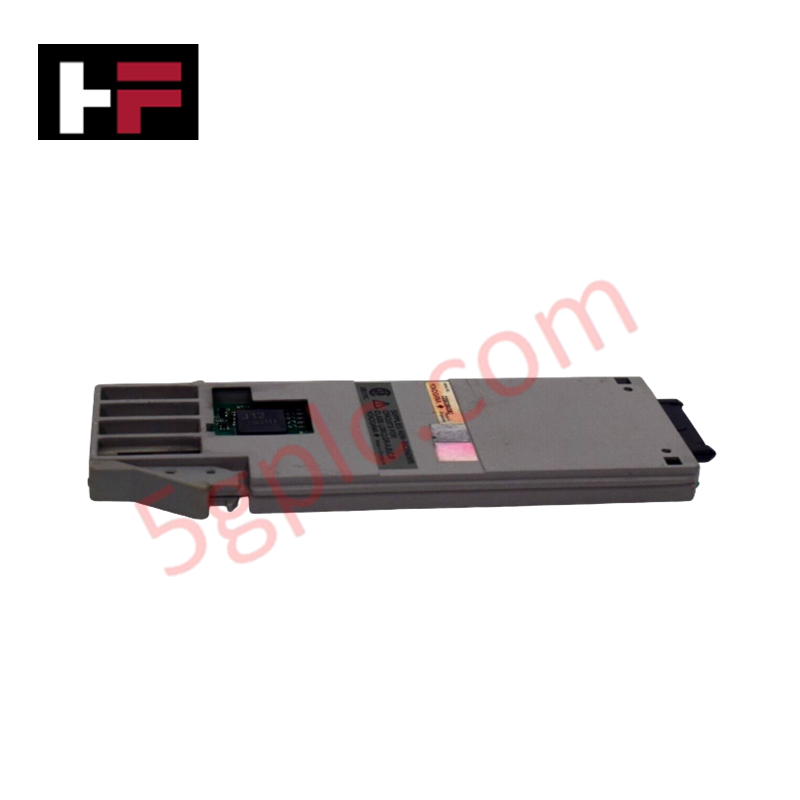
The Yokogawa APM11 functions as a high-precision Pulse Input Module for CENTUM VP and CENTUM CS distributed control systems. This module serves as a critical interface for machine control and PLC applications, capturing high-speed signals from flow meters, tachometers, and pulse-generating field instruments. It converts raw pulse data into actionable process variables with extreme temporal accuracy. We supply this unit as 100% Brand New and Original to ensure the highest integrity for your high-speed signal processing loops.
Technical Specifications
The APM11 manages rapid signal transitions and provides flexible input configurations to match various field hardware requirements.
-
Input Frequency Range: 0 to 10 kHz
-
Data Update Period: 10 ms
-
Minimum Pulse Width: 40 µs
-
Signal Compatibility: Contact, voltage pulse, or current pulse (2-wire or 3-wire)
-
Input Voltage Level: 3 V DC to 24 V DC
-
Selectable Shunt Resistors: 200Ω, 510Ω, 1000Ω
-
Auxiliary Output: Open collector transistor (30 V DC, 30 mA)
-
Weight: 0.1 kg (4.0 oz)
-
Dimensions: 7.6 cm x 17.8 cm (3.0" x 7.0")
-
Condition: Guaranteed 100% Brand New Original
Engineering Advantages
The APM11 provides technical solutions for high-velocity data acquisition and signal conditioning:
-
Rapid Control Loop Integration: A 10 ms data update period ensures that the DCS receives real-time information for high-speed processes. This speed allows for precise regulation of turbines, motors, and fast-acting flow control valves where latency causes instability.
-
Universal Signal Flexibility: The module accepts contact, voltage, and current pulses. This versatility eliminates the need for external signal converters when interfacing with diverse field devices like magnetic flow meters or rotary encoders.
-
On-Board Signal Conditioning: Selectable shunt resistors (200Ω, 510Ω, 1000Ω) allow engineers to match the input impedance directly to the field instrument. This matching prevents signal reflection and ensures accurate pulse counting even over extended cable runs.
-
Noise-Resistant Pulse Capture: The 40 µs minimum pulse width detection threshold filters out high-frequency electrical noise and contact chatter. This hardware-level filtering prevents false counts in environments with high electromagnetic interference (EMI) from variable frequency drives (VFDs).
FAQs
-
Can the APM11 support 2-wire and 3-wire sensors simultaneously?
The module features flexible wiring terminals that accommodate both 2-wire and 3-wire pulse transmitters. You must configure the wiring and internal jumpers to match the specific power and signal return requirements of your field device.
-
Does this module require an external power supply for the pulses?
The APM11 handles signal levels up to 24 V DC. While the module captures the pulses, the field instrument typically requires its own power source or excitation voltage depending on the sensor type (active vs. passive).
-
Is the APM11 compatible with newer CENTUM VP R6 versions?
Yes. The APM11 maintains backward and forward compatibility within the CENTUM ecosystem. It functions seamlessly in both legacy CENTUM CS and modern CENTUM VP architectures.
-
How do I verify the "Brand New" status?
Every APM11 we ship arrives in its original Yokogawa factory packaging. The unit includes full serial number traceability and the original manufacturer's inspection seal, guaranteeing it has never been deployed in the field.
Additional Information
- 100% Genuine Parts: All products are original and authentic, ensuring reliable industrial performance.
- 30-Day Refund Guarantee: Return any in-stock item within 30 days in original, unopened packaging for a full refund (excluding shipping and fees).
- 12-Month Warranty: Covers defects in materials or workmanship; excludes misuse, normal wear, or unauthorized modifications.
- Worldwide Shipping: We ship via USPS, UPS, FedEx, and DHL. Delivery times vary by country and may be subject to customs or import fees.
- Support & Contact: Technical and warranty assistance is available anytime. Contact us here: Contact.
- Purchase Guidance: Check product specifications and compatibility carefully before ordering to ensure proper application.


Tech & Buying Guide

Understanding Types of Noise in Electronic Circuits and Control Systems
Signal integrity directly determines measurement accuracy and loop stability across industrial automation environments. Electronic noise introduces unwanted stochastic interference into analog loops, sensor feedback lines, and digital fieldbus networks. Understanding how intrinsic electronic noise and external electromagnetic interference manifest allows control engineers to optimize signal conditioning and shield sensitive instrumentation effectively.

Why 24V DC Power Supplies Standardize Modern Industrial Automation
Industrial control cabinets worldwide rely on 24V DC as the universal power standard for field instrumentation, sensors, and controllers. Walk into any manufacturing plant, and you will find PLCs, human-machine interfaces (HMIs), and smart actuators running on extra-low voltage DC. Standardizing on 24V DC enhances operational safety, lowers cabinet footprint, and maintains steady control performance across factory networks.

Essential Motion Control Commands: A Practical Guide for Engineers
Automation engineers often rely on precise position and speed control to drive modern factory machinery. Modern industrial systems, such as Programmable Logic Controllers (PLCs) and Distributed Control Systems (DCS), depend heavily on standardized motion instructions. Mastering these commands ensures operational safety, protects mechanical components, and optimizes cycle times across production lines.