










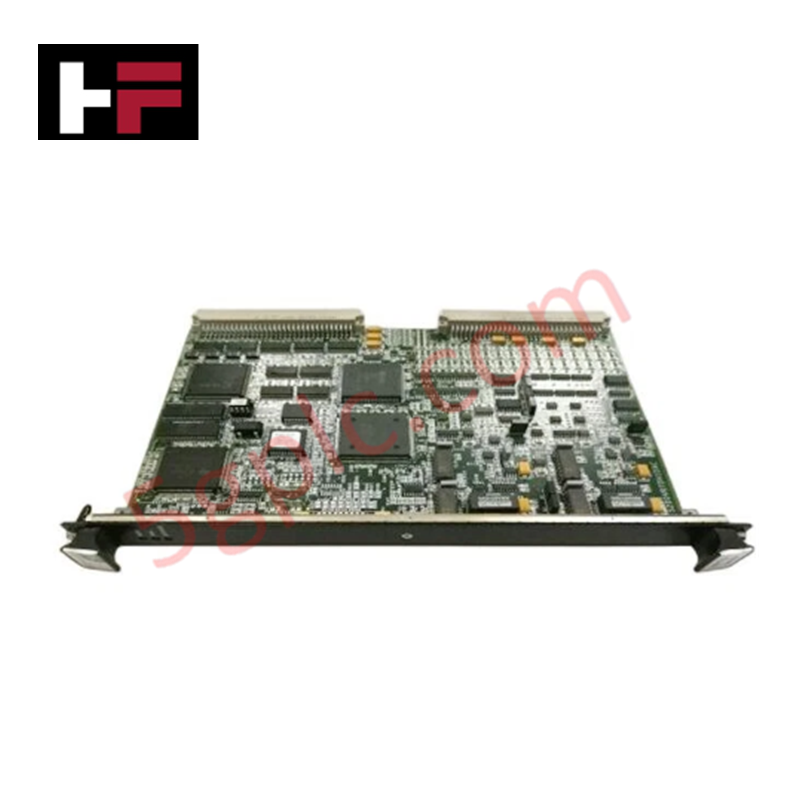
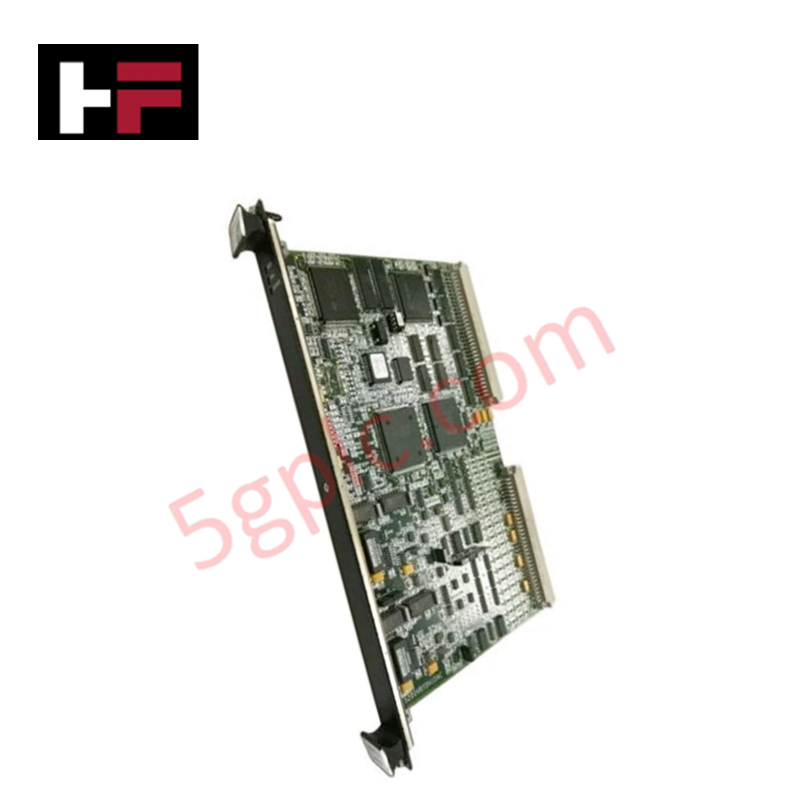
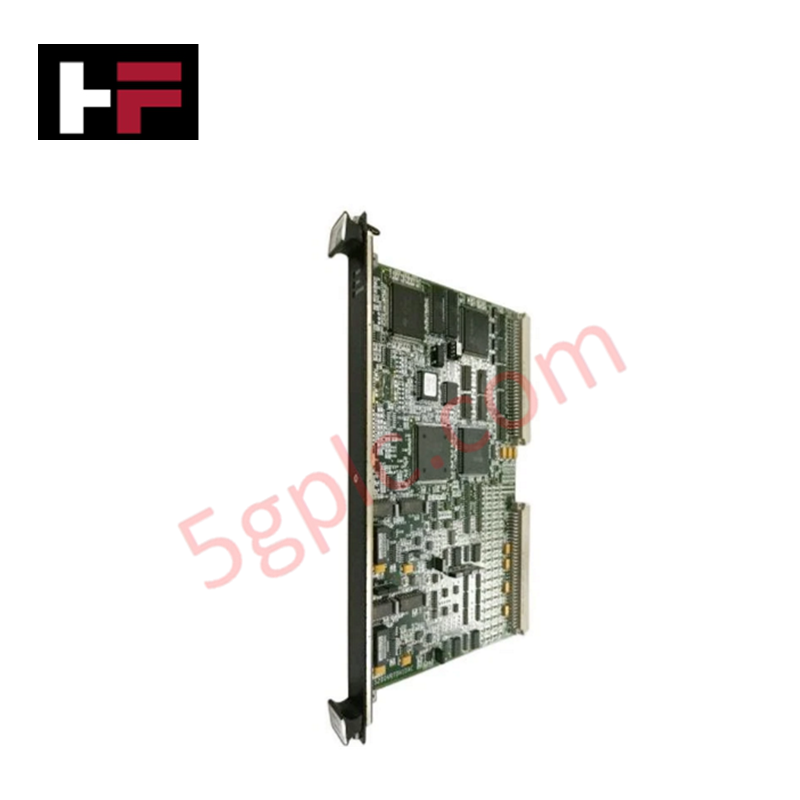
Product Details
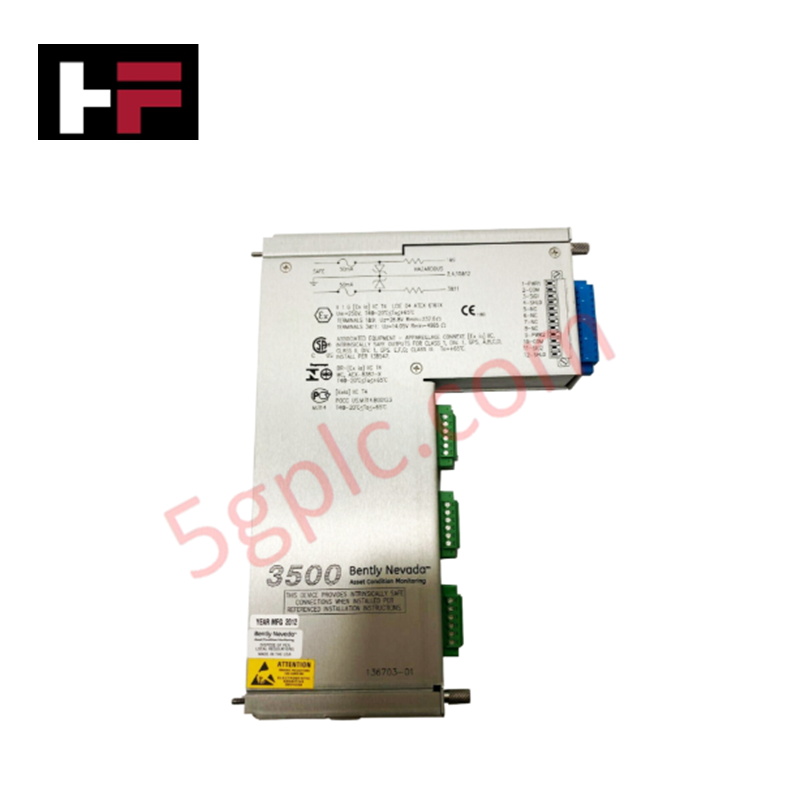
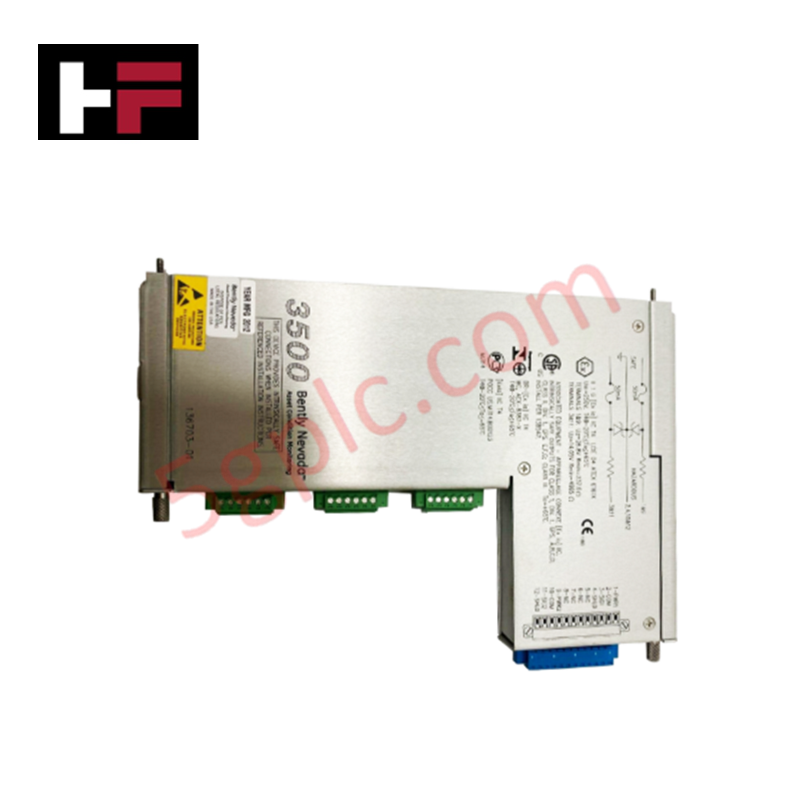
Configured for high-precision temperature sensing in Mark VIe control systems, the GE IS200VRTDH1D (IS200VRTDH1DAB RTD Input Module) provides direct physical/electrical execution. This board performs excitation of Resistance Temperature Devices (RTDs) and digitizes resulting analog signals, transferring the converted temperature data across the VME backplane to the VCMI and host controller.
Hardware Specifications
| Parameter | Specification |
|---|---|
| Model | IS200VRTDH1D |
| Brand | General Electric |
| Origin | USA |
| Weight | Not specified |
| Dimensions | Standard Mark VIe PCB form factor |
| Operating Temp | Industrial standard range |
| Power Consumption | Dependent on RTD excitation load |
| Input Type | RTD (Resistance Temperature Device) |
Industrial Control and Drives Technical Characteristics
The VRTD module utilizes active sensing circuits to monitor RTD continuity, automatically flagging open or short-circuit conditions as out-of-range values. To maintain input integrity, the module isolates out-of-range channels from the scan list to prevent potential adverse interference with valid input signals. Reinstatement of faulted channels occurs automatically at 20-second intervals upon signal normalization, or via manual intervention. Integration requires strict adherence to backplane bus communication velocity settings, and users must ensure firmware flash compatibility when upgrading or replacing modules to maintain deterministic temperature data throughput.
Frequently Asked Questions
Q: Is the IS200VRTDH1DAB backward compatible with earlier versions of the VRTD board?
A: Yes. The IS200VRTDH1DAB maintains backward compatibility with the first two revisions of the VRTD series, allowing for seamless integration in existing Mark VIe controller environments.
Q: How does the module handle sensor fault detection?
A: The VRTD module continuously monitors RTD input values against predefined hardware limits. If a value falls outside these limits, the channel is marked as faulted and excluded from active scanning. The module performs a periodic re-scan of these faulted channels every 20 seconds to determine if the sensor has returned to operational range.
Field Installation Guidelines
- VME Backplane Seating: De-energize the Mark VIe cabinet prior to installation. Align the module with the VME rack guides and ensure the backplane connector is fully seated to guarantee secure electrical communication.
- Sensor Wiring: Connect RTD sensors to the associated terminal board. Use shielded, twisted-pair cabling to minimize noise and ensure high-accuracy temperature readings. Terminate shields at the cabinet ground bus.
- Conformal Coating Integrity: The module is treated with conformal coating. Handle the board by the edges to prevent physical damage to the coating. Avoid exposure to high-humidity or chemically aggressive environments without ensuring the cabinet is sealed to NEMA/IP standards.
- Firmware Verification: After physical installation, confirm the module revision level through the controller interface. If utilizing backward compatibility with earlier revisions, ensure the application software is configured correctly to recognize the VRTD module type.
Additional Information
- 100% Genuine Parts: All products are original and authentic, ensuring reliable industrial performance.
- 30-Day Refund Guarantee: Return any in-stock item within 30 days in original, unopened packaging for a full refund (excluding shipping and fees).
- 12-Month Warranty: Covers defects in materials or workmanship; excludes misuse, normal wear, or unauthorized modifications.
- Worldwide Shipping: We ship via USPS, UPS, FedEx, and DHL. Delivery times vary by country and may be subject to customs or import fees.
- Support & Contact: Technical and warranty assistance is available anytime. Contact us here: Contact.
- Purchase Guidance: Check product specifications and compatibility carefully before ordering to ensure proper application.


Tech & Buying Guide

Understanding Types of Noise in Electronic Circuits and Control Systems
Signal integrity directly determines measurement accuracy and loop stability across industrial automation environments. Electronic noise introduces unwanted stochastic interference into analog loops, sensor feedback lines, and digital fieldbus networks. Understanding how intrinsic electronic noise and external electromagnetic interference manifest allows control engineers to optimize signal conditioning and shield sensitive instrumentation effectively.

Why 24V DC Power Supplies Standardize Modern Industrial Automation
Industrial control cabinets worldwide rely on 24V DC as the universal power standard for field instrumentation, sensors, and controllers. Walk into any manufacturing plant, and you will find PLCs, human-machine interfaces (HMIs), and smart actuators running on extra-low voltage DC. Standardizing on 24V DC enhances operational safety, lowers cabinet footprint, and maintains steady control performance across factory networks.

Essential Motion Control Commands: A Practical Guide for Engineers
Automation engineers often rely on precise position and speed control to drive modern factory machinery. Modern industrial systems, such as Programmable Logic Controllers (PLCs) and Distributed Control Systems (DCS), depend heavily on standardized motion instructions. Mastering these commands ensures operational safety, protects mechanical components, and optimizes cycle times across production lines.