










Product Details
Product Overview
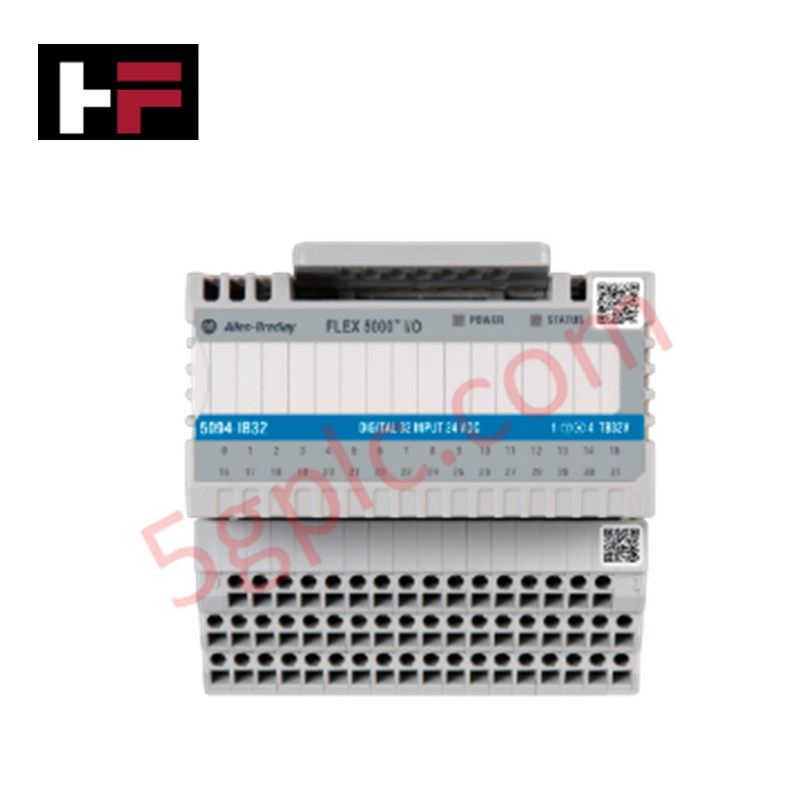
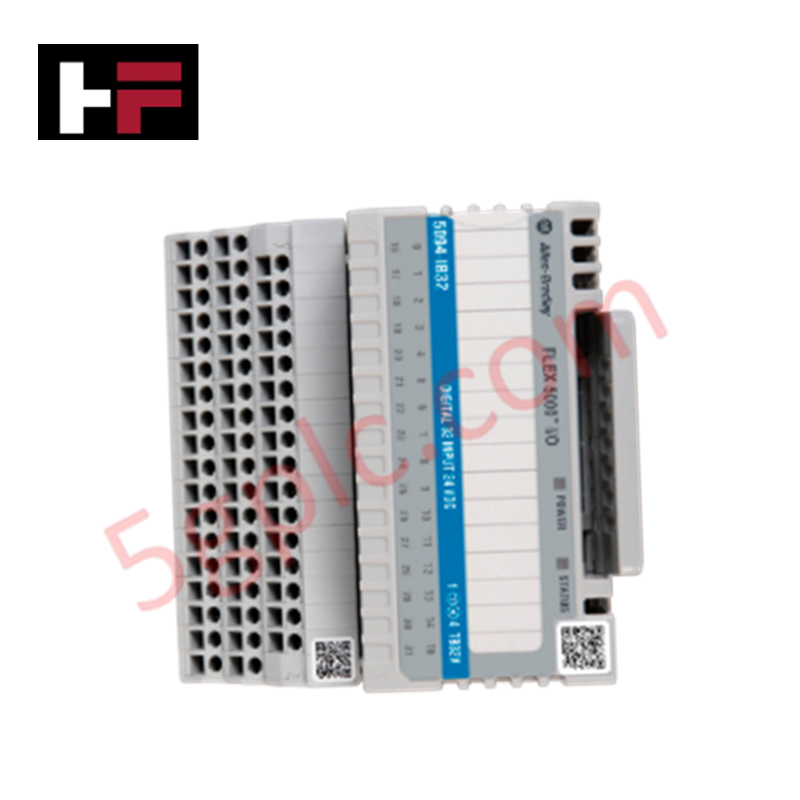
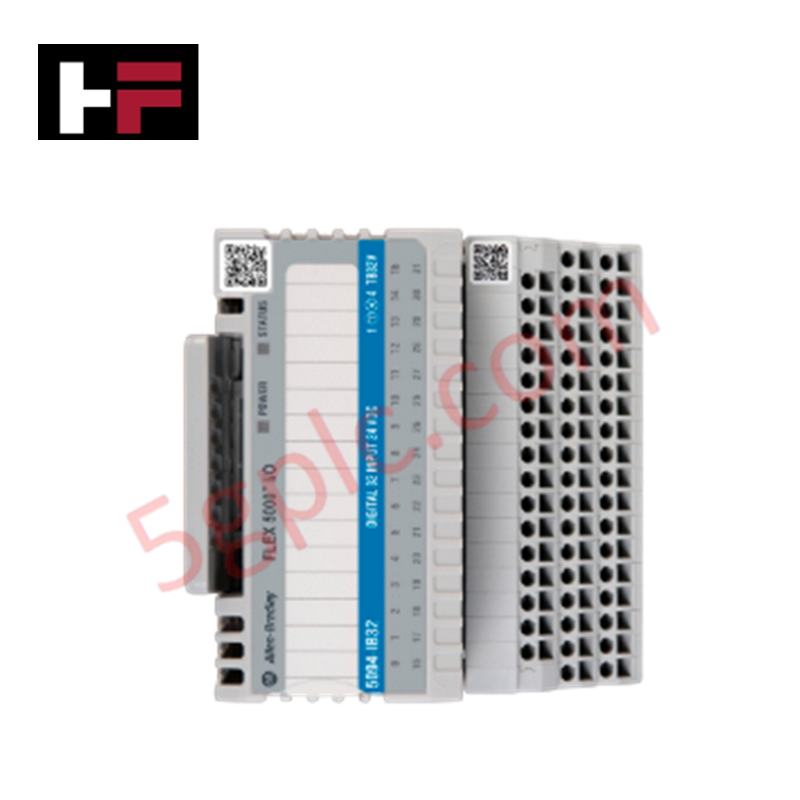
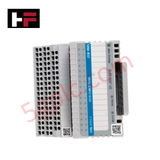
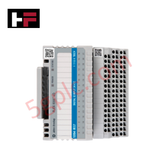
The Allen Bradley 5094-IB32 delivers high-density discrete monitoring for the FLEX 5000 I/O platform. This module accommodates 32 digital input channels in a single slot, significantly reducing cabinet footprint and hardware costs. It interfaces directly with 24V DC field devices such as limit switches, proximity sensors, and push buttons. We supply this unit as 100% Brand New original stock to ensure the highest performance standards in your industrial control architecture.
Technical Specifications
| Feature | Specification |
| Manufacturer | Allen Bradley / Rockwell Automation |
| Product Line | FLEX 5000 |
| Number of Inputs | 32 Channels (Sinking) |
| On-State Voltage Range | 10 to 32 Volts DC |
| Nominal Input Voltage | 24 Volts DC |
| Nominal On-State Current | 2.4 mA @ 24 Volts DC |
| Maximum Off-State Voltage | 5 Volts DC |
| Nominal Input Impedance | 10 kΩ @ 24 Volts DC |
| Corrosive Resistance | ISA S71.04 G2 (Conformal Coated) |
| Module Weight | 2.00 lbs (0.91 kg) |
Engineering Advantages
-
Maximize Panel Density: The 32-channel architecture allows you to scale your system without expanding physical cabinet dimensions. This high-density design effectively halves the required space compared to traditional 16-channel modules.
-
Harsh Environment Durability: The 5094-IB32 meets the ISA S71.04 G2 standard for corrosive resistance. This protection enables reliable operation in paper mills, wastewater treatment plants, and chemical facilities where airborne contaminants typically degrade standard electronics.
-
Precise Signal Detection: A low 5V DC maximum off-state voltage and high input impedance ensure the module correctly distinguishes between a true "off" signal and leakage current. This prevents false triggers often caused by long cable runs or proximity sensor leakage.
-
Streamlined Installation: The module snaps directly onto the FLEX 5000 mounting base. This modular approach permits independent wiring and hardware installation, accelerating commissioning schedules.
FAQs
-
Does the 5094-IB32 support Change of State (COS) detection?
Yes. The FLEX 5000 platform allows you to configure COS for these inputs within Studio 5000, ensuring the controller receives immediate updates for critical sensor transitions rather than waiting for a standard RPI cycle.
-
Can I use this module with 12V DC field devices?
Yes. The 5094-IB32 operates across a 10V to 32V DC range. Since 12V falls within the "On-state" specification, the module will reliably detect 12V signals provided the current meets the 2 mA minimum requirement.
-
What is the benefit of the G2 rating?
The G2 rating indicates that the module features conformal coating or specialized design to resist moderate levels of sulfur and chlorine. This rating prevents the silver and copper corrosion that leads to premature failure in heavy industrial environments.
-
Is this module hot-swappable?
Yes, the 5094-IB32 supports Removal and Insertion Under Power (RIUP). You can replace the module without shutting down the entire I/O bank or disrupting other modules on the same backplane.
Additional Information
- 100% Genuine Parts: All products are original and authentic, ensuring reliable industrial performance.
- 30-Day Refund Guarantee: Return any in-stock item within 30 days in original, unopened packaging for a full refund (excluding shipping and fees).
- 12-Month Warranty: Covers defects in materials or workmanship; excludes misuse, normal wear, or unauthorized modifications.
- Worldwide Shipping: We ship via USPS, UPS, FedEx, and DHL. Delivery times vary by country and may be subject to customs or import fees.
- Support & Contact: Technical and warranty assistance is available anytime. Contact us here: Contact.
- Purchase Guidance: Check product specifications and compatibility carefully before ordering to ensure proper application.


Tech & Buying Guide

Understanding Types of Noise in Electronic Circuits and Control Systems
Signal integrity directly determines measurement accuracy and loop stability across industrial automation environments. Electronic noise introduces unwanted stochastic interference into analog loops, sensor feedback lines, and digital fieldbus networks. Understanding how intrinsic electronic noise and external electromagnetic interference manifest allows control engineers to optimize signal conditioning and shield sensitive instrumentation effectively.

Why 24V DC Power Supplies Standardize Modern Industrial Automation
Industrial control cabinets worldwide rely on 24V DC as the universal power standard for field instrumentation, sensors, and controllers. Walk into any manufacturing plant, and you will find PLCs, human-machine interfaces (HMIs), and smart actuators running on extra-low voltage DC. Standardizing on 24V DC enhances operational safety, lowers cabinet footprint, and maintains steady control performance across factory networks.

Essential Motion Control Commands: A Practical Guide for Engineers
Automation engineers often rely on precise position and speed control to drive modern factory machinery. Modern industrial systems, such as Programmable Logic Controllers (PLCs) and Distributed Control Systems (DCS), depend heavily on standardized motion instructions. Mastering these commands ensures operational safety, protects mechanical components, and optimizes cycle times across production lines.