












Product Details
Product Overview
The Allen Bradley 1794-IE8XOE4 functions as a high-density analog expansion component within the FLEX I/O platform. This module integrates eight analog inputs and four analog outputs into a single compact footprint, significantly reducing DIN rail space requirements. It handles critical 4 to 20 mA signals to interface sensors and actuators directly with the PLC architecture. We offer this product as 100% Brand New and Original, ensuring maximum uptime for your control system.
Technical Specifications
The 1794-IE8XOE4 provides precise signal conversion for complex industrial loops:
| Feature | Specification |
| Input Channels | 8 Single-ended |
| Output Channels | 4 Single-ended |
| Signal Range | 4 to 20 mA (Configurable) |
| Nominal Supply Voltage | 24V DC |
| Voltage Range | 10.5V DC to 31.2V DC |
| Resolution | 12-bit |
| Mounting | DIN Rail / Panel Mount |
| Operating Temp | -20°C to 60°C (-4°F to 140°F) |
| Module Location | Terminal Base (1794-TB2, -TB3, -TB3S) |
Engineering Advantages
The 1794-IE8XOE4 solves several common engineering bottlenecks in distributed control:
-
Footprint Optimization: By combining input and output functions, this module eliminates the need for two separate I/O cards. This hardware consolidation saves up to 50% of the horizontal space on the terminal base.
-
Reduced Wiring Complexity: The FLEX I/O design allows you to wire the terminal base before installing the module. The 1794-IE8XOE4 plugs directly into the base, which simplifies maintenance and prevents wiring errors during hardware swaps.
-
Thermal Versatility: Unlike standard commercial electronics, this module maintains signal accuracy across an extended temperature range of -20°C to 60°C. It operates reliably in unconditioned field cabinets and harsh outdoor enclosures.
-
Hot-Swapping Capabilities: The module supports Removal and Insertion Under Power (RIUP). This allows technicians to replace the unit without shutting down the entire backplane, maintaining continuous process operations.
FAQs
-
Which terminal bases are compatible with the 1794-IE8XOE4?
This module requires a 1794-TB2, 1794-TB3, or 1794-TB3S terminal base. The TB3S is particularly recommended for high-vibration environments as it features spring-clamp terminations that resist loosening over time.
-
Does this module support voltage signals (0-10V)?
While primarily utilized for 4-20 mA current loops to maximize noise immunity over long distances, the 1794-IE8XOE4 supports specific configurations. Always verify your scaling parameters in RSLogix 5000/Studio 5000 to match the connected field device.
-
How does the module handle a loss of external 24V DC power?
The module monitors the 24V DC power supply status. If external power drops below the required threshold, the module flags a diagnostic error to the controller, and outputs typically default to their configured "safe state" (e.g., 0mA or Hold Last State).
-
What is the benefit of the 12-bit resolution for this specific model?
The 12-bit resolution provides 4096 discrete levels across the signal range. This precision enables the control system to detect minute changes in pressure, flow, or temperature, which is essential for high-accuracy PID loop tuning.
Additional Information
- 100% Genuine Parts: All products are original and authentic, ensuring reliable industrial performance.
- 30-Day Refund Guarantee: Return any in-stock item within 30 days in original, unopened packaging for a full refund (excluding shipping and fees).
- 12-Month Warranty: Covers defects in materials or workmanship; excludes misuse, normal wear, or unauthorized modifications.
- Worldwide Shipping: We ship via USPS, UPS, FedEx, and DHL. Delivery times vary by country and may be subject to customs or import fees.
- Support & Contact: Technical and warranty assistance is available anytime. Contact us here: Contact.
- Purchase Guidance: Check product specifications and compatibility carefully before ordering to ensure proper application.


Tech & Buying Guide
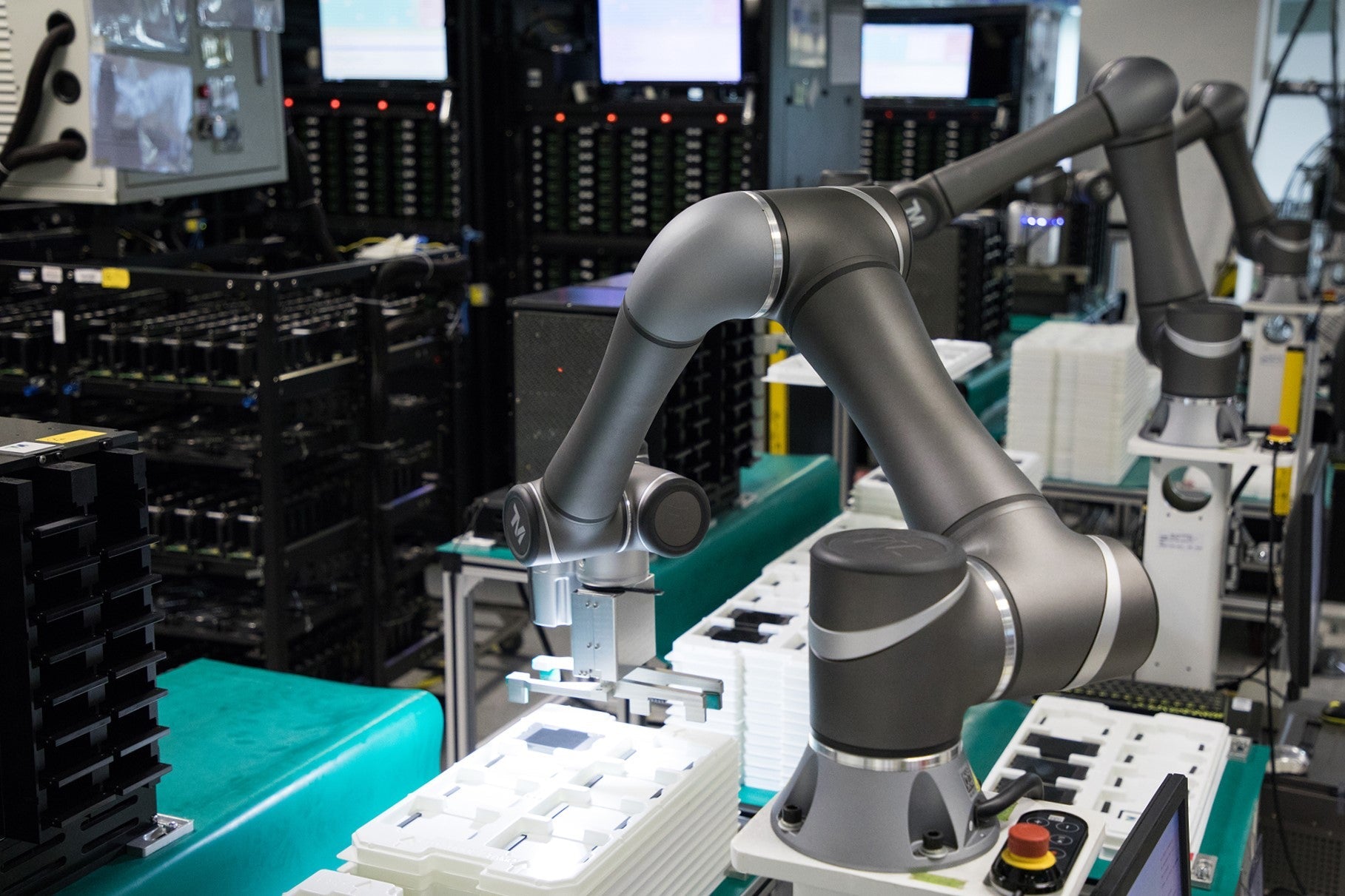
Redundant Automation Systems: Ensuring Continuous Uptime in Critical Control Infrastructure
System reliability directly determines operational profitability across high stakes process industries. Modern industrial automation platforms must eliminate single points of failure to prevent catastrophic shutdowns. Deploying fault tolerant architecture safeguards complex facilities against unexpected hardware glitches, network disruptions, and maintenance outages.

Understanding Types of Noise in Electronic Circuits and Control Systems
Signal integrity directly determines measurement accuracy and loop stability across industrial automation environments. Electronic noise introduces unwanted stochastic interference into analog loops, sensor feedback lines, and digital fieldbus networks. Understanding how intrinsic electronic noise and external electromagnetic interference manifest allows control engineers to optimize signal conditioning and shield sensitive instrumentation effectively.

Why 24V DC Power Supplies Standardize Modern Industrial Automation
Industrial control cabinets worldwide rely on 24V DC as the universal power standard for field instrumentation, sensors, and controllers. Walk into any manufacturing plant, and you will find PLCs, human-machine interfaces (HMIs), and smart actuators running on extra-low voltage DC. Standardizing on 24V DC enhances operational safety, lowers cabinet footprint, and maintains steady control performance across factory networks.