










Product Details
Product Overview
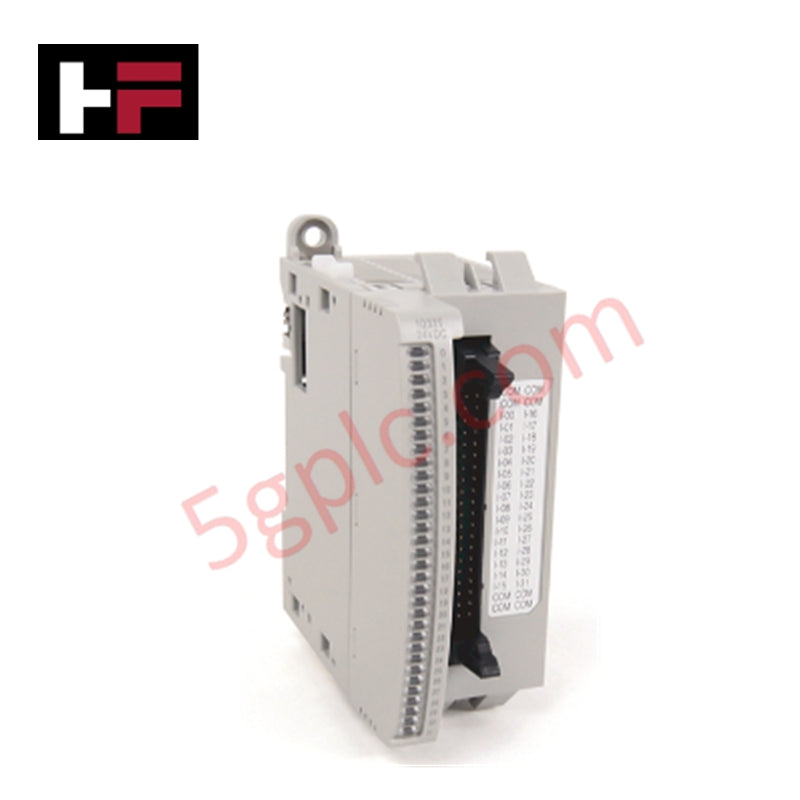
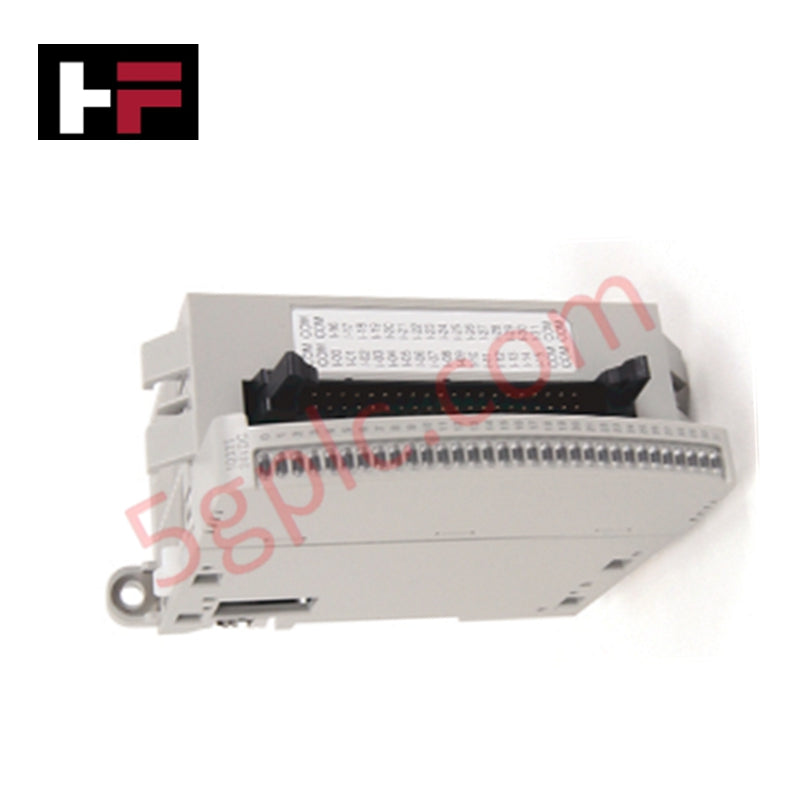
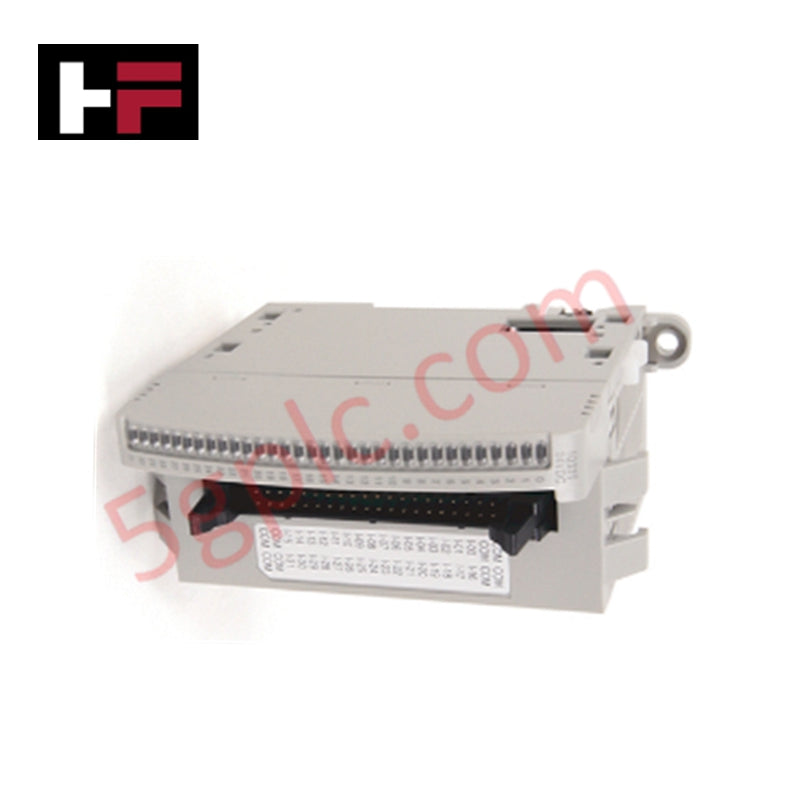
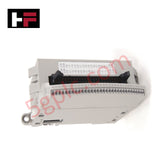
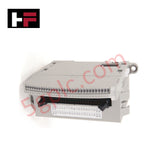
The Allen-Bradley 2085-IQ32T serves as a high-density expansion interface for the Micro850 and Micro870 programmable logic controller families. This module significantly expands the system capacity by providing 32 discrete input points in a single expansion slot. It supports both sinking and sourcing wiring configurations, offering maximum flexibility for interfacing with a wide range of industrial sensors and switches. We supply this unit as 100% Brand New and Original, ensuring your automation architecture utilizes factory-tested, high-reliability hardware with zero prior field cycles.
Technical Specifications
| Parameter | Specification Details |
| Input Points | 32 Inputs |
| Operating Voltage Range | 10V to 30V DC |
| Input Circuit Type | 24V DC Sink/Source (also supports 24V AC) |
| On-State Current (Nominal) | 5.2 mA @ 24V DC |
| Off-State Current (Max) | 1.2 mA |
| Input Impedance (Max) | 4.6 kΩ |
| Backplane Current Draw | 190 mA @ 5V DC |
| Power Dissipation | 7 Watts (Total) |
| Status Indicators | 32 Yellow LED Indicators |
| Weight | 0.50 lbs (0.23 kg) |
Engineering Advantages
-
High-Density Space Optimization: The 2085-IQ32T packs 32 input channels into a slim form factor. This density allows for massive I/O expansion without requiring additional chassis or large enclosures, effectively solving the problem of limited DIN rail space in complex control panels.
-
Universal Input Versatility: The internal circuitry accommodates both 24V DC (Sink or Source) and 24V AC (50/60 Hz) signals. This flexibility enables engineers to consolidate different signal types onto a single module, reducing the overall bill of materials and simplifying inventory management.
-
Instantaneous Diagnostics: 32 dedicated yellow LED indicators provide real-time status for every input channel. Maintenance technicians can identify failed field devices or wiring breaks at a glance, bypassing the need for a laptop connection during initial hardware troubleshooting.
-
Rigid Backplane Integration: The module snaps securely onto the Micro800 expansion bus. This direct connection ensures high-speed data throughput and vibration resistance, preventing the intermittent signal drops often found in modular systems with weaker interlocking mechanisms.
FAQs
Q: Does the 2085-IQ32T require a separate terminal block?
A: Yes. High-density modules like the 2085-IQ32T typically utilize specific terminal block headers to manage the 32-point wiring. Ensure you select the correct compatible terminal block for the 2085 series to facilitate secure and organized field wiring.
Q: Can I use this module with a Micro820 controller?
A: No. The 2085-IQ32T expansion module only supports the Micro850 and Micro870 PLC families. The Micro820 uses 2080-series "Plug-in" modules that insert directly into the controller front, rather than the "Expansion" modules that mount to the right side of the CPU.
Q: Is this unit "New Surplus" or "Brand New"?
A: We guarantee this 2085-IQ32T is 100% Brand New and Original. It arrives in its original factory-sealed Allen-Bradley packaging. This ensures the optoisolators and internal semiconductors have never experienced thermal stress, providing the maximum possible service life for your application.
Q: What happens if the leakage current of my sensor exceeds 1.2 mA?
A: The module defines 1.2 mA as the maximum off-state current. If your sensor’s leakage current exceeds this value, the input may stay in the "ON" state erroneously. To prevent this, you must add a bleed resistor across the input to shunt the excess leakage current to ground.
Additional Information
- 100% Genuine Parts: All products are original and authentic, ensuring reliable industrial performance.
- 30-Day Refund Guarantee: Return any in-stock item within 30 days in original, unopened packaging for a full refund (excluding shipping and fees).
- 12-Month Warranty: Covers defects in materials or workmanship; excludes misuse, normal wear, or unauthorized modifications.
- Worldwide Shipping: We ship via USPS, UPS, FedEx, and DHL. Delivery times vary by country and may be subject to customs or import fees.
- Support & Contact: Technical and warranty assistance is available anytime. Contact us here: Contact.
- Purchase Guidance: Check product specifications and compatibility carefully before ordering to ensure proper application.


Tech & Buying Guide

Redundant Automation Systems: Ensuring Continuous Uptime in Critical Control Infrastructure
System reliability directly determines operational profitability across high stakes process industries. Modern industrial automation platforms must eliminate single points of failure to prevent catastrophic shutdowns. Deploying fault tolerant architecture safeguards complex facilities against unexpected hardware glitches, network disruptions, and maintenance outages.

Understanding Types of Noise in Electronic Circuits and Control Systems
Signal integrity directly determines measurement accuracy and loop stability across industrial automation environments. Electronic noise introduces unwanted stochastic interference into analog loops, sensor feedback lines, and digital fieldbus networks. Understanding how intrinsic electronic noise and external electromagnetic interference manifest allows control engineers to optimize signal conditioning and shield sensitive instrumentation effectively.

Why 24V DC Power Supplies Standardize Modern Industrial Automation
Industrial control cabinets worldwide rely on 24V DC as the universal power standard for field instrumentation, sensors, and controllers. Walk into any manufacturing plant, and you will find PLCs, human-machine interfaces (HMIs), and smart actuators running on extra-low voltage DC. Standardizing on 24V DC enhances operational safety, lowers cabinet footprint, and maintains steady control performance across factory networks.