












Product Details
Product Overview
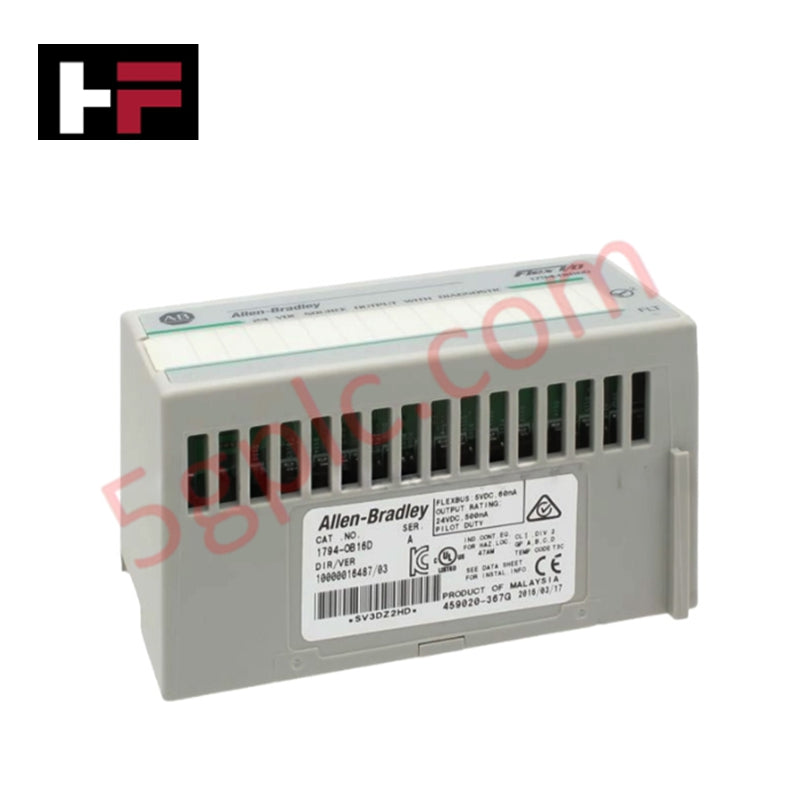
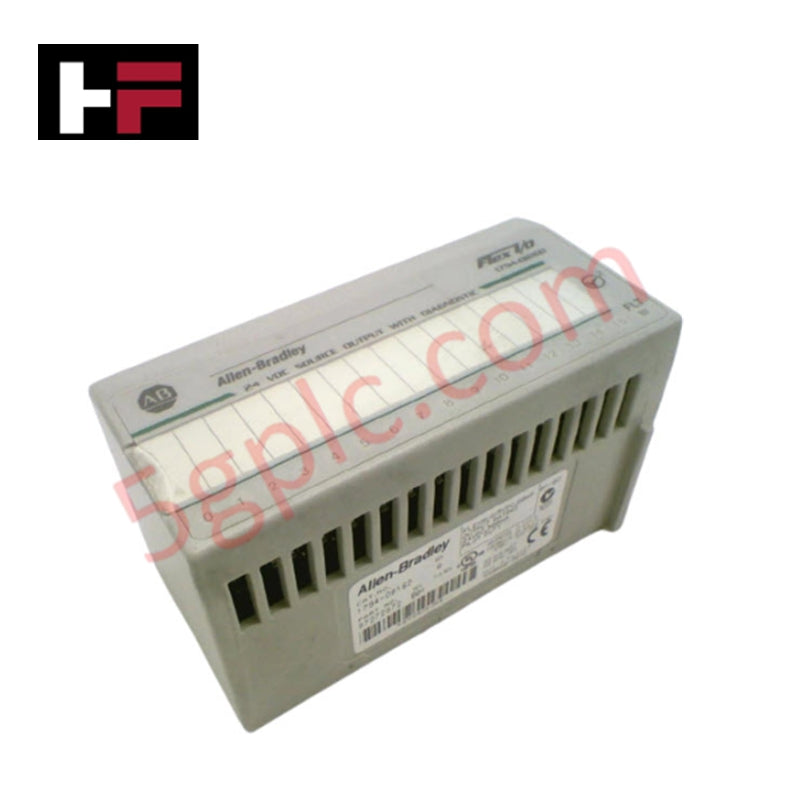
The Allen-Bradley 1794-OB16D operates as a high-density, smart discrete output interface for the Flex I/O platform. It provides 16 non-isolated sourcing outputs designed to drive solenoids, motor starters, and indicators. Unlike standard output modules, the "D" variant includes advanced onboard diagnostics, including open-wire detection and short-circuit protection. We supply this module as 100% Brand New and Original, ensuring your automated systems benefit from factory-sealed component integrity and precise fault monitoring.
Technical Specifications
The 1794-OB16D manages high-current loads while maintaining a low thermal footprint within the enclosure.
| Feature | Specification |
| Manufacturer | Allen-Bradley / Rockwell Automation |
| Module Type | Diagnostic Digital Output Module |
| Number of Outputs | 16 Channels (Sourcing) |
| Nominal Voltage | 24V DC |
| Voltage Range | 10V DC to 31.2V DC |
| Output Current Rating | 8.0 A per module (0.5 A per channel max) |
| Surge Current | 2 A for 50 ms (repeatable every 2s) |
| On-State Voltage Drop | 0.5V DC (Maximum) |
| Off-State Leakage | 0.5 mA (Maximum) |
| Isolation Voltage | 50V Continuous (Basic Insulation) |
| Power Dissipation | 4.8 W @ 31.2V DC |
| Signal Delay (On/Off) | 0.5 ms / 0.5 ms |
Engineering Advantages
-
Integrated Circuit Protection: The module features thermal shutdown capabilities with an auto-reset function. It automatically detects short circuits when the output port voltage drops below 2V despite an active signal. This prevents hardware damage and reduces the need for manual fuse replacements in the field.
-
Proactive Fault Diagnostics: The 1794-OB16D identifies open-wire conditions during the off-state using a 0.1 mA leakage current. This allows the controller to detect a broken cable or disconnected load before the machine attempts to initiate a cycle, preventing unexpected process stops.
-
Reverse Polarity Safeguards: The internal circuitry detects reverse polarity in the external power supply (minimum 10V). This safeguard prevents catastrophic module failure caused by wiring errors during initial commissioning or field maintenance.
-
Rapid Signal Response: With an 0.5 ms switching delay for both "Off-to-On" and "On-to-Off" transitions, this module supports high-speed application requirements. It ensures precise timing for sorting, packaging, and high-frequency valve control.
FAQs
-
Which terminal bases work with the 1794-OB16D? You should mount this module on a 1794-TB2, 1794-TB3, or 1794-TB3S terminal base. The 1794-TB3 is generally preferred for applications requiring additional common and power terminations for field devices.
-
Can I use this module for high-inrush loads like large DC contactors?
Yes. The module handles a surge current of 2 A for 50 ms. Ensure the steady-state current does not exceed 0.5 A per channel and the total module current stays below 8.0 A to avoid triggering thermal shutdown.
-
How does the auto-reset feature work after a short circuit?
Once the module detects a short, it enters thermal shutdown to protect the switching transistor. After the circuit cools and you remove the fault condition, the module automatically resets and resumes normal operation without requiring a power cycle or software reset.
-
What is the primary benefit of the "D" diagnostic version over the standard 1794-OB16?
The 1794-OB16D provides "Open Wire" and "Short Circuit" status bits to the PLC. This allows the HMI to display specific fault locations, drastically reducing the Mean Time to Repair (MTTR) by pinpointing the exact failed channel or cable.
Additional Information
- 100% Genuine Parts: All products are original and authentic, ensuring reliable industrial performance.
- 30-Day Refund Guarantee: Return any in-stock item within 30 days in original, unopened packaging for a full refund (excluding shipping and fees).
- 12-Month Warranty: Covers defects in materials or workmanship; excludes misuse, normal wear, or unauthorized modifications.
- Worldwide Shipping: We ship via USPS, UPS, FedEx, and DHL. Delivery times vary by country and may be subject to customs or import fees.
- Support & Contact: Technical and warranty assistance is available anytime. Contact us here: Contact.
- Purchase Guidance: Check product specifications and compatibility carefully before ordering to ensure proper application.


Tech & Buying Guide
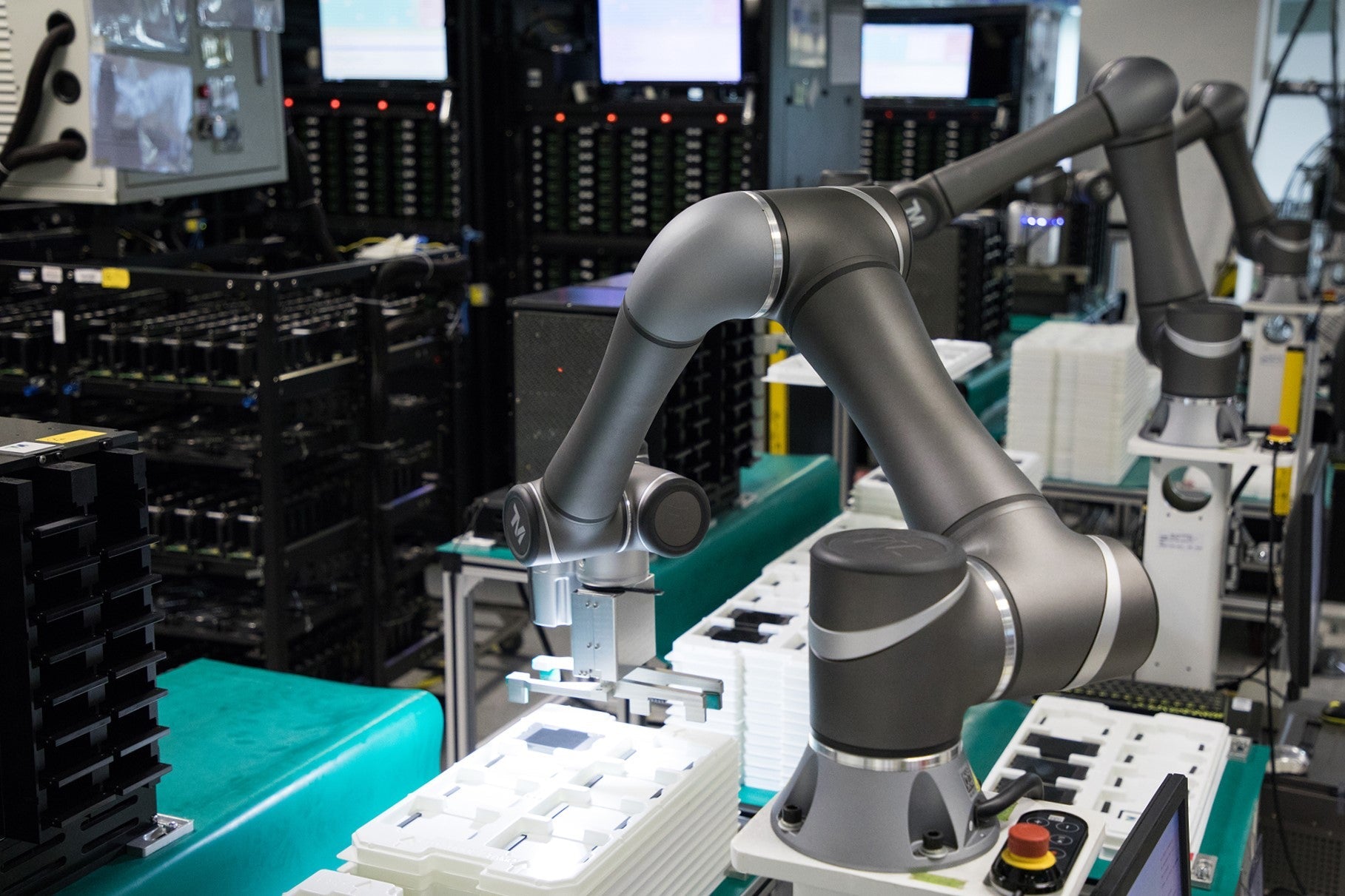
Redundant Automation Systems: Ensuring Continuous Uptime in Critical Control Infrastructure
System reliability directly determines operational profitability across high stakes process industries. Modern industrial automation platforms must eliminate single points of failure to prevent catastrophic shutdowns. Deploying fault tolerant architecture safeguards complex facilities against unexpected hardware glitches, network disruptions, and maintenance outages.

Understanding Types of Noise in Electronic Circuits and Control Systems
Signal integrity directly determines measurement accuracy and loop stability across industrial automation environments. Electronic noise introduces unwanted stochastic interference into analog loops, sensor feedback lines, and digital fieldbus networks. Understanding how intrinsic electronic noise and external electromagnetic interference manifest allows control engineers to optimize signal conditioning and shield sensitive instrumentation effectively.

Why 24V DC Power Supplies Standardize Modern Industrial Automation
Industrial control cabinets worldwide rely on 24V DC as the universal power standard for field instrumentation, sensors, and controllers. Walk into any manufacturing plant, and you will find PLCs, human-machine interfaces (HMIs), and smart actuators running on extra-low voltage DC. Standardizing on 24V DC enhances operational safety, lowers cabinet footprint, and maintains steady control performance across factory networks.