




Product Details
Product Overview
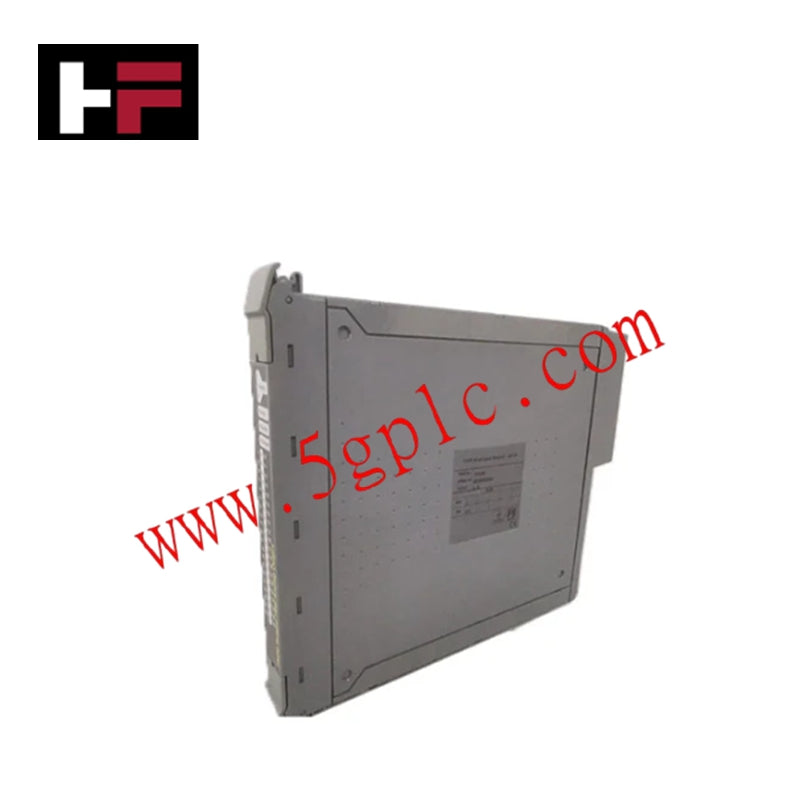
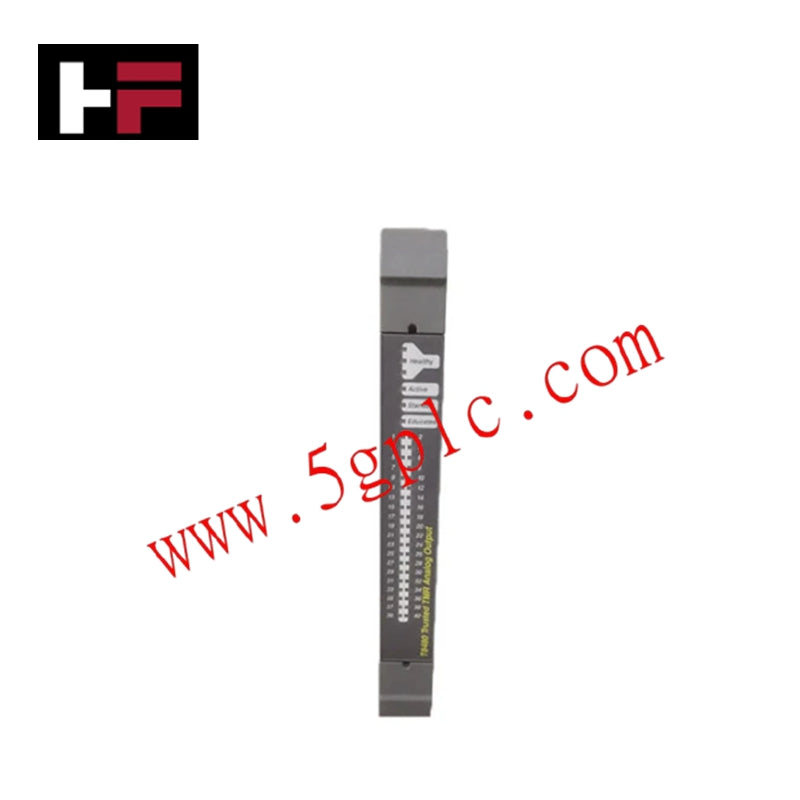
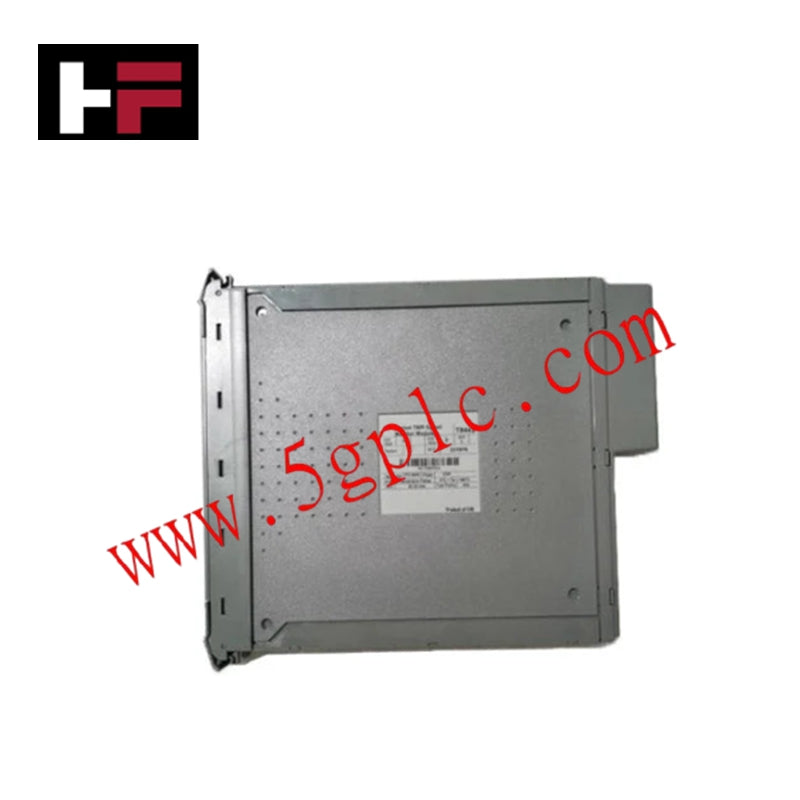
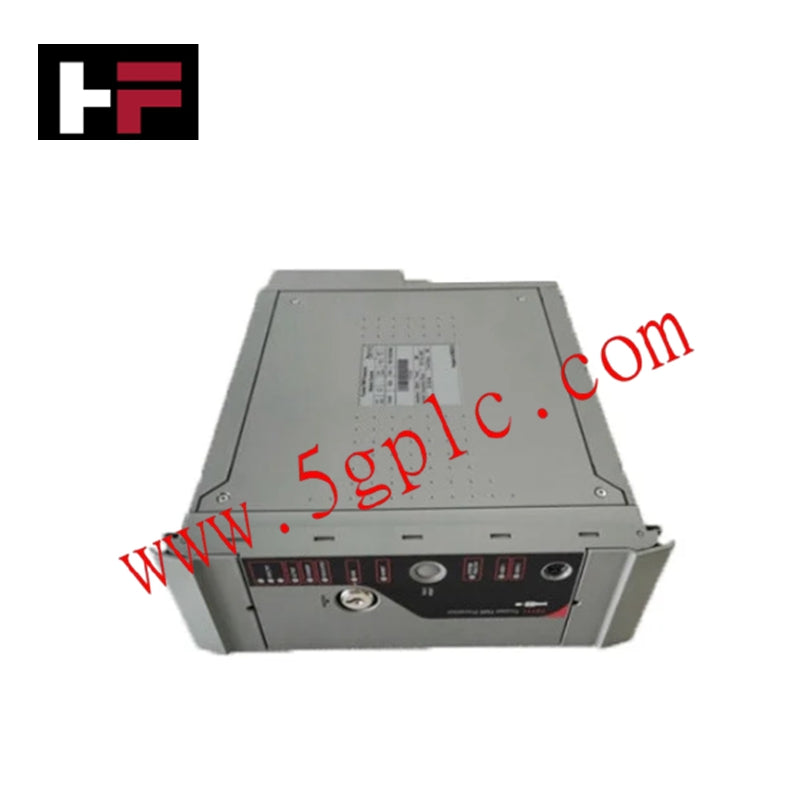
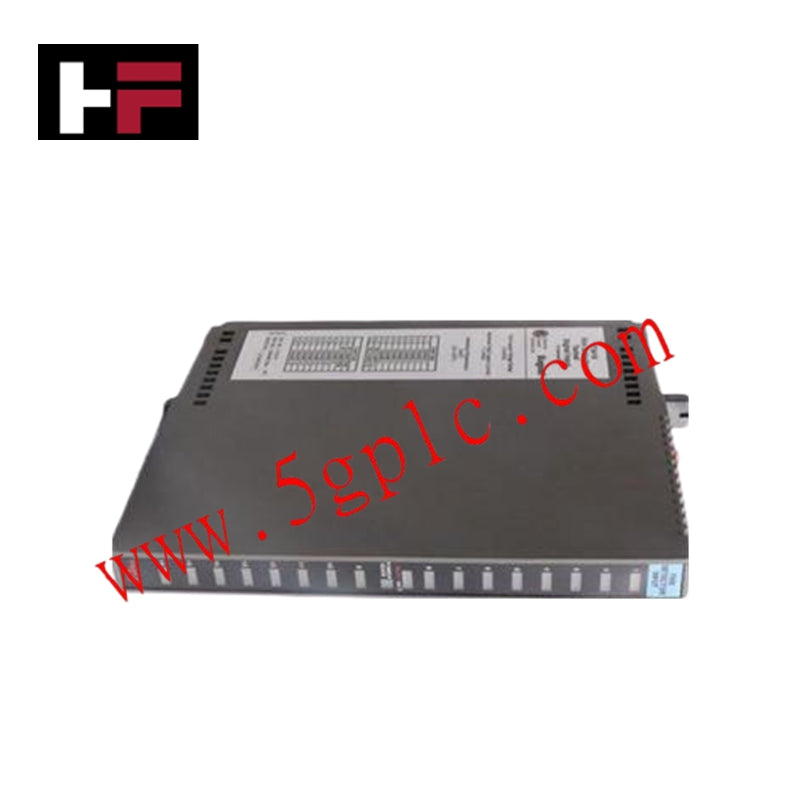
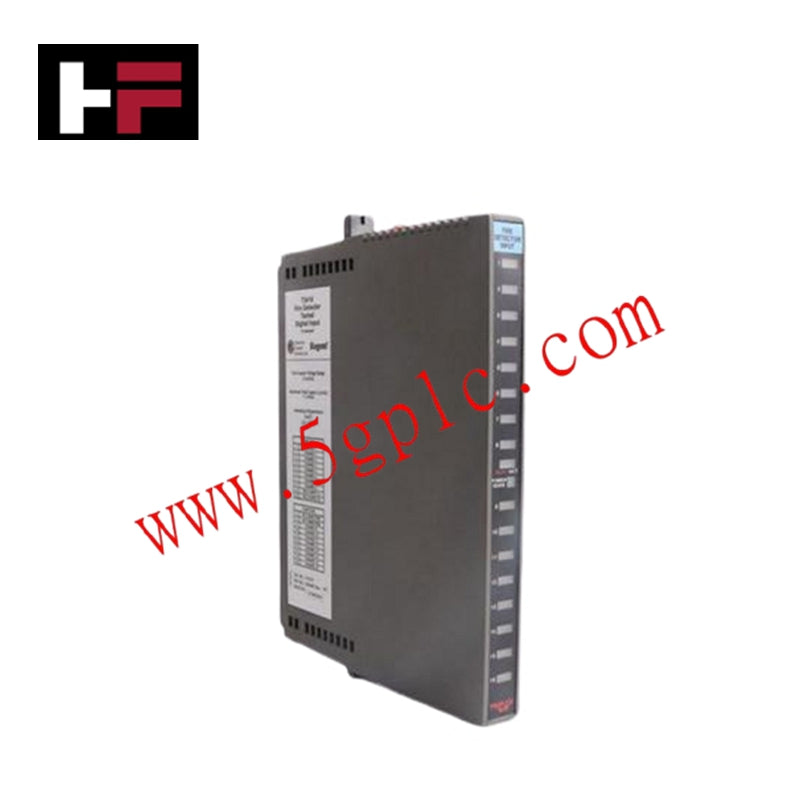
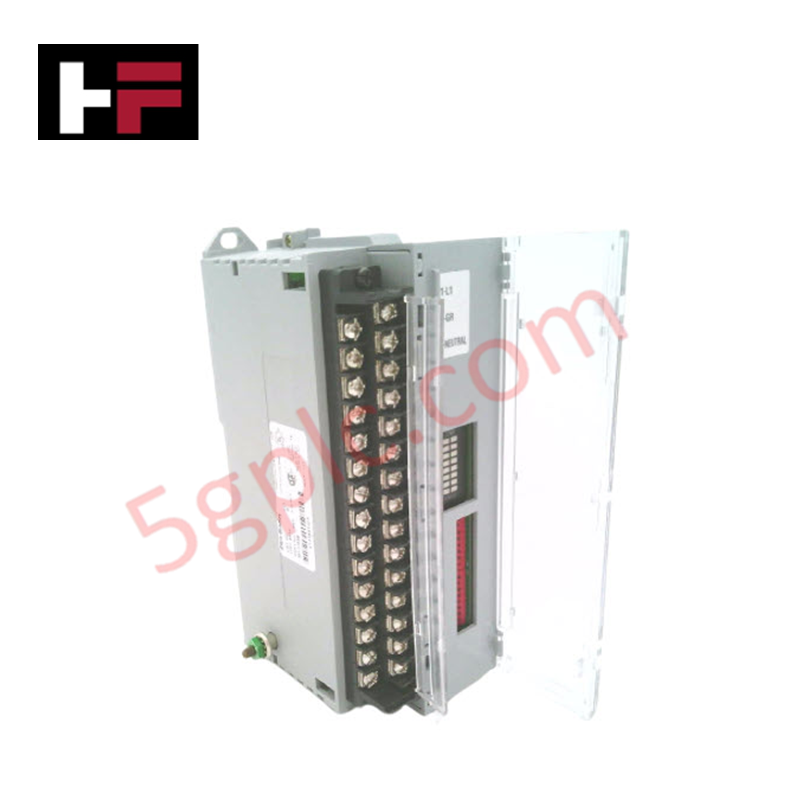
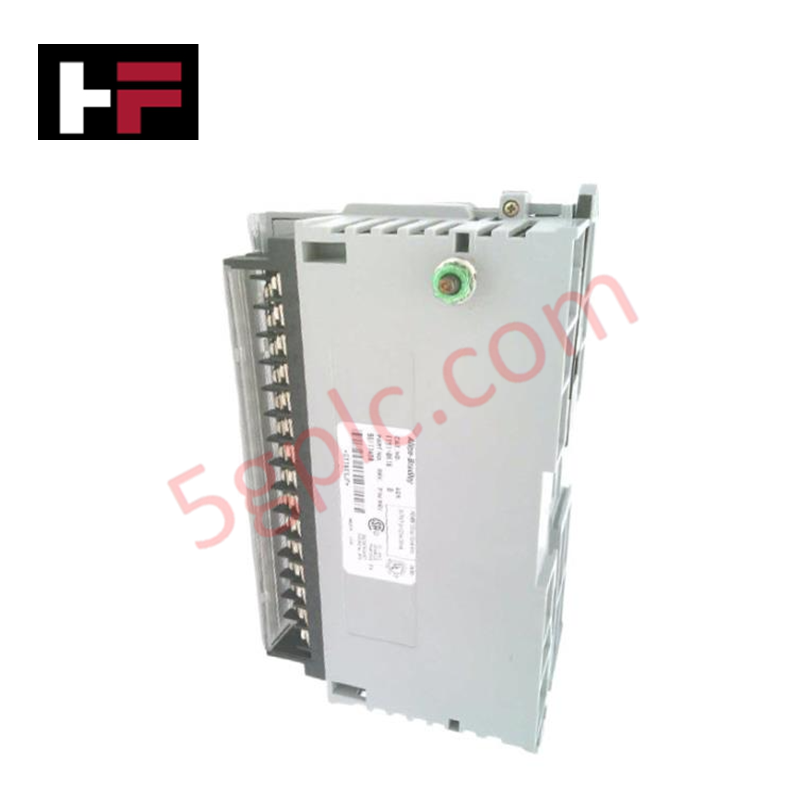
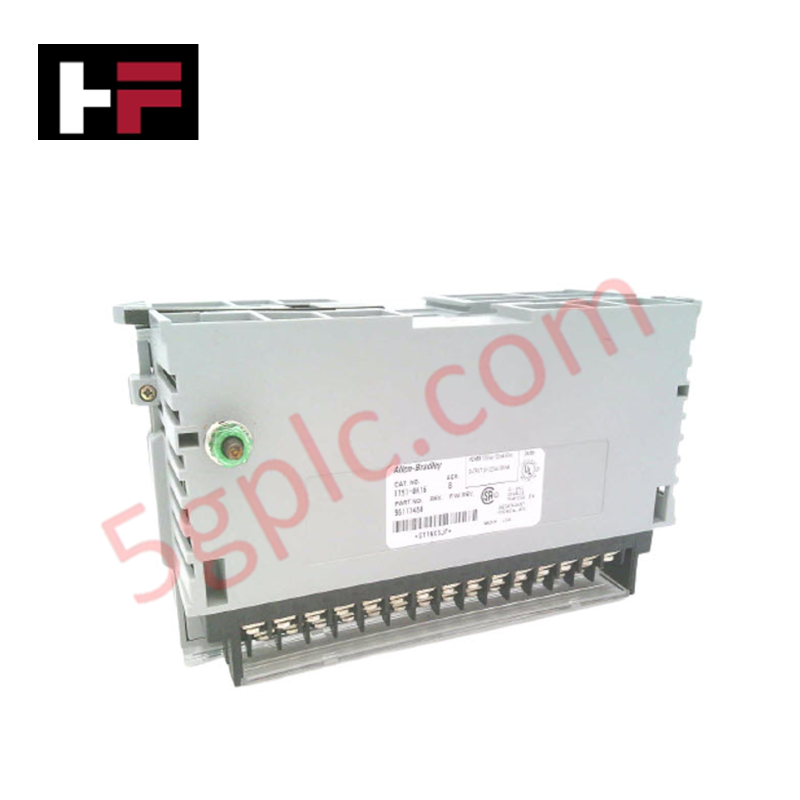
The Allen Bradley 1791-OA16 provides a high-density, self-contained solution for distributed digital control. As a primary member of the 1791 Block I/O family, this module eliminates the need for a separate rack and power supply, interfacing directly with PLC-2, PLC-3, and PLC-5 processors. We supply this unit as 100% Brand New original stock, offering a vital lifecycle extension for legacy automation systems that require precise 120VAC load switching.
Technical Specifications
The 1791-OA16 utilizes a dual-group architecture to manage 16 independent AC outputs.
| Parameter | Specification |
| Manufacturer | Allen Bradley (Rockwell Automation) |
| Output Type | Digital AC Output |
| Number of Outputs | 16 (Two groups of 8) |
| Nominal Voltage | 120 VAC |
| Operating Voltage Range | 20–132 VAC |
| Max. On-State Current | 500 mA per output (at 120V) |
| Minimum Load Current | 50 mA per output |
| Surge Current | 10 A for 50 ms (repeatable every 2 sec) |
| On-State Voltage Drop | 1.5V peak @ 300mA |
| OFF State Leakage | 3 mA (max) |
| External Power Requirement | 85–132 VAC |
Engineering Advantages
-
Self-Contained Efficiency: The 1791-OA16 integrates the I/O adapter, power supply, and terminal block into a single footprint. This "Block" design saves significant DIN rail space and reduces the total cost of installation by removing the requirement for an I/O chassis.
-
High Surge Handling: Industrial inductive loads like solenoids and motor starters often generate high inrush currents. The 1791-OA16 handles 10A surges for up to 50ms, protecting the internal circuitry while ensuring successful activation of heavy-duty field devices.
-
Flexible Mounting Geometry: Engineers can mount the block either vertically or horizontally. This flexibility allows the module to fit into shallow junction boxes or narrow side-panels where traditional rack-mounted I/O cannot go.
-
Robust Timing for Synchronized Control: The module achieves a fast turn-on delay of 1.0 ms. For de-energizing, it follows zero-cross principles (8.3ms @ 60Hz), which reduces electrical noise and extends the mechanical life of connected AC actuators.
FAQs
-
Can the 1791-OA16 replace a standard 1771 rack-mounted AC output module?
Functionally, yes. While the 1771 series requires a chassis, the 1791-OA16 performs the same 120VAC output switching but as a standalone block. It communicates via the same Remote I/O (RIO) link, making it an excellent choice for adding points to an existing PLC-5 system without adding a new rack.
-
What should I consider regarding the 3mA leakage current?
Small AC loads, such as high-impedance relays or LED indicators, may remain "ON" due to the 3mA leakage current even when the output is technically "OFF." If using very low-current field devices, install a bleed resistor (load resistor) across the output to ensure the device drops below its holding current.
-
Is the external 85-132V AC power required for the logic side or the load side?
The external power source drives the internal logic and the communication circuitry of the block. You must provide a stable 120VAC source to the power terminals to maintain the RIO link, independent of the voltage applied to the output loads.
-
Does this module support individual channel isolation?
The 16 outputs are organized into two groups of eight. While the groups are isolated from each other, the eight channels within a single group share a common return. Ensure your wiring plan accounts for this shared common to avoid accidental backfeeding.
Additional Information
- 100% Genuine Parts: All products are original and authentic, ensuring reliable industrial performance.
- 30-Day Refund Guarantee: Return any in-stock item within 30 days in original, unopened packaging for a full refund (excluding shipping and fees).
- 12-Month Warranty: Covers defects in materials or workmanship; excludes misuse, normal wear, or unauthorized modifications.
- Worldwide Shipping: We ship via USPS, UPS, FedEx, and DHL. Delivery times vary by country and may be subject to customs or import fees.
- Support & Contact: Technical and warranty assistance is available anytime. Contact us here: Contact.
- Purchase Guidance: Check product specifications and compatibility carefully before ordering to ensure proper application.


Tech & Buying Guide
Redundant Automation Systems: Ensuring Continuous Uptime in Critical Control Infrastructure
System reliability directly determines operational profitability across high stakes process industries. Modern industrial automation platforms must eliminate single points of failure to prevent catastrophic shutdowns. Deploying fault tolerant architecture safeguards complex facilities against unexpected hardware glitches, network disruptions, and maintenance outages.

Understanding Types of Noise in Electronic Circuits and Control Systems
Signal integrity directly determines measurement accuracy and loop stability across industrial automation environments. Electronic noise introduces unwanted stochastic interference into analog loops, sensor feedback lines, and digital fieldbus networks. Understanding how intrinsic electronic noise and external electromagnetic interference manifest allows control engineers to optimize signal conditioning and shield sensitive instrumentation effectively.

Why 24V DC Power Supplies Standardize Modern Industrial Automation
Industrial control cabinets worldwide rely on 24V DC as the universal power standard for field instrumentation, sensors, and controllers. Walk into any manufacturing plant, and you will find PLCs, human-machine interfaces (HMIs), and smart actuators running on extra-low voltage DC. Standardizing on 24V DC enhances operational safety, lowers cabinet footprint, and maintains steady control performance across factory networks.