










Product Details
Product Overview
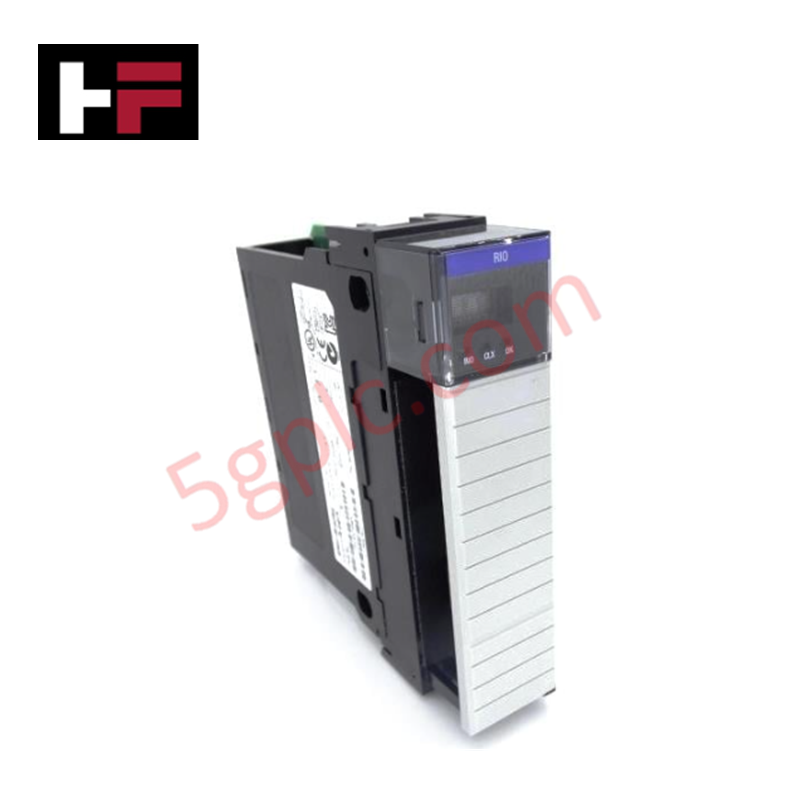
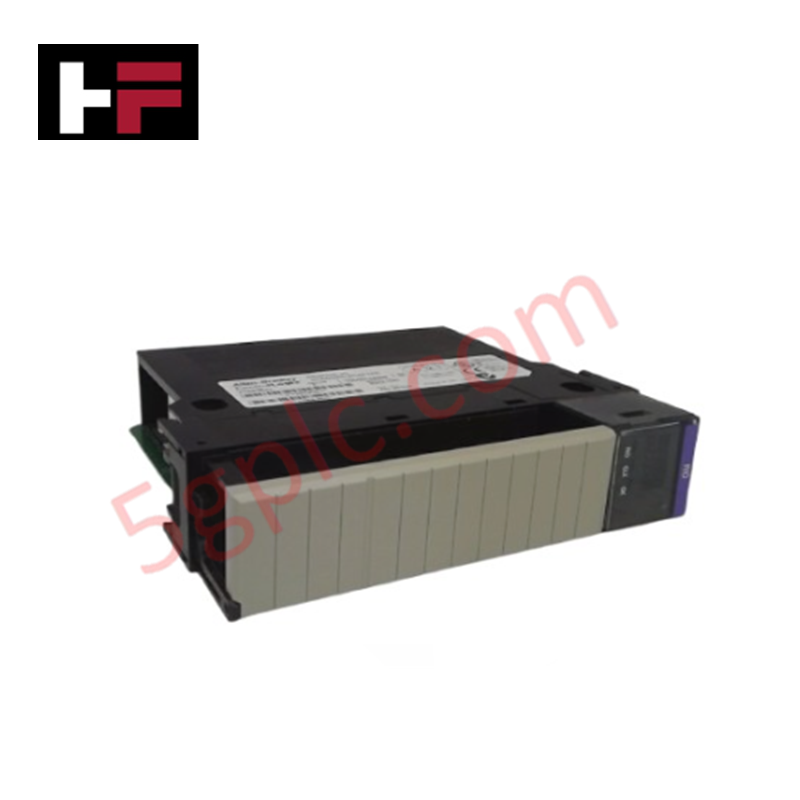
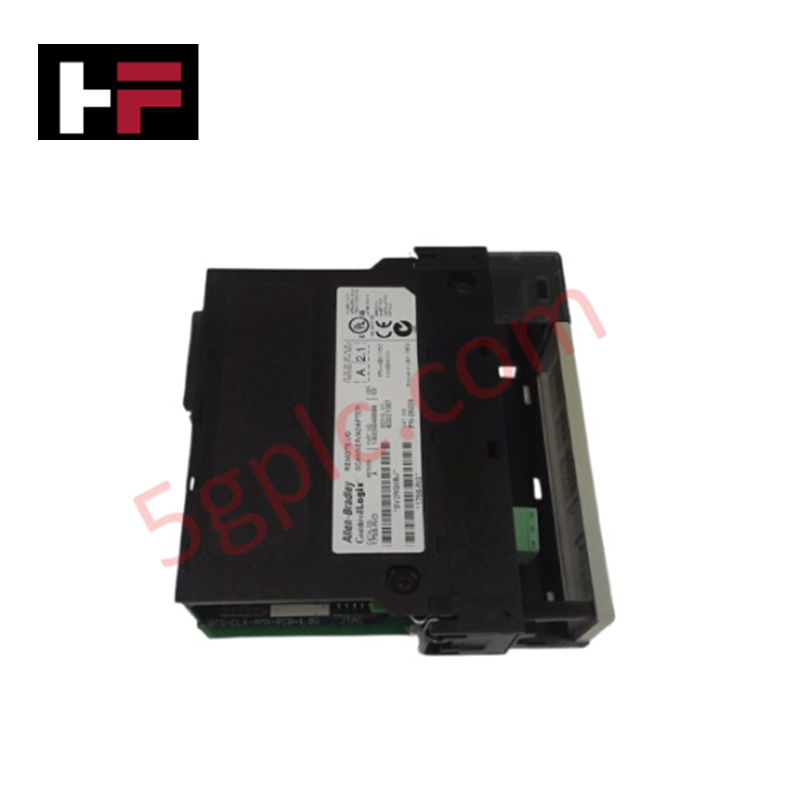
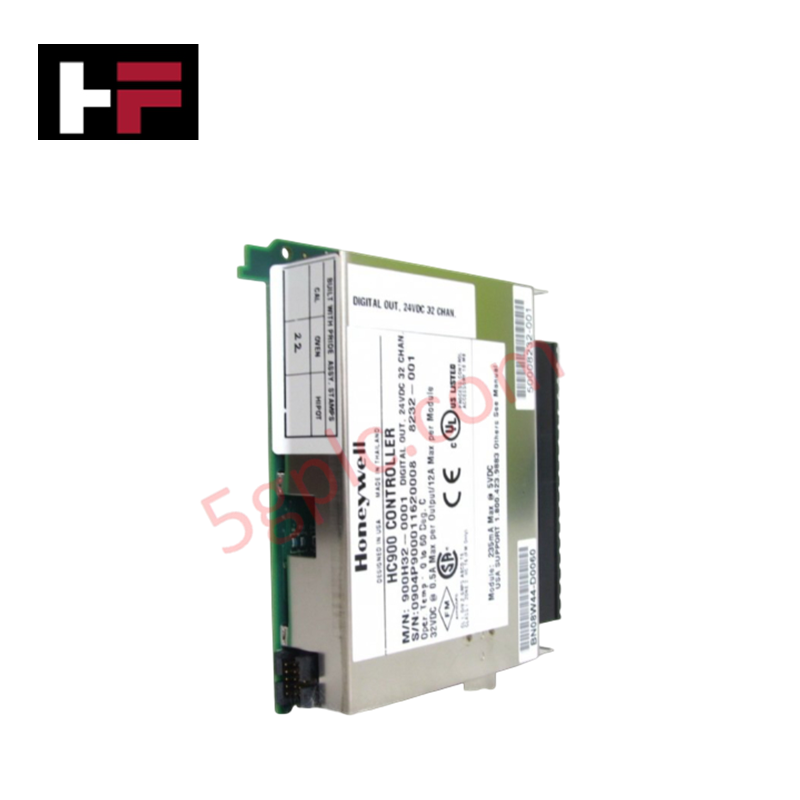
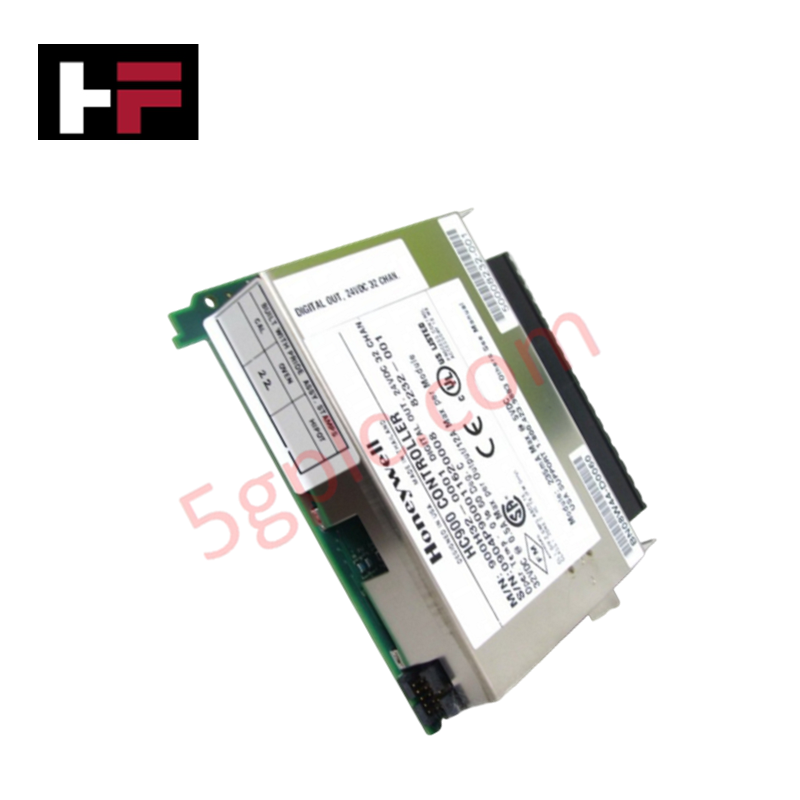
The 1756-RIO acts as a critical communication bridge between modern ControlLogix platforms and legacy Remote I/O (RIO) networks. This module enables a ControlLogix controller to manage existing RIO field devices, including 1771 I/O racks and specialized adapters, without requiring a complete hardware overhaul. It supports both scanner and adapter modes, allowing for flexible master/slave configurations across the plant floor. We offer this unit as 100% Brand New and factory-original, ensuring seamless timing and signal integrity for your mission-critical legacy migrations.
Technical Specifications
The 1756-RIO facilitates high-speed data exchange across the backplane while maintaining strict synchronization with field devices.
| Feature | Specification |
| Network Support | Remote I/O (RIO) |
| Rack Capacity | Up to 32 Physical Racks |
| Data Transfer Types | Digital, Analog, Block-Transfer, Specialty |
| Current Draw (5.1V DC) | 450 mA |
| Current Draw (24V DC) | 5 mA |
| Power Dissipation | 2.5 Watts |
| Thermal Dissipation | 8.5 BTU/hr |
| Isolation Voltage | 50V (Continuous) |
| Slot Width | Single (1) Slot |
Engineering Advantages
-
Message-Free Data Transfer: The 1756-RIO handles complex data exchanges—including digital, analog, and block transfers—without requiring explicit "Message" (MSG) instructions in the controller logic. This hardware-level management reduces CPU overhead and simplifies code development.
-
Extended Legacy Life: This module allows facilities to upgrade their primary controllers to ControlLogix while retaining reliable 1771 I/O or 1794-ASB drops. This phased migration strategy slashes downtime and minimizes immediate capital expenditure.
-
Dual-Mode Versatility: Engineers can configure the 1756-RIO as either a Scanner (controlling other devices) or an Adapter (acting as a slave to a remote PLC). This flexibility supports complex peer-to-peer data sharing between legacy and modern PLC architectures.
-
High-Capacity Networking: Supporting up to 32 physical racks and 10 scheduled I/O connections, a single 1756-RIO manages extensive distributed I/O layouts. Its low thermal dissipation (8.5 BTU/hr) prevents heat buildup in densely packed ControlLogix chassis.
FAQs
-
Can the 1756-RIO handle Block Transfers for analog modules?
Yes. The module fully supports Block Transfer (BT) protocols, allowing the ControlLogix controller to read and write multi-word data to analog and specialty modules located on the RIO network.
-
Where should I install the module in the 1756 chassis?
You can install the 1756-RIO in any available slot within the ControlLogix chassis. It draws power directly from the backplane and does not require a specific slot assignment for scanner functionality.
-
Does this module require a separate power supply for the RIO link?
No. The 1756-RIO draws its operating power (5.1V and 24V DC) from the chassis backplane. The "Blue Hose" RIO network cable carries the signals; however, ensure you install proper terminating resistors (150 Ohm or 82 Ohm) at both ends of the physical RIO link.
-
Is this unit compatible with the 1756-L8 series controllers?
Yes. The 1756-RIO maintains compatibility across the ControlLogix family, providing a stable interface for L6, L7, and L8 controllers to communicate with legacy field drops.
Additional Information
- 100% Genuine Parts: All products are original and authentic, ensuring reliable industrial performance.
- 30-Day Refund Guarantee: Return any in-stock item within 30 days in original, unopened packaging for a full refund (excluding shipping and fees).
- 12-Month Warranty: Covers defects in materials or workmanship; excludes misuse, normal wear, or unauthorized modifications.
- Worldwide Shipping: We ship via USPS, UPS, FedEx, and DHL. Delivery times vary by country and may be subject to customs or import fees.
- Support & Contact: Technical and warranty assistance is available anytime. Contact us here: Contact.
- Purchase Guidance: Check product specifications and compatibility carefully before ordering to ensure proper application.


Tech & Buying Guide

Understanding Types of Noise in Electronic Circuits and Control Systems
Signal integrity directly determines measurement accuracy and loop stability across industrial automation environments. Electronic noise introduces unwanted stochastic interference into analog loops, sensor feedback lines, and digital fieldbus networks. Understanding how intrinsic electronic noise and external electromagnetic interference manifest allows control engineers to optimize signal conditioning and shield sensitive instrumentation effectively.
Why 24V DC Power Supplies Standardize Modern Industrial Automation
Industrial control cabinets worldwide rely on 24V DC as the universal power standard for field instrumentation, sensors, and controllers. Walk into any manufacturing plant, and you will find PLCs, human-machine interfaces (HMIs), and smart actuators running on extra-low voltage DC. Standardizing on 24V DC enhances operational safety, lowers cabinet footprint, and maintains steady control performance across factory networks.

Essential Motion Control Commands: A Practical Guide for Engineers
Automation engineers often rely on precise position and speed control to drive modern factory machinery. Modern industrial systems, such as Programmable Logic Controllers (PLCs) and Distributed Control Systems (DCS), depend heavily on standardized motion instructions. Mastering these commands ensures operational safety, protects mechanical components, and optimizes cycle times across production lines.