












Product Details
Product Overview
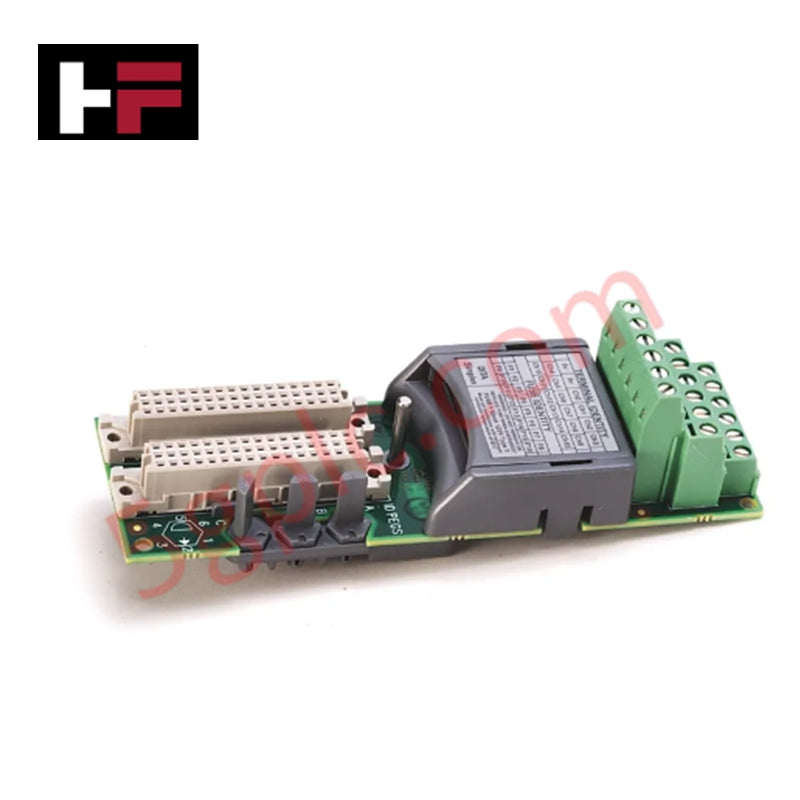
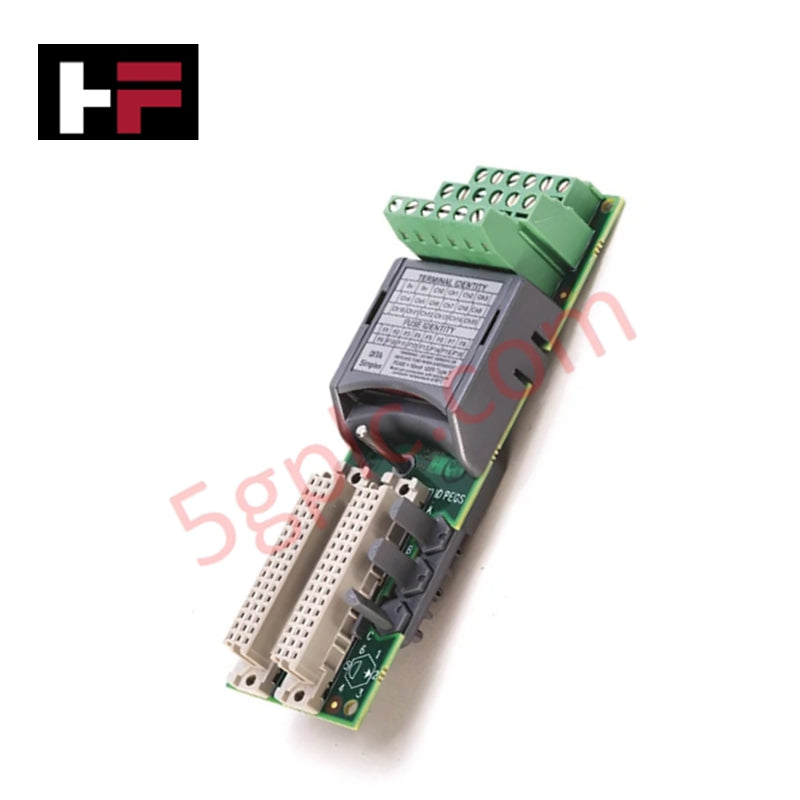
The Allen Bradley 1715-TASOF8 functions as a high-integrity, 8-channel analog output module specifically designed for the 1715 Redundant I/O platform. This module provides critical control signals (0 to 24 mA) to field devices such as valve positioners and actuators in applications requiring non-stop operation. It supports fault-tolerant configurations, allowing the system to maintain control even during hardware transitions. We supply this unit as 100% Brand New and Original, ensuring your safety-instrumented systems and critical control loops operate with OEM-certified precision.
Technical Specifications
The 1715-TASOF8 operates with the following electrical and physical parameters:
| Feature | Specification |
| Manufacturer | Allen Bradley (Rockwell Automation) |
| Number of Channels | 8 Channels |
| Output Range | 0 to 24 mA per channel |
| Field Loop Power | 18 to 32V DC |
| System Power Dissipation | 3.6 W (Maximum) |
| Isolation Voltage | 50V (Continuous) Basic Insulation |
| Dielectric Type Test | 500V AC for 60 seconds |
| Wiring Size | 22 to 16 AWG (0.33 to 1.5 mm²) |
| Weight | 0.26 Kg (0.57 lbs) |
| Dimensions (W x H) | 8.4 cm x 13.2 cm |
Engineering Advantages
The 1715-TASOF8 resolves complex availability and signal interference challenges in heavy industry:
-
High-Availability Architecture: This module integrates into the 1715 redundant bus, allowing for "Hot Swap" replacements without dropping the field signal. This eliminates downtime in continuous process industries like oil and gas or chemical refining.
-
Extended Output Range: The 0 to 24 mA capability provides additional headroom beyond the standard 4-20 mA range. This allows the controller to drive signals into over-range conditions for diagnostic purposes or specialized valve calibration.
-
Optimized Thermal Management: Low power dissipation (only 0.64 W per field loop) prevents heat buildup in high-density cabinets. This design maintains module longevity and prevents thermal-induced signal drift in high-ambient temperature environments.
-
Enhanced EMI Shielding: The module requires shielded signal ports (Wiring Category 2), which effectively isolates sensitive analog control signals from the electromagnetic noise generated by nearby variable frequency drives and high-voltage motors.
FAQs
-
Does this module support redundant configurations?
Yes. The 1715-TASOF8 is specifically built for the 1715 redundant I/O system. When installed in pairs on a redundant adapter base, it ensures that your analog output signal continues uninterrupted if one module fails.
-
What type of wire should I use for installation?
Always use shielded copper wire rated for at least 85 °C (185°F). For optimal signal integrity and compliance with the module’s wiring category, utilize 22 to 16 AWG solid or stranded shielded cable.
-
Is there isolation between the individual output channels?
The 1715-TASOF8 provides 50V continuous isolation between the I/O ports and the backplane. However, no isolation exists between individual I/O ports on the same module; therefore, you must ensure your field devices share a compatible common reference.
-
How do I confirm the "Brand New" status of this unit?
We deliver every 1715-TASOF8 in its original factory packaging. Each unit features the authentic Allen Bradley serial number and intact factory seals, ensuring the hardware has never been previously installed or refurbished.
Additional Information
- 100% Genuine Parts: All products are original and authentic, ensuring reliable industrial performance.
- 30-Day Refund Guarantee: Return any in-stock item within 30 days in original, unopened packaging for a full refund (excluding shipping and fees).
- 12-Month Warranty: Covers defects in materials or workmanship; excludes misuse, normal wear, or unauthorized modifications.
- Worldwide Shipping: We ship via USPS, UPS, FedEx, and DHL. Delivery times vary by country and may be subject to customs or import fees.
- Support & Contact: Technical and warranty assistance is available anytime. Contact us here: Contact.
- Purchase Guidance: Check product specifications and compatibility carefully before ordering to ensure proper application.


Tech & Buying Guide
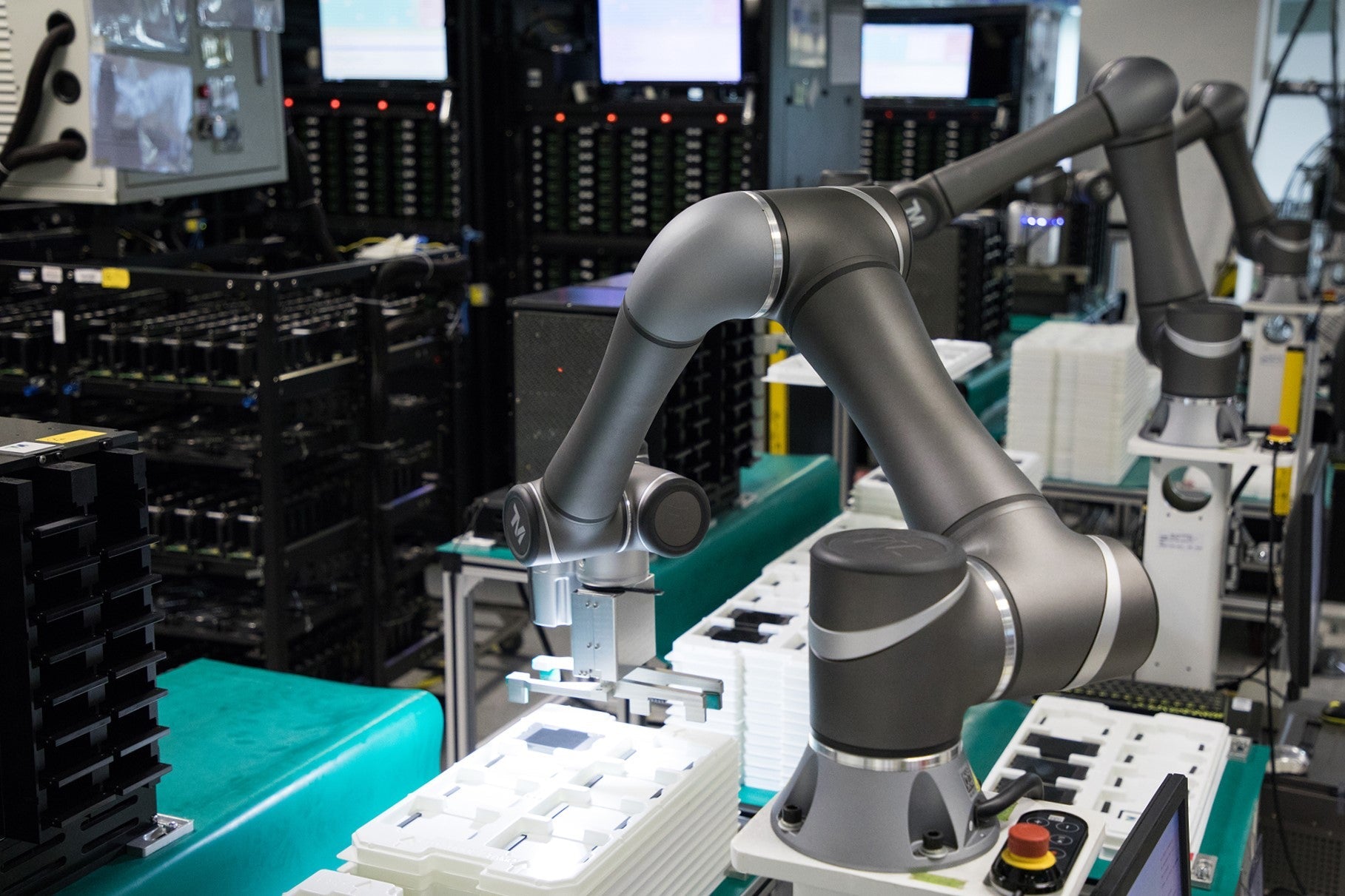
Redundant Automation Systems: Ensuring Continuous Uptime in Critical Control Infrastructure
System reliability directly determines operational profitability across high stakes process industries. Modern industrial automation platforms must eliminate single points of failure to prevent catastrophic shutdowns. Deploying fault tolerant architecture safeguards complex facilities against unexpected hardware glitches, network disruptions, and maintenance outages.

Understanding Types of Noise in Electronic Circuits and Control Systems
Signal integrity directly determines measurement accuracy and loop stability across industrial automation environments. Electronic noise introduces unwanted stochastic interference into analog loops, sensor feedback lines, and digital fieldbus networks. Understanding how intrinsic electronic noise and external electromagnetic interference manifest allows control engineers to optimize signal conditioning and shield sensitive instrumentation effectively.

Why 24V DC Power Supplies Standardize Modern Industrial Automation
Industrial control cabinets worldwide rely on 24V DC as the universal power standard for field instrumentation, sensors, and controllers. Walk into any manufacturing plant, and you will find PLCs, human-machine interfaces (HMIs), and smart actuators running on extra-low voltage DC. Standardizing on 24V DC enhances operational safety, lowers cabinet footprint, and maintains steady control performance across factory networks.