











Product Details
Product Overview
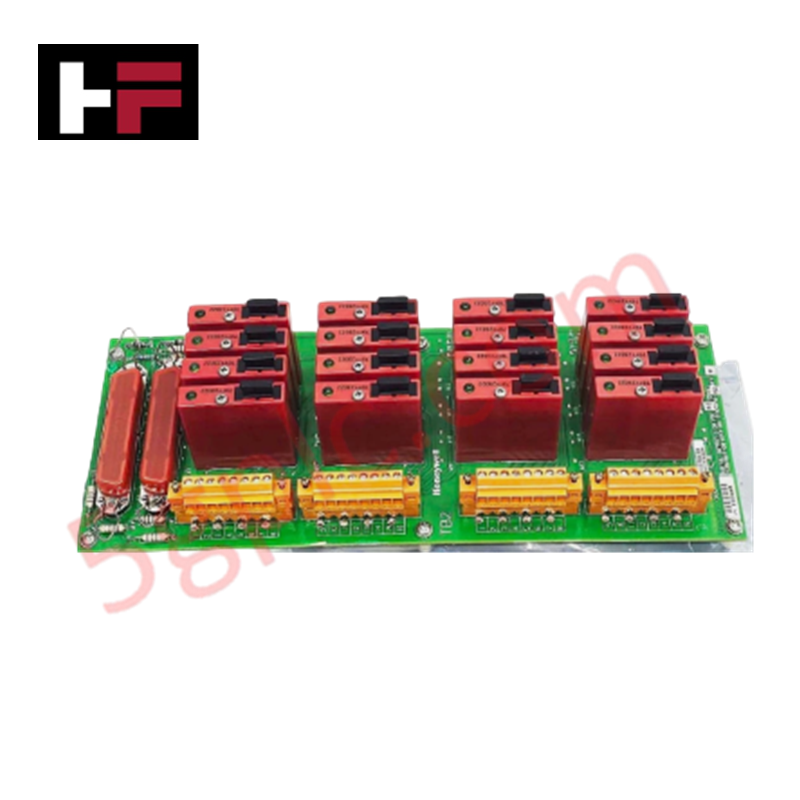
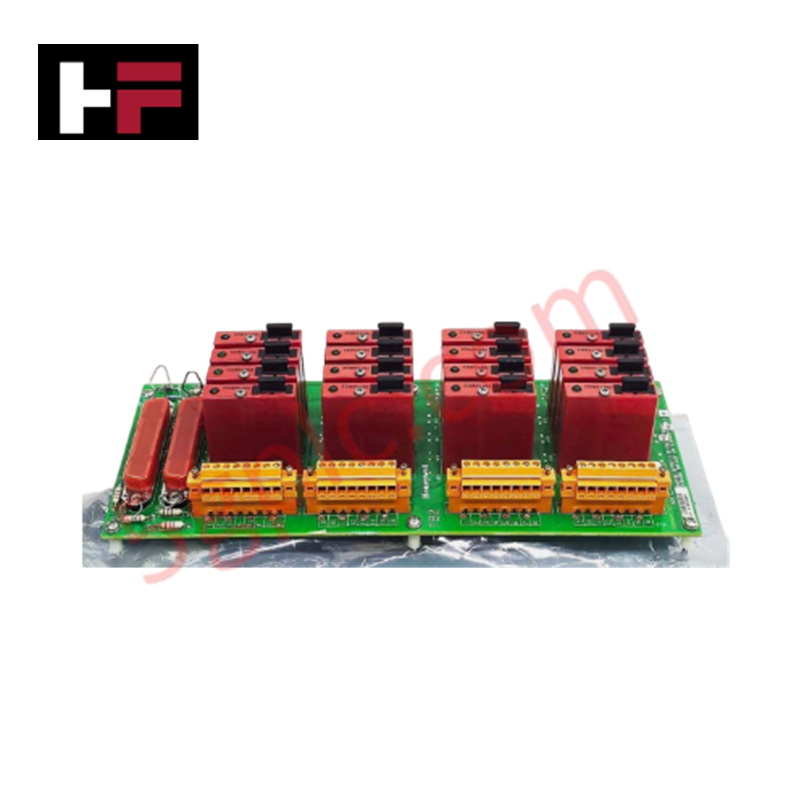
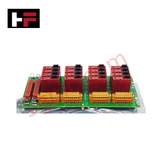
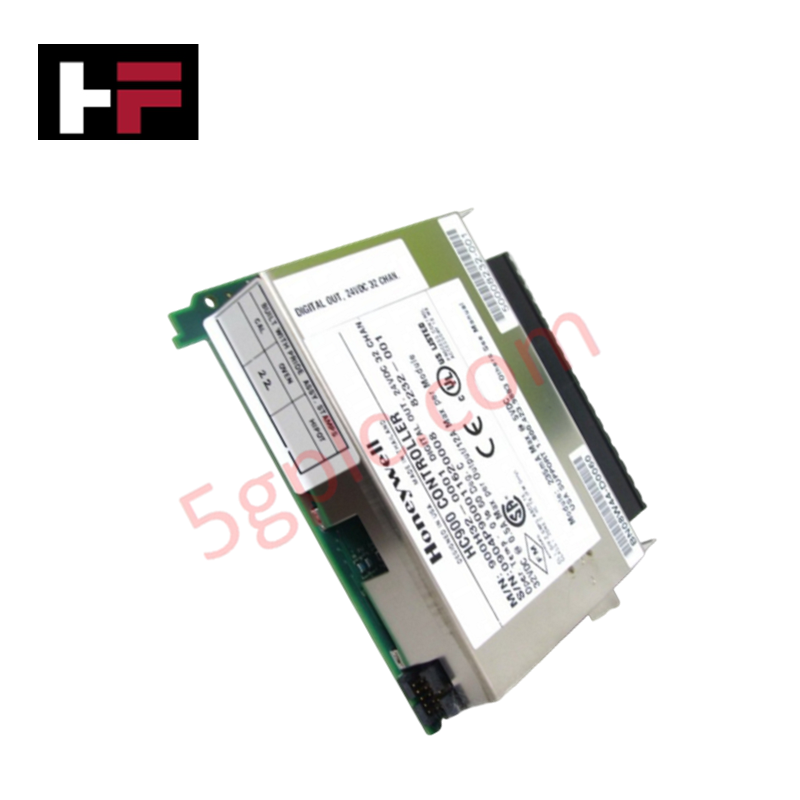
The Honeywell MC-TDOD13 (51304650-150) serves as a high-capacity discrete control interface within the Honeywell Experion PKS and TDC 3000 ecosystems. This 100% Brand New and original Digital Output module provides 16 independent channels of Form A dry contact outputs. It bridges the gap between low-level controller logic and high-power field devices such as solenoids, interposing relays, and motor starters. By isolating control signals from field-side electrical noise, it ensures deterministic executive control in critical automation environments.
Technical Specifications
| Feature | Performance Specification |
| Manufacturer | Honeywell |
| Part Number | 51304650-150 |
| Model Number | MC-TDOD13 |
| Number of Points | 16 Channels |
| Output Type | Form A Dry Contact |
| Output Current | 2A per point (Continuous) |
| Output Voltage | 30V DC Maximum |
| Common Voltage | 24V DC |
| Operating Temp | -40 to 70°C |
| Dimensions | 100 x 160 x 35mm |
| Weight | 0.5kg |
Engineering Advantages
-
High-Current Switching Capability: Each of the 16 points handles up to 2A continuous current. This eliminates the need for external interposing relays for many standard solenoid valves, reducing both cabinet complexity and total hardware costs.
-
Superior Isolation via Form A Contacts: The dry contact architecture provides physical galvanic isolation between the system electronics and field circuits. This solves the persistent industrial problem of ground loops and prevents field-side electrical transients from damaging the central I/O processor.
-
Ruggedized Environmental Resilience: The module maintains full operational integrity across a wide thermal gradient (-40 to 70°C). It withstands high-vibration environments up to 5g (10-500Hz) and mechanical shocks of 15g, making it ideal for installation on skid-mounted equipment or near heavy rotating machinery.
-
Low-Power Control Logic: Despite its high output capacity, the module requires only 5mA per point of input current at the logic level. This minimizes the thermal load on the internal DCS power supply and allows for maximum module density within the I/O rack.
-
Compact Marshalling Efficiency: The 100 x 160mm footprint optimizes rail space. This compact design facilitates the retrofit of legacy cabinets where space remains at a premium, allowing for expanded I/O counts without requiring new enclosure installations.
FAQs
-
What is the benefit of using Form A dry contacts for digital outputs?
Form A dry contacts function as a simple "normally open" switch. This allows you to use various external power sources for your field devices (up to 30V DC) while keeping the DCS electronics completely isolated, which significantly increases system safety and noise immunity.
-
Can the MC-TDOD13 51304650-150 replace older 16-point DO modules?
Yes, the 51304650-150 is a standard replacement for previous revisions of the MC-TDOD13. It offers improved thermal and vibration ratings compared to legacy versions, ensuring better longevity in non-climate-controlled environments.
-
Are there specific precautions for switching inductive loads?
When switching inductive loads like solenoids or large relays, we recommend installing external suppression (such as a flyback diode) across the load. This prevents arc-induced wear on the module's Form A contacts and extends the service life of the hardware.
-
How do I verify that this module is 100% Brand New?
We supply all units in their original Honeywell factory packaging with intact serial numbers. As a 100% Brand New original part, it has never been energized or installed in a rack, guaranteeing the full manufacturer-specified MTBF (Mean Time Between Failure).
Additional Information
- 100% Genuine Parts: All products are original and authentic, ensuring reliable industrial performance.
- 30-Day Refund Guarantee: Return any in-stock item within 30 days in original, unopened packaging for a full refund (excluding shipping and fees).
- 12-Month Warranty: Covers defects in materials or workmanship; excludes misuse, normal wear, or unauthorized modifications.
- Worldwide Shipping: We ship via USPS, UPS, FedEx, and DHL. Delivery times vary by country and may be subject to customs or import fees.
- Support & Contact: Technical and warranty assistance is available anytime. Contact us here: Contact.
- Purchase Guidance: Check product specifications and compatibility carefully before ordering to ensure proper application.
Tech & Buying Guide

Understanding Types of Noise in Electronic Circuits and Control Systems
Signal integrity directly determines measurement accuracy and loop stability across industrial automation environments. Electronic noise introduces unwanted stochastic interference into analog loops, sensor feedback lines, and digital fieldbus networks. Understanding how intrinsic electronic noise and external electromagnetic interference manifest allows control engineers to optimize signal conditioning and shield sensitive instrumentation effectively.

Why 24V DC Power Supplies Standardize Modern Industrial Automation
Industrial control cabinets worldwide rely on 24V DC as the universal power standard for field instrumentation, sensors, and controllers. Walk into any manufacturing plant, and you will find PLCs, human-machine interfaces (HMIs), and smart actuators running on extra-low voltage DC. Standardizing on 24V DC enhances operational safety, lowers cabinet footprint, and maintains steady control performance across factory networks.

Essential Motion Control Commands: A Practical Guide for Engineers
Automation engineers often rely on precise position and speed control to drive modern factory machinery. Modern industrial systems, such as Programmable Logic Controllers (PLCs) and Distributed Control Systems (DCS), depend heavily on standardized motion instructions. Mastering these commands ensures operational safety, protects mechanical components, and optimizes cycle times across production lines.