










Product Details
Product Overview
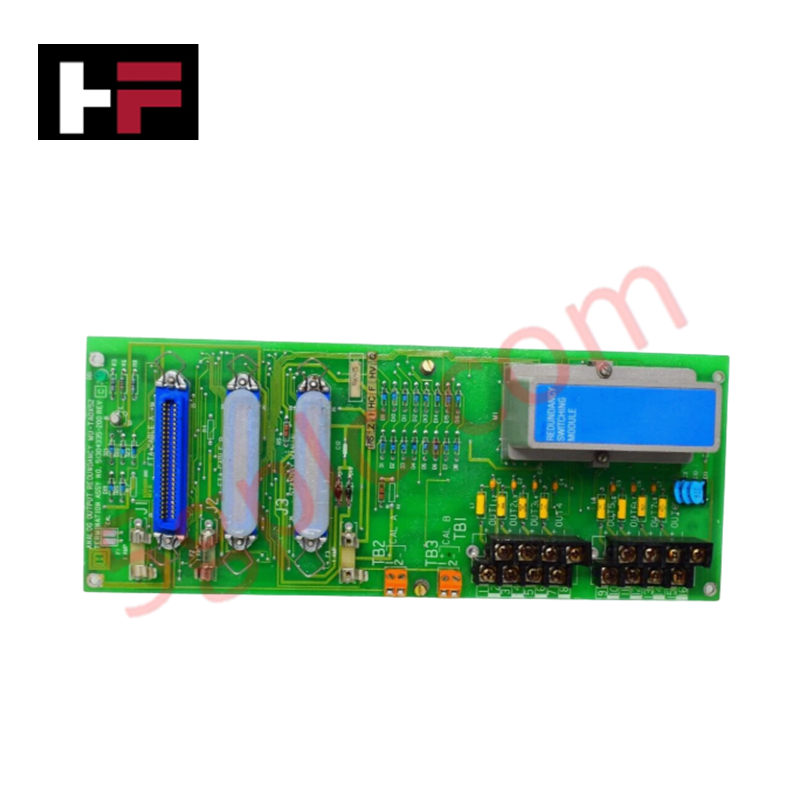
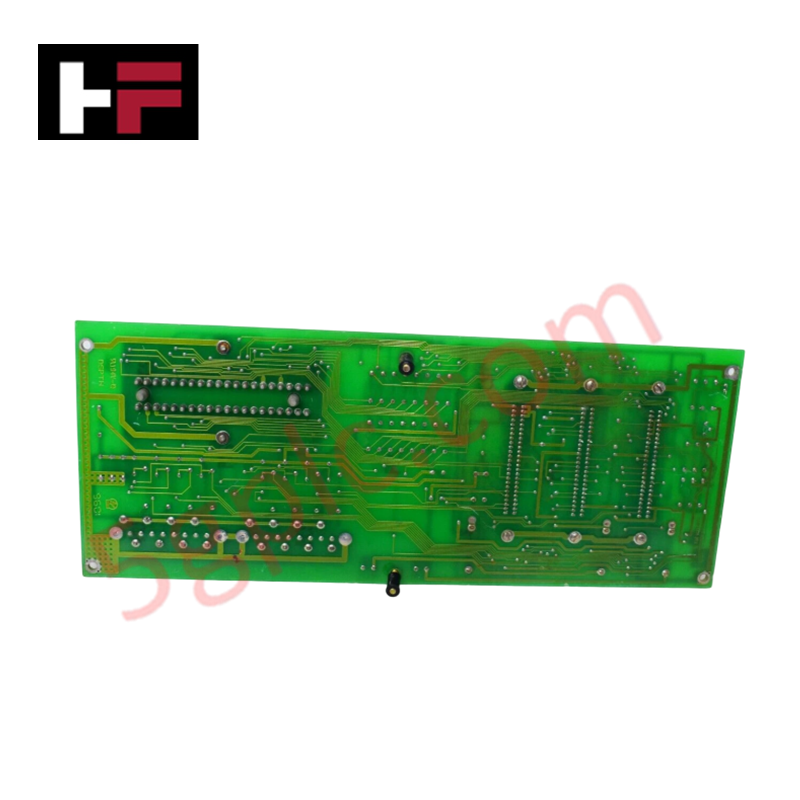
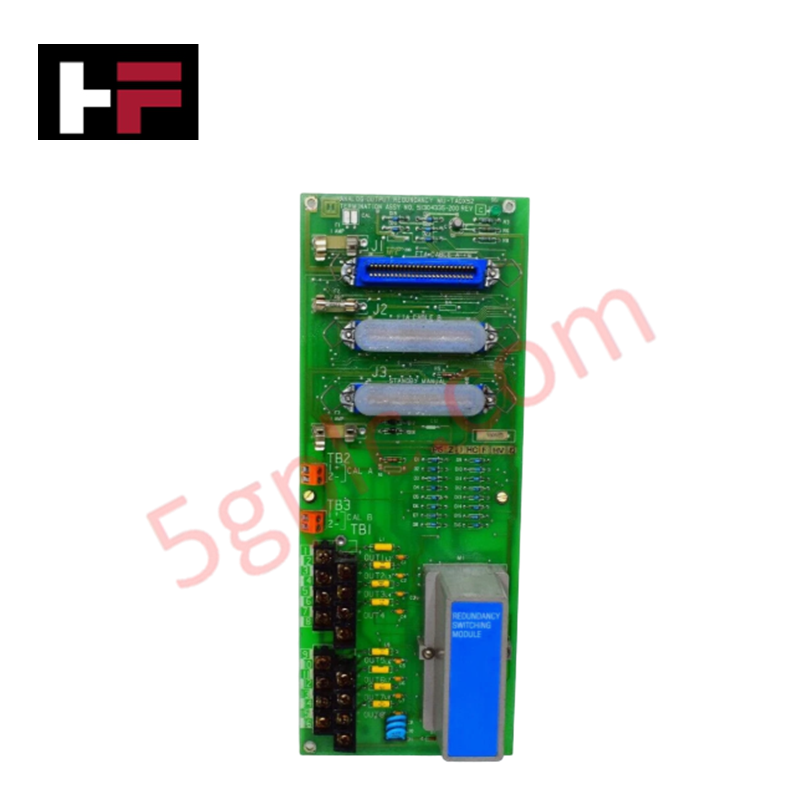
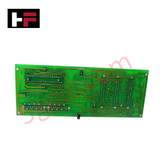
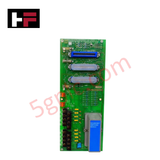
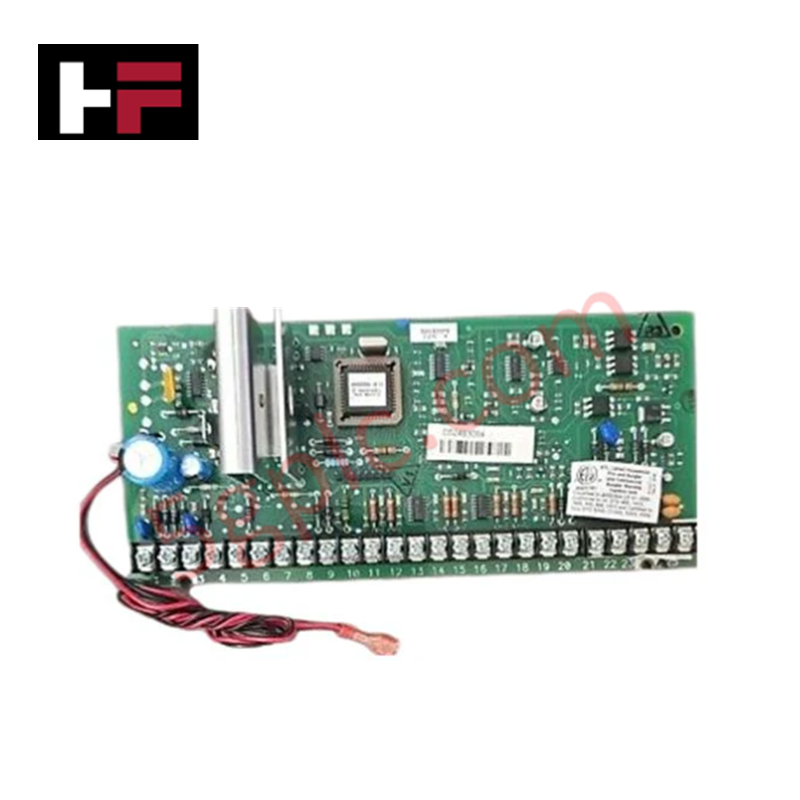
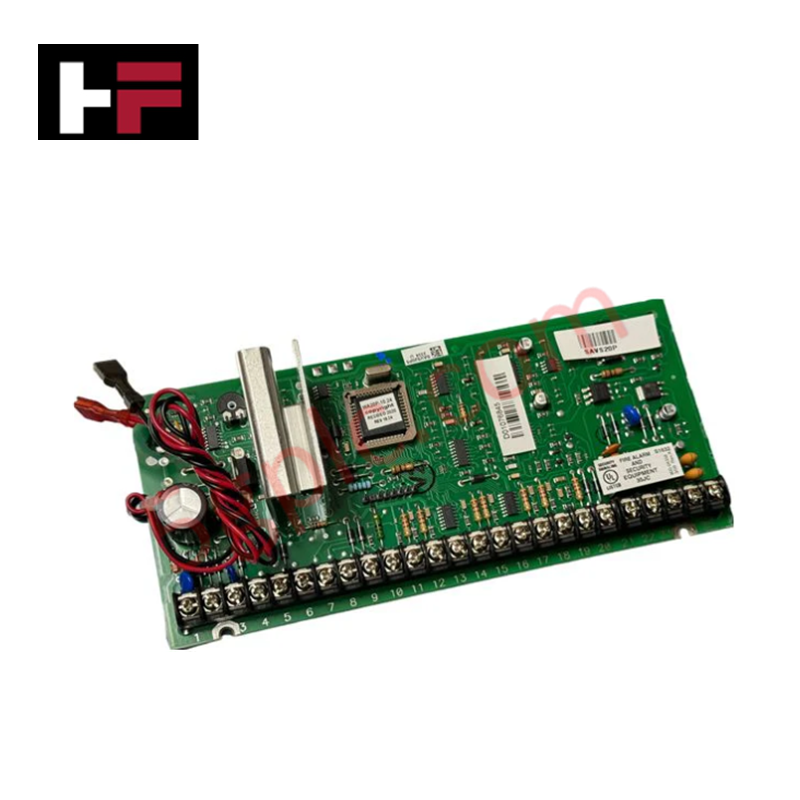
The Honeywell MU-TAOX52 (51304335-200) serves as a critical Analog Output Redundant Switching Module within the Honeywell Experion PKS and TDC 3000 ecosystems. This 100% Brand New termination assembly facilitates seamless failover between redundant I/O processors, ensuring continuous control of final control elements such as valves and actuators. By managing signal distribution through its Rev C architecture, it eliminates downtime in mission-critical process loops.
Technical Specifications
| Parameter | Specification |
| Model Number | MU-TAOX52 |
| Part Number | 51304335-200 |
| Revision | Rev C |
| Function | Analog Output Redundant Switching |
| Associated Board | 51304334-200 (Rev B) |
| Flammability Rating | UL 94V-0 |
| Net Weight | 0.52 kg (520 g) |
| Application | Redundant I/O Signal Termination |
Engineering Advantages
-
Redundant Switching Logic: The MU-TAOX52 hardware automatically arbitrates signal priority between primary and secondary I/O cards. This hardware-level switching executes in milliseconds, protecting the process from surges or signal drops during a processor failure.
-
Enhanced Thermal Durability: The module utilizes a 94V-0 rated PCB, ensuring high flame retardancy and heat dissipation in densely packed control cabinets. This robust material choice extends the MTBF (Mean Time Between Failure) in high-temperature industrial environments.
-
Simplified Troubleshooting: The Rev C design incorporates refined trace layouts that minimize electromagnetic interference (EMI). This ensures that the 4-20mA control signals remain clean and accurate, even when installed near high-voltage motor control centers.
-
Plug-and-Play Integration: The standardized termination assembly layout allows for rapid field wiring. Engineers can secure field cables directly to the assembly, reducing the complexity of cabinet internal wiring and shortening commissioning timelines.
FAQs
-
Can I use the MU-TAOX52 to replace an older Rev A or Rev B module?
Yes. The Rev C (51304335-200) maintains backward compatibility with previous revisions of the MU-TAOX52 series. It offers improved signal stability while fitting the same physical footprint.
-
Does this module require external power for the switching logic?
The module draws its required operating power from the I/O backplane through the associated 51304334 board connection, eliminating the need for separate external power supply wiring for the switching circuit.
-
What are the critical torque requirements for the termination screws?
To ensure long-term connectivity and prevent signal drift due to vibration, we recommend tightening the terminal screws to the standard Honeywell field wiring specifications (typically 0.5 to 0.6 Nm).
-
Is this unit guaranteed as original factory stock?
Absolutely. We supply this MU-TAOX52 as a 100% Brand New, original Honeywell component, complete with factory-level revision stamps and original packaging.
Additional Information
- 100% Genuine Parts: All products are original and authentic, ensuring reliable industrial performance.
- 30-Day Refund Guarantee: Return any in-stock item within 30 days in original, unopened packaging for a full refund (excluding shipping and fees).
- 12-Month Warranty: Covers defects in materials or workmanship; excludes misuse, normal wear, or unauthorized modifications.
- Worldwide Shipping: We ship via USPS, UPS, FedEx, and DHL. Delivery times vary by country and may be subject to customs or import fees.
- Support & Contact: Technical and warranty assistance is available anytime. Contact us here: Contact.
- Purchase Guidance: Check product specifications and compatibility carefully before ordering to ensure proper application.
Tech & Buying Guide

Understanding Types of Noise in Electronic Circuits and Control Systems
Signal integrity directly determines measurement accuracy and loop stability across industrial automation environments. Electronic noise introduces unwanted stochastic interference into analog loops, sensor feedback lines, and digital fieldbus networks. Understanding how intrinsic electronic noise and external electromagnetic interference manifest allows control engineers to optimize signal conditioning and shield sensitive instrumentation effectively.

Why 24V DC Power Supplies Standardize Modern Industrial Automation
Industrial control cabinets worldwide rely on 24V DC as the universal power standard for field instrumentation, sensors, and controllers. Walk into any manufacturing plant, and you will find PLCs, human-machine interfaces (HMIs), and smart actuators running on extra-low voltage DC. Standardizing on 24V DC enhances operational safety, lowers cabinet footprint, and maintains steady control performance across factory networks.

Essential Motion Control Commands: A Practical Guide for Engineers
Automation engineers often rely on precise position and speed control to drive modern factory machinery. Modern industrial systems, such as Programmable Logic Controllers (PLCs) and Distributed Control Systems (DCS), depend heavily on standardized motion instructions. Mastering these commands ensures operational safety, protects mechanical components, and optimizes cycle times across production lines.