










Product Details
Product Overview
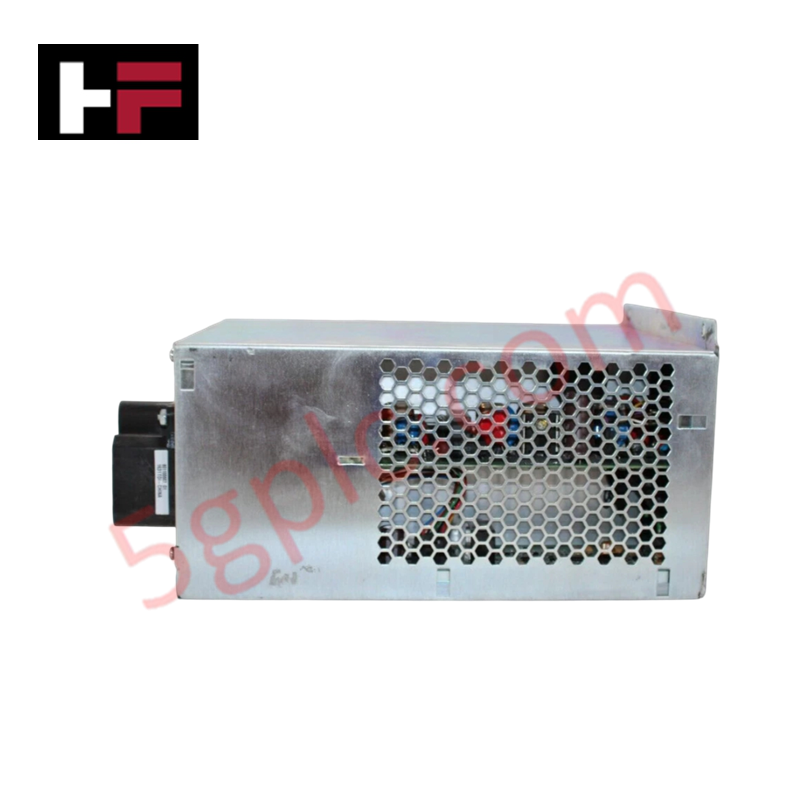
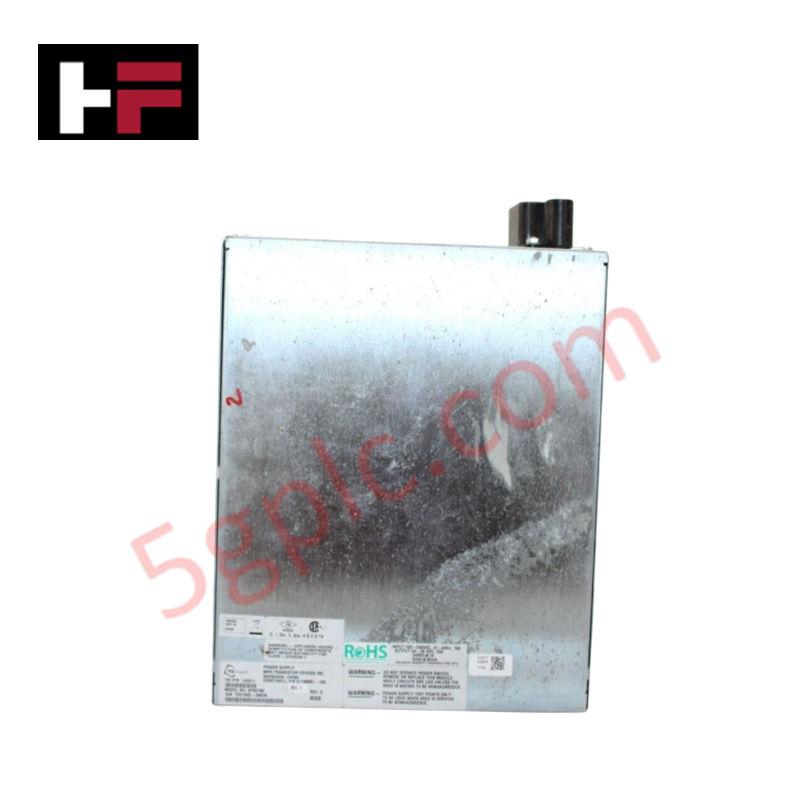
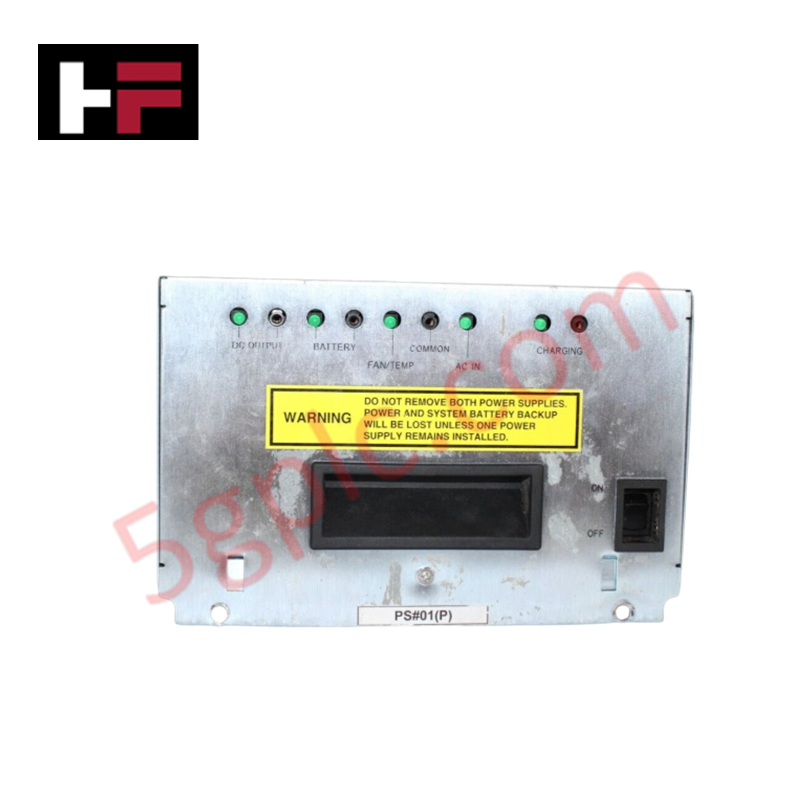
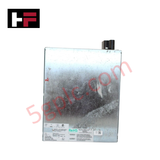
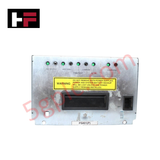
The Honeywell 51198651-100 SPS5785 serves as a core powerhouse for the High Performance Process Manager (HPM) within legacy TDC 3000 control architectures. This module delivers regulated, low-noise DC power directly to the HPM backplane, sustaining critical control processor slots and input/output (I/O) modules.
We supply this component exclusively as a 100% brand new, original factory-sealed unit to eliminate the downtime risks associated with refurbished or reconditioned hardware in continuous process industries.
Technical Specifications
The following parameters detail the physical footprint and operational architecture of the module:
| Parameter | Specification |
| Manufacturer | Honeywell |
| Model Number | SPS5785 |
| Part Number | 51198651-100 |
| System Compatibility | High Performance Process Manager (HPM) / TDC 3000 |
| Country of Origin | USA |
| Net Weight | 5.18 kg (11.42 lbs) |
| Dimensions (H x W x D) | 21.6 cm x 29.6 cm x 14.0 cm (8.5" x 11.65" x 5.5") |
| Cooling Profile | Natural convection via internal heatsink routing |
Engineering Advantages
-
Mitigates Electromagnetic Interference (EMI): Heavy-duty internal shielding isolates the sensitive control circuitry from severe industrial grid noise. The module maintains steady output voltage rails even when adjacent high-power switchgear cycles or heavy motors start up.
-
Thermal Management in High-Density Cabinets: The integrated 5.18 kg chassis acts as a giant heat sink. This physical mass draws thermal energy away from internal capacitors and components, preventing hot spots inside cramped, unventilated control enclosures.
-
Simplifies Drop-In Maintenance: Standardized dimensions (21.6 cm x 29.6 cm) slide directly into pre-existing HPM power chassis slots. Maintenance crews can swap modules using basic hand tools without modifying backplane wiring or drilling new mounting holes.
FAQs
-
Does this 51198651-100 module ship with updated internal components compared to older revisions?
Yes. While maintaining 100% form, fit, and functional backward compatibility with older SPS5785 systems, this brand-new manufacturing run uses current-generation solid-state components that exhibit lower thermal degradation rates than legacy parts from decades ago.
-
What pre-installation steps do you recommend to protect the new module?
Before sliding the new 51198651-100 module into the HPM rack, technicians must isolate the incoming AC supply line breaker. Inspect the backplane connectors for dust, physical debris, or bent pins. Ensure the ground strap connects securely to the cabinet chassis to prevent ESD (electrostatic discharge) damage during insertion.
-
Can I run this power supply module in a redundant configuration?
Yes. The HPM architecture supports dual power module installations. This module contains internal isolation diodes that allow parallel configuration, allowing a secondary supply to assume the full system load instantly if the primary input source fails.
Additional Information
- 100% Genuine Parts: All products are original and authentic, ensuring reliable industrial performance.
- 30-Day Refund Guarantee: Return any in-stock item within 30 days in original, unopened packaging for a full refund (excluding shipping and fees).
- 12-Month Warranty: Covers defects in materials or workmanship; excludes misuse, normal wear, or unauthorized modifications.
- Worldwide Shipping: We ship via USPS, UPS, FedEx, and DHL. Delivery times vary by country and may be subject to customs or import fees.
- Support & Contact: Technical and warranty assistance is available anytime. Contact us here: Contact.
- Purchase Guidance: Check product specifications and compatibility carefully before ordering to ensure proper application.
Tech & Buying Guide

Understanding Types of Noise in Electronic Circuits and Control Systems
Signal integrity directly determines measurement accuracy and loop stability across industrial automation environments. Electronic noise introduces unwanted stochastic interference into analog loops, sensor feedback lines, and digital fieldbus networks. Understanding how intrinsic electronic noise and external electromagnetic interference manifest allows control engineers to optimize signal conditioning and shield sensitive instrumentation effectively.

Why 24V DC Power Supplies Standardize Modern Industrial Automation
Industrial control cabinets worldwide rely on 24V DC as the universal power standard for field instrumentation, sensors, and controllers. Walk into any manufacturing plant, and you will find PLCs, human-machine interfaces (HMIs), and smart actuators running on extra-low voltage DC. Standardizing on 24V DC enhances operational safety, lowers cabinet footprint, and maintains steady control performance across factory networks.

Essential Motion Control Commands: A Practical Guide for Engineers
Automation engineers often rely on precise position and speed control to drive modern factory machinery. Modern industrial systems, such as Programmable Logic Controllers (PLCs) and Distributed Control Systems (DCS), depend heavily on standardized motion instructions. Mastering these commands ensures operational safety, protects mechanical components, and optimizes cycle times across production lines.