Product Details
Technical Product Overview
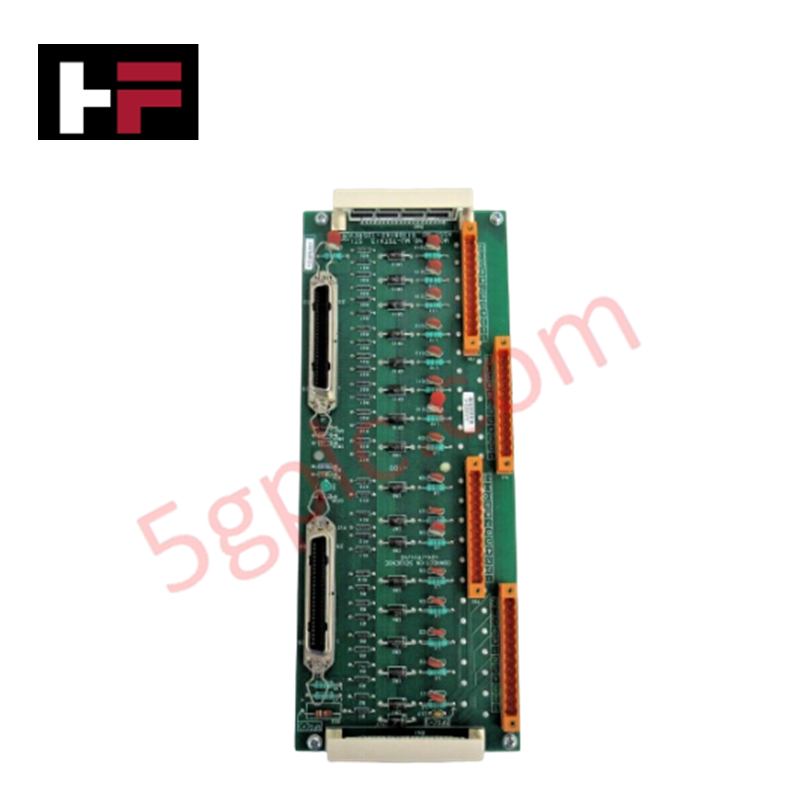
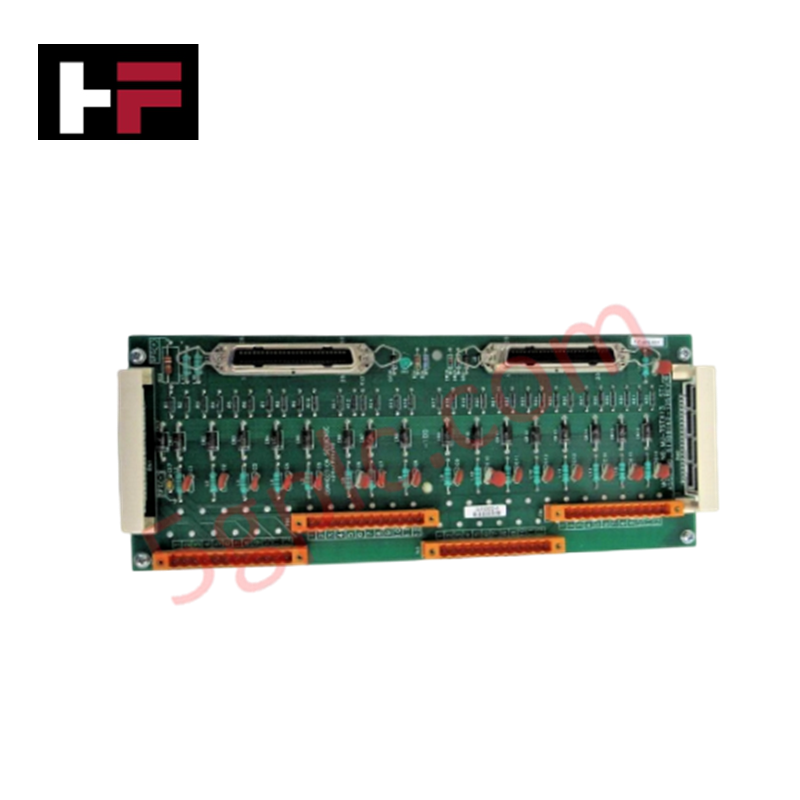
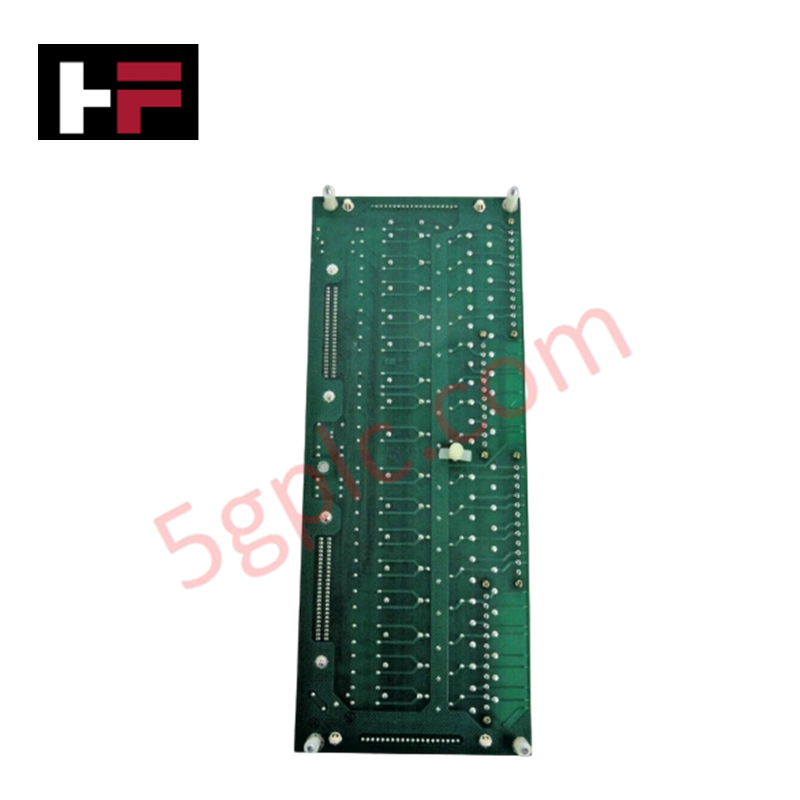
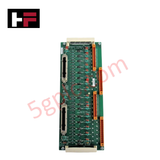
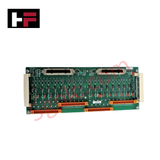
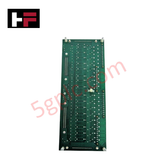
The MU-TSTX13 (51309142-125) is a specialized High-Level Analog Input (HLAI) Smart Transmitter Interface (STI) designed for the Honeywell TDC 3000 and Experion PKS control architectures. This Field Termination Assembly (FTA) is engineered to facilitate high-speed digital communication between smart field devices and the I/O processor while maintaining precise analog signal integrity.
As a Revision C E-6 hardware variant, the MU-TSTX13 (51309142-125) features reinforced screw-type terminals, providing a gas-tight mechanical connection for 4-20mA current loops. This interface is specifically optimized for "Smart" transmitters, allowing for secondary variables and diagnostic data to be passed through to the control system without interrupting the primary process variable.
Detailed Engineering Specifications
-
Interface Type: High-Level Analog Input (HLAI) / Smart Transmitter Interface (STI)
-
Termination Style: Heavy-duty screw terminals
-
Channel Capacity: 16-Channel high-density configuration
-
Signal Compatibility: 4-20mA DC (HART/Smart digital overlay compatible)
-
Hardware Revision: 51309142-125 Rev C E-6
-
Power Requirements: Powered via the I/O Link from the Process Manager (PM/APM/HPM)
-
Operating Voltage: 24 VDC nominal field power
-
Mounting: Compatible with standard Honeywell FTA mounting channels (e.g., MU-TMCN02)
-
Isolation: Optical and galvanic isolation between field circuitry and I/O Link
-
Protection: Integrated surge suppression and overcurrent protection per channel
System Integration and Compatibility
The MU-TSTX13 (51309142-125) is a critical component for plants migrating from traditional analog signaling to "Smart" instrumentation. The Revision C hardware includes optimized impedance matching for the STI protocol, ensuring that digital handshakes between the transmitter and the DCS are not degraded by long cable runs or electromagnetic interference.
Frequently Asked Questions
What is the benefit of the Screw-Type (TSTX) over Compression-Type terminals?
The MU-TSTX13 (51309142-125) screw terminals are often preferred in high-vibration environments or applications where field wiring uses larger gauge conductors, as they offer higher mechanical torque and pull-out resistance compared to spring-loaded compression alternatives.
Can this FTA be used with non-Smart (standard 4-20mA) transmitters?
Yes. While it is optimized for Smart Transmitter Interfaces, the MU-TSTX13 (51309142-125) is fully backward compatible with standard high-level analog signals.
Additional Information
- 100% Genuine Parts: All products are original and authentic, ensuring reliable industrial performance.
- 30-Day Refund Guarantee: Return any in-stock item within 30 days in original, unopened packaging for a full refund (excluding shipping and fees).
- 12-Month Warranty: Covers defects in materials or workmanship; excludes misuse, normal wear, or unauthorized modifications.
- Worldwide Shipping: We ship via USPS, UPS, FedEx, and DHL. Delivery times vary by country and may be subject to customs or import fees.
- Support & Contact: Technical and warranty assistance is available anytime. Contact us here: Contact.
- Purchase Guidance: Check product specifications and compatibility carefully before ordering to ensure proper application.
Tech & Buying Guide
Demystifying the 5 Levels of Industrial Automation Architecture
Modern manufacturing relies on structured communication hierarchy to bridge physical shop-floor hardware with enterprise management software. This framework, commonly known as the Automation Pyramid, establishes how data flows between field devices, logic controllers, and corporate IT networks. Understanding these five distinct levels helps engineers and plant managers optimize system operations, reduce downtime, and implement seamless factory automation solutions.
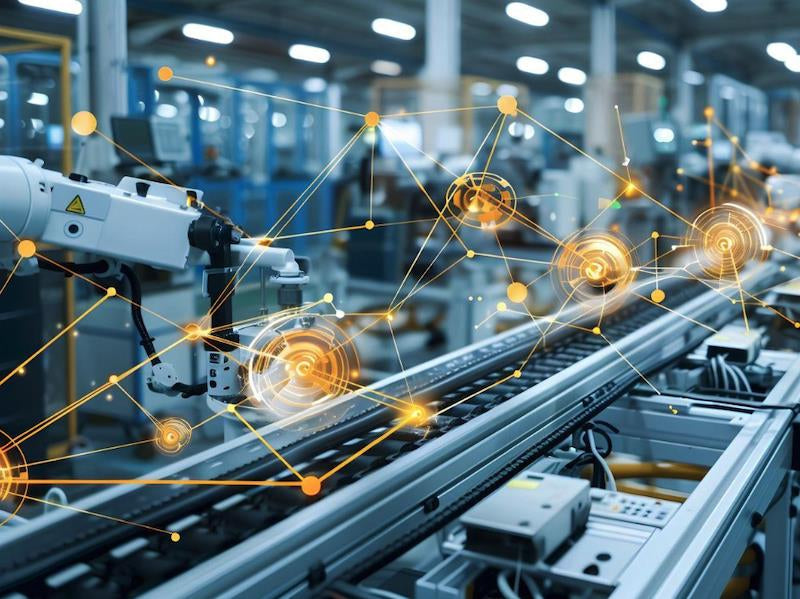
Transforming Shop Floor Data into Actionable Insights: A Deep Dive into MES
Manufacturing Execution Systems serve as the digital backbone of modern factory floors. Positioned at Level 3 of the ISA-95 automation pyramid, MES links enterprise resource planning with real-time shop floor control systems. Today, industrial operators rely on MES software to bridge operational strategy with physical production execution.