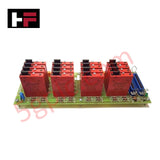
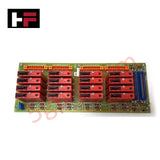
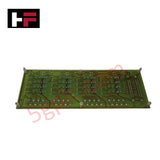
Product Details
Technical Product Overview
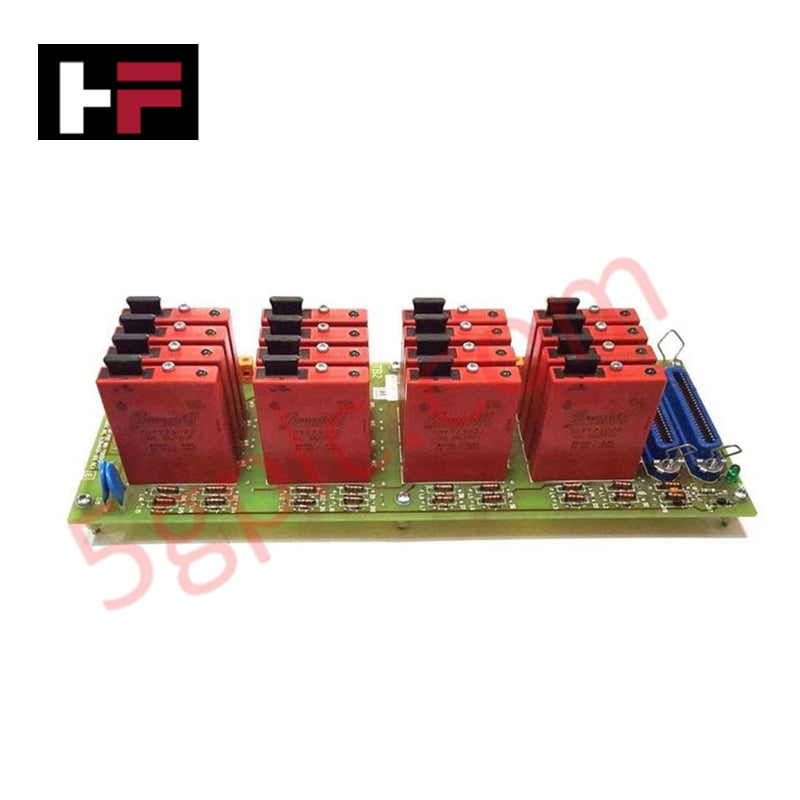
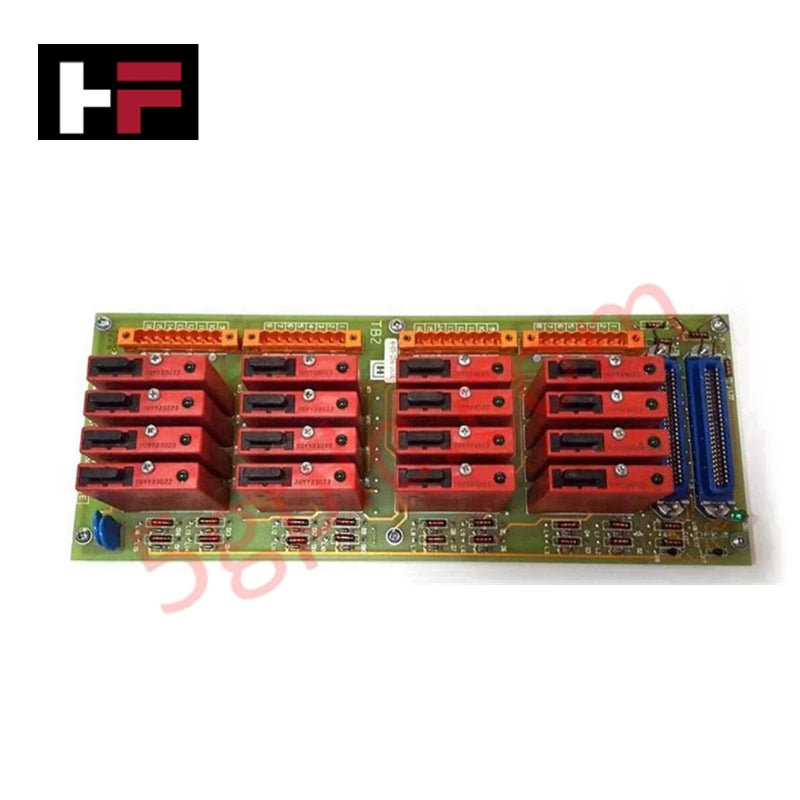
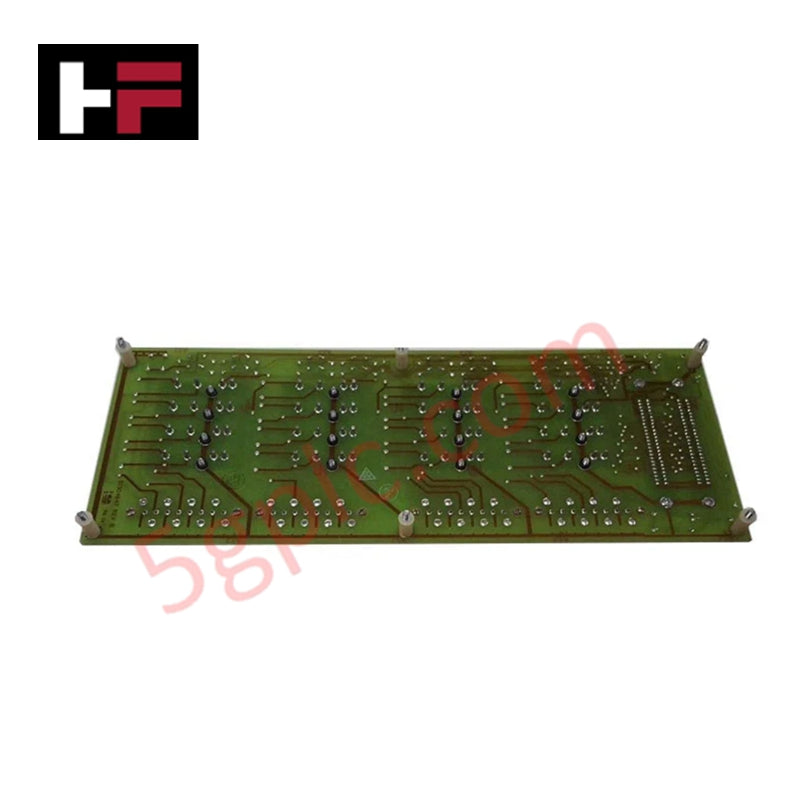
The MU-TDOD13 (51304650-100) is a high-performance Digital Output Field Termination Assembly (FTA) engineered for the Honeywell Universal Control Network (UCN) within the TDC 3000 and Experion PKS ecosystems. This module provides 16 independent, optically isolated channels designed to drive low-voltage DC loads with high precision and switching speed.
Utilizing Solid State Relay (SSR) technology, the MU-TDOD13 (51304650-100) eliminates the mechanical wear associated with traditional electromagnetic relays, significantly extending the service life of the I/O subsystem in high-duty-cycle applications. The optical isolation barrier ensures that the sensitive Process Manager (PM) or High-Performance Process Manager (HPM) electronics are fully protected from field-side electrical surges and ground loops.
Detailed Engineering Specifications
-
Output Configuration: 16-Channel Solid State Outputs
-
Switching Logic: Sinking/Sourcing dependent on wiring (typically used for DC control)
-
Voltage Range: 3 VDC to 30 VDC
-
Isolation Architecture: Full optical isolation between field and logic circuits
-
Response Time: Sub-millisecond switching (superior to mechanical relay FTAs)
-
Operating Temperature: -40°C to +85°C (-40°F to 185°F)
-
Humidity Tolerance: 5% to 95% RH (non-condensing)
-
Dimensions: 30.7 cm x 12.0 cm x 8.0 cm
-
Unit Mass: 1.02 kg
-
Compatibility: Honeywell UCN-based Distributed Control Systems (DCS)
-
Mounting: Standard vertical or horizontal FTA mounting channels
Application and Maintenance
The MU-TDOD13 (51304650-100) is ideally suited for controlling high-frequency devices where mechanical relay fatigue is a concern, such as solenoid pulse valves, high-speed annunciators, and interposing electronic circuits. Its wide temperature rating makes it a robust choice for remote instrument enclosures that may experience extreme environmental fluctuations.
Frequently Asked Questions
What is the benefit of the Solid State Relay (SSR) output in the MU-TDOD13?
The SSR technology in the MU-TDOD13 (51304650-100) offers virtually infinite switching cycles and faster response times compared to the MU-TDOR series, which uses mechanical contacts. It is specifically designed for low-power DC switching.
Can this module handle 120 VAC loads?
No. The MU-TDOD13 (51304650-100) is strictly rated for 3-30 VDC. For AC switching requirements, a relay-based FTA like the MU-TDOR22 should be utilized.
Additional Information
- 100% Genuine Parts: All products are original and authentic, ensuring reliable industrial performance.
- 30-Day Refund Guarantee: Return any in-stock item within 30 days in original, unopened packaging for a full refund (excluding shipping and fees).
- 12-Month Warranty: Covers defects in materials or workmanship; excludes misuse, normal wear, or unauthorized modifications.
- Worldwide Shipping: We ship via USPS, UPS, FedEx, and DHL. Delivery times vary by country and may be subject to customs or import fees.
- Support & Contact: Technical and warranty assistance is available anytime. Contact us here: Contact.
- Purchase Guidance: Check product specifications and compatibility carefully before ordering to ensure proper application.
Tech & Buying Guide
Demystifying the 5 Levels of Industrial Automation Architecture
Modern manufacturing relies on structured communication hierarchy to bridge physical shop-floor hardware with enterprise management software. This framework, commonly known as the Automation Pyramid, establishes how data flows between field devices, logic controllers, and corporate IT networks. Understanding these five distinct levels helps engineers and plant managers optimize system operations, reduce downtime, and implement seamless factory automation solutions.

Transforming Shop Floor Data into Actionable Insights: A Deep Dive into MES
Manufacturing Execution Systems serve as the digital backbone of modern factory floors. Positioned at Level 3 of the ISA-95 automation pyramid, MES links enterprise resource planning with real-time shop floor control systems. Today, industrial operators rely on MES software to bridge operational strategy with physical production execution.