










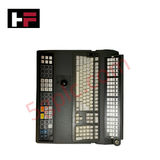
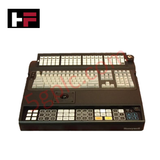
Product Details
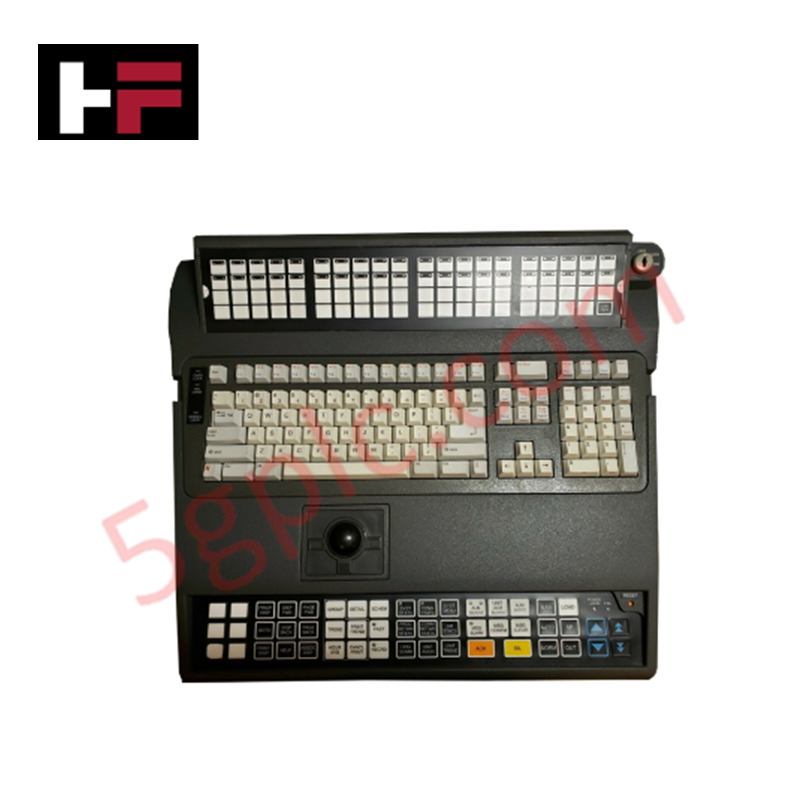
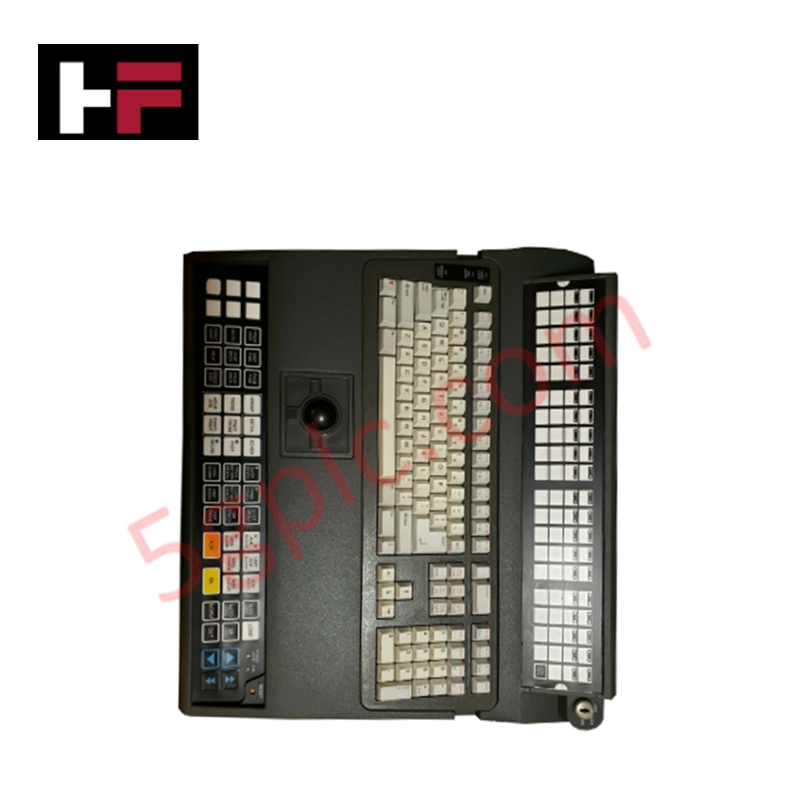
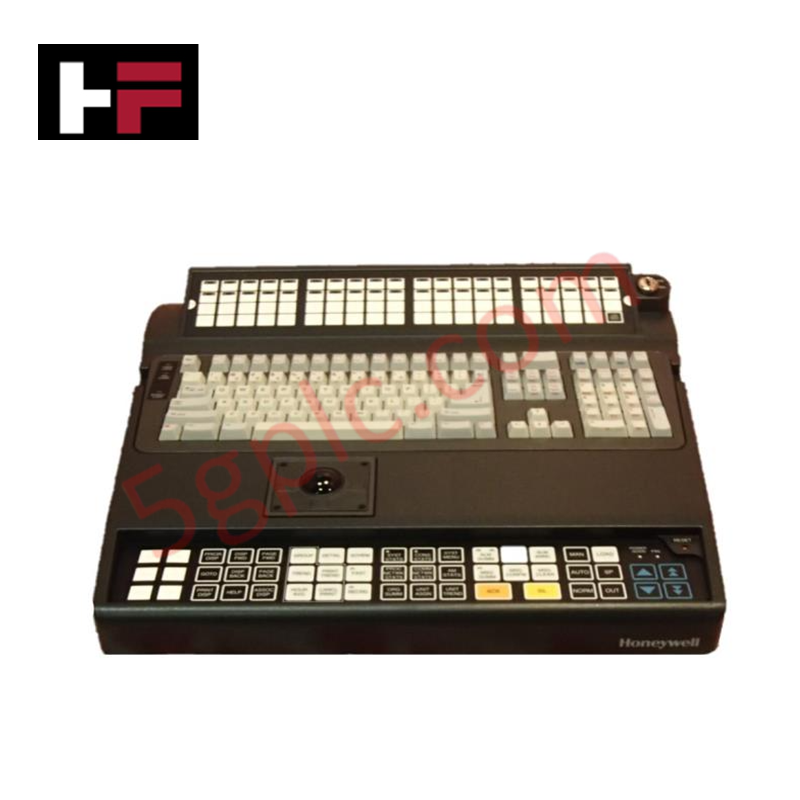
The Honeywell TP-DIKBTA-100, also cataloged as the 51196694-300 HMI/MMI input device, operates as a dedicated hardware component for operator interface control within DCS platform environments. This keyboard module integrates a physical trackball to execute cursor positioning and data entry tasks, facilitating direct operator interaction with the host process control system.
Hardware Specifications
| Parameter | Specification |
|---|---|
| Model | TP-DIKBTA-100 |
| Brand | Honeywell |
| Weight | 15.00 lbs |
| Dimensions | Standard IKB console footprint |
| Operating Temp | Consult system technical documentation |
| Power Consumption | Dependent on host USB/PS2 interface |
| Function | HMI input / Trackball control |
4-20 mA HART Loop Protocol Integration
While this HMI component functions primarily as a human-interface peripheral, it is designed for seamless operation within control rooms utilizing the 4-20 mA HART loop protocol architecture. The integration of high-precision trackball pointing ensures that operators can manage HART-enabled device parameters, such as tag configuration and diagnostic monitoring, without excessive latency. This hardware interface maintains signal integrity for operator-initiated commands, ensuring that user inputs to the DCS station translate accurately to field-level device configuration changes across the instrument network.
Frequently Asked Questions
Q: Is this keyboard unit compatible with standard USB or PS/2 port connections?
A: The TP-DIKBTA-100 is designed for specific integration with Honeywell IKB console interfaces. Verify the port type (USB or legacy PS/2) on your existing operator station console before installation to ensure electrical and protocol compatibility.
Q: Can the integrated trackball be cleaned or disassembled for maintenance?
A: The trackball assembly is designed for field-level cleaning of the ball and optical sensor housing. Do not use chemical solvents that may degrade the polycarbonate surfaces or the optical tracking lens.
Field Installation Guidelines
- Physical Mounting: Secure the keyboard to the operator console surface using the provided mounting points to prevent movement during high-frequency usage.
- Cable Management: Ensure the interface cable is routed through designated cable management pathways. Avoid tight radius bends or pinching of the cable against sharp metallic surfaces to prevent internal wire breakage.
- Environment Protection: Ensure the operator station is located in a controlled environment to minimize the ingress of conductive dust or high-humidity air that may affect the keyboard’s internal contact membrane.
- Initial Commissioning: Upon installation, verify the HID (Human Interface Device) drivers are recognized by the operator station OS. Test trackball tracking sensitivity and button response cycles to confirm proper peripheral handshaking.
Additional Information
- 100% Genuine Parts: All products are original and authentic, ensuring reliable industrial performance.
- 30-Day Refund Guarantee: Return any in-stock item within 30 days in original, unopened packaging for a full refund (excluding shipping and fees).
- 12-Month Warranty: Covers defects in materials or workmanship; excludes misuse, normal wear, or unauthorized modifications.
- Worldwide Shipping: We ship via USPS, UPS, FedEx, and DHL. Delivery times vary by country and may be subject to customs or import fees.
- Support & Contact: Technical and warranty assistance is available anytime. Contact us here: Contact.
- Purchase Guidance: Check product specifications and compatibility carefully before ordering to ensure proper application.



Tech & Buying Guide

Transforming Shop Floor Data into Actionable Insights: A Deep Dive into MES
Manufacturing Execution Systems serve as the digital backbone of modern factory floors. Positioned at Level 3 of the ISA-95 automation pyramid, MES links enterprise resource planning with real-time shop floor control systems. Today, industrial operators rely on MES software to bridge operational strategy with physical production execution.

Managed Switch vs. Unmanaged Switch: Industrial Ethernet Architecture

Hot Standby vs. Cold Standby Redundancy in Industrial Automation
System availability determines process safety and productivity in industrial automation. Control engineers deploy redundancy to eliminate single points of failure. This technical guide evaluates Hot Standby vs. Cold Standby architectures, comparing failover speeds, memory sync, cost trade-offs, and field selection criteria.