










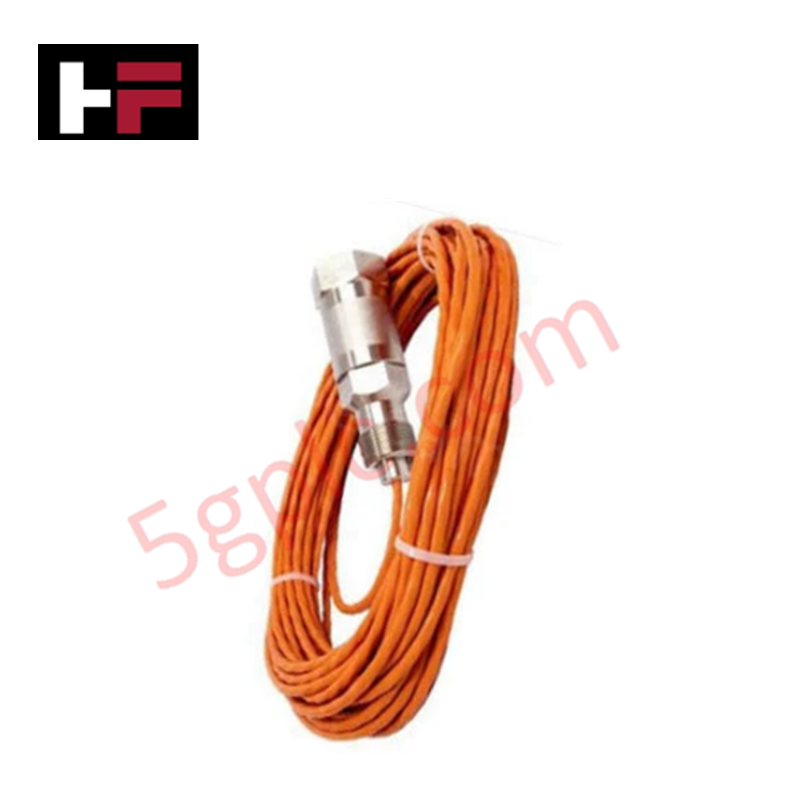
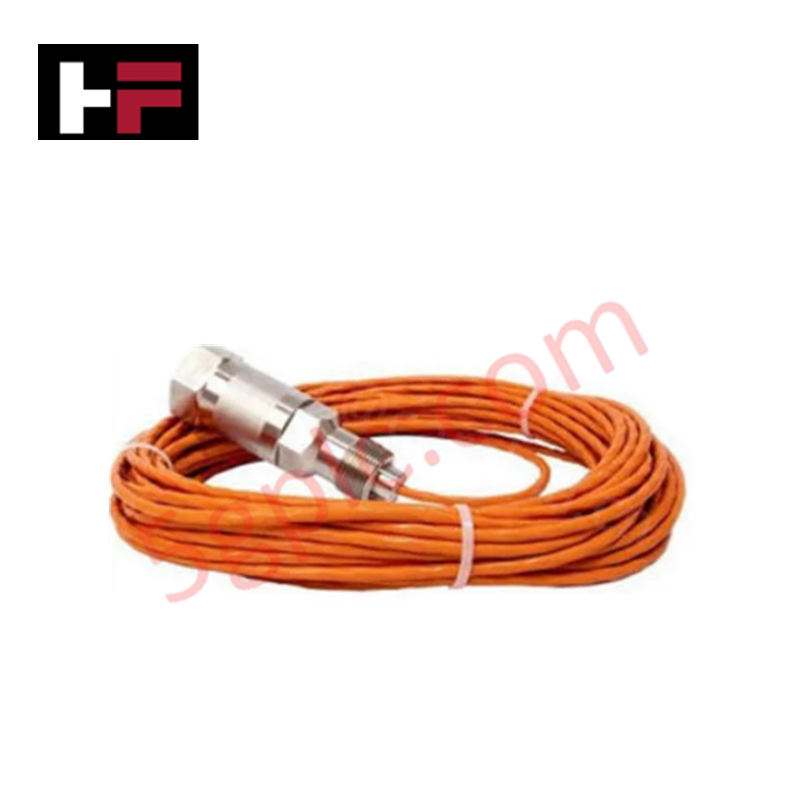
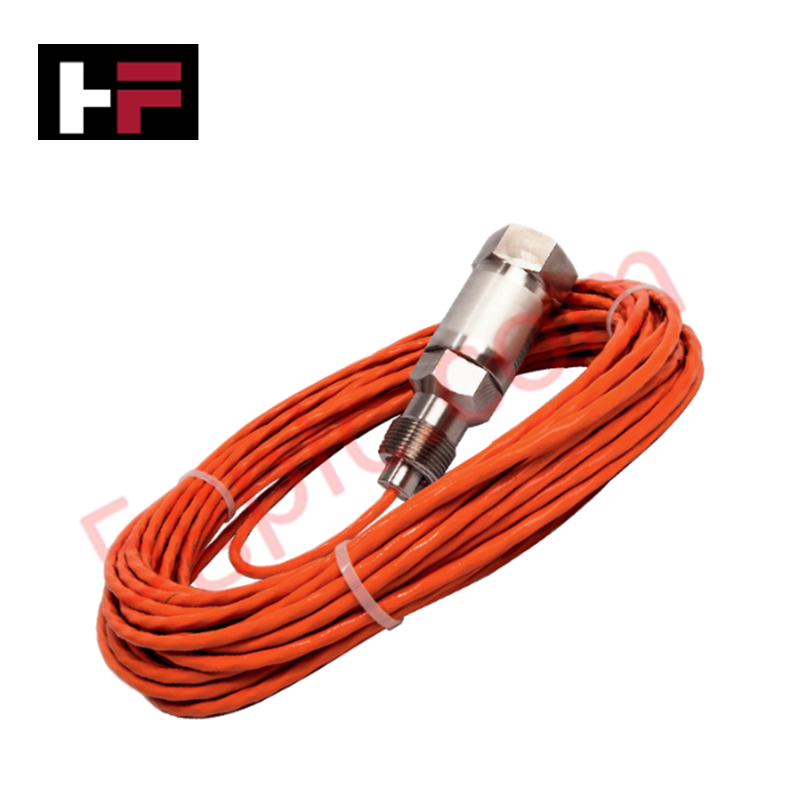
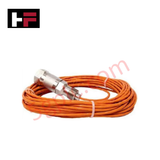
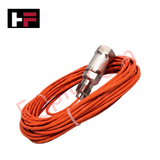
Product Details
Configured for optical presence detection in machine safeguarding networks, the Honeywell LG1093AA25 (LG1093AA25) light curtain operates as a dedicated hardware component for hazardous area perimeter monitoring. The unit provides direct physical execution of machine stop commands through infrared light beam interruption, ensuring rapid response to unauthorized access within the monitored safety zone.
Hardware Specifications
| Parameter | Specification |
|---|---|
| Model | LG1093AA25 |
| Brand | Honeywell |
| Origin | Not specified |
| Weight | 1.95 kg |
| Dimensions | Standard light curtain enclosure |
| Operating Temp | Consult safety system technical manual |
| Power Consumption | Dependent on safety controller load |
| Function | Optical safety curtain |
Fail-Safe State Execution
The LG1093AA25 is engineered to maintain a fail-safe state execution in accordance with industrial safety protocols. Upon detection of an object blocking the optical path or a failure in the internal self-checking circuitry, the unit immediately transitions the output signals to the de-energized state. This action forces the connected safety control system to execute an emergency stop of the hazardous motion. The design includes periodic internal diagnostic routines to verify the integrity of the emitter/receiver alignment and the functionality of the switching output circuits, ensuring that no single internal component failure leads to the loss of the safety function.
Frequently Asked Questions
Q: Does the LG1093AA25 require alignment verification after installation?
A: Yes. Precise optical alignment between the emitter and receiver heads is mandatory for stable operation. Use the integrated LED alignment indicators to verify beam reception prior to finalizing the mechanical mountings.
Q: Can this unit be daisy-chained for extended monitoring zones?
A: Compatibility for series connection depends on the specific safety controller architecture. Consult the system wiring diagrams to determine if the safety output signal maintains the required integrity levels when integrated into a multi-segment configuration.
Field Installation Guidelines
- Mechanical Mounting: Mount the emitter and receiver on rigid, vibration-dampened surfaces to prevent misalignment. Ensure the units are parallel to each other and positioned to cover the designated safety boundary.
- Optical Clearance: Maintain a clear line of sight between the sender and receiver. Avoid locating the light curtain in environments with high concentrations of reflective dust, fog, or airborne particulates that may cause nuisance triggering.
- Wiring and Grounding: Utilize shielded cable for the control signal path. Terminate the shield at the cabinet earth ground to prevent electromagnetic interference from inducing false safety signals.
- Safety Distance: Calculate the minimum safety distance based on the machine's stopping time and the system response time of the LG1093AA25. Ensure the curtain is positioned far enough from the hazard to prevent operator reach-through before the machine reaches a complete stop.
Additional Information
- 100% Genuine Parts: All products are original and authentic, ensuring reliable industrial performance.
- 30-Day Refund Guarantee: Return any in-stock item within 30 days in original, unopened packaging for a full refund (excluding shipping and fees).
- 12-Month Warranty: Covers defects in materials or workmanship; excludes misuse, normal wear, or unauthorized modifications.
- Worldwide Shipping: We ship via USPS, UPS, FedEx, and DHL. Delivery times vary by country and may be subject to customs or import fees.
- Support & Contact: Technical and warranty assistance is available anytime. Contact us here: Contact.
- Purchase Guidance: Check product specifications and compatibility carefully before ordering to ensure proper application.
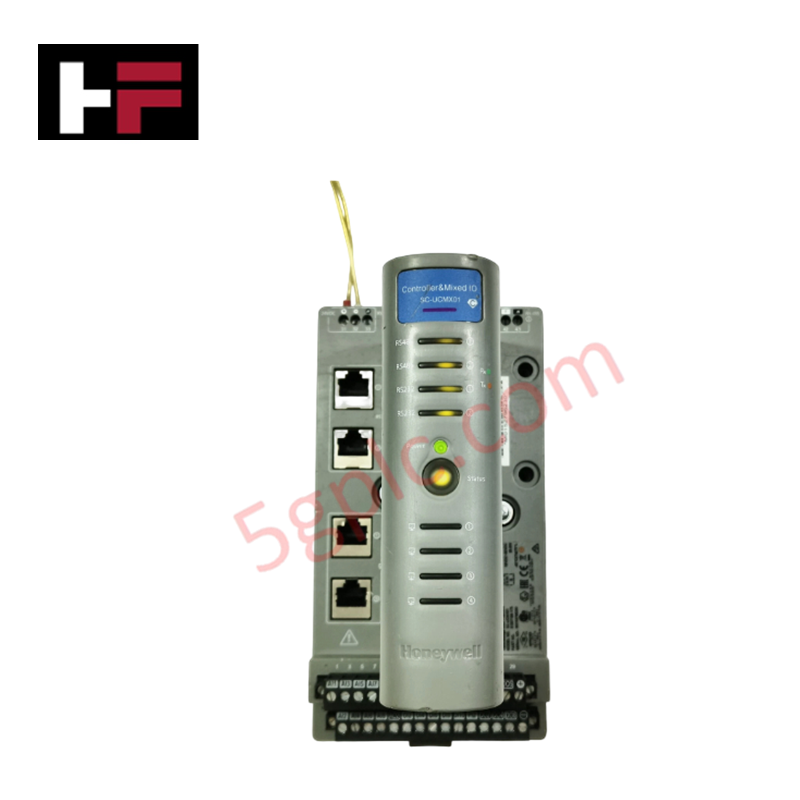
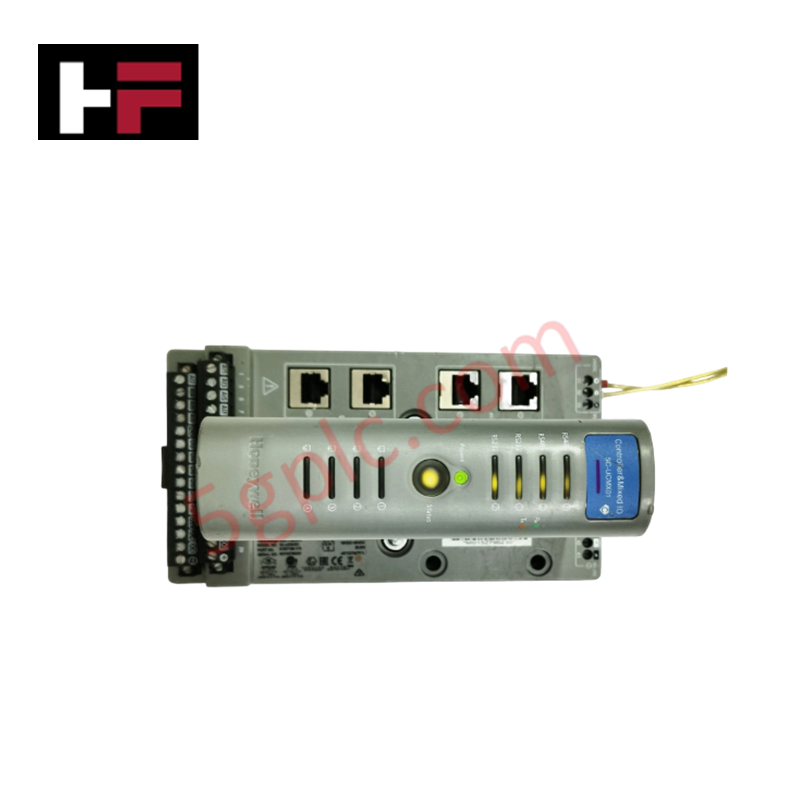
Tech & Buying Guide

Transforming Shop Floor Data into Actionable Insights: A Deep Dive into MES
Manufacturing Execution Systems serve as the digital backbone of modern factory floors. Positioned at Level 3 of the ISA-95 automation pyramid, MES links enterprise resource planning with real-time shop floor control systems. Today, industrial operators rely on MES software to bridge operational strategy with physical production execution.

Managed Switch vs. Unmanaged Switch: Industrial Ethernet Architecture

Hot Standby vs. Cold Standby Redundancy in Industrial Automation
System availability determines process safety and productivity in industrial automation. Control engineers deploy redundancy to eliminate single points of failure. This technical guide evaluates Hot Standby vs. Cold Standby architectures, comparing failover speeds, memory sync, cost trade-offs, and field selection criteria.