











Product Details
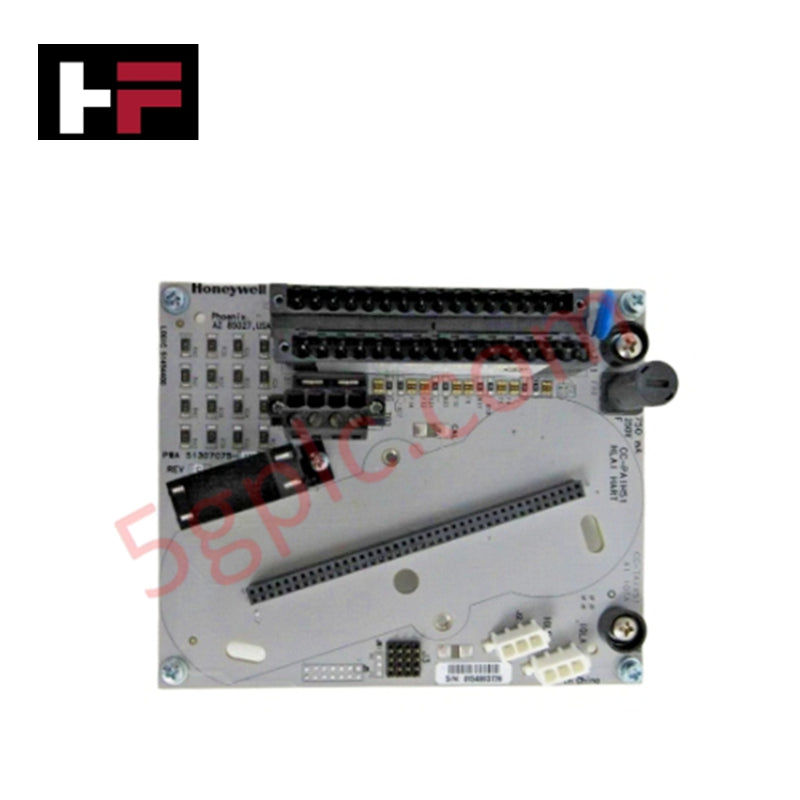
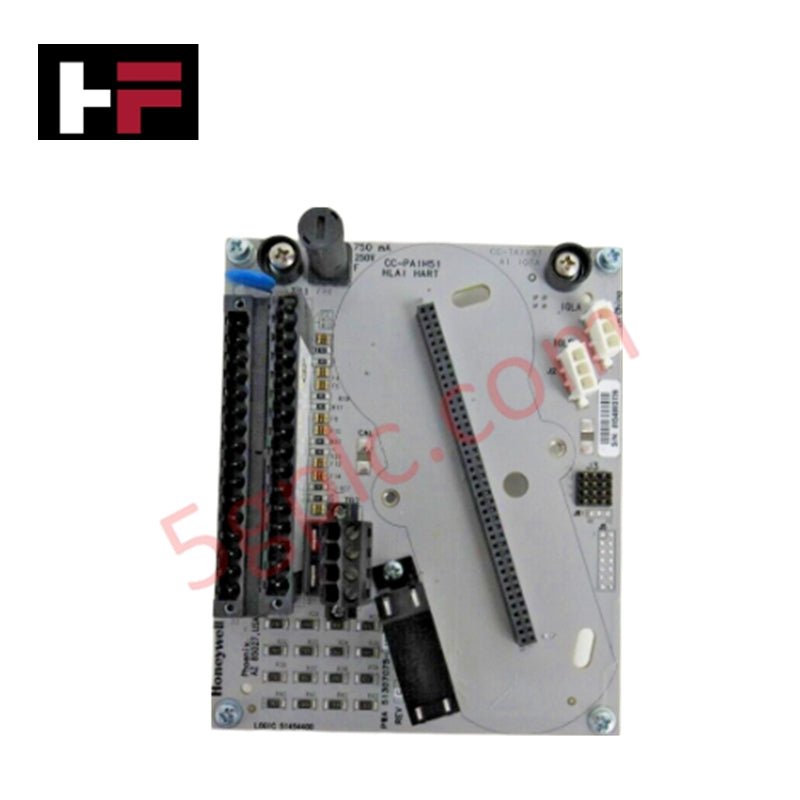
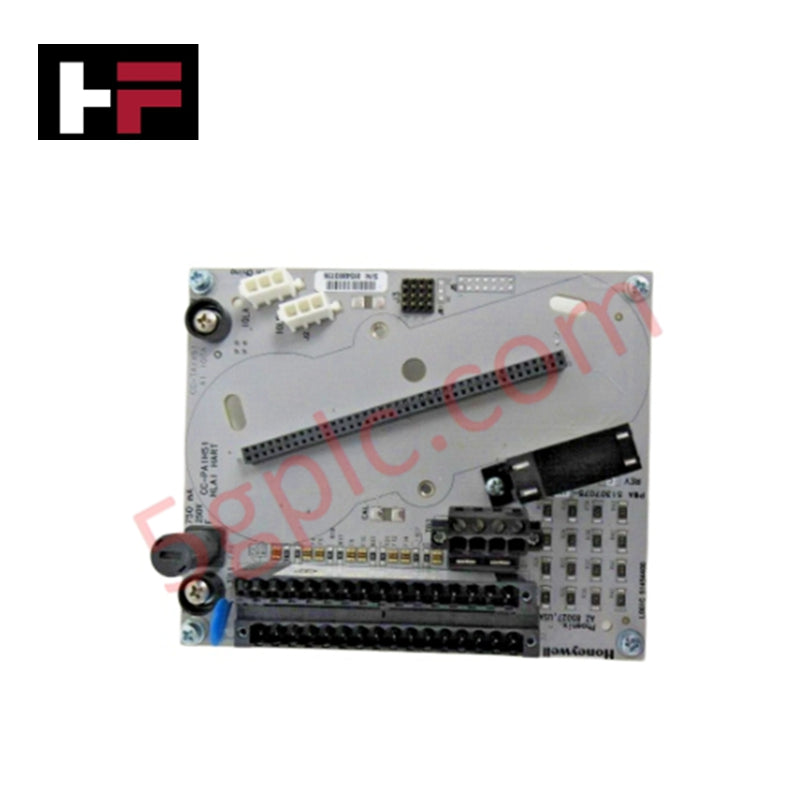
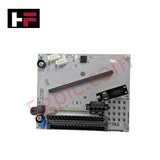
Configured for flexible field signal interfacing in Universal I/O controller platforms, the Honeywell DC-TUIO31 (51307772-176) Input/Output Termination Assembly (IOTA) provides direct physical/electrical execution of universal signal routing. The module serves as the termination point for configurable analog and digital field signals, enabling the controller backplane to interface with diverse process instrumentation through a unified hardware architecture.
Hardware Specifications
| Parameter | Specification |
|---|---|
| Model | DC-TUIO31-51307772-176 |
| Brand | Honeywell |
| Origin | USA |
| Weight | 0.2 kg |
| Dimensions | 3.2 cm x 12.7 cm x 12.7 cm |
| Operating Temp | Consult system technical manual |
| Power Consumption | Dependent on host I/O load |
| Function | Universal I/O signal termination |
Channel-to-Channel Isolation
The DC-TUIO31 assembly supports channel-to-channel isolation requirements to maintain signal integrity within the universal I/O subsystem. This design prevents electrical interaction between adjacent input or output loops, effectively mitigating the risk of cross-talk and ground loop interference. Maintaining this isolation barrier is mandatory for accurate process data acquisition and control, ensuring that electrical transients or fault conditions occurring on a single field loop are isolated from the controller backplane and do not influence the processing of other connected signals.
Frequently Asked Questions
Q: Does the DC-TUIO31 support software-configurable signal types?
A: The IOTA acts as the physical termination assembly. The software configuration of signal types (analog input/output or digital) is performed at the host I/O module level, provided the channel is supported by the universal I/O architecture.
Q: Is this assembly compatible with existing Series C I/O modules?
A: The DC-TUIO31 is engineered for compatibility with Honeywell universal I/O hardware platforms. Verify the specific I/O module part number and system revision to ensure mechanical and electrical pinout alignment.
Field Installation Guidelines
- Physical Mounting: Install the IOTA onto the standard chassis mounting rail. Ensure the module is fully seated to achieve a positive connection with the backplane connectors.
- Wiring and Termination: Utilize shielded twisted-pair cabling for all universal signals. Terminate cable shields at the designated ground lug on the IOTA to maintain electromagnetic compatibility.
- Segregation: Maintain physical separation between universal I/O signal wires and any high-voltage power or digital switching lines. A minimum distance of 150 mm is required to prevent induced noise on low-level analog signals.
- Torque Compliance: Tighten all terminal connections using a calibrated screwdriver to the torque specified in the system installation manual. Ensure terminals are clean and free of oxidation before landing field wires.
Additional Information
- 100% Genuine Parts: All products are original and authentic, ensuring reliable industrial performance.
- 30-Day Refund Guarantee: Return any in-stock item within 30 days in original, unopened packaging for a full refund (excluding shipping and fees).
- 12-Month Warranty: Covers defects in materials or workmanship; excludes misuse, normal wear, or unauthorized modifications.
- Worldwide Shipping: We ship via USPS, UPS, FedEx, and DHL. Delivery times vary by country and may be subject to customs or import fees.
- Support & Contact: Technical and warranty assistance is available anytime. Contact us here: Contact.
- Purchase Guidance: Check product specifications and compatibility carefully before ordering to ensure proper application.



Tech & Buying Guide

Transforming Shop Floor Data into Actionable Insights: A Deep Dive into MES
Manufacturing Execution Systems serve as the digital backbone of modern factory floors. Positioned at Level 3 of the ISA-95 automation pyramid, MES links enterprise resource planning with real-time shop floor control systems. Today, industrial operators rely on MES software to bridge operational strategy with physical production execution.
Managed Switch vs. Unmanaged Switch: Industrial Ethernet Architecture

Hot Standby vs. Cold Standby Redundancy in Industrial Automation
System availability determines process safety and productivity in industrial automation. Control engineers deploy redundancy to eliminate single points of failure. This technical guide evaluates Hot Standby vs. Cold Standby architectures, comparing failover speeds, memory sync, cost trade-offs, and field selection criteria.