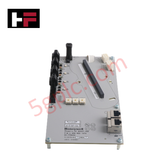
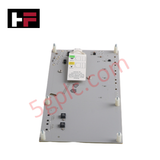
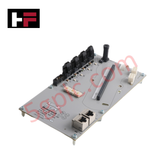
Product Details
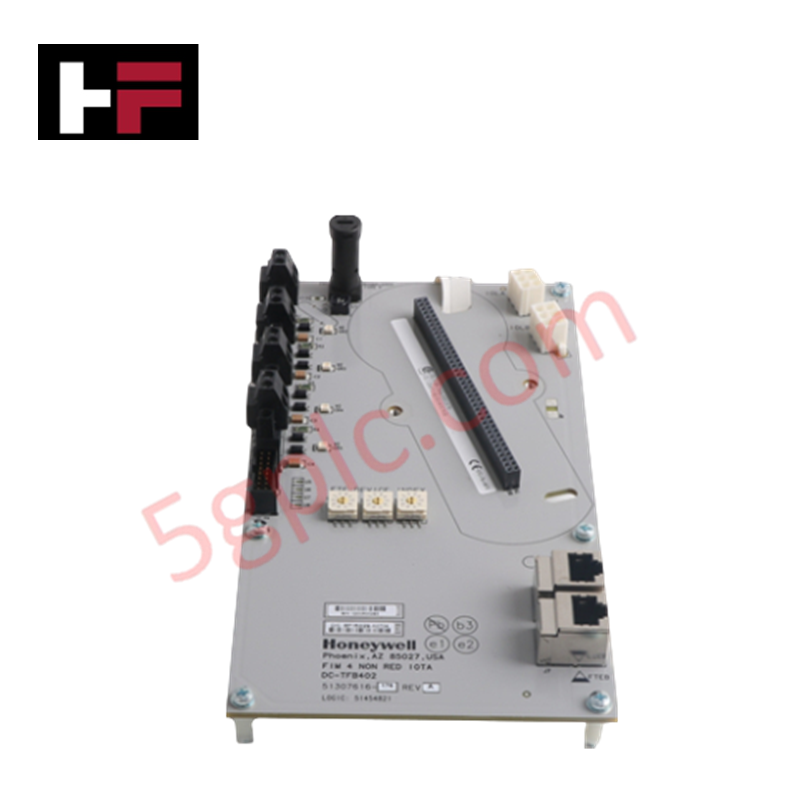
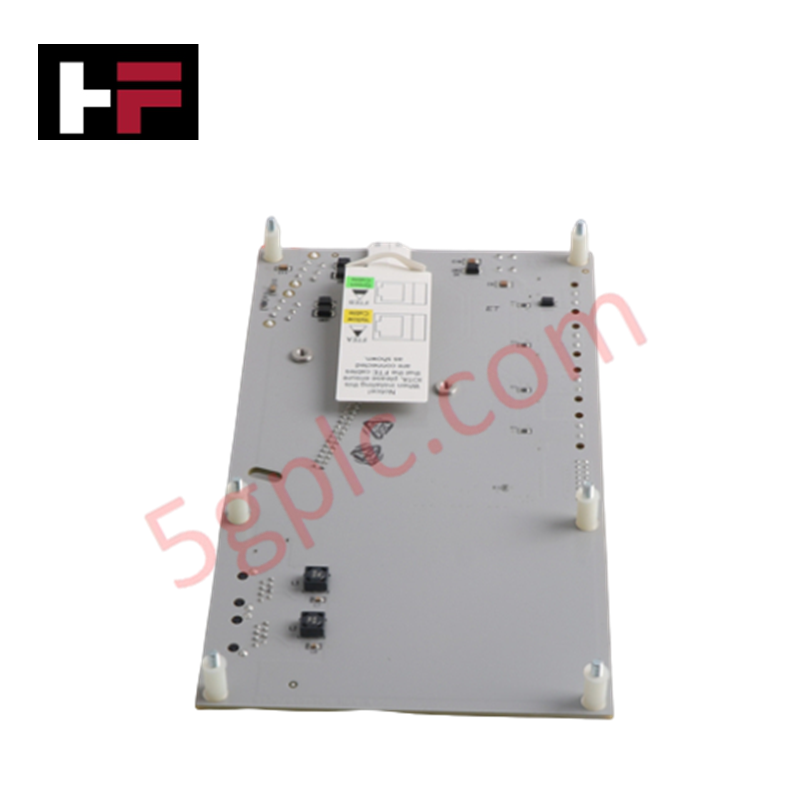
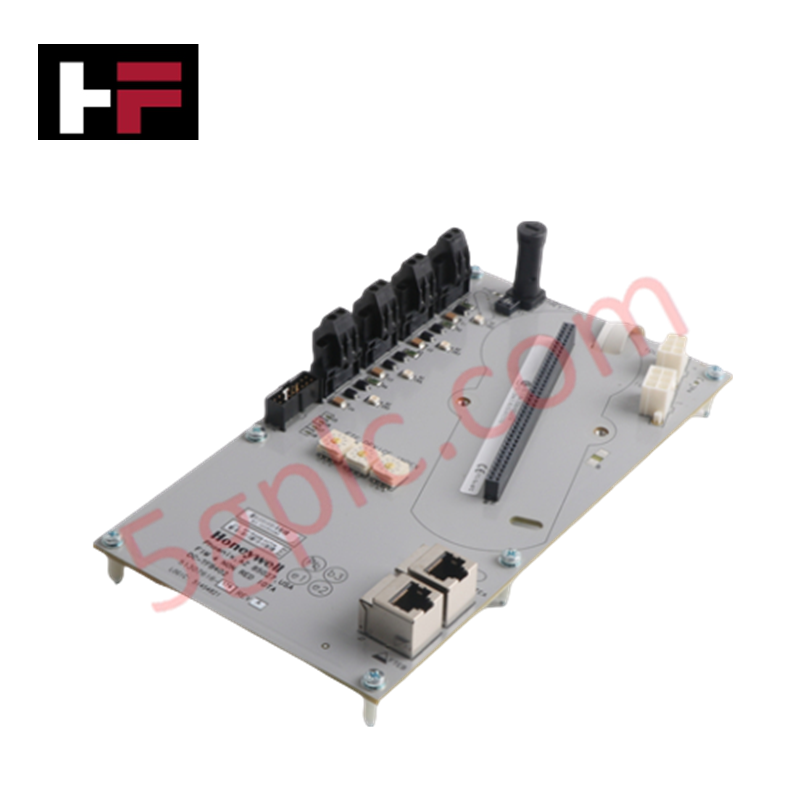
Configured for field instrumentation interfacing in process control networks, the Honeywell DC-TFB402 (51307616-176) I/O Termination Assembly (IOTA) provides direct physical/electrical execution of signal termination for FIM4 (Field Interface Module) architectures. The assembly features conformal coating for environmental protection and supports common-mode voltage (CMV) tolerances of up to ±250 V DC/AC RMS with respect to the power system common.
Hardware Specifications
| Parameter | Specification |
|---|---|
| Model | DC-TFB402 |
| Brand | Honeywell |
| Origin | USA |
| Weight | 0.22 kg |
| Dimensions | 22 cm x 12 cm x 5.5 cm |
| Operating Temp | Consult system technical manual |
| Power Consumption | Dependent on host I/O load |
Channel-to-Channel Isolation
The DC-TFB402 assembly incorporates channel-to-channel isolation design principles to prevent signal crosstalk and ground loop interference within the FIM4 subsystem. By maintaining high isolation levels between individual I/O channels, the IOTA ensures that transient disturbances or electrical faults at a single field device do not propagate through the termination assembly to the controller backplane. This isolation is mandatory for maintaining the signal-to-noise ratio required for high-accuracy process measurements in demanding industrial configurations.
Frequently Asked Questions
Q: Is the conformal coating on this IOTA sufficient for high-humidity environments?
A: Yes. The coated assembly is designed to provide protection against environmental contaminants, including high humidity and corrosive airborne particulates, provided the installation is within the designated cabinet environment specifications.
Q: Can this termination assembly be used in systems without an FIM4 module?
A: No. The DC-TFB402 is specifically engineered as an IOTA for FIM4 architectures. Its pinout and electrical characteristics are optimized for compatibility with the FIM4 module interface and backplane.
Field Installation Guidelines
- Physical Mounting: Secure the assembly to the designated cabinet DIN-rail or mounting plate. Ensure the module is properly grounded to the cabinet common to maintain the efficacy of the electrical isolation and CMV protection.
- Termination Torque: Use a calibrated torque driver to secure field wires to the terminal blocks. Excessive torque can damage the terminal inserts, while insufficient torque may result in increased contact resistance and signal instability.
- Cable Shielding: Ensure cable shields are terminated at the designated ground lug on the assembly. Failure to properly terminate shields can compromise the assembly's immunity to electromagnetic interference (EMI).
- Environment Check: Verify that the operating environment remains within the system-specified temperature and humidity limits to prevent degradation of the conformal coating and terminal oxidation.
Additional Information
- 100% Genuine Parts: All products are original and authentic, ensuring reliable industrial performance.
- 30-Day Refund Guarantee: Return any in-stock item within 30 days in original, unopened packaging for a full refund (excluding shipping and fees).
- 12-Month Warranty: Covers defects in materials or workmanship; excludes misuse, normal wear, or unauthorized modifications.
- Worldwide Shipping: We ship via USPS, UPS, FedEx, and DHL. Delivery times vary by country and may be subject to customs or import fees.
- Support & Contact: Technical and warranty assistance is available anytime. Contact us here: Contact.
- Purchase Guidance: Check product specifications and compatibility carefully before ordering to ensure proper application.
Tech & Buying Guide
Demystifying the 5 Levels of Industrial Automation Architecture
Modern manufacturing relies on structured communication hierarchy to bridge physical shop-floor hardware with enterprise management software. This framework, commonly known as the Automation Pyramid, establishes how data flows between field devices, logic controllers, and corporate IT networks. Understanding these five distinct levels helps engineers and plant managers optimize system operations, reduce downtime, and implement seamless factory automation solutions.

Transforming Shop Floor Data into Actionable Insights: A Deep Dive into MES
Manufacturing Execution Systems serve as the digital backbone of modern factory floors. Positioned at Level 3 of the ISA-95 automation pyramid, MES links enterprise resource planning with real-time shop floor control systems. Today, industrial operators rely on MES software to bridge operational strategy with physical production execution.