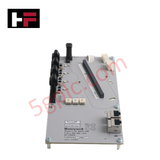
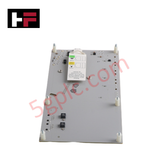
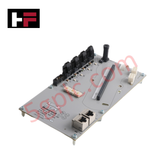
Product Details
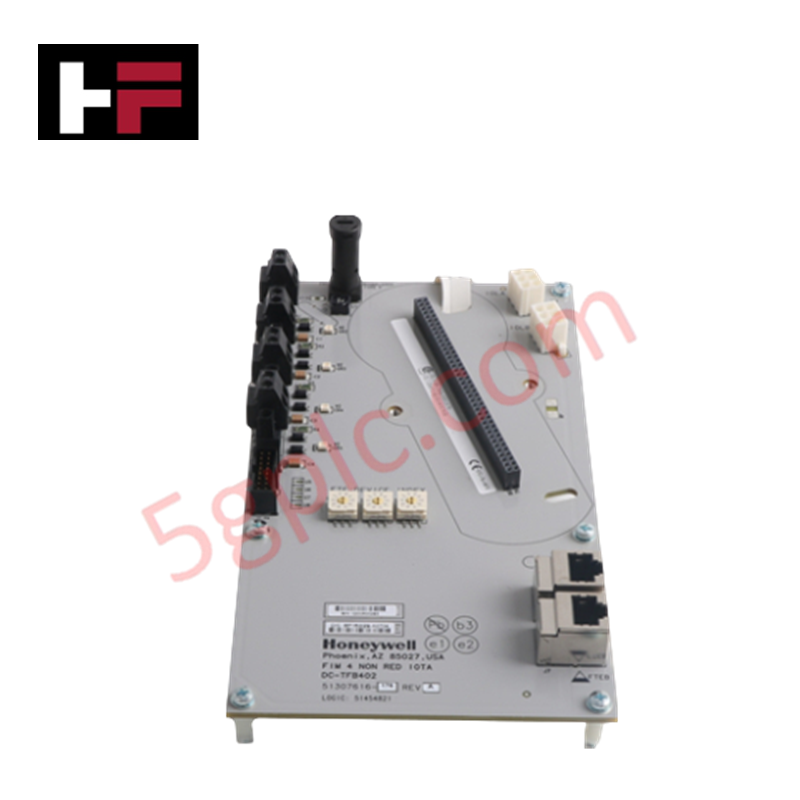
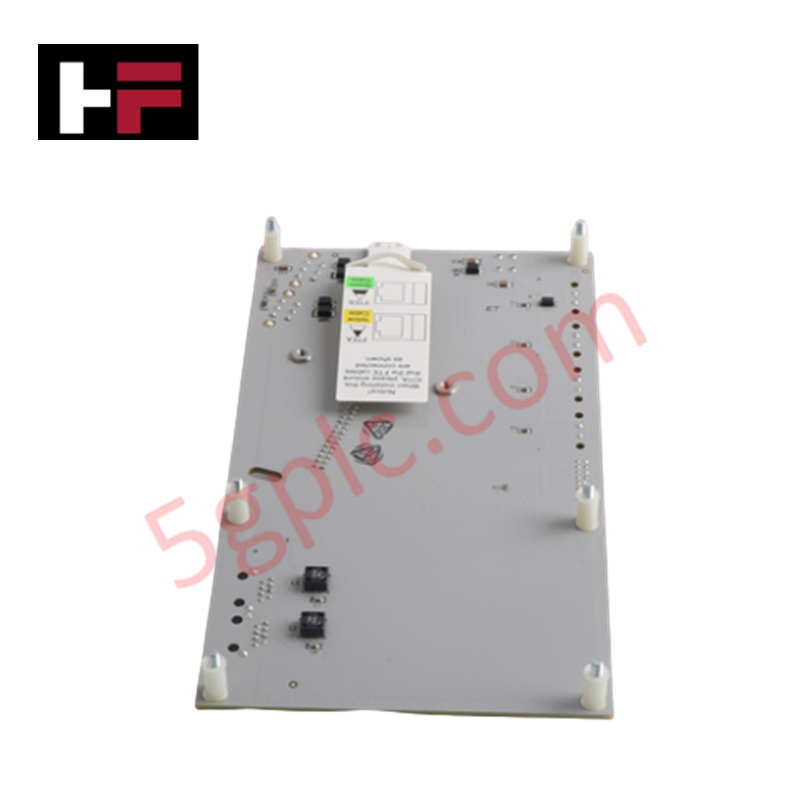
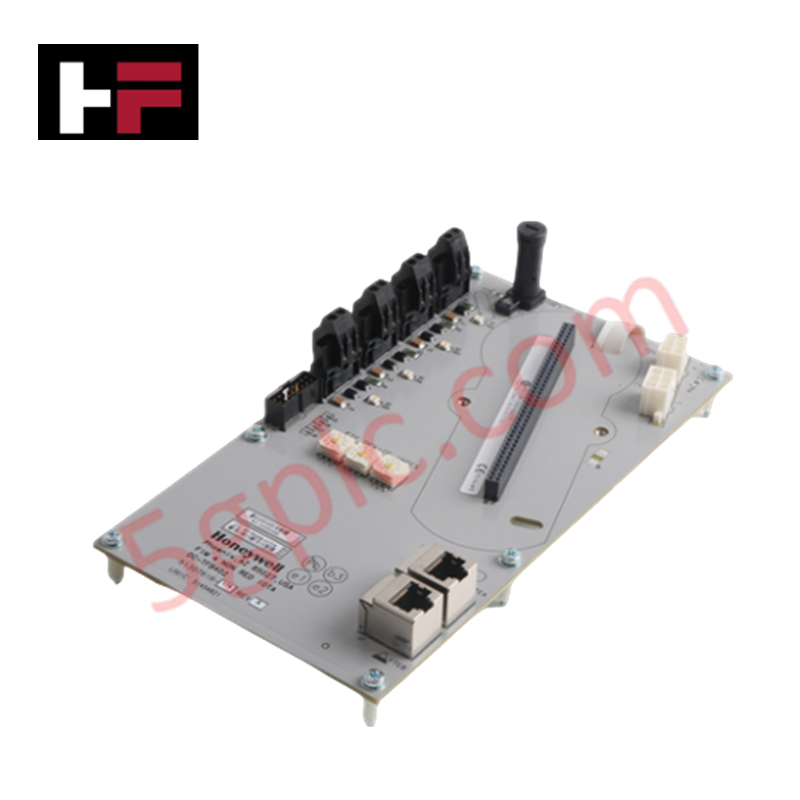
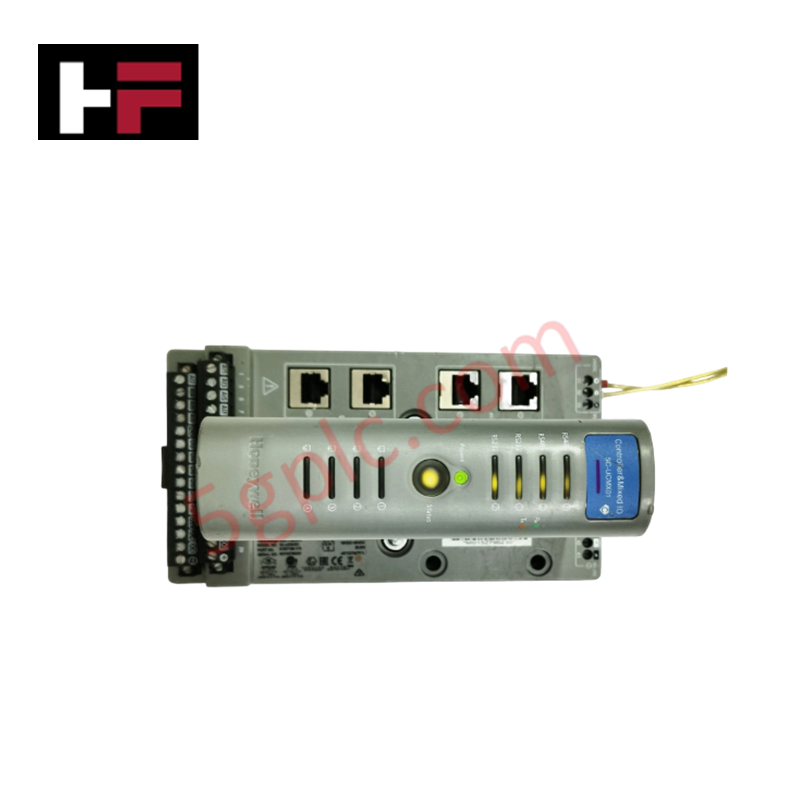
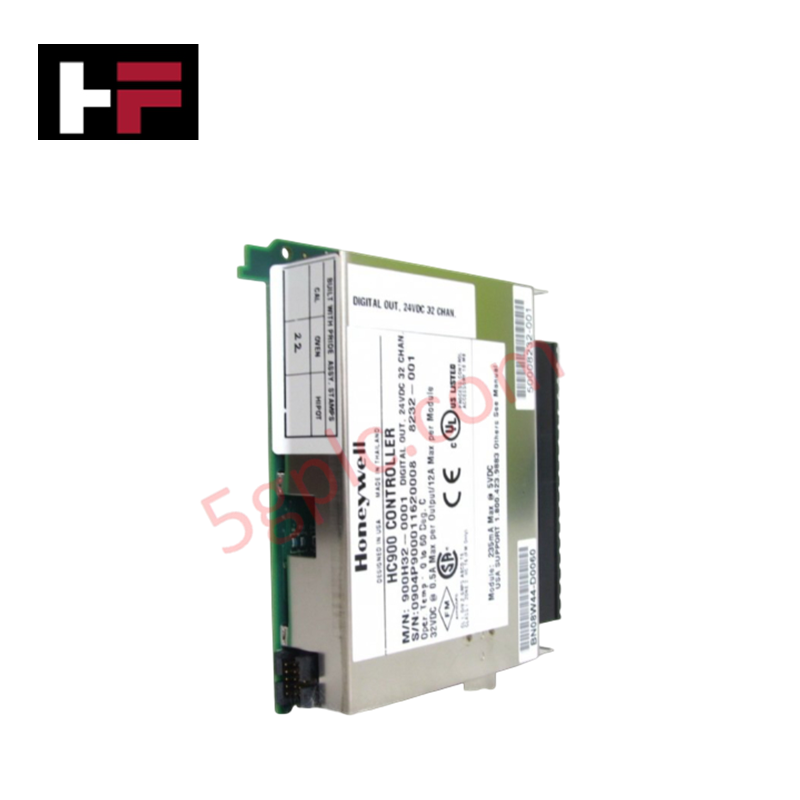
Configured for analog signal output control in process control platforms, the Honeywell DC-TAOX11 (DC-TAOX11) system module provides direct physical/electrical execution of output signal termination. The module interfaces with the input system module to drive field instrumentation, supporting a maximum output compliant voltage of 24 V DC.
Hardware Specifications
| Parameter | Specification |
|---|---|
| Model | DC-TAOX11 |
| Brand | Honeywell |
| Origin | Not specified |
| Weight | 3.0 kg |
| Dimensions | Standard IOTA module dimensions |
| Operating Temp | Consult system technical manual |
| Power Consumption | Dependent on host I/O load |
| Max Output Voltage | 24 V DC |
Channel-to-Channel Isolation
The DC-TAOX11 module is engineered to support effective signal management within distributed control architectures. Proper operation requires attention to channel-to-channel isolation to prevent potential cross-talk and ground-loop formation during signal transmission. This isolation architecture ensures that analog output signals remain stable and free from interference, supporting the accurate delivery of control commands to field actuators. By maintaining electrical separation between loops, the module prevents transient energy or fault conditions on one field device from propagating back through the output interface to the central controller.
Frequently Asked Questions
Q: Does this module support hot-swapping under load?
A: No. Hot-swapping is not supported. Ensure the control loop is de-energized and the process is in a safe state before extracting the module from its carrier or backplane.
Q: What are the wiring requirements for the 24 V DC compliant output?
A: Use shielded, twisted-pair cabling for all analog output loops. The shield must be terminated at the designated cabinet common ground to satisfy electromagnetic interference protection standards.
Field Installation Guidelines
- Physical Mounting: Install the DC-TAOX11 into the assigned I/O carrier or chassis slot. Ensure that the module is fully seated and the mechanical retention mechanism is locked to prevent intermittent connection due to mechanical vibration.
- Grounding and Shielding: Bond the module chassis to the cabinet earth ground. Ensure all cable shields are continuous and connected to the common ground point at the termination assembly to reduce noise susceptibility.
- Wire Routing: Segregate analog output signal cabling from high-voltage AC power lines and discrete digital I/O lines. Maintain a minimum of 150 mm separation distance to mitigate induced electromagnetic noise on the analog loops.
- Terminal Tightening: Secure all field wires into the terminal blocks using an appropriate torque-calibrated tool. Confirm that connections are firm to prevent contact resistance, which can lead to output signal inaccuracies.
Additional Information
- 100% Genuine Parts: All products are original and authentic, ensuring reliable industrial performance.
- 30-Day Refund Guarantee: Return any in-stock item within 30 days in original, unopened packaging for a full refund (excluding shipping and fees).
- 12-Month Warranty: Covers defects in materials or workmanship; excludes misuse, normal wear, or unauthorized modifications.
- Worldwide Shipping: We ship via USPS, UPS, FedEx, and DHL. Delivery times vary by country and may be subject to customs or import fees.
- Support & Contact: Technical and warranty assistance is available anytime. Contact us here: Contact.
- Purchase Guidance: Check product specifications and compatibility carefully before ordering to ensure proper application.
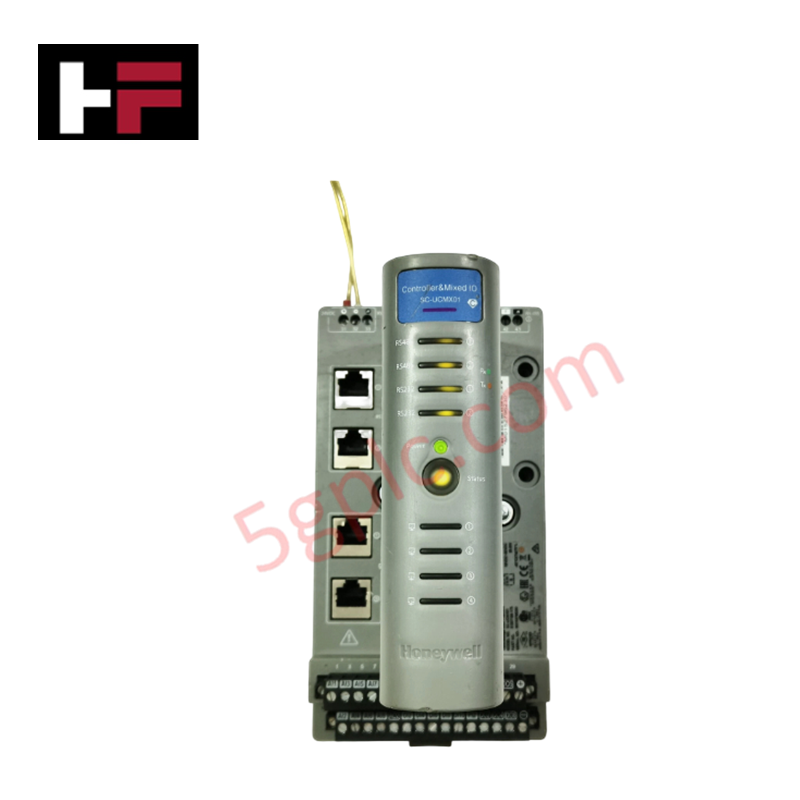
Tech & Buying Guide
Demystifying the 5 Levels of Industrial Automation Architecture
Modern manufacturing relies on structured communication hierarchy to bridge physical shop-floor hardware with enterprise management software. This framework, commonly known as the Automation Pyramid, establishes how data flows between field devices, logic controllers, and corporate IT networks. Understanding these five distinct levels helps engineers and plant managers optimize system operations, reduce downtime, and implement seamless factory automation solutions.

Transforming Shop Floor Data into Actionable Insights: A Deep Dive into MES
Manufacturing Execution Systems serve as the digital backbone of modern factory floors. Positioned at Level 3 of the ISA-95 automation pyramid, MES links enterprise resource planning with real-time shop floor control systems. Today, industrial operators rely on MES software to bridge operational strategy with physical production execution.