












Product Details
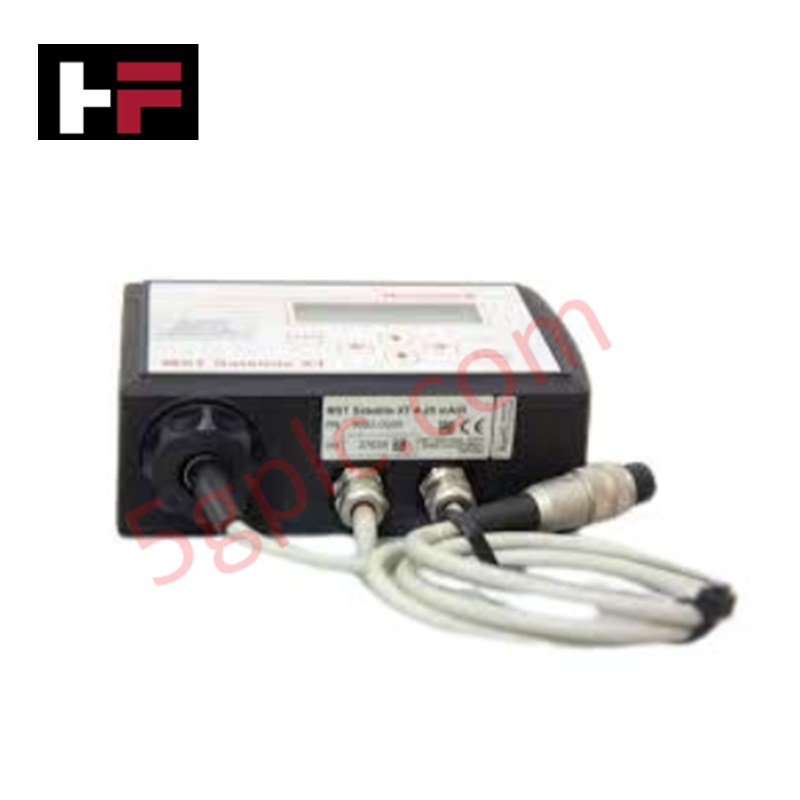
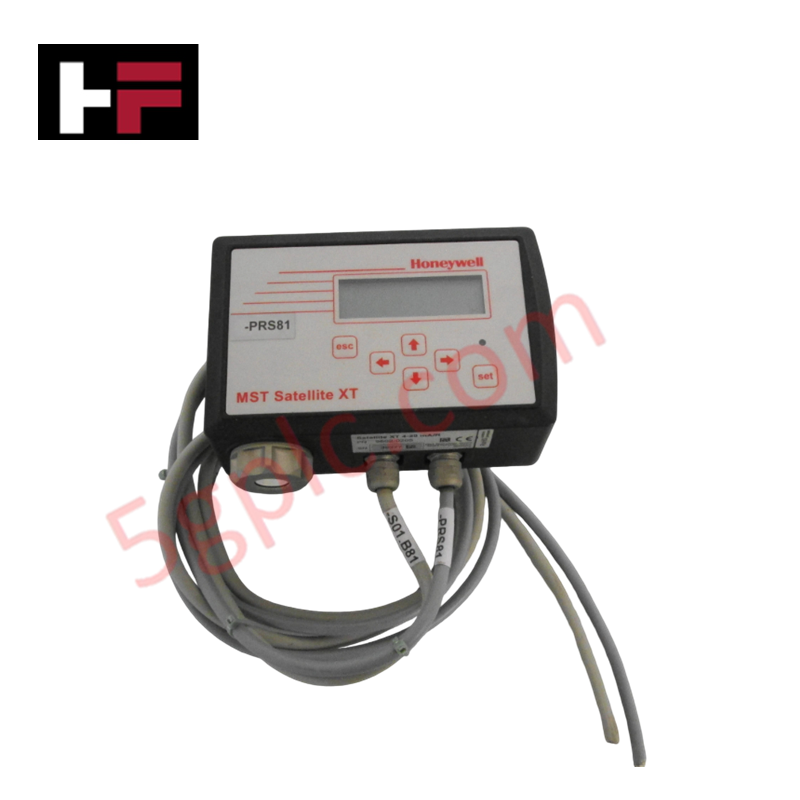
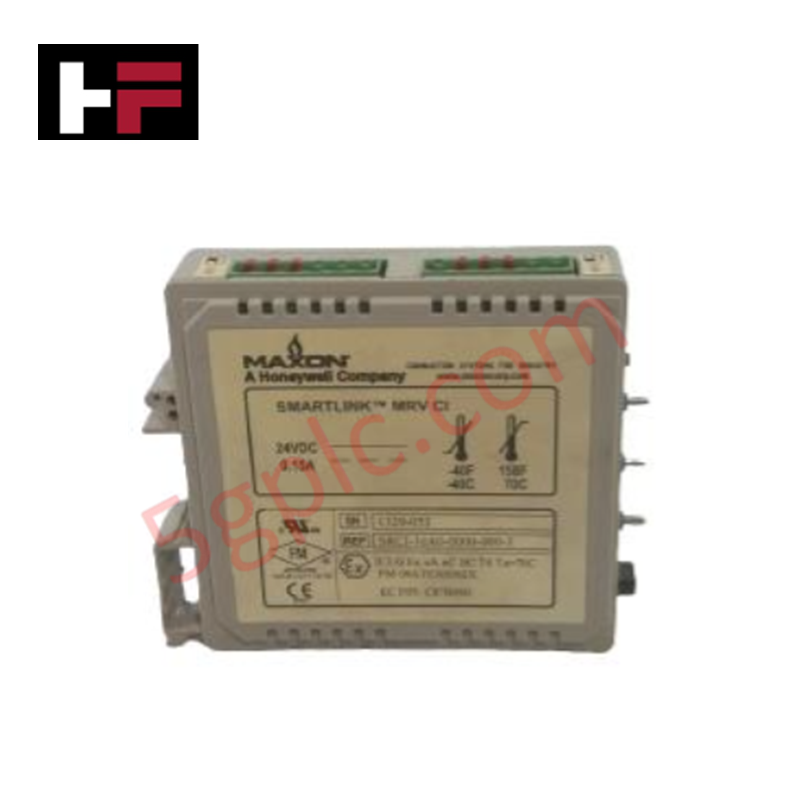
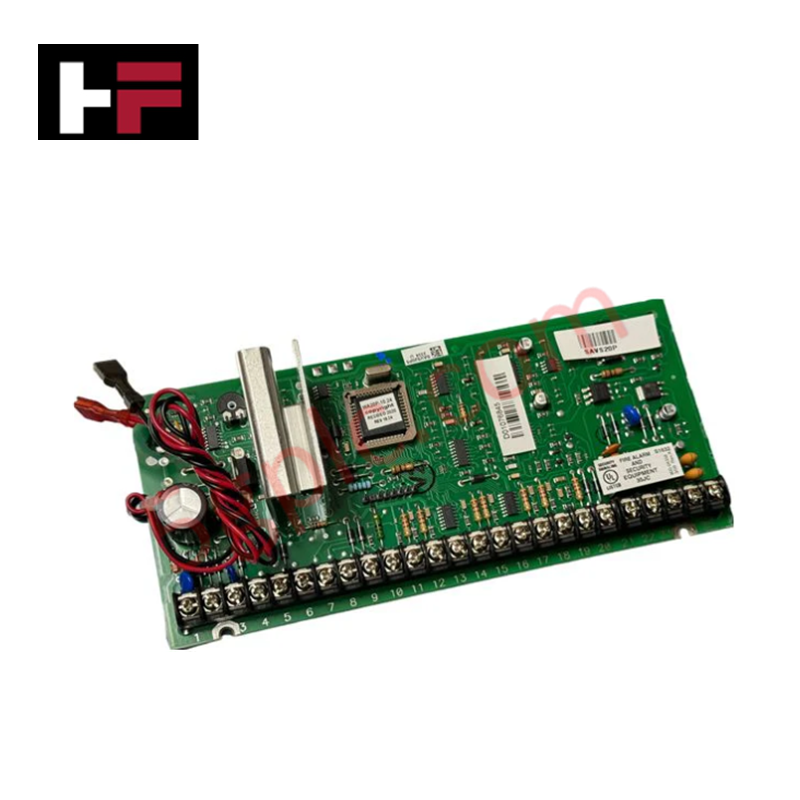
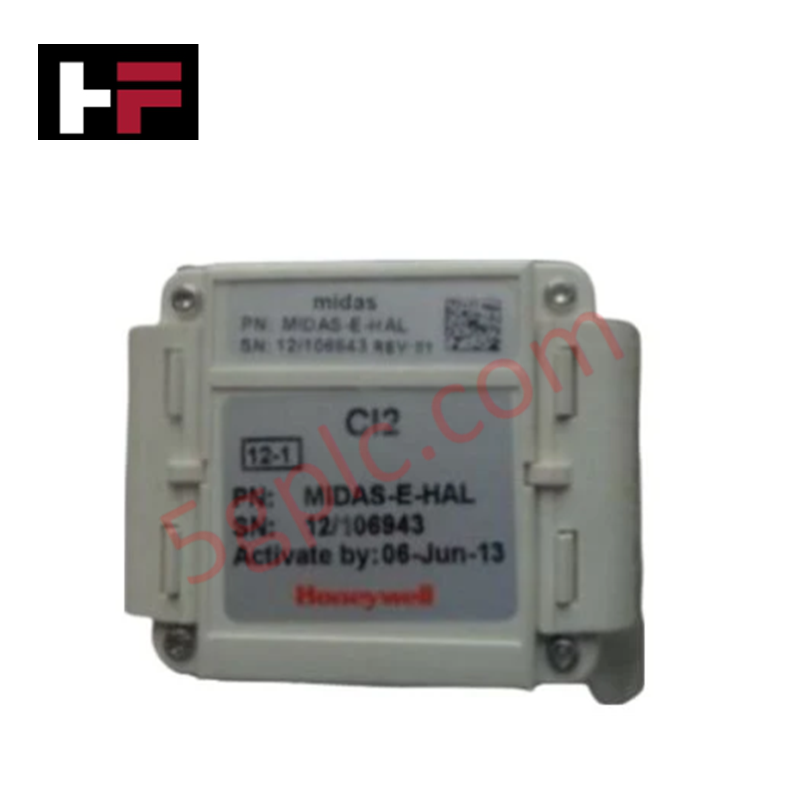
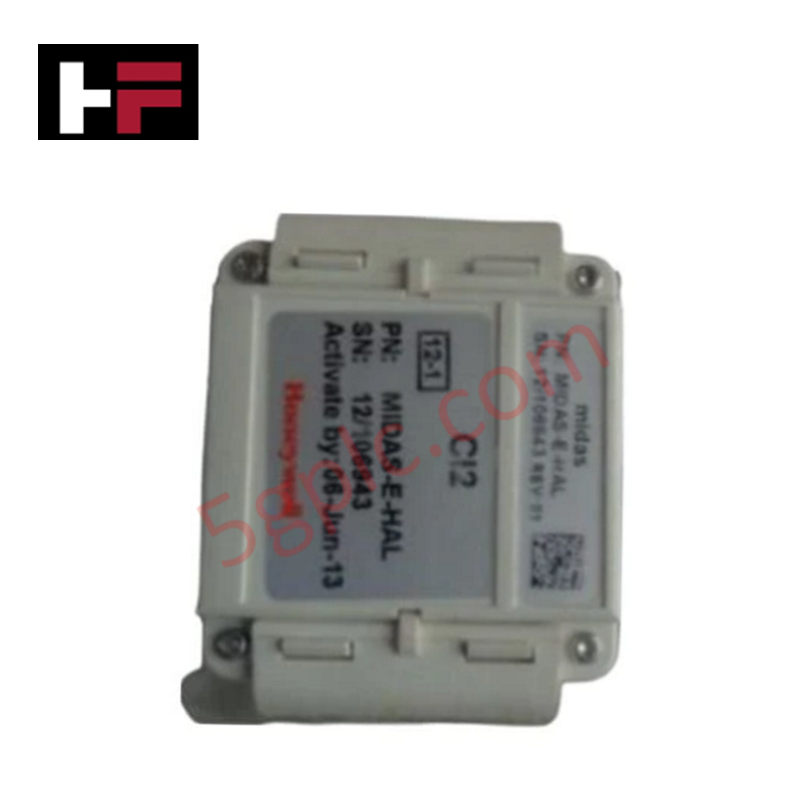
The Honeywell 9602-0205, also cataloged as the 9602 Gas Sensor, operates as a dedicated hardware component for toxic and combustible gas concentration monitoring within Satellite XT Series gas monitoring network platforms. The hardware establishes direct transmitter-to-sensor electrical interface connectivity to deliver real-time analog data without relying on local mechanical relays, transmitting continuous readings via standard loop architectures.
Hardware Specifications
| Parameter | Specification |
|---|---|
| Model | 9602-0205 |
| Brand | Honeywell |
| Series | Satellite XT |
| Origin | United States / Germany |
| Weight | 15.63 lbs |
| Dimensions | Manufacturer standard DIN-rail form factor |
| Operating Temp | -20 to +50 deg C |
| Power Consumption | 24 VDC nominal, 4-20 mA loop powered |
| Signal Output | 4-20 mA analog interface |
| Relay Configuration | None (Without internal relays) |
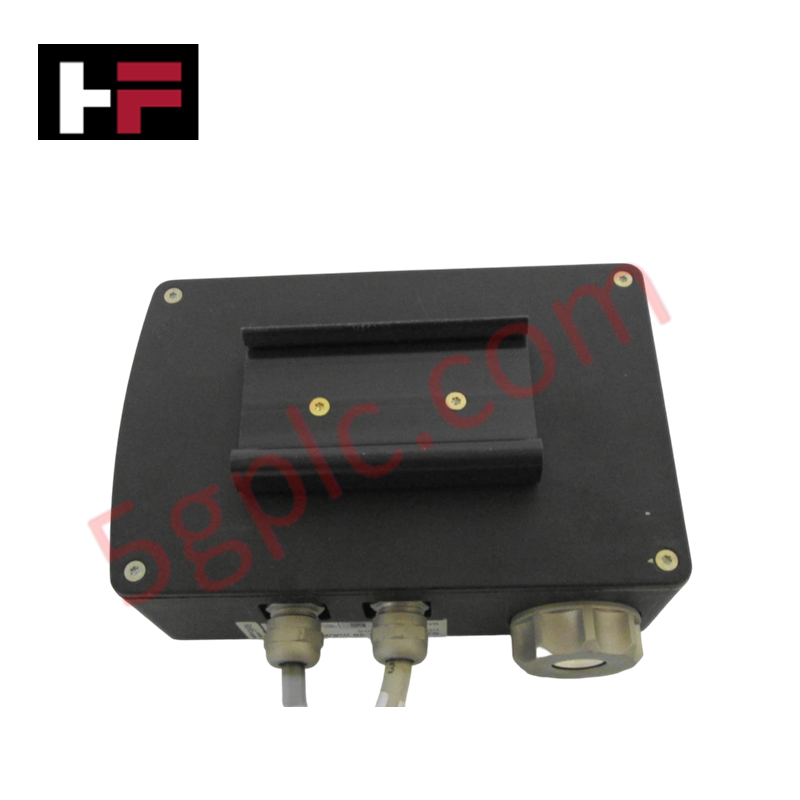
| Mounting Option | Standard DIN-rail tracking |
| System Classification | Safety Systems / Gas Monitoring |
4-20 mA HART Loop Protocol and Channel Execution
The Honeywell 9602-0205 utilizes a high-resolution 4-20 mA analog current loop configuration to communicate real-time electrochemical sensor readings to centralized DCS controllers. The transmitter architecture relies on exact channel-to-channel isolation parameters to eliminate ground loops and prevent signal distortion across long cable distances. Operating without internal mechanical relays, this configuration ensures fast loop-current responsiveness and direct data transmission. Built-in cold junction and ambient temperature compensation circuits prevent thermal drifts from degrading sensor accuracy, maintaining signal stability in varying industrial process environments.
Frequently Asked Questions
Q: Does the 9602-0205 module support local dry-contact alarm configurations?
A: No. The 9602-0205 is designed specifically as a "Without Relays" model. All alarm thresholds, interlocking functions, and trip logic must be configured and executed at the safety PLC or DCS controller side via the transmitted 4-20 mA analog signal loop.
Q: What are the wiring constraints for the analog loop connection?
A: The transmitter utilizes a standard industrial current loop requiring shielded twisted-pair cabling. To maintain signal integrity, the cable shield must be terminated at a single point (typically at the marshaling cabinet ground bar) to prevent electrical noise coupling along the loop pathway.
Field Installation Guidelines
- Mechanical Mounting: Mount the device securely onto a standard 35 mm DIN rail inside an appropriate enclosure that matches the area's hazardous classification. Ensure the physical orientation allows unhindered airflow to the gas detection cell interface.
- Electrical Interconnects: Strip standard field wiring insulation back by 8 mm to 10 mm. Ensure full engagement inside the terminal block clamping mechanism to prevent high-resistance contacts. Maintain physical separation between low-voltage 4-20 mA signaling cables and high-voltage AC distribution lines.
- Shielding and Grounding: Ensure the drain wire of the shielded loop cable is properly insulated at the sensor housing to prevent accidental contact with the transmitter chassis. Ground the shield exclusively at the host system ground bus.
- Commissioning Checks: Prior to full power activation, measure loop impedance to confirm the total series resistance does not exceed the maximum allowed load curve of the host analog input channel at 24 VDC.
Additional Information
- 100% Genuine Parts: All products are original and authentic, ensuring reliable industrial performance.
- 30-Day Refund Guarantee: Return any in-stock item within 30 days in original, unopened packaging for a full refund (excluding shipping and fees).
- 12-Month Warranty: Covers defects in materials or workmanship; excludes misuse, normal wear, or unauthorized modifications.
- Worldwide Shipping: We ship via USPS, UPS, FedEx, and DHL. Delivery times vary by country and may be subject to customs or import fees.
- Support & Contact: Technical and warranty assistance is available anytime. Contact us here: Contact.
- Purchase Guidance: Check product specifications and compatibility carefully before ordering to ensure proper application.



Tech & Buying Guide

Transforming Shop Floor Data into Actionable Insights: A Deep Dive into MES
Manufacturing Execution Systems serve as the digital backbone of modern factory floors. Positioned at Level 3 of the ISA-95 automation pyramid, MES links enterprise resource planning with real-time shop floor control systems. Today, industrial operators rely on MES software to bridge operational strategy with physical production execution.

Managed Switch vs. Unmanaged Switch: Industrial Ethernet Architecture

Hot Standby vs. Cold Standby Redundancy in Industrial Automation
System availability determines process safety and productivity in industrial automation. Control engineers deploy redundancy to eliminate single points of failure. This technical guide evaluates Hot Standby vs. Cold Standby architectures, comparing failover speeds, memory sync, cost trade-offs, and field selection criteria.