












Product Details
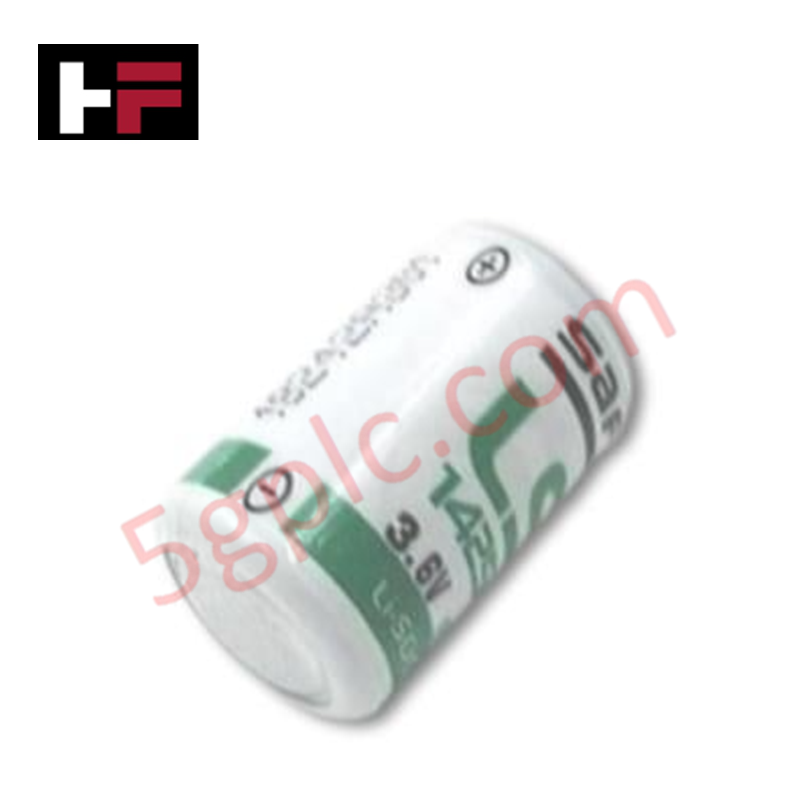
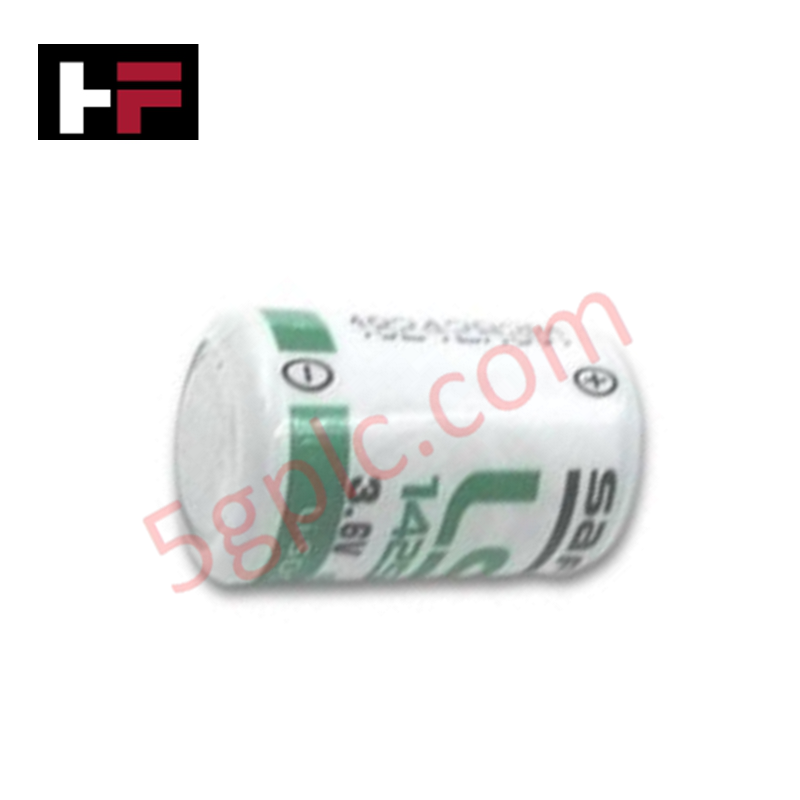
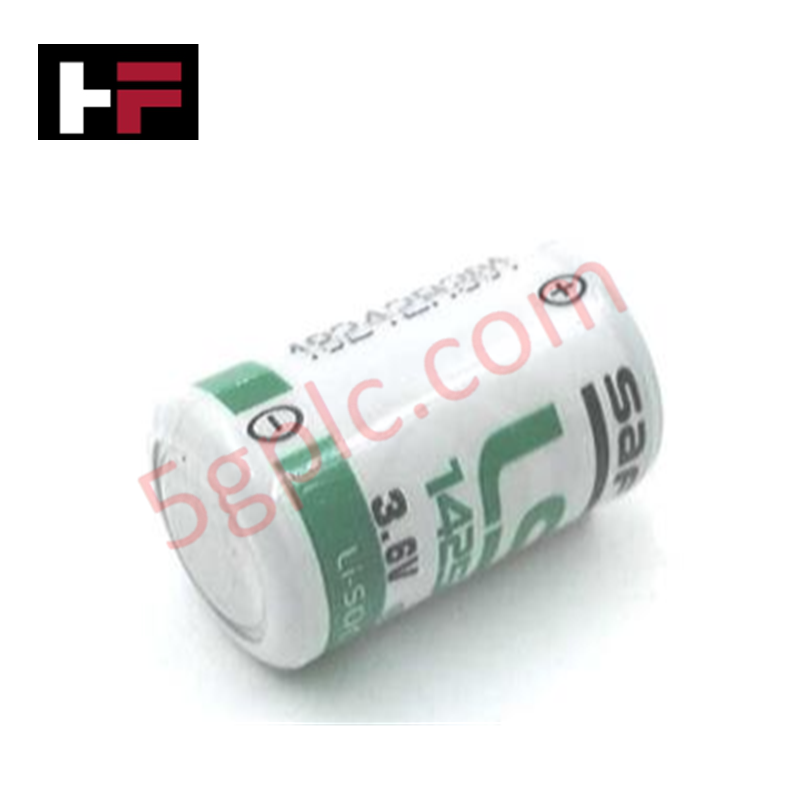
Configured for volatile memory retention in PLC control systems, the Honeywell 51197593-100 (51197593-100) lithium battery provides direct electrical execution of power backup for internal RAM and real-time clock modules. This unit serves as the primary energy storage component utilized to execute data retention tasks across Honeywell PLC platforms during main power loss events.
Hardware Specifications
| Parameter | Specification |
|---|---|
| Model | 51197593-100 |
| Brand | Honeywell |
| Weight | 68.04 g |
| Dimensions | 34.3 mm x 17.3 mm x 17.3 mm |
| Operating Temp | Consult controller documentation |
| Power Consumption | 3.6 V (Nominal) |
| Capacity | 1200 mAh (LiMnO2 Chemistry) |
Firmware Flash Compatibility and Memory Retention
The 51197593-100 battery is a mission-critical component for maintaining controller state during power cycles. In systems utilizing non-volatile memory or firmware flash compatibility, this battery sustains the CMOS RAM that stores user logic, configuration parameters, and diagnostic registers. Depletion of this battery beyond the manufacturer-specified threshold can result in the loss of operational program memory, requiring a full download of the project file and restoration of the system configuration.
Frequently Asked Questions
Q: How often should the 51197593-100 be replaced?
A: Battery replacement intervals are determined by the PLC duty cycle and the frequency of power outages. Monitor the controller's diagnostic status bits for a "low battery" alarm, which typically triggers before the terminal voltage drops below the data retention threshold.
Q: Is it safe to replace this battery while the PLC is powered on?
A: Most Honeywell PLC architectures allow for hot-swapping this battery while the controller is energized. This maintains the power supply to the RAM, preventing loss of memory during the transition. Consult the specific hardware manual for the controller series to confirm support for live replacement.
Field Installation Guidelines
- Polarity Verification: Ensure the battery is installed with the correct positive and negative orientation relative to the connector housing. Reversed polarity can lead to internal circuit damage or failure of the retention function.
- Connector Seating: Insert the battery connector fully into the PLC receptacle. Verify that the latching mechanism, if present, is engaged to prevent vibration from loosening the connection.
- Storage and Handling: Store replacement units in a cool, dry environment. Avoid contact with metallic objects that could cause a short circuit across the battery terminals, which would lead to rapid capacity discharge and permanent damage.
- Disposal: Dispose of the exhausted battery in accordance with local industrial chemical waste and environmental regulations regarding lithium-based power cells.
Additional Information
- 100% Genuine Parts: All products are original and authentic, ensuring reliable industrial performance.
- 30-Day Refund Guarantee: Return any in-stock item within 30 days in original, unopened packaging for a full refund (excluding shipping and fees).
- 12-Month Warranty: Covers defects in materials or workmanship; excludes misuse, normal wear, or unauthorized modifications.
- Worldwide Shipping: We ship via USPS, UPS, FedEx, and DHL. Delivery times vary by country and may be subject to customs or import fees.
- Support & Contact: Technical and warranty assistance is available anytime. Contact us here: Contact.
- Purchase Guidance: Check product specifications and compatibility carefully before ordering to ensure proper application.
Tech & Buying Guide

Transforming Shop Floor Data into Actionable Insights: A Deep Dive into MES
Manufacturing Execution Systems serve as the digital backbone of modern factory floors. Positioned at Level 3 of the ISA-95 automation pyramid, MES links enterprise resource planning with real-time shop floor control systems. Today, industrial operators rely on MES software to bridge operational strategy with physical production execution.

Managed Switch vs. Unmanaged Switch: Industrial Ethernet Architecture

Hot Standby vs. Cold Standby Redundancy in Industrial Automation
System availability determines process safety and productivity in industrial automation. Control engineers deploy redundancy to eliminate single points of failure. This technical guide evaluates Hot Standby vs. Cold Standby architectures, comparing failover speeds, memory sync, cost trade-offs, and field selection criteria.