










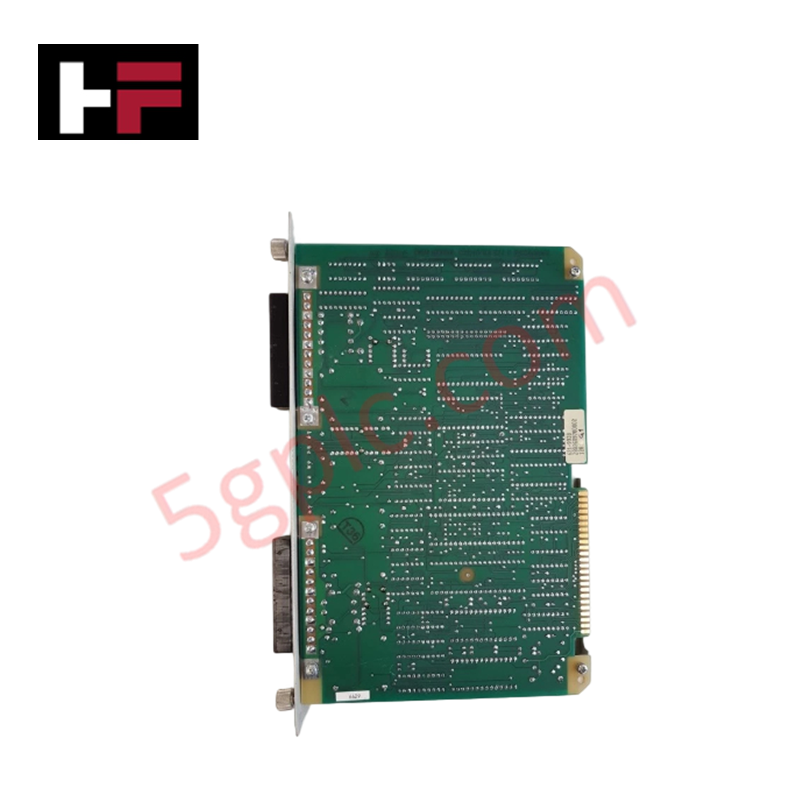
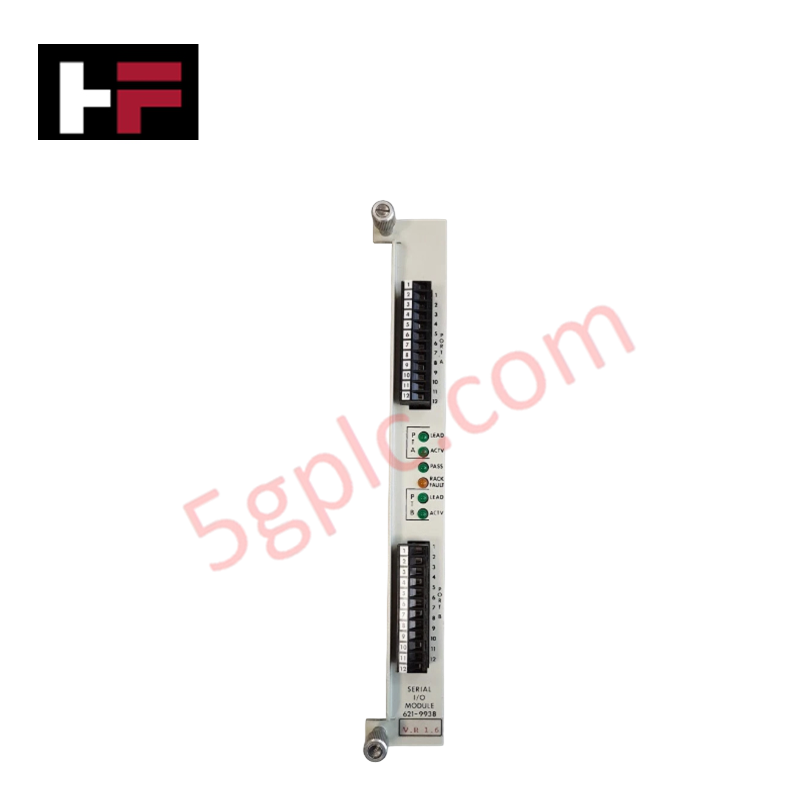



Product Details
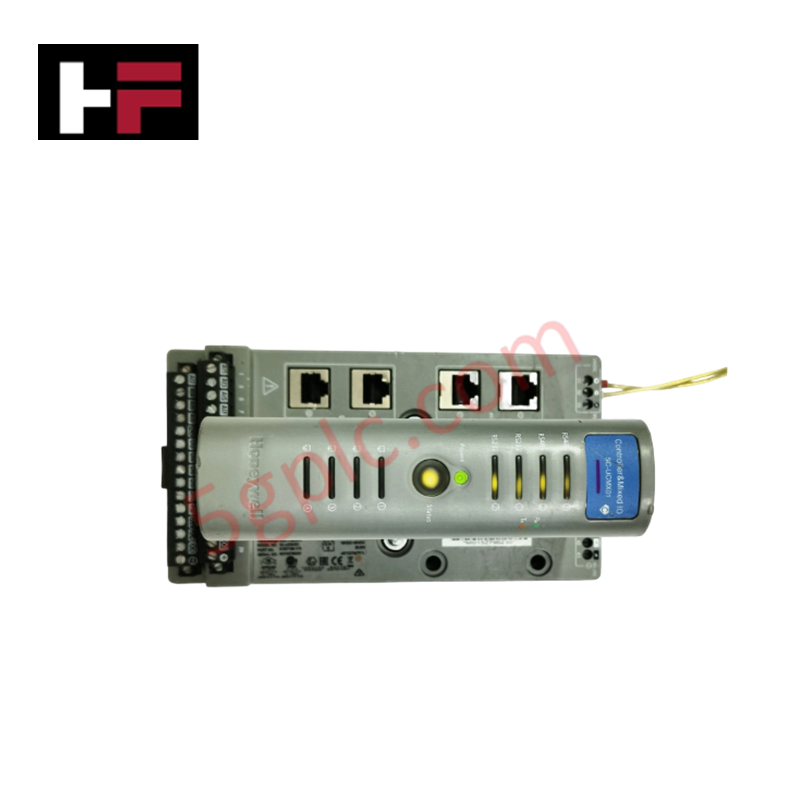
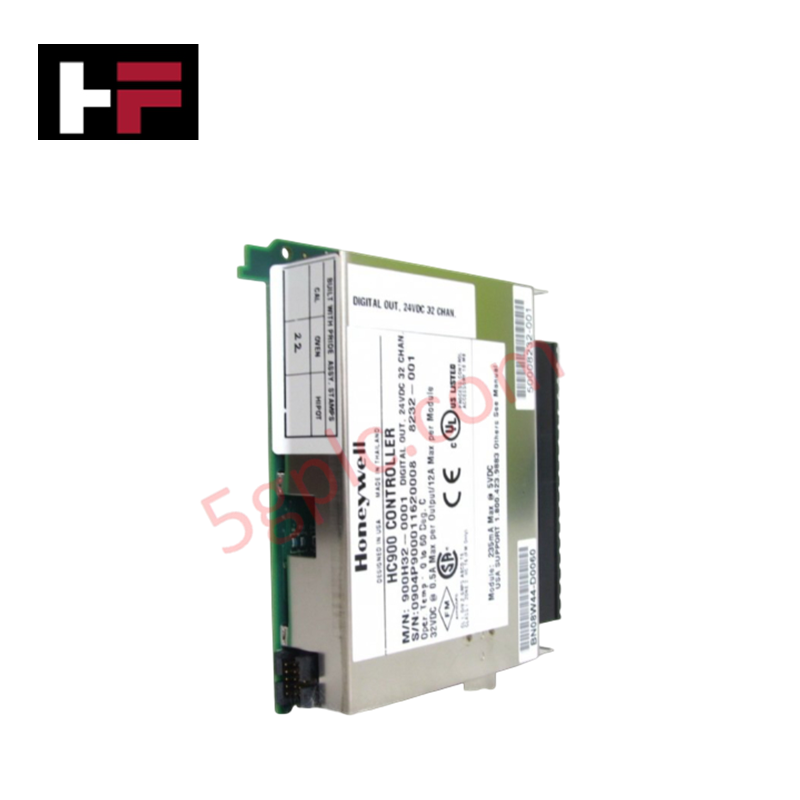
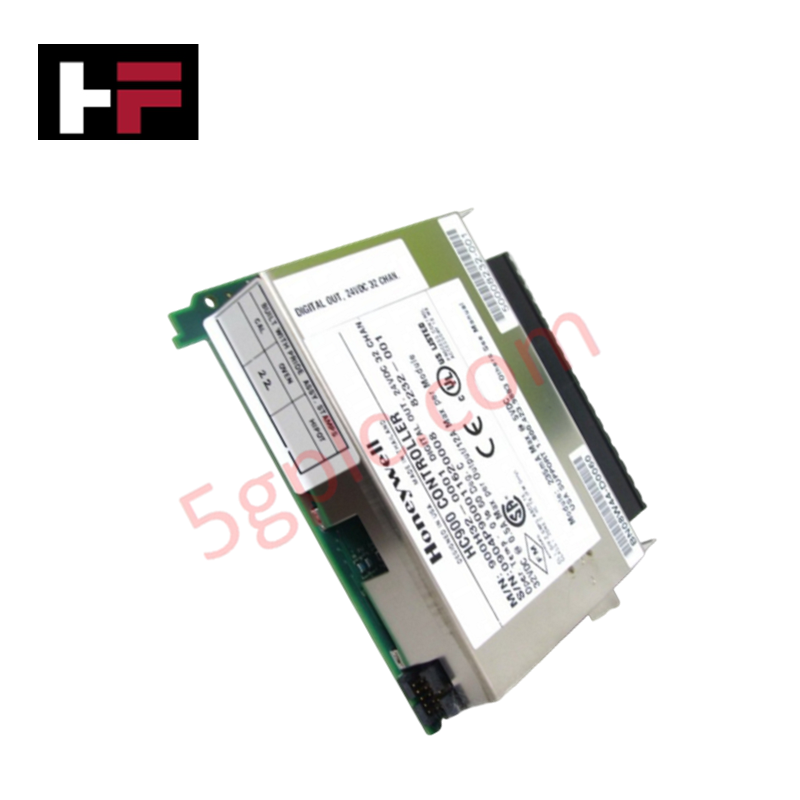
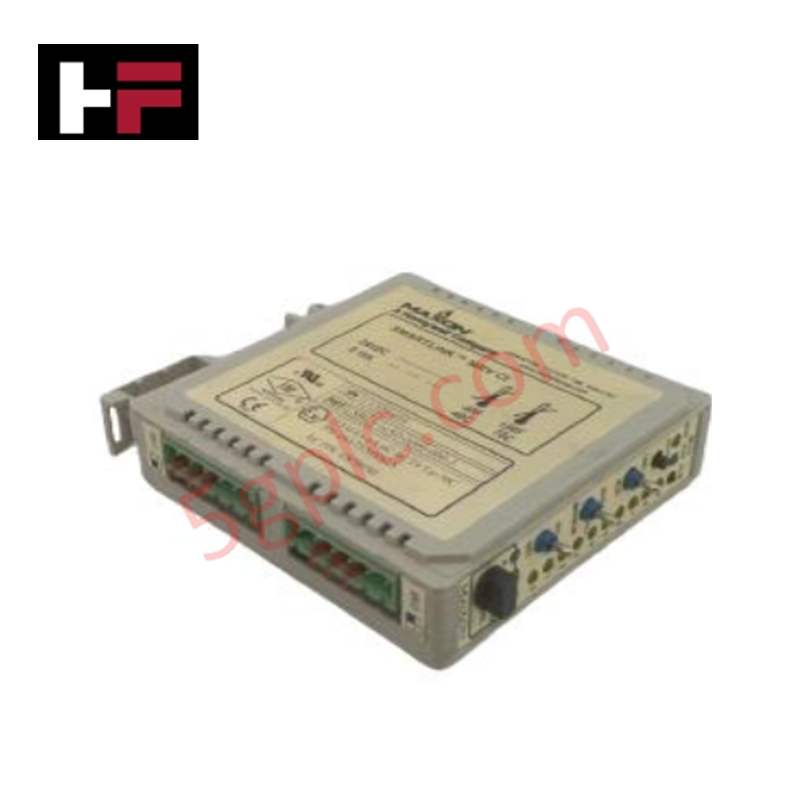
Configured for multi-channel serial data management in control system architectures, the Honeywell 621-9938 (621-9938 Serial I/O Module) provides direct physical and electrical execution of bi-directional data exchange between the PLC and remote peripheral devices. The module serves as the primary dual-port interface utilized to execute serial I/O signal routing across Honeywell PLC platforms.
Hardware Specifications
| Parameter | Specification |
|---|---|
| Model | 621-9938 |
| Brand | Honeywell |
| Weight | 0.70 kg |
| Port Configuration | Dual Port |
| Status Indicators | Front-mounted LEDs |
DCS Process Control and Connectivity
The 621-9938 module enables dual-stream serial communication, providing independent I/O paths for peripheral data integration. Each port supports channel-to-channel isolation, which is required to mitigate common-mode noise and prevent ground-loop interference between the controller backplane and field-side instruments. The module architecture incorporates high-speed transceiver logic designed to maintain data integrity during peak bus traffic, supporting consistent communication latency required for deterministic control loops. Integrated cold junction compensation (CJC) is offloaded to localized sensor interface cards, allowing this module to concentrate on high-throughput serial framing and synchronization for 4-20 mA HART loop protocol data encapsulation where applicable within the broader control environment.
Frequently Asked Questions
Q: Does this module support hot-swapping within the controller rack?
A: No. The 621-9938 is not designed for hot-swapping. Insertion or removal of the module while the backplane is powered will likely result in a system-wide bus fault and may cause physical damage to the serial transceiver pins.
Q: How are the dual ports configured for communication settings?
A: Port parameters such as baud rate, parity, and stop bits are generally managed via the PLC programming software or module configuration register mapping. Ensure that the field device settings strictly match the software configuration to avoid data framing errors.
Field Installation Guidelines
- Verify that the controller rack is fully de-energized before beginning module installation.
- Align the module with the chassis slot and seat firmly into the backplane connector to ensure stable physical and electrical contact.
- Secure the module to the rack frame using the provided mounting fasteners to establish a rigid ground path for EMI suppression.
- Utilize shielded, twisted-pair communication cabling for all serial connections, ensuring the shield is terminated to the designated ground terminal to prevent signal corruption.
- Perform a diagnostic loop-back test upon system startup to confirm that both serial ports are initialized and communicating with the intended remote devices.
Additional Information
- 100% Genuine Parts: All products are original and authentic, ensuring reliable industrial performance.
- 30-Day Refund Guarantee: Return any in-stock item within 30 days in original, unopened packaging for a full refund (excluding shipping and fees).
- 12-Month Warranty: Covers defects in materials or workmanship; excludes misuse, normal wear, or unauthorized modifications.
- Worldwide Shipping: We ship via USPS, UPS, FedEx, and DHL. Delivery times vary by country and may be subject to customs or import fees.
- Support & Contact: Technical and warranty assistance is available anytime. Contact us here: Contact.
- Purchase Guidance: Check product specifications and compatibility carefully before ordering to ensure proper application.


Tech & Buying Guide

Transforming Shop Floor Data into Actionable Insights: A Deep Dive into MES
Manufacturing Execution Systems serve as the digital backbone of modern factory floors. Positioned at Level 3 of the ISA-95 automation pyramid, MES links enterprise resource planning with real-time shop floor control systems. Today, industrial operators rely on MES software to bridge operational strategy with physical production execution.

Managed Switch vs. Unmanaged Switch: Industrial Ethernet Architecture

Hot Standby vs. Cold Standby Redundancy in Industrial Automation
System availability determines process safety and productivity in industrial automation. Control engineers deploy redundancy to eliminate single points of failure. This technical guide evaluates Hot Standby vs. Cold Standby architectures, comparing failover speeds, memory sync, cost trade-offs, and field selection criteria.