










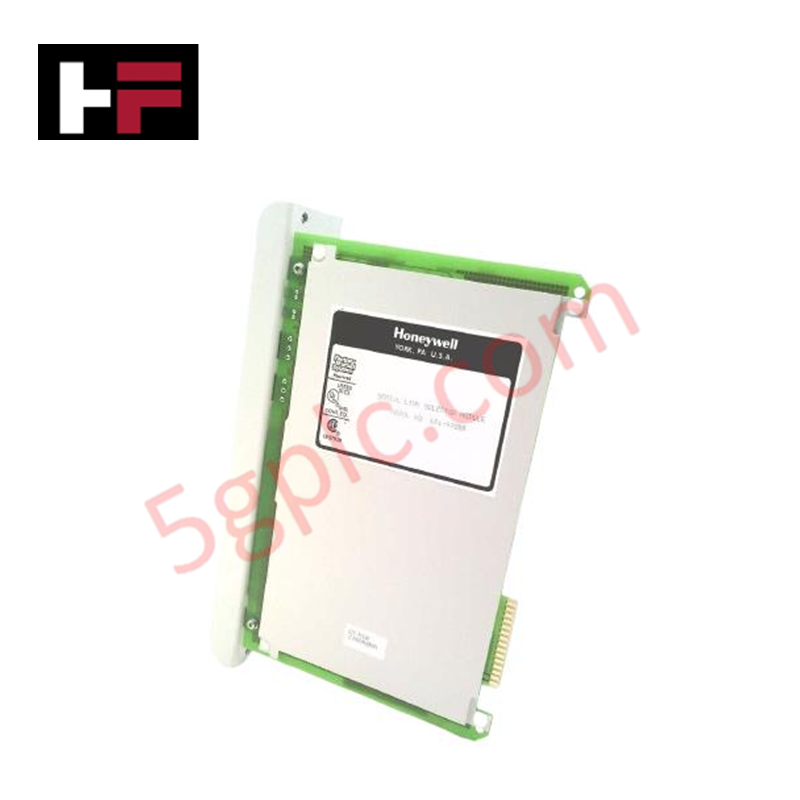

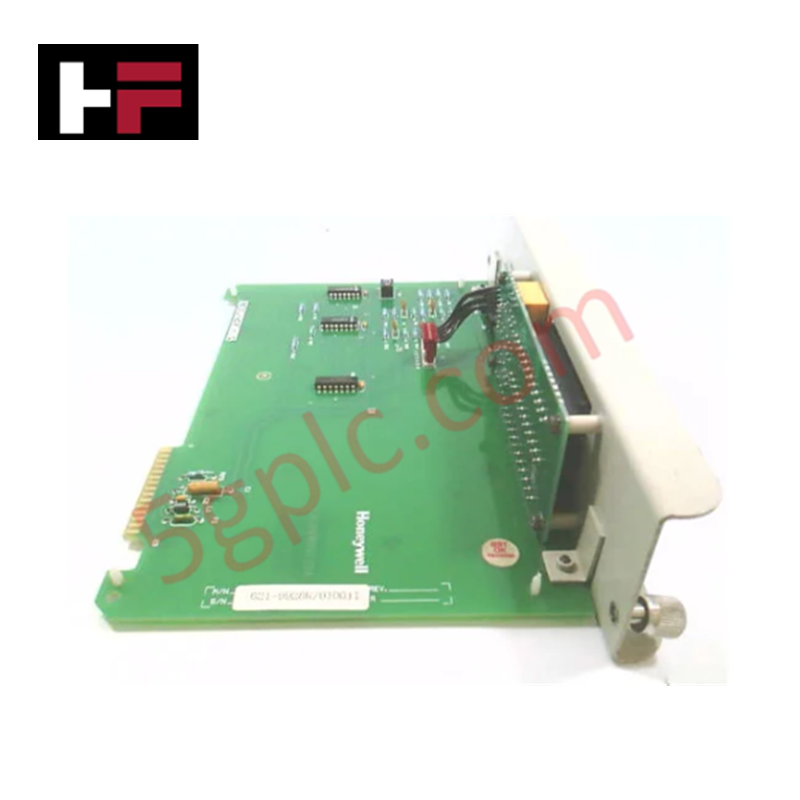

Product Details
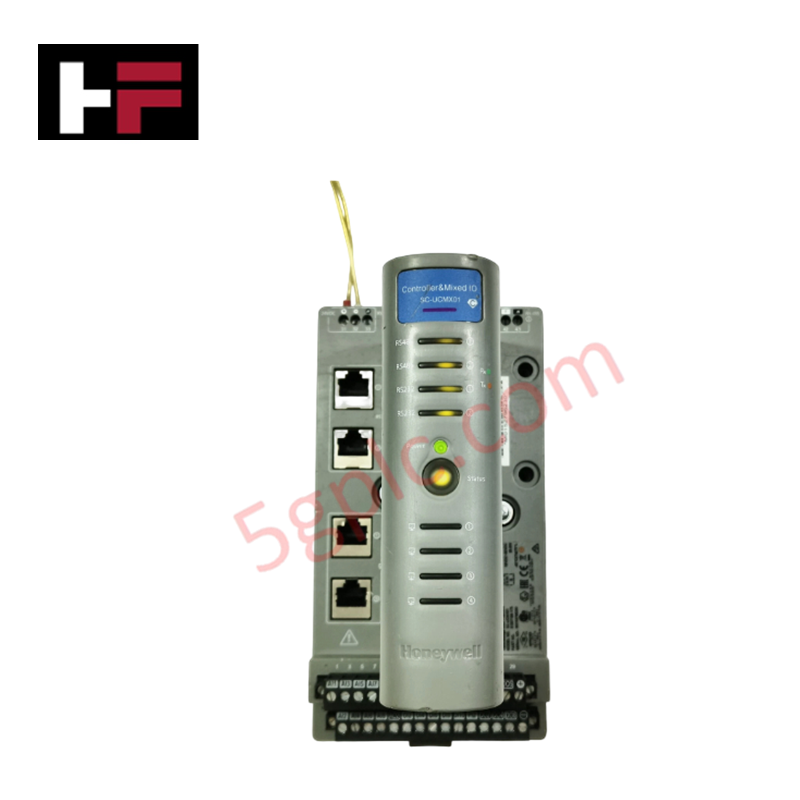
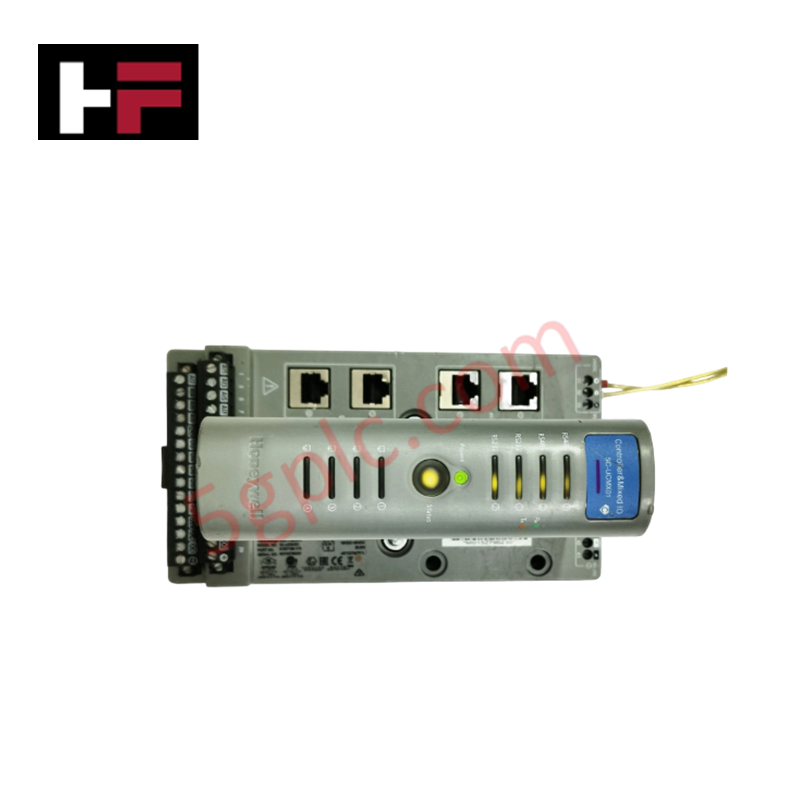
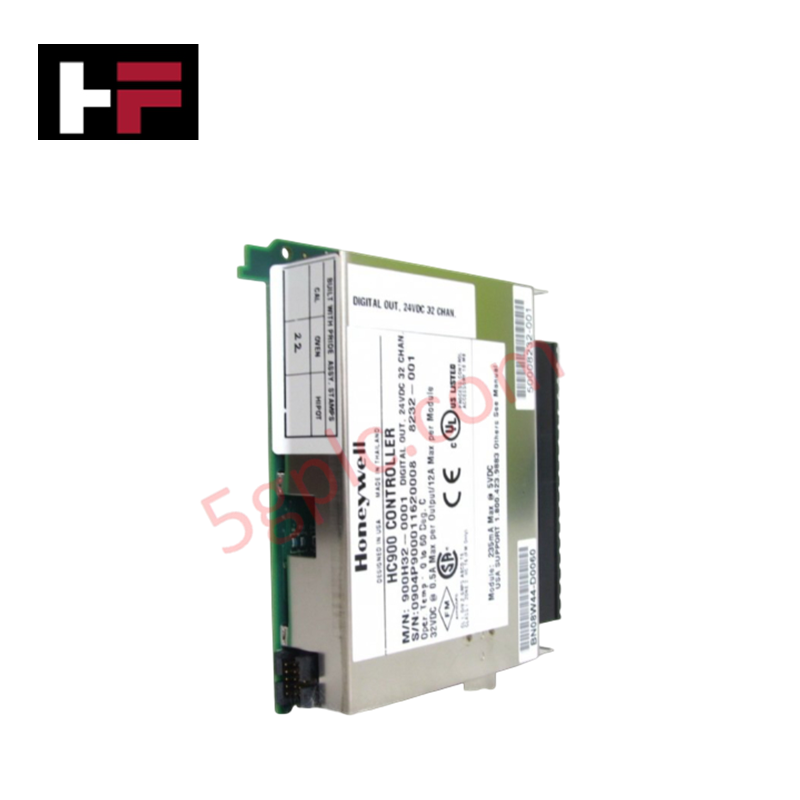
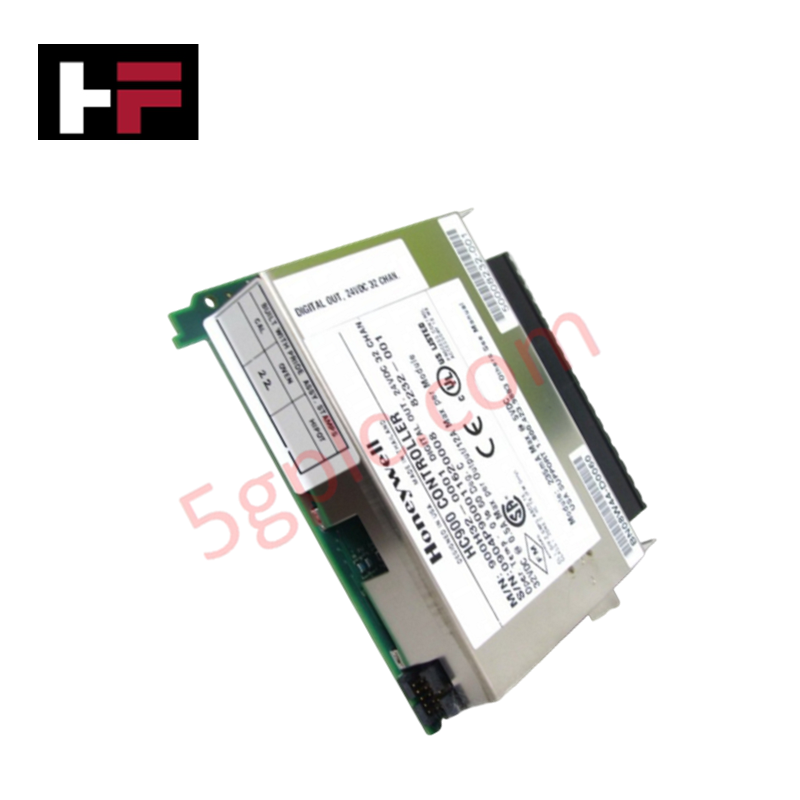
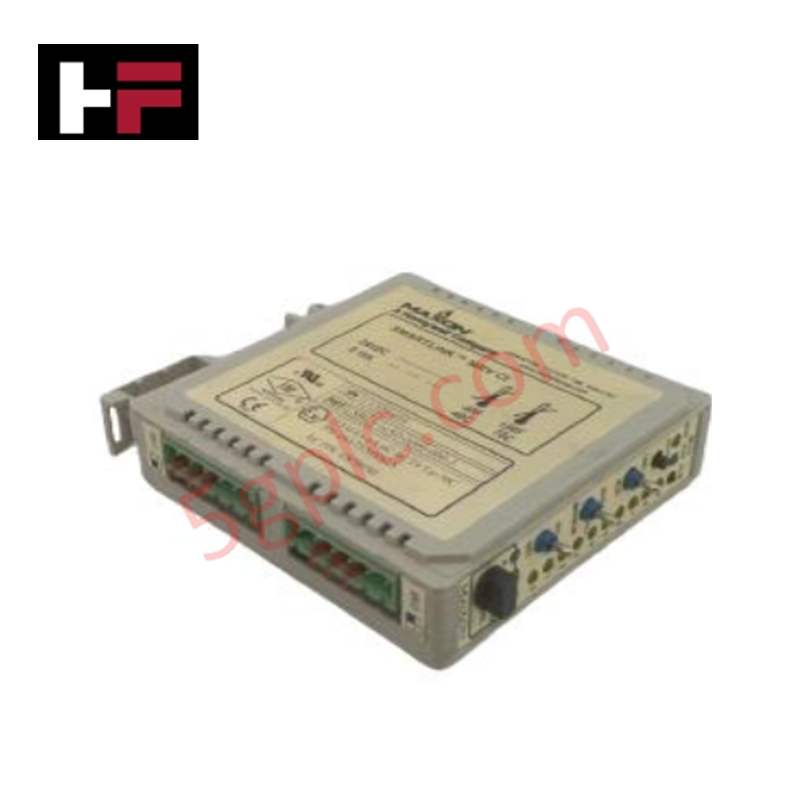
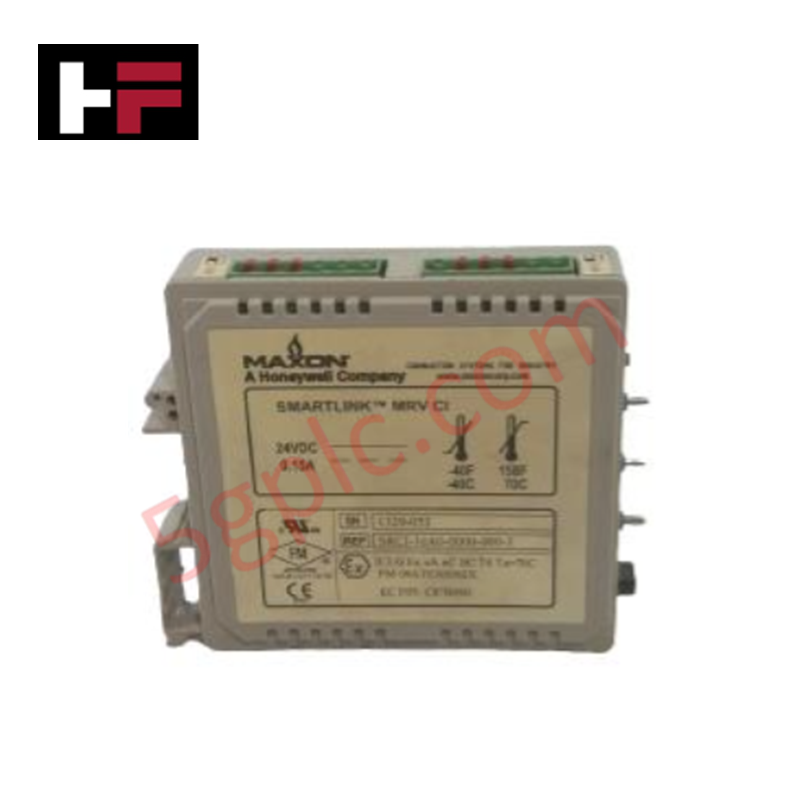
Configured for serial communication channel orchestration in PLC control networks, the Honeywell 621-9928R (621-9928R Serial Link Selector) provides direct physical execution of signal switching between central control units and field devices. The module serves as the primary multi-port interface utilized to execute data routing across Honeywell IPC control platforms.
Hardware Specifications
| Parameter | Specification |
|---|---|
| Model | 621-9928R |
| Brand | Honeywell |
| Weight | 0.5 kg |
| Operating Temp | -25 to 75 deg C |
| Power Consumption | 7 W max at 24 VDC |
| Communication Ports | 2x RS-232, 2x RS-485 |
| Max Baud Rate | 256 kbps |
| Isolation Voltage | 2000 VDC |
DCS Process Control and Connectivity
The 621-9928R module provides interface switching via 2000 VDC isolated serial ports, ensuring protection against common-mode electrical transients in industrial environments. This isolation is required to prevent ground-potential differences between distributed devices from compromising data integrity. The unit supports integration with 4-20 mA HART loop protocol gateways when used to bridge serial diagnostics to the DCS. By maintaining channel-to-channel isolation, the module prevents fault propagation between independent RS-232 and RS-485 segments, supporting consistent frame transmission and reception synchronization for deterministic process monitoring.
Frequently Asked Questions
Q: Does the 621-9928R support hot-swapping within the control rack?
A: No. Hot-swapping is not supported. Connecting or disconnecting the module while the rack is under power will induce voltage spikes on the communication backplane, potentially causing serial link failure or data corruption.
Q: How is the RS-232/RS-485 channel selection triggered?
A: Channel selection is managed through the central controller's logic via the backplane interface. Ensure that the controller firmware is correctly mapped to the module's register addresses to avoid switching latency or port collisions.
Field Installation Guidelines
- Ensure the control rack and all associated serial field devices are de-energized before module installation.
- Secure the module to the mounting rail or chassis to maintain a low-impedance connection to the system protective earth (PE) terminal, which is required to optimize the performance of the 2000 VDC isolation barrier.
- Utilize high-quality shielded cabling for all RS-232 and RS-485 connections. The shield should be bonded to the system ground at the source end only to prevent ground loops.
- Route serial signal lines away from high-voltage AC power conductors to minimize crosstalk and electromagnetic interference (EMI) that can degrade the 256 kbps transmission rate.
- Perform a link integrity check by polling the module through the PLC diagnostic utility to verify port initialization after initial power-up.
Additional Information
- 100% Genuine Parts: All products are original and authentic, ensuring reliable industrial performance.
- 30-Day Refund Guarantee: Return any in-stock item within 30 days in original, unopened packaging for a full refund (excluding shipping and fees).
- 12-Month Warranty: Covers defects in materials or workmanship; excludes misuse, normal wear, or unauthorized modifications.
- Worldwide Shipping: We ship via USPS, UPS, FedEx, and DHL. Delivery times vary by country and may be subject to customs or import fees.
- Support & Contact: Technical and warranty assistance is available anytime. Contact us here: Contact.
- Purchase Guidance: Check product specifications and compatibility carefully before ordering to ensure proper application.
Tech & Buying Guide

Transforming Shop Floor Data into Actionable Insights: A Deep Dive into MES
Manufacturing Execution Systems serve as the digital backbone of modern factory floors. Positioned at Level 3 of the ISA-95 automation pyramid, MES links enterprise resource planning with real-time shop floor control systems. Today, industrial operators rely on MES software to bridge operational strategy with physical production execution.
Managed Switch vs. Unmanaged Switch: Industrial Ethernet Architecture

Hot Standby vs. Cold Standby Redundancy in Industrial Automation
System availability determines process safety and productivity in industrial automation. Control engineers deploy redundancy to eliminate single points of failure. This technical guide evaluates Hot Standby vs. Cold Standby architectures, comparing failover speeds, memory sync, cost trade-offs, and field selection criteria.