










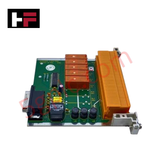
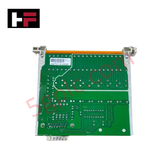
Product Details
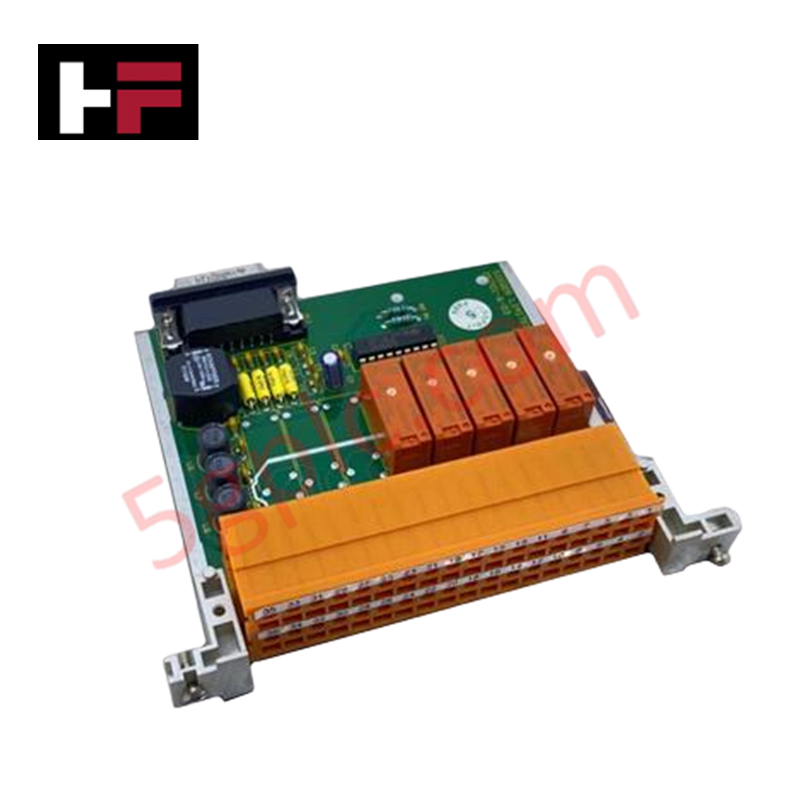
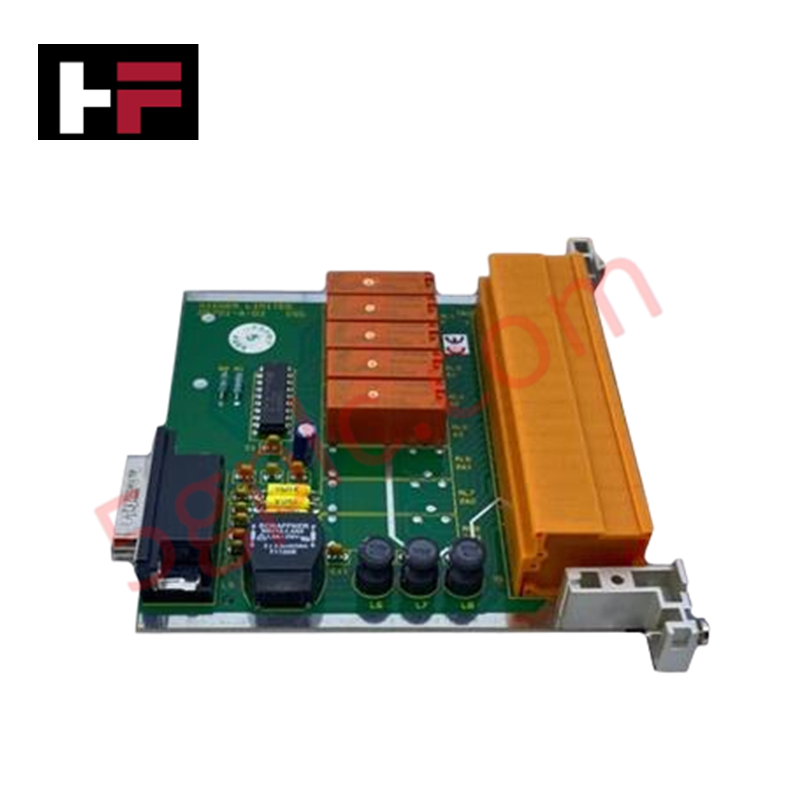
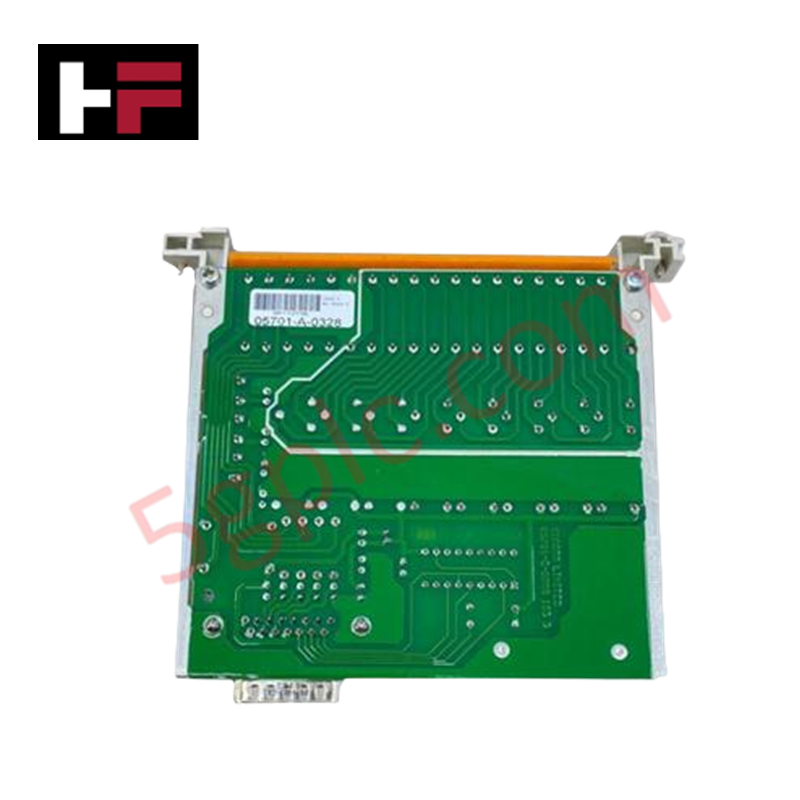
Configured for multi-channel gas detection monitoring in standard 19-inch rack enclosures, the Honeywell 05701-A-0328 (05701-A-0328 Relay Card) provides direct physical signal processing for up to 16 detection channels. The unit operates within a 3U card format, executing logic-driven relay outputs based on input thresholds received from connected gas detection transmitters.
Hardware Specifications
| Parameter | Specification |
|---|---|
| Model | 05701-A-0328 |
| Brand | Honeywell |
| Origin | USA |
| Weight | 0.1 kg |
| Dimensions | 2.2 cm x 12.4 cm x 12.6 cm |
| Operating Temp | Consult system rack specifications |
| Power Consumption | Dependent on active relay load state |
| Detection Channels | 16 channels |
| Form Factor | 3U card |
Channel-to-Channel Isolation
The 05701-A-0328 utilizes integrated signal isolation to maintain channel-to-channel integrity, preventing electrical interference between individual gas detection loops. This isolation architecture ensures that a fault condition or ground deviation on one sensing channel does not propagate to adjacent channels within the 19-inch subrack. Maintenance of these isolation barriers is required to preserve the accuracy of the detection signals and to prevent common-mode voltage buildup across the relay card backplane.
Frequently Asked Questions
Q: Does this card support hot-swapping within the 19-inch subrack?
A: Hot-swapping is restricted. De-energize the subrack power supply before inserting or removing the relay card to prevent damage to the backplane edge connector and internal logic circuitry.
Q: How are alarm thresholds configured for the 16 channels?
A: Alarm setpoints are typically defined through the central control unit or the host gas detection system controller. This relay card acts as an output execution interface and does not independently store detection logic.
Field Installation Guidelines
- Physical Mounting: Insert the 3U card into the designated slot of the 19-inch subrack. Ensure the guide rails are aligned before pushing the card home to avoid bending the backplane pins.
- Connector Integrity: Inspect the edge connector on the rear of the card for debris or oxidation before insertion. Use an electronic contact cleaner if necessary to ensure low-resistance contact.
- Grounding: The subrack must be bonded to a common ground bus using a low-impedance copper strap to provide a reference for the signal isolation circuitry.
- Wiring Practices: Keep relay contact wiring separated from low-level sensor signals. Use shielded cables for all field inputs to minimize electromagnetic noise coupling.
Additional Information
- 100% Genuine Parts: All products are original and authentic, ensuring reliable industrial performance.
- 30-Day Refund Guarantee: Return any in-stock item within 30 days in original, unopened packaging for a full refund (excluding shipping and fees).
- 12-Month Warranty: Covers defects in materials or workmanship; excludes misuse, normal wear, or unauthorized modifications.
- Worldwide Shipping: We ship via USPS, UPS, FedEx, and DHL. Delivery times vary by country and may be subject to customs or import fees.
- Support & Contact: Technical and warranty assistance is available anytime. Contact us here: Contact.
- Purchase Guidance: Check product specifications and compatibility carefully before ordering to ensure proper application.
Tech & Buying Guide
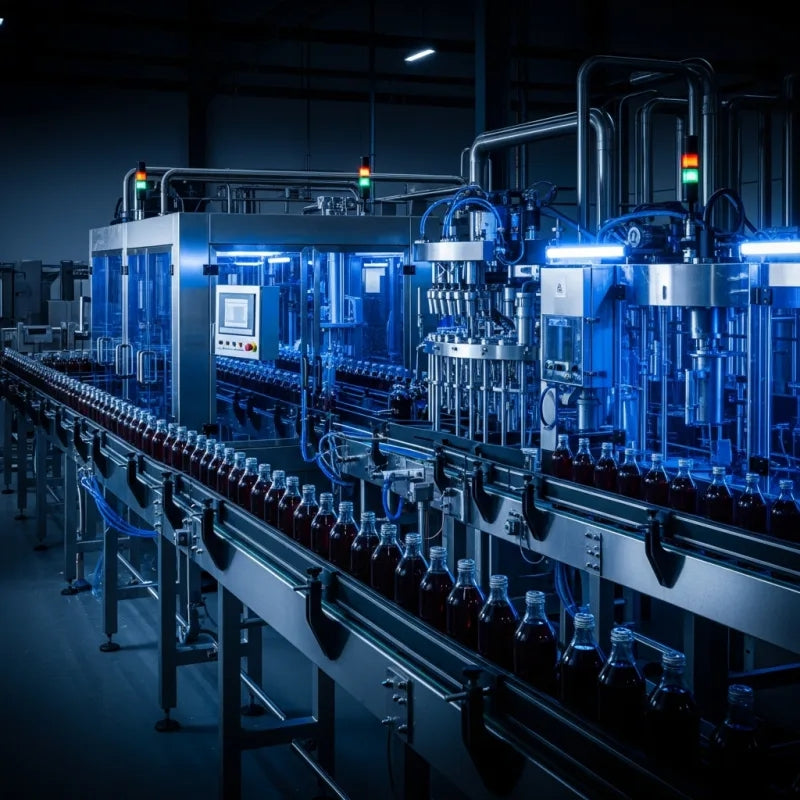
Redundant Automation Systems: Maximizing Uptime in Critical Control Applications
Industrial automation relies on continuous operational stability to prevent catastrophic downtime and financial loss. While standard dictionary definitions treat redundancy as superfluous, industrial engineers consider redundant control architectures indispensable for high-availability systems. Implementing backup hardware ensures seamless takeover during primary equipment failures, protecting critical infrastructure across manufacturing and process industries.
Demystifying the 5 Levels of Industrial Automation Architecture
Modern manufacturing relies on structured communication hierarchy to bridge physical shop-floor hardware with enterprise management software. This framework, commonly known as the Automation Pyramid, establishes how data flows between field devices, logic controllers, and corporate IT networks. Understanding these five distinct levels helps engineers and plant managers optimize system operations, reduce downtime, and implement seamless factory automation solutions.

Transforming Shop Floor Data into Actionable Insights: A Deep Dive into MES
Manufacturing Execution Systems serve as the digital backbone of modern factory floors. Positioned at Level 3 of the ISA-95 automation pyramid, MES links enterprise resource planning with real-time shop floor control systems. Today, industrial operators rely on MES software to bridge operational strategy with physical production execution.