










Product Details
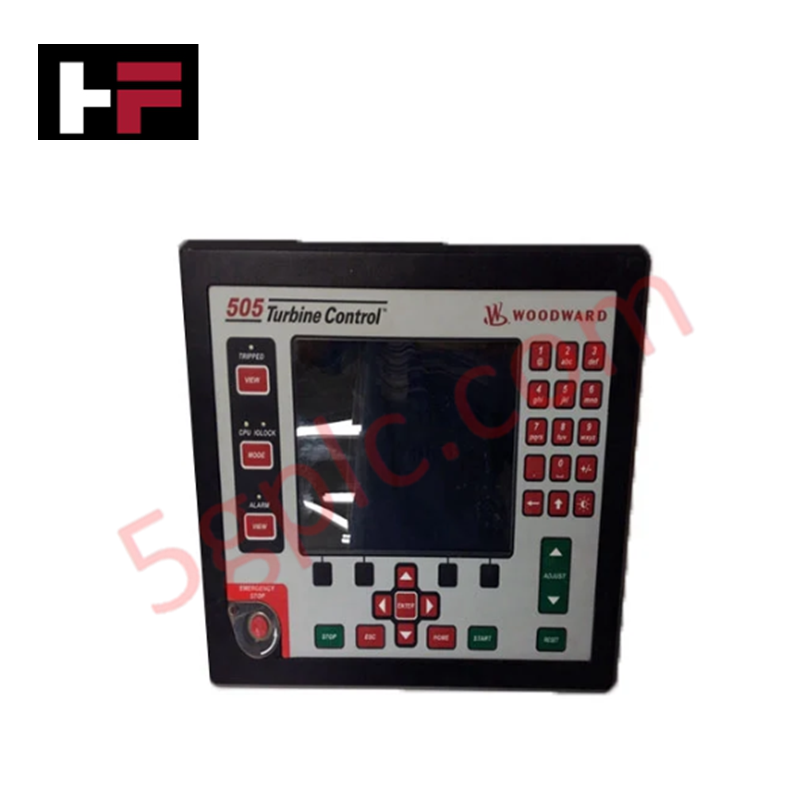
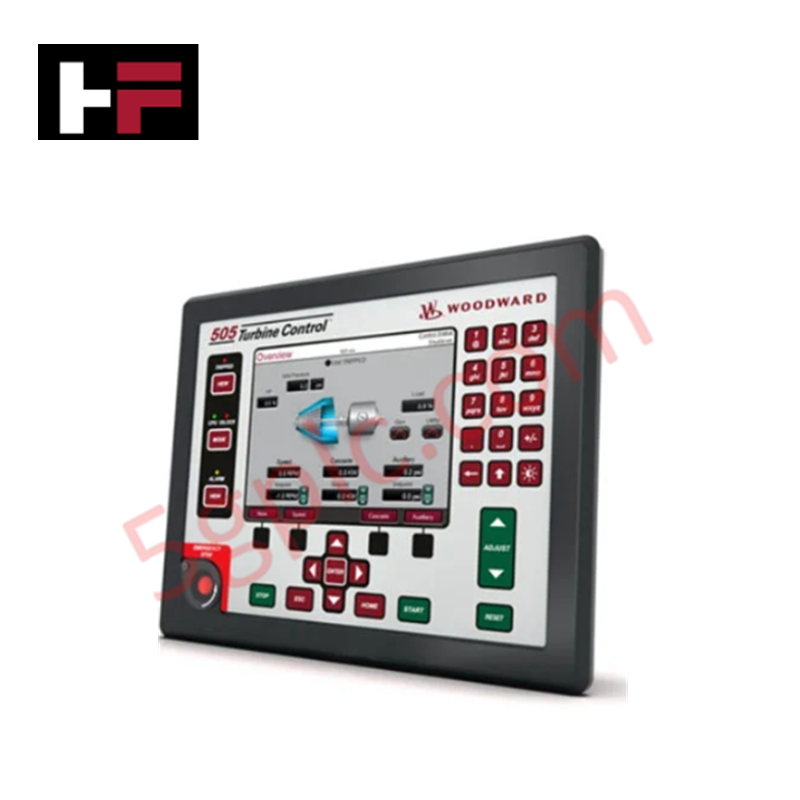
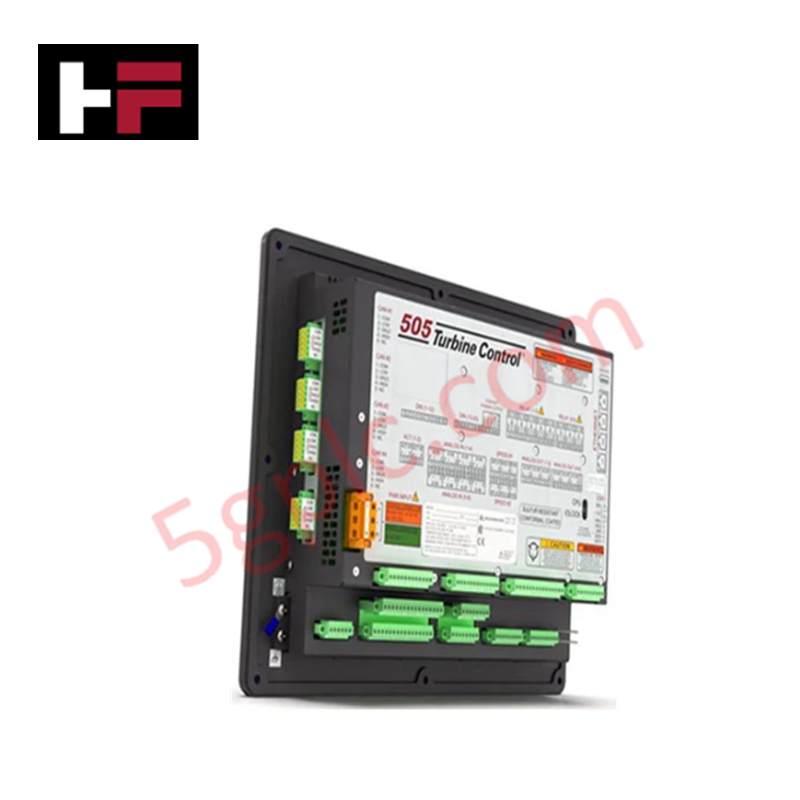
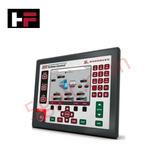
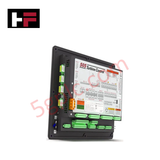
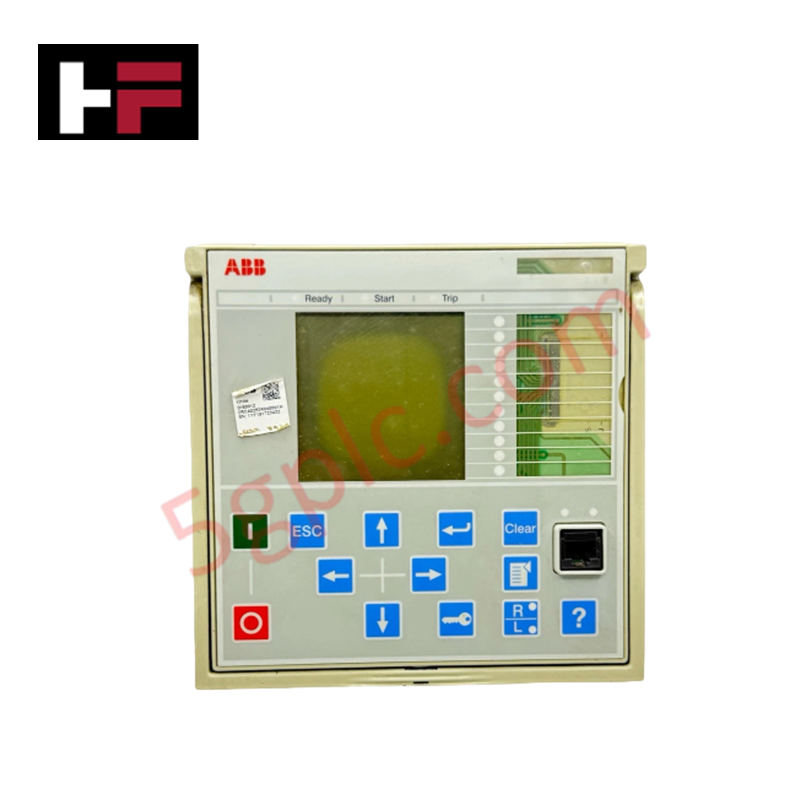
Configured for steam turbine management in 505D control platforms, the Woodward 8200-1302 (8200-1302 Operator Control Panel) provides direct physical/electrical execution of turbine HMI interaction, parameter configuration, and process monitoring.
Hardware Specifications
| Parameter | Specification |
|---|---|
| Model | 8200-1302 |
| Brand | Woodward |
| Origin | Not specified |
| Dimensions | 8.4 in (LCD Screen) |
| Operating Temp | -30 to 70 deg C |
| Power Consumption | Not specified |
| Input Voltage | 18-36 VDC (Isolated) |
| Analog Inputs | 8 channels (4-20 mA compatible) |
| Enclosure Rating | IP-54 (Marine / ATEX Compliant) |
Actuator Loop Feedback Response
The 8200-1302 serves as the primary graphical interface for Woodward 505D governors, managing the communication and command flow required for stable turbine regulation. To ensure a predictable actuator loop feedback response, the unit processes dual redundant speed inputs—accepting signals from magnetic pickup units (MPUs), eddy current probes, or proximity probes—to compute precise speed control setpoints. The interface manages dual speed and load dynamics, allowing for optimized governor response during transient loading or frequency dead-band adjustments. The integration of 8 configurable analog inputs and 20 discrete contact inputs allows the controller to synthesize operational data into 4-20 mA control outputs, ensuring that the governor maintains setpoint integrity even under fluctuating process steam conditions.
Frequently Asked Questions
Q: Can the 8200-1302 communicate with external systems via standard industrial protocols?
A: Yes, the unit utilizes integrated Modbus communication ports for data exchange with external host controllers, SCADA systems, or auxiliary HMIs.
Q: Are the redundant speed inputs compatible with all probe types?
A: The dual redundant speed inputs are designed to accept a variety of sensing technologies, including passive magnetic pickup units (MPUs) and active eddy current or proximity probes. Ensure the sensor signal levels are within the input range of the 505D platform during commissioning.
Field Installation Guidelines
- Mounting: Secure the HMI in a panel cutout, ensuring the seal maintains the IP-54 rated ingress protection. Adhere to the Marine/ATEX compliance standards for physical clearance and grounding to prevent localized EMI.
- Wiring: Route 4-20 mA signal loops and contact inputs using shielded twisted-pair cabling. Separate these from high-power field cabling to avoid interference with the speed sensor acquisition circuits.
- Power Connection: Connect the unit to an isolated 18-36 VDC supply. Use proper surge protection to comply with EN 61000-6-2 electromagnetic immunity standards.
- Validation: After power-up, navigate to the calibration mode to verify the mapping of the 20 contact inputs and ensure the 8 analog inputs are correctly scaled for the turbine process variables. Confirm Modbus communication handshake before finalizing the configuration.
Additional Information
- 100% Genuine Parts: All products are original and authentic, ensuring reliable industrial performance.
- 30-Day Refund Guarantee: Return any in-stock item within 30 days in original, unopened packaging for a full refund (excluding shipping and fees).
- 12-Month Warranty: Covers defects in materials or workmanship; excludes misuse, normal wear, or unauthorized modifications.
- Worldwide Shipping: We ship via USPS, UPS, FedEx, and DHL. Delivery times vary by country and may be subject to customs or import fees.
- Support & Contact: Technical and warranty assistance is available anytime. Contact us here: Contact.
- Purchase Guidance: Check product specifications and compatibility carefully before ordering to ensure proper application.




Tech & Buying Guide

Master Acceptance Testing: Understanding FAT and SAT in Industrial Control Systems
Factory Acceptance Testing (FAT) and Site Acceptance Testing (SAT) serve as critical quality assurance gateways in complex industrial control systems. Both procedures verify that programmable logic controllers (PLCs), distributed control systems (DCS), and associated field devices meet strict functional specifications. However, executing these tests effectively requires clear delineation between off-site staging and final field commissioning.

Industrial Networking Essentials: Demystifying Hubs, Switches, and Routers in Control Systems
Industrial automation relies heavily on robust networking infrastructure to connect programmable logic controllers (PLCs), distributed control systems (DCS), and human-machine interfaces (HMIs). Modern factory automation environments generate vast amounts of real-time operational data across deterministic networks. Understanding the structural differences between hubs, switches, and routers ensures optimal traffic segmentation, minimizes latency, and maintains high network availability.

Safety Relays in Industrial Automation: Fundamentals, Design Standards, and Fail-Safe Architecture
Safety relays form the bedrock of functional safety in modern factory automation, preventing catastrophic equipment failure and protecting plant personnel. While standard electromechanical relays handle basic load switching, they lack the redundant diagnostics required for high-risk industrial environments. Modern industrial automation platforms—including programmable logic controllers (PLCs) and distributed control systems (DCS)—rely on specialized safety relays to monitor field devices and isolate hazards instantly.