










Product Details
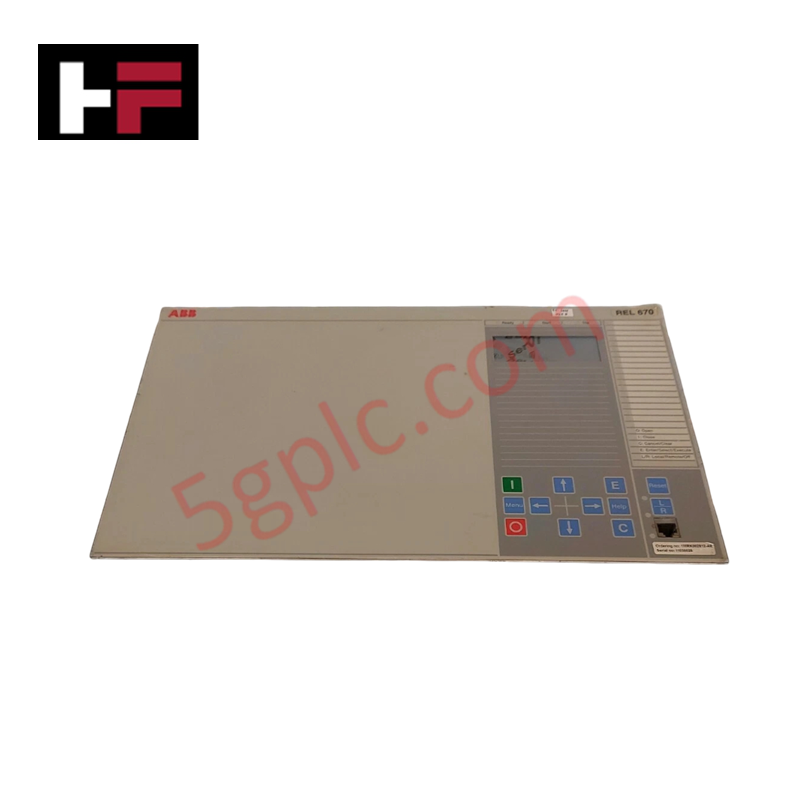
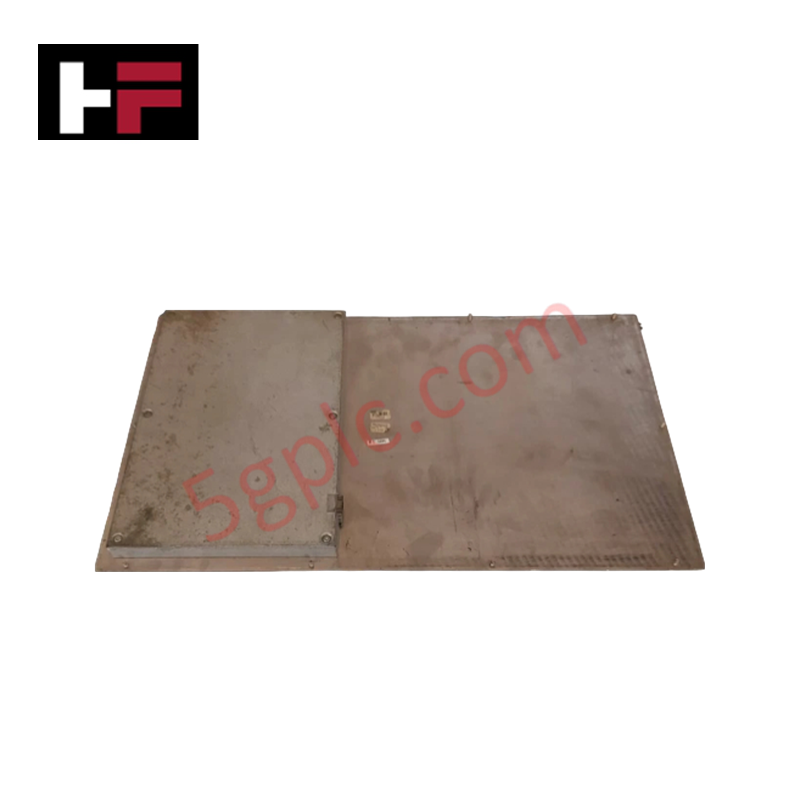
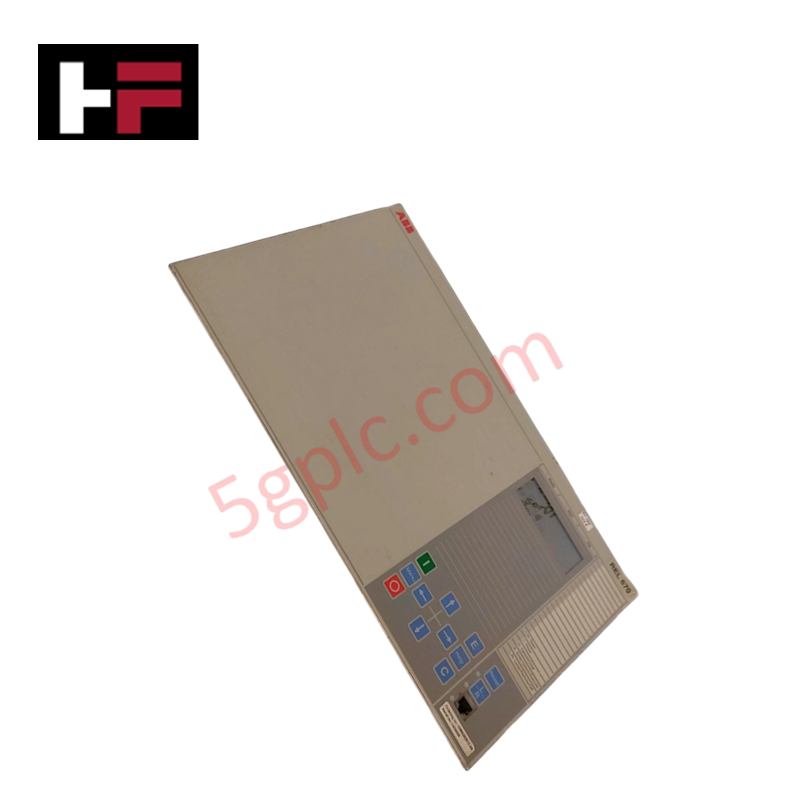
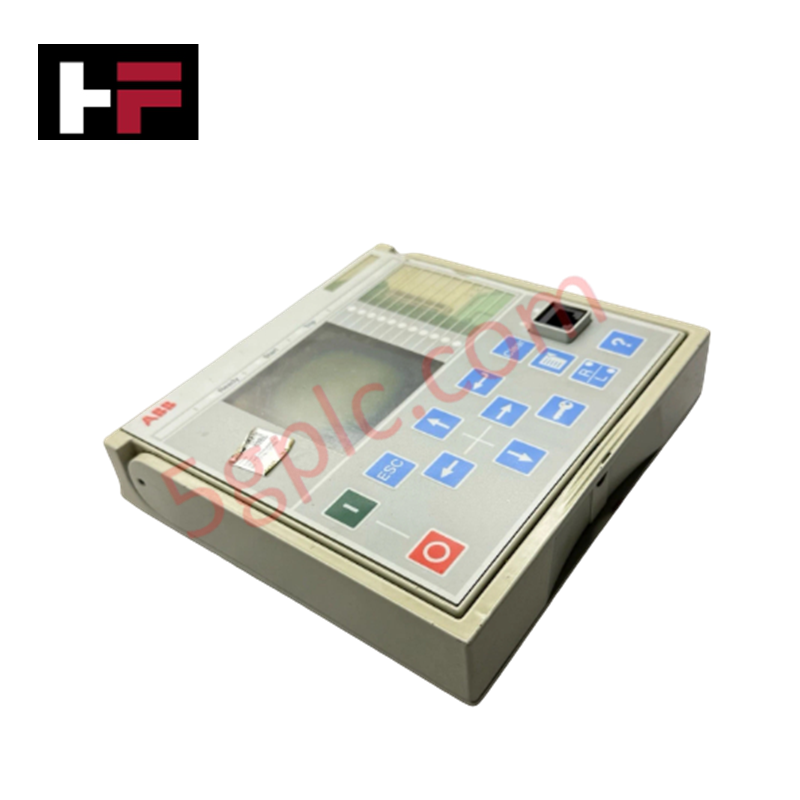
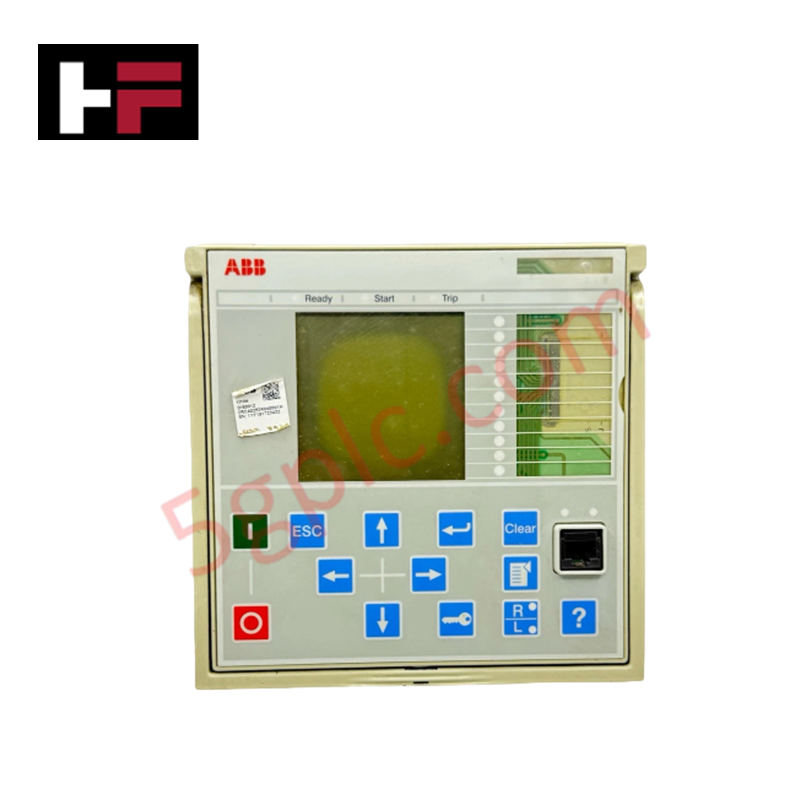
The ABB REL 670 1MRK000008-KB, also cataloged as the REL 670 Display Module, operates as a dedicated hardware component for local parameter monitoring and physical HMI interaction within ABB Relion 670 Series Protection and Control platforms.
Hardware Specifications
| Parameter | Specification |
|---|---|
| Model | REL 670 1MRK000008-KB |
| Brand | ABB |
| Origin | Standard ABB Manufacturing |
| Weight | 0.26 kg |
| Dimensions | Medium Frame Size Specification |
| Operating Temp | -10 to +55 deg C (Standard Industrial Range) |
| Power Consumption | Internal Bay Control Backplane Powered |
| Display Type | Medium-sized graphic display with ANSI symbols |
| Product Type | Human-Machine Interface (HMI) |
| Communication Protocols | Integrated Multi-Protocol Bus Support |
Backplane Bus Communication Velocity & I/O Density Scaling
The HMI unit interfaces directly with the main processing card of the protection relay via high-speed internal bus connections. To support scalable panel layouts, internal firmware maintains firmware flash compatibility across backplane communication layers. Fast backplane bus communication velocity allows immediate visual updates of ANSI single-line diagrams, alarm vectors, and event logs without creating computational latencies on primary protection functions.
Frequently Asked Questions
Q: Does the REL 670 1MRK000008-KB display module require a dedicated external DC power supply?
A: No, the module receives operational power directly through the internal backplane connection of the host Relion 670 protection relay enclosure.
Q: How are graphical symbols formatted on the local screen interface?
A: The medium-sized graphic display utilizes standardized ANSI symbology to show real-time breaker status, single-line diagrams, and diagnostic values.
Field Installation Guidelines
- Ensure the host protection relay unit is completely de-energized prior to installing or servicing the front fascia display assembly.
- Use appropriate electrostatic discharge (ESD) prevention measures, including grounded wrist straps, when handling the display module connectors.
- Align the module flush against the front bezel guides and secure all retaining hardware to guarantee chassis seal integrity.
- Verify that flat ribbon bus cables are correctly keyed and fully seated into header sockets before restoring system auxiliary power.
Additional Information
- 100% Genuine Parts: All products are original and authentic, ensuring reliable industrial performance.
- 30-Day Refund Guarantee: Return any in-stock item within 30 days in original, unopened packaging for a full refund (excluding shipping and fees).
- 12-Month Warranty: Covers defects in materials or workmanship; excludes misuse, normal wear, or unauthorized modifications.
- Worldwide Shipping: We ship via USPS, UPS, FedEx, and DHL. Delivery times vary by country and may be subject to customs or import fees.
- Support & Contact: Technical and warranty assistance is available anytime. Contact us here: Contact.
- Purchase Guidance: Check product specifications and compatibility carefully before ordering to ensure proper application.




Tech & Buying Guide

Master Acceptance Testing: Understanding FAT and SAT in Industrial Control Systems
Factory Acceptance Testing (FAT) and Site Acceptance Testing (SAT) serve as critical quality assurance gateways in complex industrial control systems. Both procedures verify that programmable logic controllers (PLCs), distributed control systems (DCS), and associated field devices meet strict functional specifications. However, executing these tests effectively requires clear delineation between off-site staging and final field commissioning.

Industrial Networking Essentials: Demystifying Hubs, Switches, and Routers in Control Systems
Industrial automation relies heavily on robust networking infrastructure to connect programmable logic controllers (PLCs), distributed control systems (DCS), and human-machine interfaces (HMIs). Modern factory automation environments generate vast amounts of real-time operational data across deterministic networks. Understanding the structural differences between hubs, switches, and routers ensures optimal traffic segmentation, minimizes latency, and maintains high network availability.

Safety Relays in Industrial Automation: Fundamentals, Design Standards, and Fail-Safe Architecture
Safety relays form the bedrock of functional safety in modern factory automation, preventing catastrophic equipment failure and protecting plant personnel. While standard electromechanical relays handle basic load switching, they lack the redundant diagnostics required for high-risk industrial environments. Modern industrial automation platforms—including programmable logic controllers (PLCs) and distributed control systems (DCS)—rely on specialized safety relays to monitor field devices and isolate hazards instantly.