
















Product Details
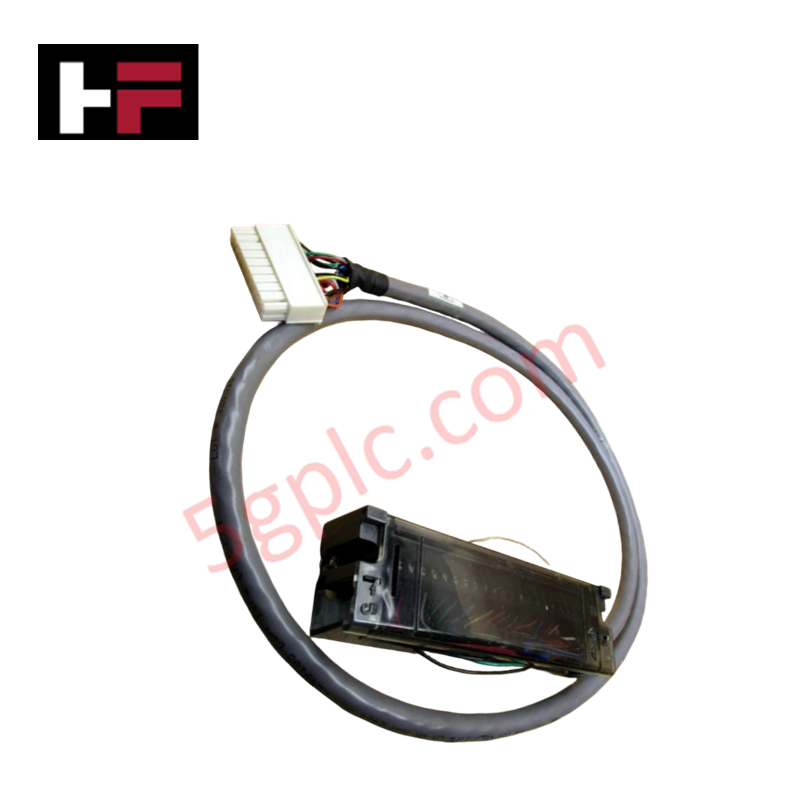
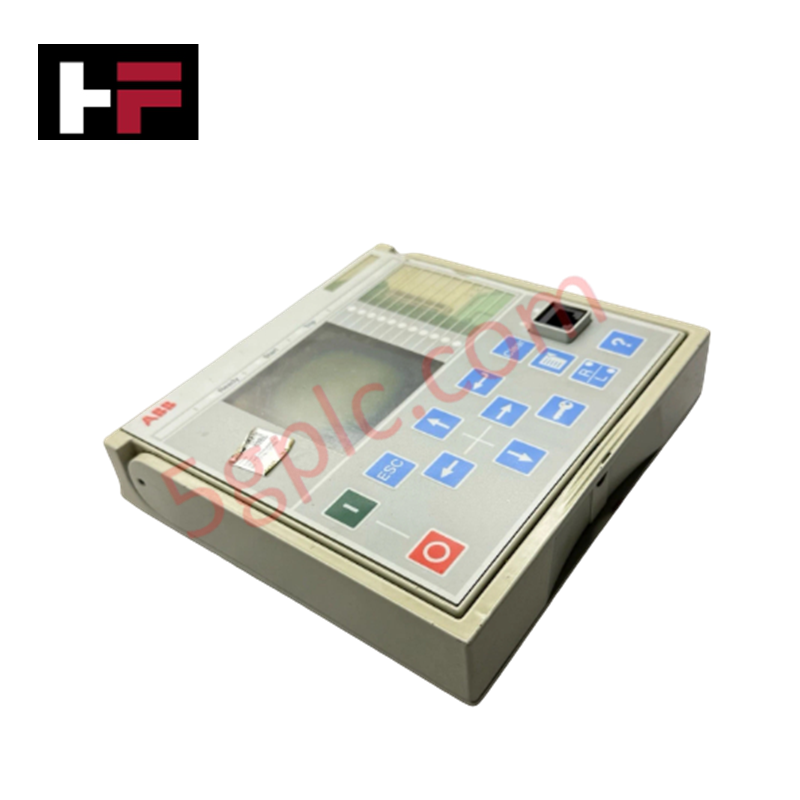
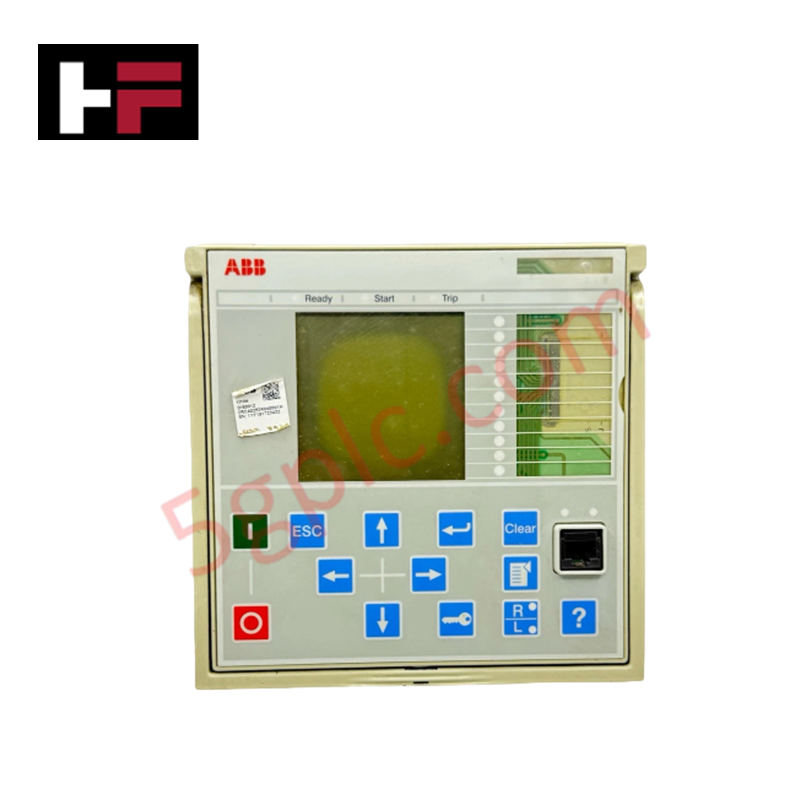
Configured for diagnostic interaction within industrial control networks, the ABB AF D242 A10 (3BHE023126R0010 Service Ctrl Panel) provides direct physical interface execution for system monitoring and parameter verification.
Hardware Specifications
| Parameter | Specification |
|---|---|
| Model | AF D242 A10 |
| Brand | ABB |
| Part Number | 3BHE023126R0010 |
| Origin | Switzerland / China |
| Weight | 0.1 kg |
| Dimensions | 70 mm x 13 mm x 29 mm |
| Operating Temp | Standard industrial ambient |
| Power Consumption | System bus dependent |
Backplane bus communication velocity and firmware compatibility
The AF D242 A10 operates as a service terminal, maintaining deterministic backplane bus communication velocity to retrieve real-time system data. Firmware flash compatibility is strictly managed by the connected controller's base software revision; the panel must be recognized by the host CPU's hardware scan list to facilitate active communication. I/O density scaling logic within the controller environment ensures that the service panel data packets do not interfere with the high-priority control loop execution. Proper interface synchronization is required to prevent data collision during simultaneous polling by the control master and the service terminal.
Frequently Asked Questions
Q: Does the AF D242 A10 support hot-swapping while the controller is active?
A: No. Connecting or disconnecting the panel while the system backplane is energized is not recommended, as it can cause transient signal spikes and potential interruption of the deterministic bus cycle.
Q: How is the service panel configured within the host controller architecture?
A: The panel is mapped via the system engineering software. It must be assigned a unique node address within the backplane bus configuration to allow the master controller to recognize its I/O data structure.
Field Installation Guidelines
- Mounting: Secure the panel using the designated retention points. Ensure the connection to the control rack bus is firm and fully seated to guarantee signal integrity.
- Grounding: Establish a clean electrical path to the cabinet chassis ground to minimize susceptibility to electromagnetic interference (EMI) that can cause display flicker or communication timeouts.
- Wiring: Keep the service panel cable runs separate from high-current power cables and motor drive conduits to prevent induced noise on the bus lines.
- Physical Handling: The unit is a compact electronic device; handle it by the edges to avoid ESD (Electrostatic Discharge) damage to the internal interface logic.
- Inspection: Before system startup, verify that the bus connector pins are straight and free of oxidation. Ensure the cable is not pinched or subjected to mechanical strain.
Additional Information
- 100% Genuine Parts: All products are original and authentic, ensuring reliable industrial performance.
- 30-Day Refund Guarantee: Return any in-stock item within 30 days in original, unopened packaging for a full refund (excluding shipping and fees).
- 12-Month Warranty: Covers defects in materials or workmanship; excludes misuse, normal wear, or unauthorized modifications.
- Worldwide Shipping: We ship via USPS, UPS, FedEx, and DHL. Delivery times vary by country and may be subject to customs or import fees.
- Support & Contact: Technical and warranty assistance is available anytime. Contact us here: Contact.
- Purchase Guidance: Check product specifications and compatibility carefully before ordering to ensure proper application.




Tech & Buying Guide

Master Acceptance Testing: Understanding FAT and SAT in Industrial Control Systems
Factory Acceptance Testing (FAT) and Site Acceptance Testing (SAT) serve as critical quality assurance gateways in complex industrial control systems. Both procedures verify that programmable logic controllers (PLCs), distributed control systems (DCS), and associated field devices meet strict functional specifications. However, executing these tests effectively requires clear delineation between off-site staging and final field commissioning.

Industrial Networking Essentials: Demystifying Hubs, Switches, and Routers in Control Systems
Industrial automation relies heavily on robust networking infrastructure to connect programmable logic controllers (PLCs), distributed control systems (DCS), and human-machine interfaces (HMIs). Modern factory automation environments generate vast amounts of real-time operational data across deterministic networks. Understanding the structural differences between hubs, switches, and routers ensures optimal traffic segmentation, minimizes latency, and maintains high network availability.
Safety Relays in Industrial Automation: Fundamentals, Design Standards, and Fail-Safe Architecture
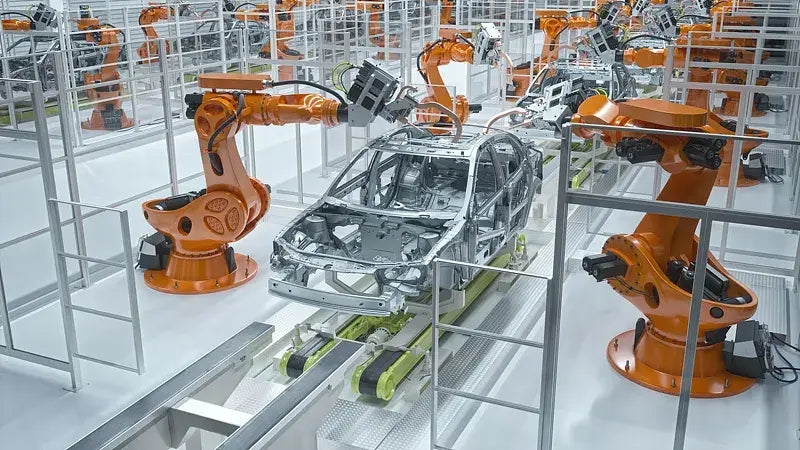
Safety relays form the bedrock of functional safety in modern factory automation, preventing catastrophic equipment failure and protecting plant personnel. While standard electromechanical relays handle basic load switching, they lack the redundant diagnostics required for high-risk industrial environments. Modern industrial automation platforms—including programmable logic controllers (PLCs) and distributed control systems (DCS)—rely on specialized safety relays to monitor field devices and isolate hazards instantly.