












Product Details
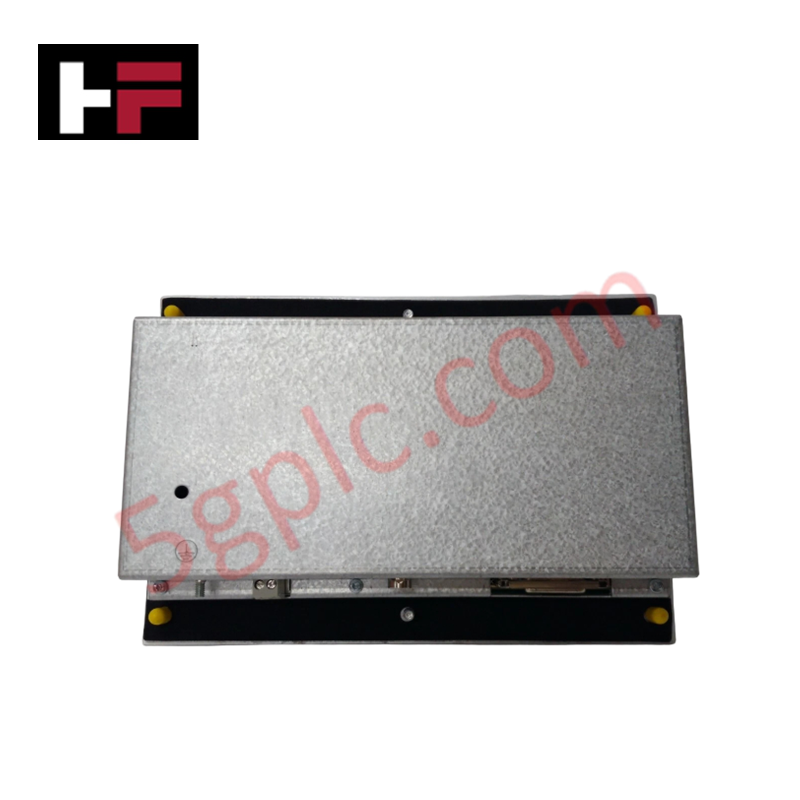
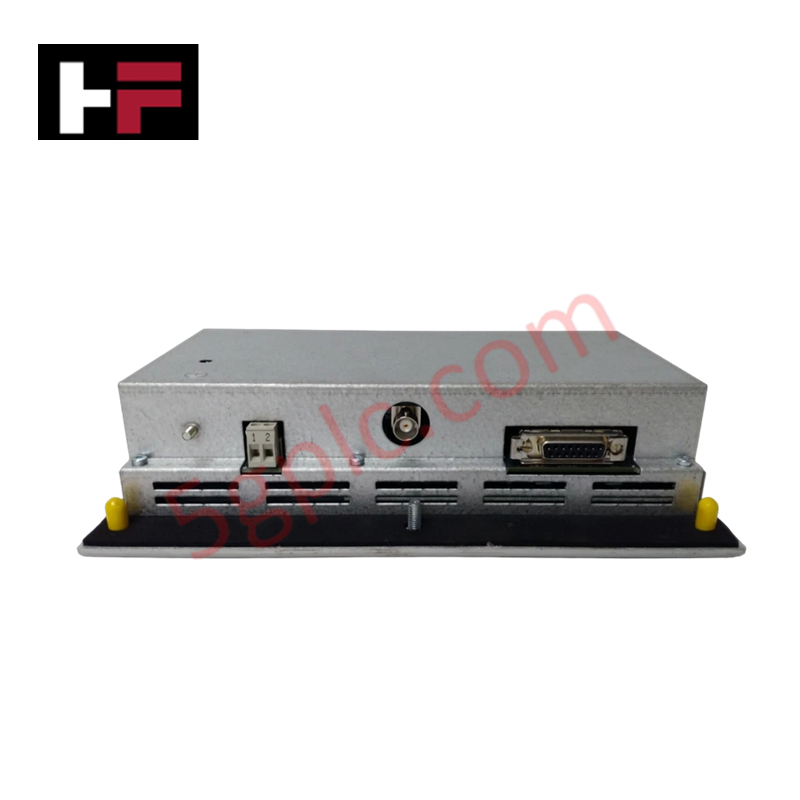
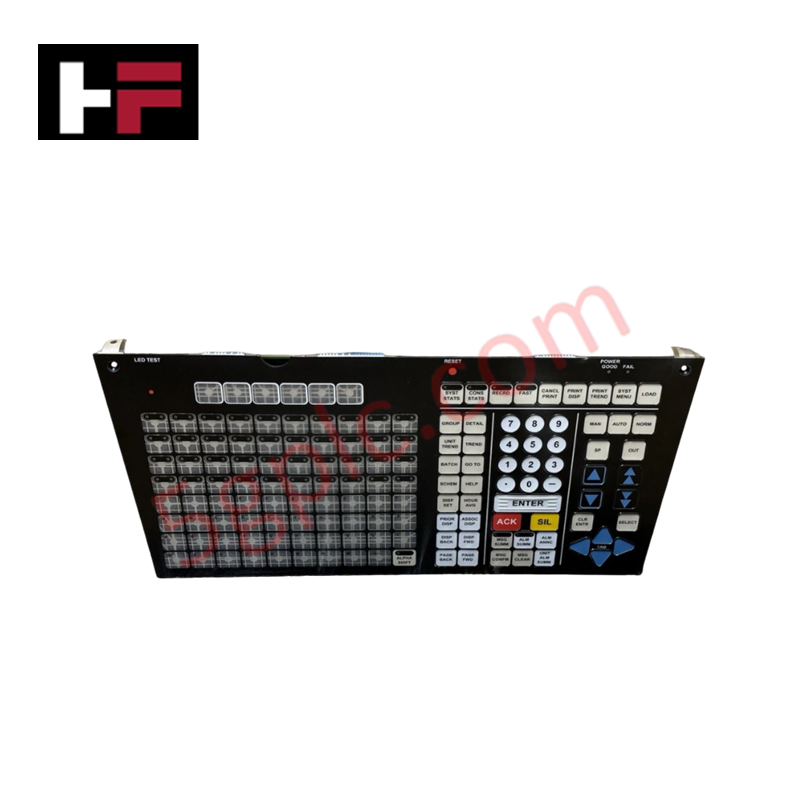
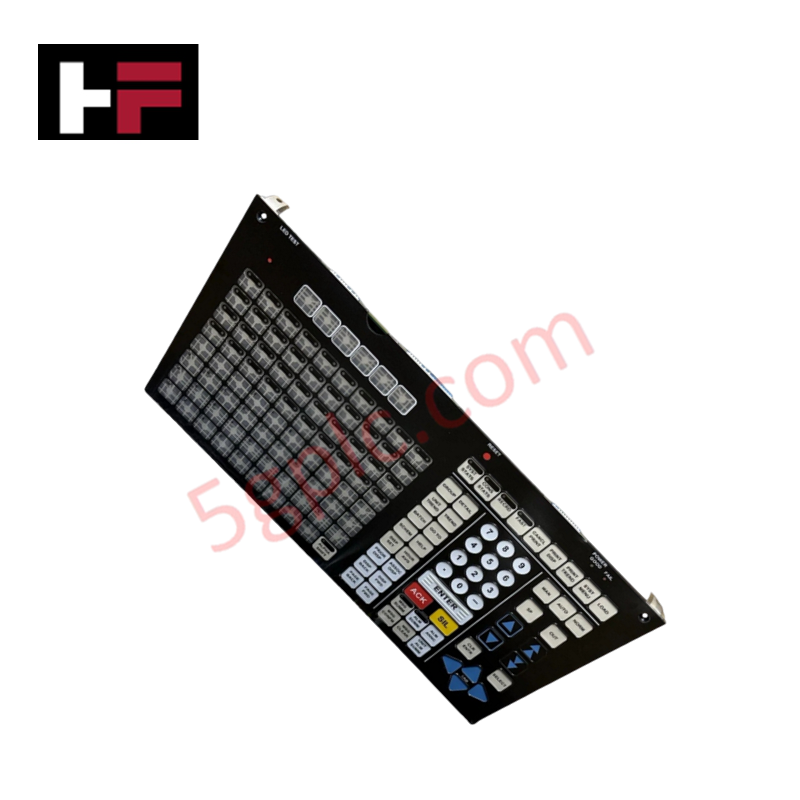
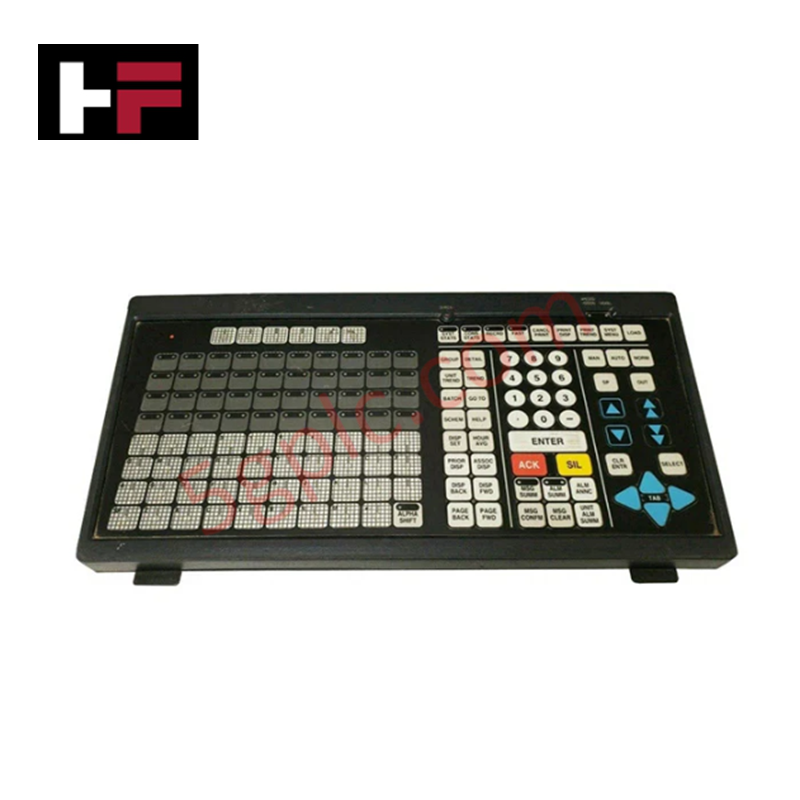
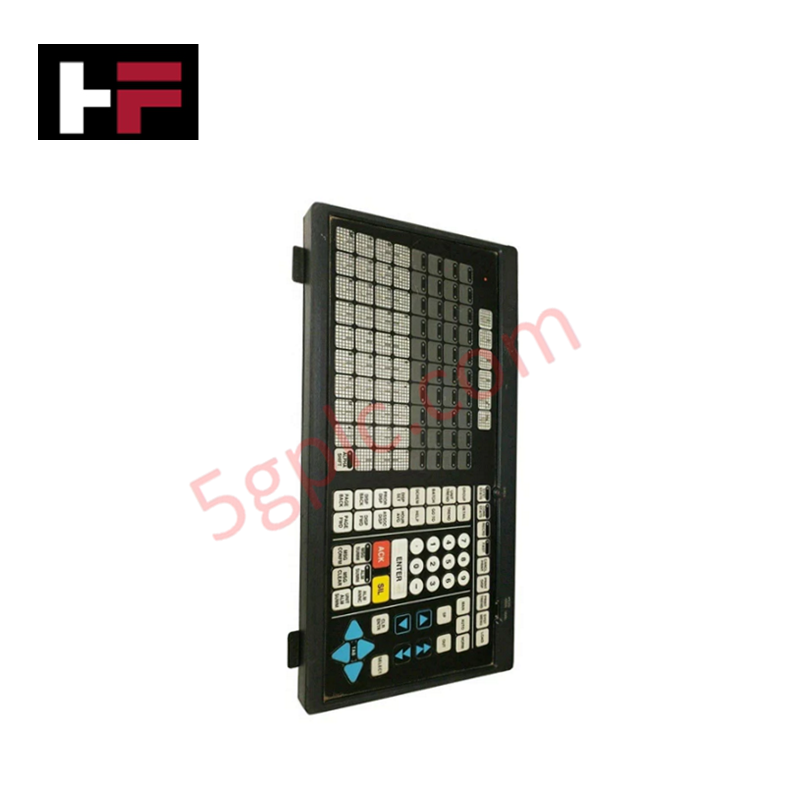
The ABB 3BSE017235R1, also cataloged as the PXAH 401 Operator Unit, serves as the primary PXAH 401 Operator Unit utilized to execute industrial force measurement monitoring and interface tasks across Millmate 400 platforms.
Hardware Specifications
| Parameter | Specification |
|---|---|
| Model | PXAH 401 (Product ID: 3BSE017235R1) |
| Brand | ABB |
| Origin | Sweden |
| Weight | 1.3 kg |
| Dimensions | Standard housing layout matching 2.3 dm3 gross volume package profile |
| Operating Temp | 0 to +50 deg C (Standard industrial baseline) |
| Power Consumption | System processing and display matrix execution dependent |
| Exchange Part Number | EXC3BSE017235R1 |
| Mounting Bracket P/N | 3BSE017172R1 |
| Customs Tariff Number | 85389091 |
| WEEE Category | Product Not in WEEE Scope |
Profinet / EtherNet/IP Deterministic Networks and Interface Synchronization
The processing architecture embedded within the hardware interface manages discrete display refreshing and register pooling cycles without diminishing host backplane bus communication velocity. The electronic sub-assembly routes synchronized process variables matching master controller clock vectors, which prevents communication jitter when operating adjacent to high-speed Profinet / EtherNet/IP deterministic networks. Serial data frames and bus translation blocks retain absolute firmware flash compatibility with legacy and current Millmate processing controllers, preserving I/O density scaling options across the entire physical terminal group.
Frequently Asked Questions
Q: What are the installation requirements regarding physical mounting and structural support for this 1.3 kg unit?
A: The operator unit requires standard mechanical stabilization. The manufacturer specifies compatibility with the dedicated external mounting bracket under part number 3BSE017172R1 to secure the chassis against continuous plant floor vibration.
Q: Can this unit be serviced via a hot-swap framework while active force-measurement loops are tracking data?
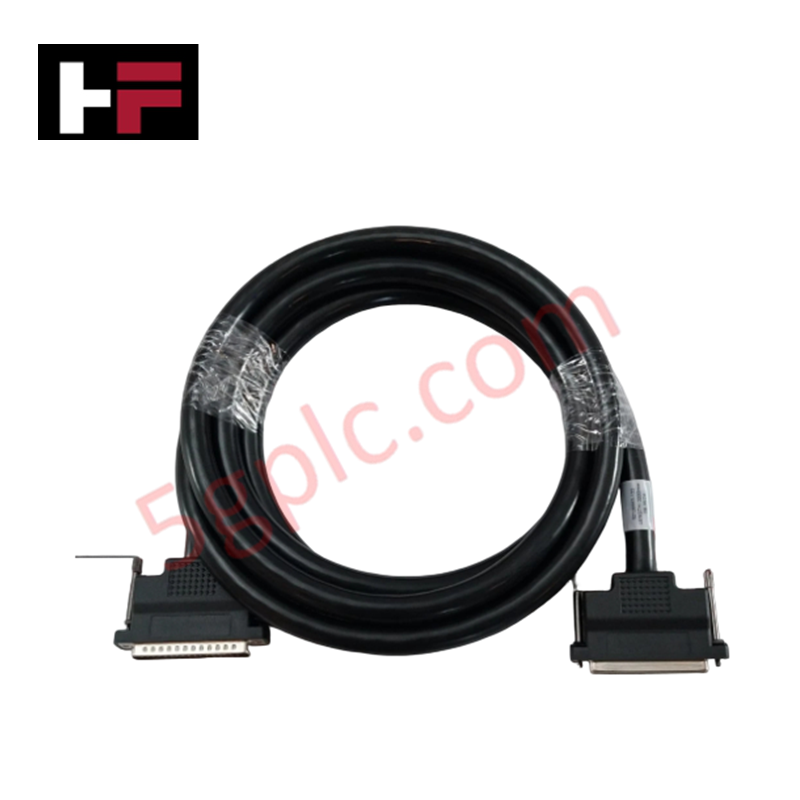
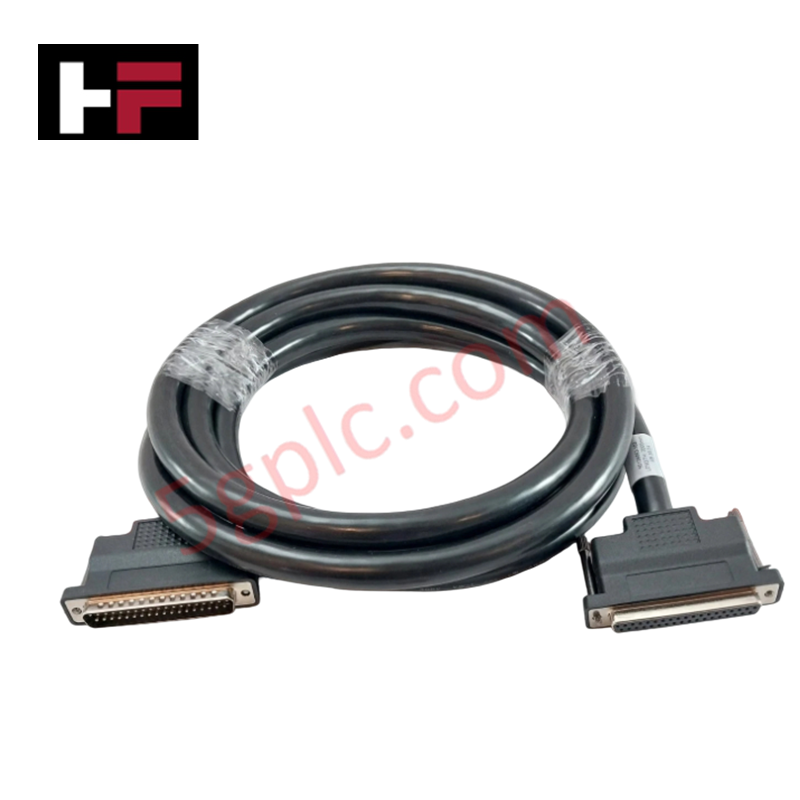
A: No. Disconnecting the interface cable assembly during active processing can interrupt internal bus termination, leading to data packet faults and unexpected control loop execution drops on the master controller.
Q: How is the firmware flash compatibility verified for a field replacement unit?
A: The PXAH 401 maps standard system registers to the host Millmate 400 controller. Firmware baseline parity is handled during initial rack indexing and power-on initialization sequences through the master system configuration tools.
Field Installation Guidelines
- Mounting Configuration: Affix the unit securely using the designated 3BSE017172R1 mounting bracket. Verify all structural fasteners are tensioned uniformly to maintain physical alignment.
- Grounding Regulations: Establish a low-impedance connection between the operator unit chassis and the common cabinet earth ground bar. A dedicated copper grounding strap is necessary to bypass local electromagnetic transients.
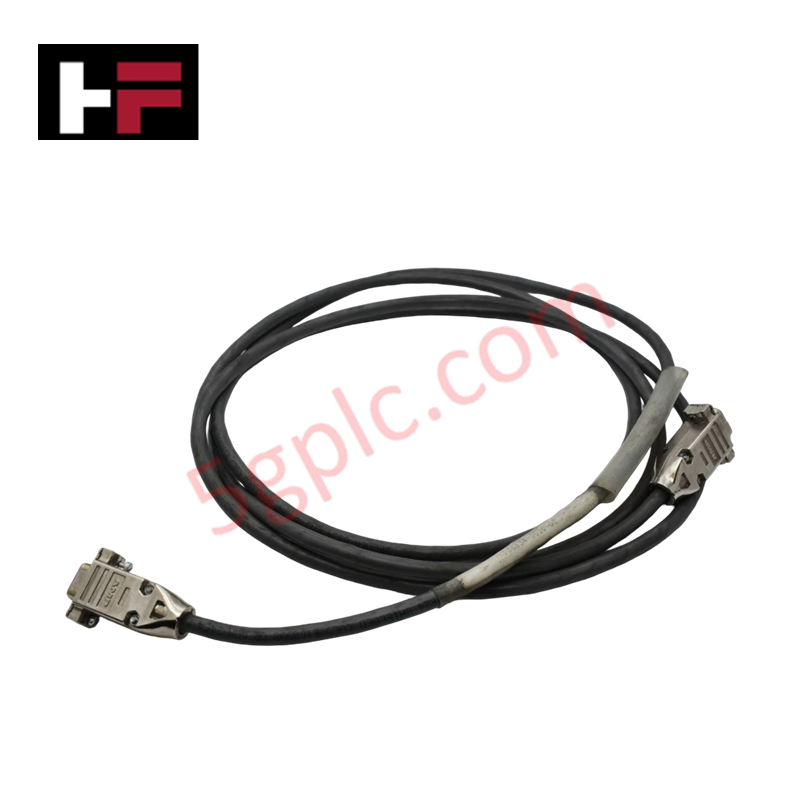
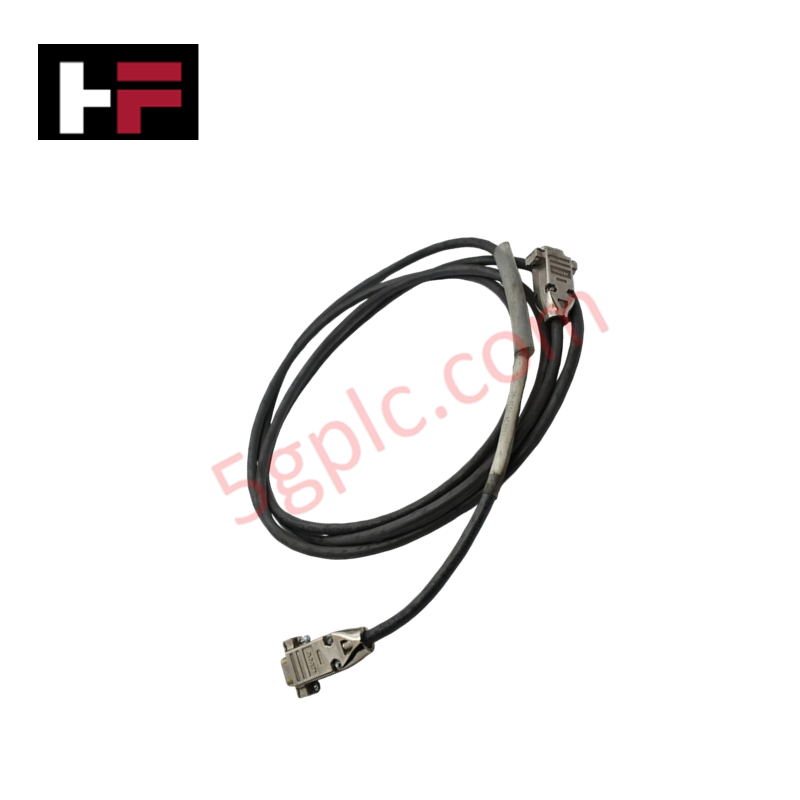
- Cable Routing Restrictions: Route the primary communication and power interconnect lines in separate wire trays away from high-current motor leads or AC switching circuits to suppress induced field noise.
- Thermal Management Clearances: Maintain standard peripheral clearances around the enclosure surface to facilitate passive heat dissipation, keeping internal components within the standard operating temperature thresholds.
Additional Information
- 100% Genuine Parts: All products are original and authentic, ensuring reliable industrial performance.
- 30-Day Refund Guarantee: Return any in-stock item within 30 days in original, unopened packaging for a full refund (excluding shipping and fees).
- 12-Month Warranty: Covers defects in materials or workmanship; excludes misuse, normal wear, or unauthorized modifications.
- Worldwide Shipping: We ship via USPS, UPS, FedEx, and DHL. Delivery times vary by country and may be subject to customs or import fees.
- Support & Contact: Technical and warranty assistance is available anytime. Contact us here: Contact.
- Purchase Guidance: Check product specifications and compatibility carefully before ordering to ensure proper application.


Tech & Buying Guide

Why 24V DC Power Supplies Standardize Modern Industrial Automation
Industrial control cabinets worldwide rely on 24V DC as the universal power standard for field instrumentation, sensors, and controllers. Walk into any manufacturing plant, and you will find PLCs, human-machine interfaces (HMIs), and smart actuators running on extra-low voltage DC. Standardizing on 24V DC enhances operational safety, lowers cabinet footprint, and maintains steady control performance across factory networks.

Essential Motion Control Commands: A Practical Guide for Engineers
Automation engineers often rely on precise position and speed control to drive modern factory machinery. Modern industrial systems, such as Programmable Logic Controllers (PLCs) and Distributed Control Systems (DCS), depend heavily on standardized motion instructions. Mastering these commands ensures operational safety, protects mechanical components, and optimizes cycle times across production lines.
Mastering Modern Industrial Joystick Controls in Heavy Automation
Industrial joysticks play a pivotal role in human-machine interaction across heavy material handling and mobile hydraulics. These tactile controllers translate complex operator movements into precise electrical signals for PLCs, motion controllers, and DCS networks. Consequently, selecting and installing the right joystick architecture ensures operator safety, reduces fatigue, and optimizes equipment performance.