












Product Details
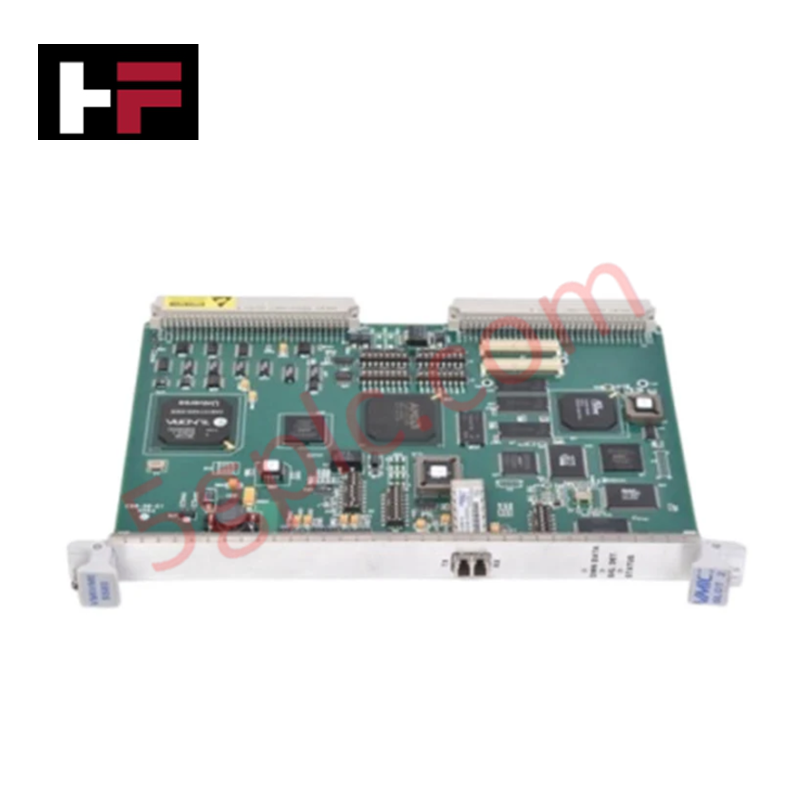
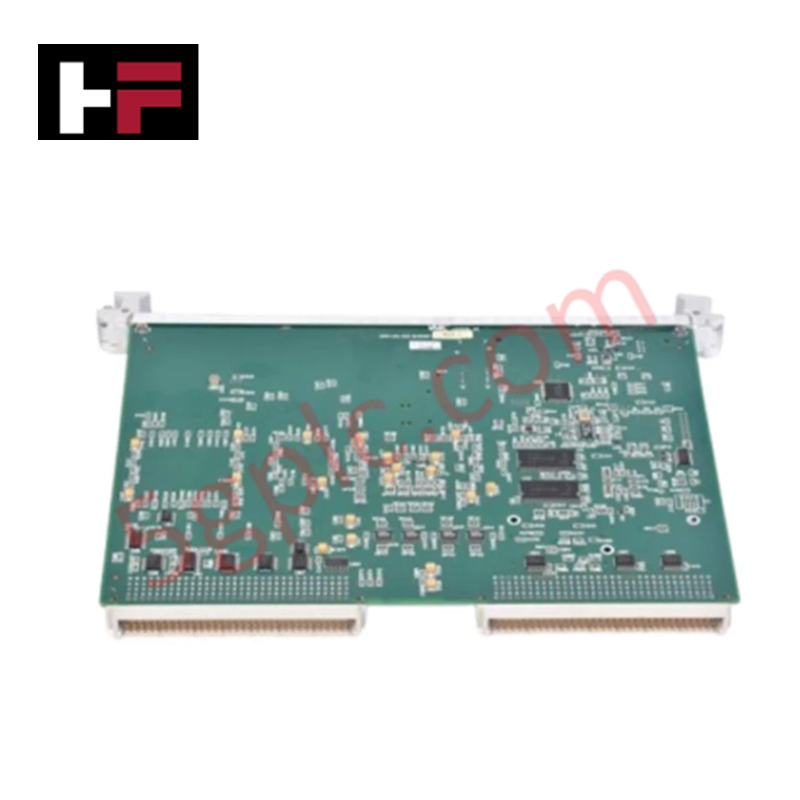
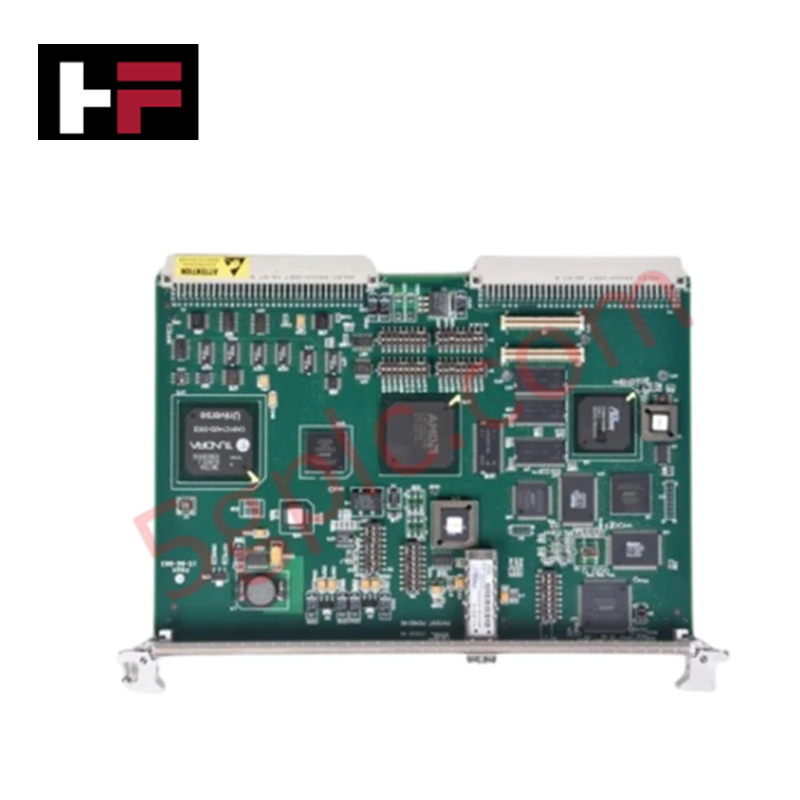
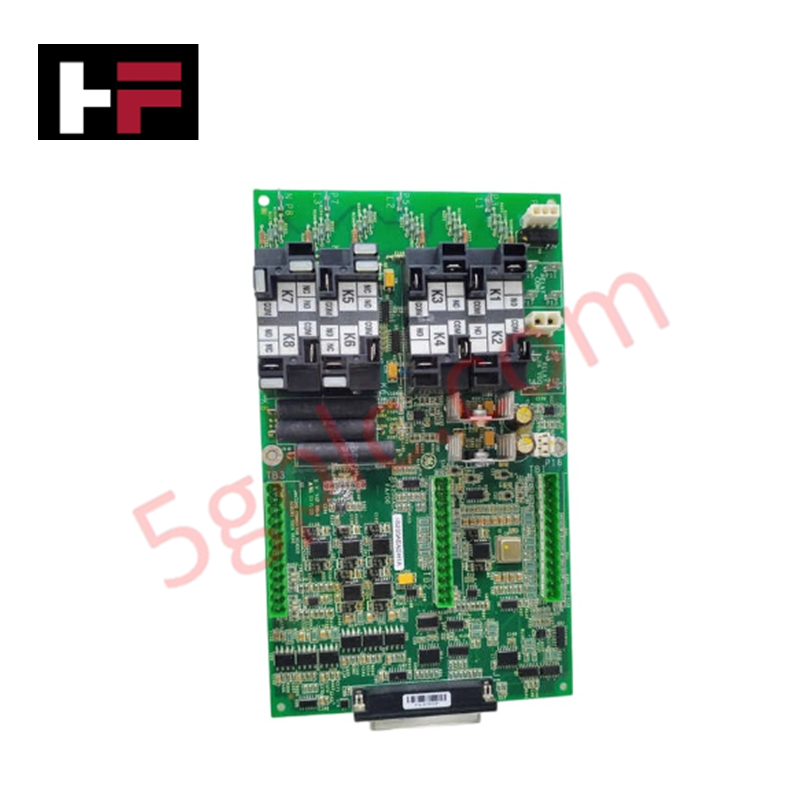
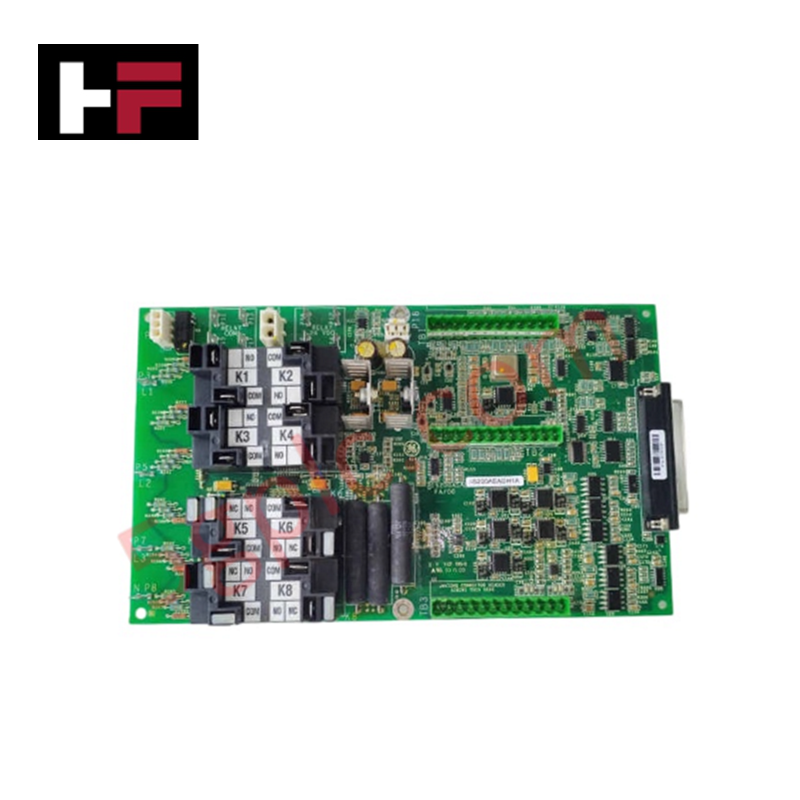
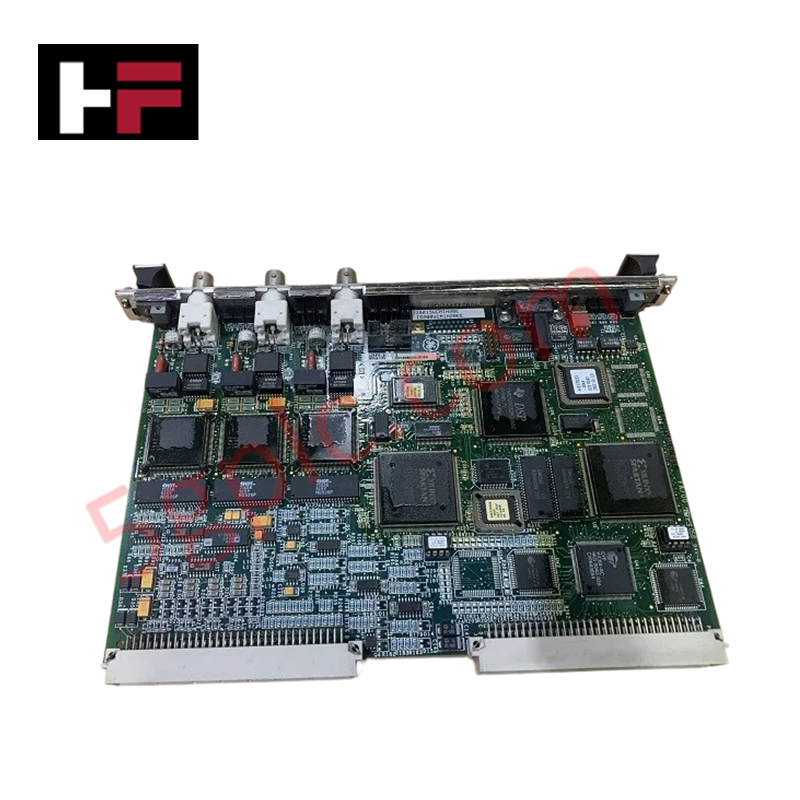
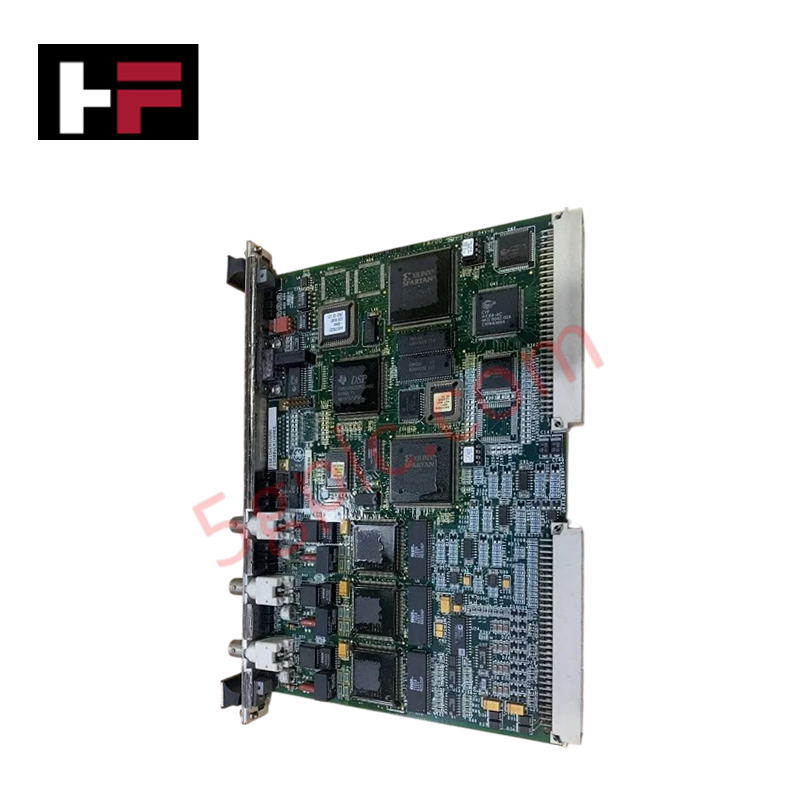
The GE VMIVME5565 332-015565-010 serves as the primary VMIVME5565 Reflective Memory Node Card utilized to execute high-speed deterministic data replication across real-time distributed network platforms.
Hardware Specifications
| Parameter | Specification |
|---|---|
| Model | VMIVME5565 332-015565-010 |
| Brand | GE Fanuc |
| Origin | United States |
| Weight | Standard Module Weight |
| Dimensions | PMC, PCI Express, PCI, or VME Form Factors |
| Operating Temp | 0 - 60 deg C |
| Power Consumption | Slot Interface Dependent |
| Serial Connection Speed | 2.12 Gbaud |
| Dynamic Packet Sizes | 4 to 64 bytes |
| Network Data Rate | Up to 170 Mbyte/s sustained |
| Transfer Latency | 450 to 500 nanoseconds between nodes |
| Onboard Memory | 128 Mbytes or 256 Mbytes SDRAM |
| Multimode Fiber Limit | Up to 300 meters |
| Single Mode Fiber Limit | Up to 10 kilometers |
Profinet / EtherNet/IP Deterministic Networks and Error Management
The network interface achieves low-latency data replication by using a dedicated 2.12 Gbaud fiber optic ring structure separate from standard Profinet / EtherNet/IP deterministic networks. The embedded hardware logic manages error detection automatically to protect against lost data during packet transmission, preventing memory desynchronization across the node grid. This architecture bypasses standard network stack overhead by mapping remote memory configurations directly to the local SDRAM array.
Frequently Asked Questions
Q: What defines the switching delay or synchronization lag between nodes on the reflective memory ring?
A: The physical data transmission latency is constrained to 450 to 500 nanoseconds between consecutive nodes. Total ring latency accumulates based on the total fiber length and the number of active node cards installed in the loop.
Q: How do firmware flash compatibility settings affect node interruption execution?
A: Interruption transfers across nodes require matching board support package drivers and target operating system versions. Incompatible initialization parameters will inhibit node-to-node interrupt propagation, leading to standard register write blocks.
Field Installation Guidelines
- Fiber Optic Bend Radius: Maintain the minimum recommended bend radius for all multimode and single mode fiber connections to prevent attenuation of the 2.12 Gbaud serial laser signal.
- Transceiver Matching Validation: Ensure that the fiber optic transceivers on adjacent node modules correspond exactly in wavelength specifications; do not mix multimode links with single mode runs.
- Static Discharge Prevention: Ground all field tools and wear a calibrated ESD wrist strap before handling the card components to prevent electrostatic degradation of the onboard SDRAM circuits.
Additional Information
- 100% Genuine Parts: All products are original and authentic, ensuring reliable industrial performance.
- 30-Day Refund Guarantee: Return any in-stock item within 30 days in original, unopened packaging for a full refund (excluding shipping and fees).
- 12-Month Warranty: Covers defects in materials or workmanship; excludes misuse, normal wear, or unauthorized modifications.
- Worldwide Shipping: We ship via USPS, UPS, FedEx, and DHL. Delivery times vary by country and may be subject to customs or import fees.
- Support & Contact: Technical and warranty assistance is available anytime. Contact us here: Contact.
- Purchase Guidance: Check product specifications and compatibility carefully before ordering to ensure proper application.
Tech & Buying Guide

Redundant Automation Systems: Maximizing Uptime in Critical Control Applications
Industrial automation relies on continuous operational stability to prevent catastrophic downtime and financial loss. While standard dictionary definitions treat redundancy as superfluous, industrial engineers consider redundant control architectures indispensable for high-availability systems. Implementing backup hardware ensures seamless takeover during primary equipment failures, protecting critical infrastructure across manufacturing and process industries.

Demystifying the 5 Levels of Industrial Automation Architecture
Modern manufacturing relies on structured communication hierarchy to bridge physical shop-floor hardware with enterprise management software. This framework, commonly known as the Automation Pyramid, establishes how data flows between field devices, logic controllers, and corporate IT networks. Understanding these five distinct levels helps engineers and plant managers optimize system operations, reduce downtime, and implement seamless factory automation solutions.

Transforming Shop Floor Data into Actionable Insights: A Deep Dive into MES
Manufacturing Execution Systems serve as the digital backbone of modern factory floors. Positioned at Level 3 of the ISA-95 automation pyramid, MES links enterprise resource planning with real-time shop floor control systems. Today, industrial operators rely on MES software to bridge operational strategy with physical production execution.