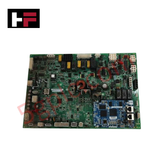
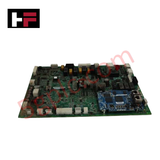
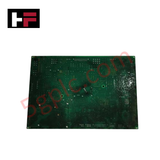
Product Details
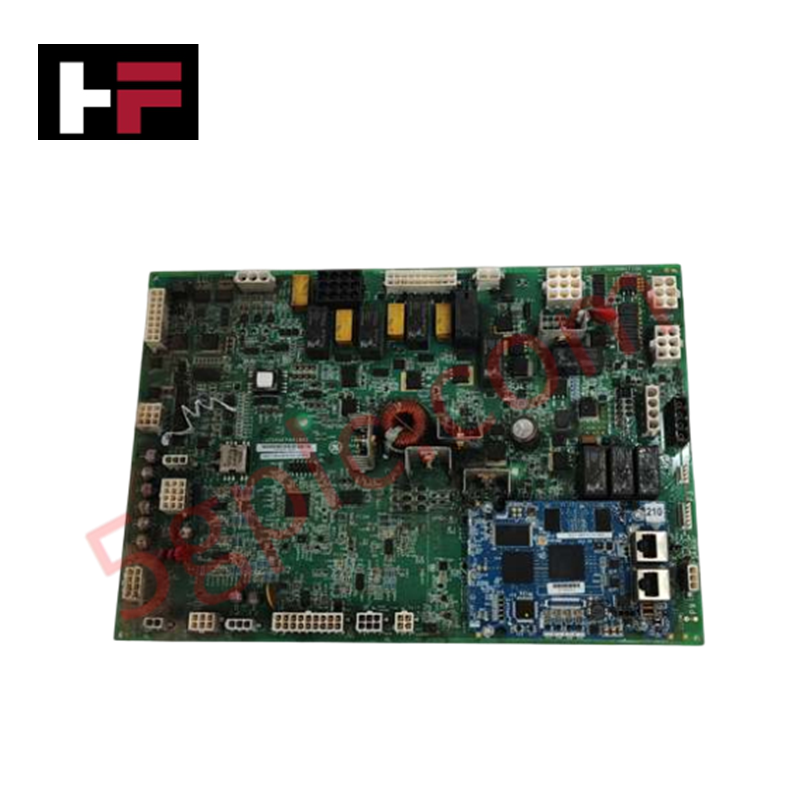
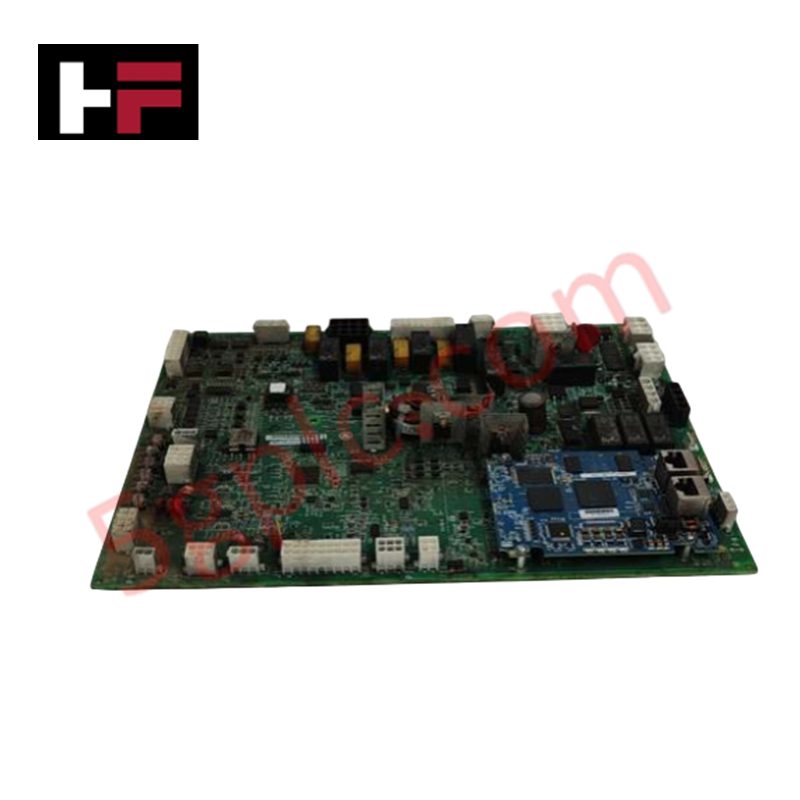
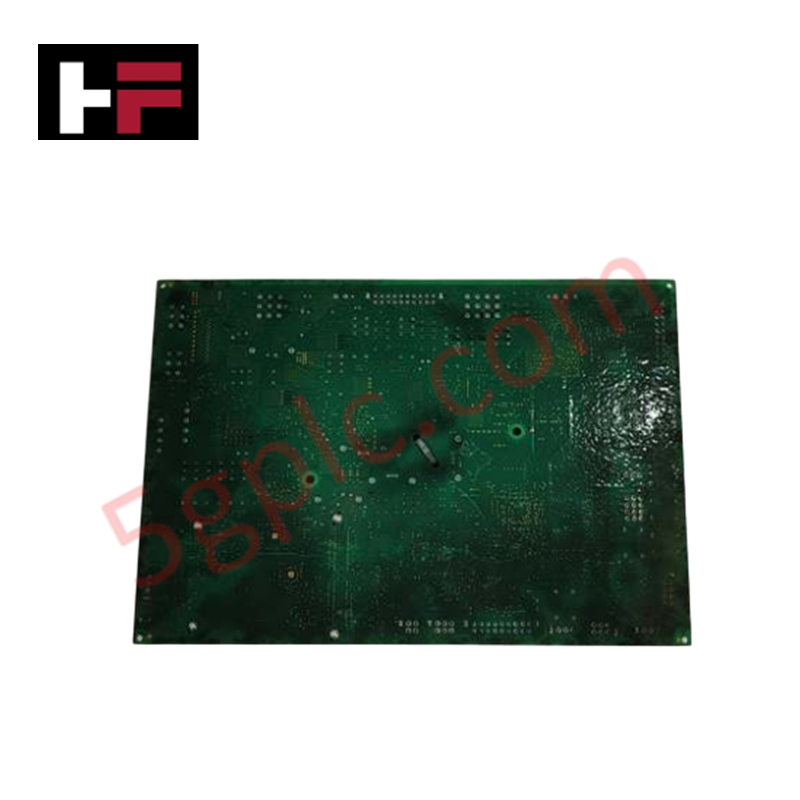
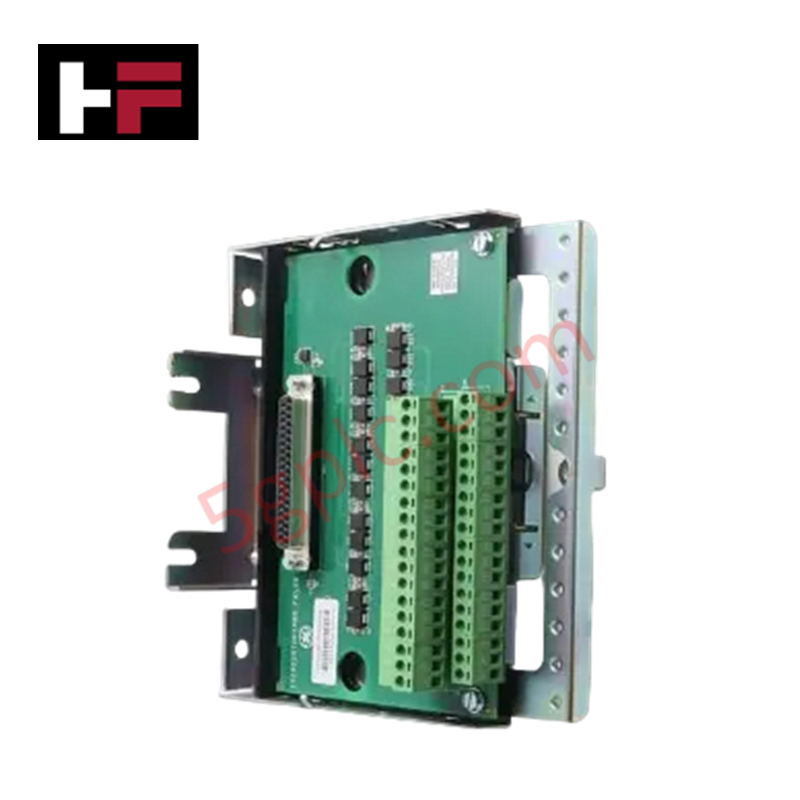
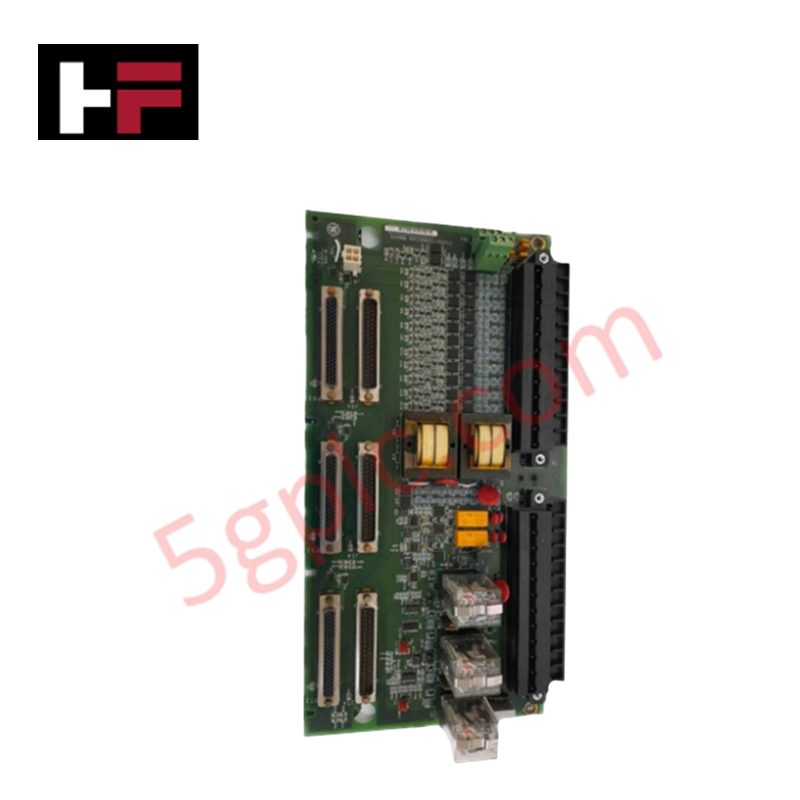
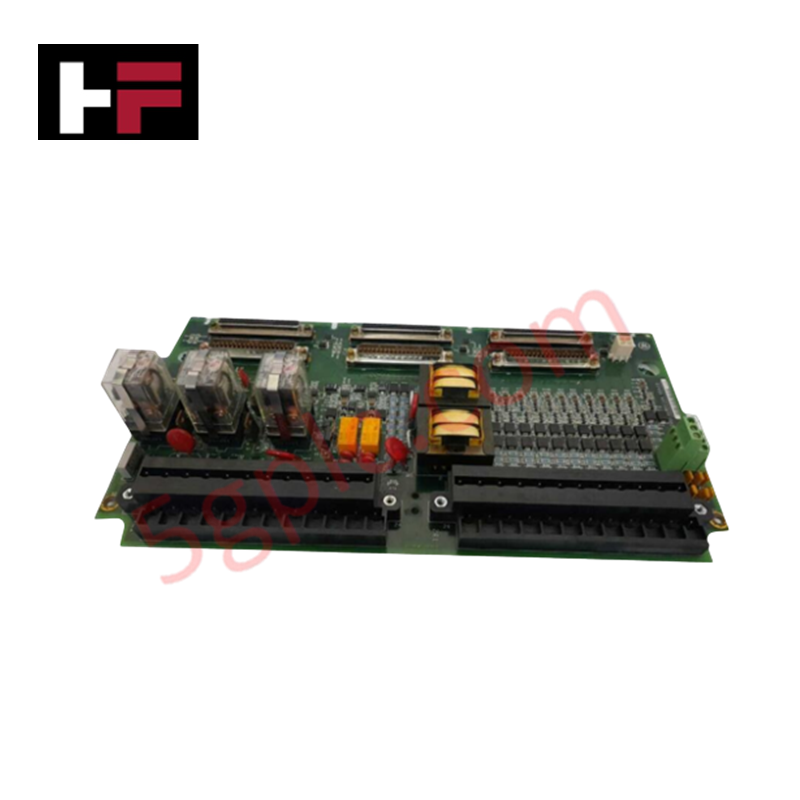
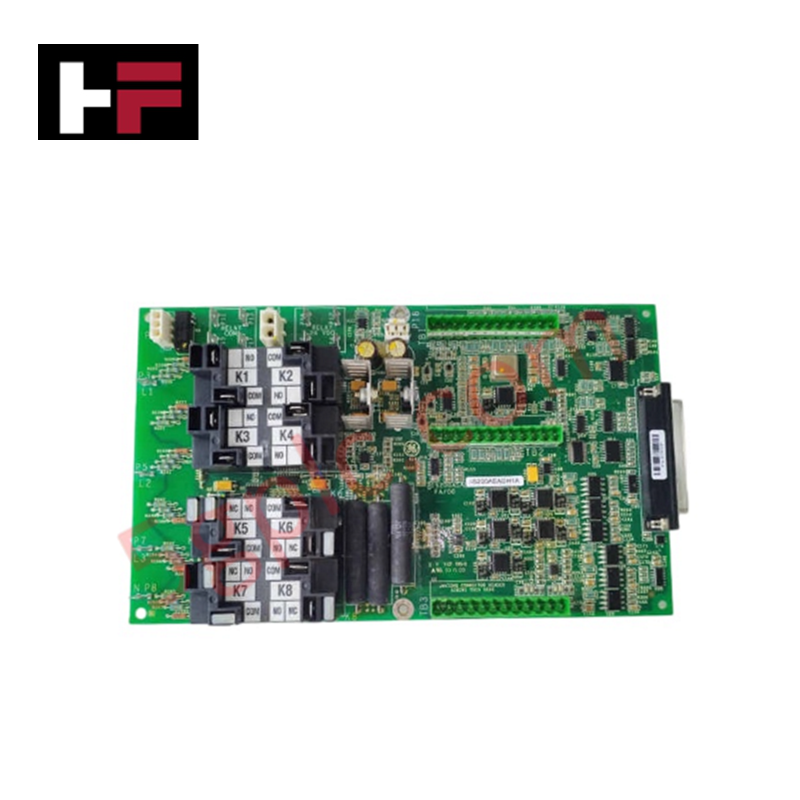
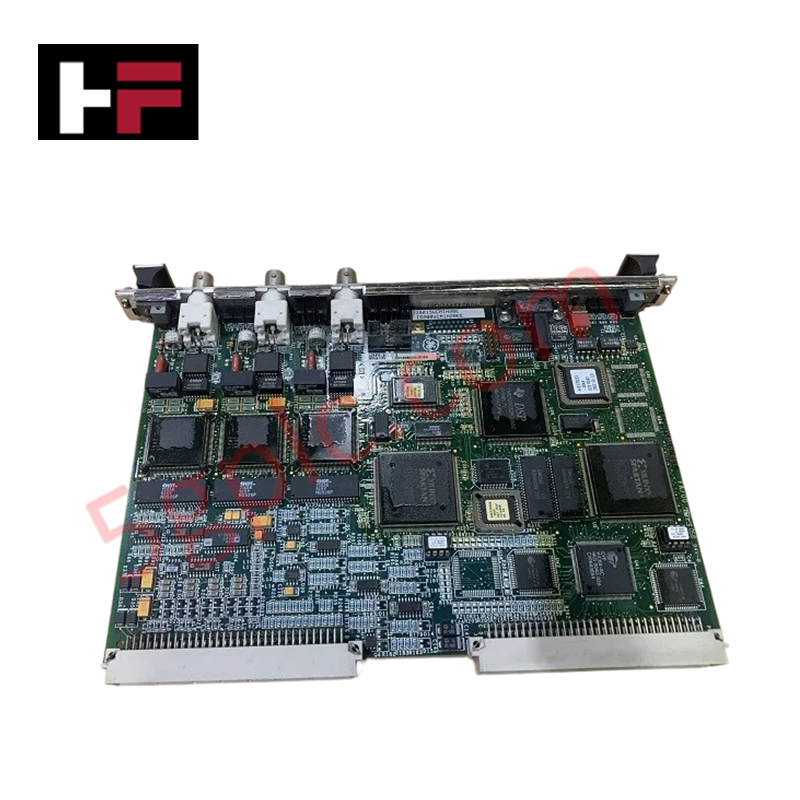
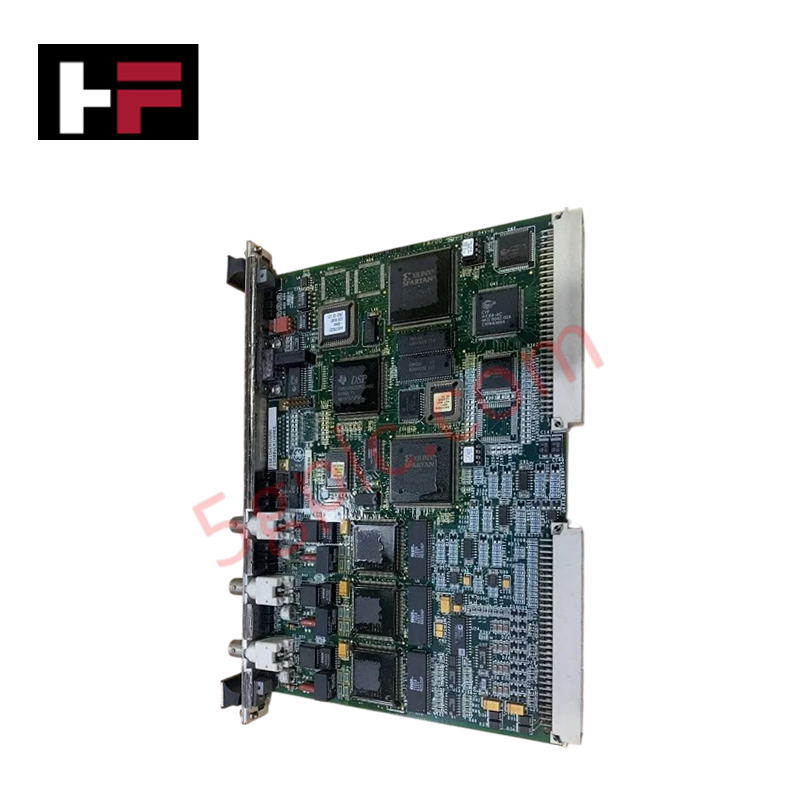
The GE IS215WEPAH2BB, also cataloged as the IS215WEPA Wind Ethernet Power Distribution Module, operates as a dedicated hardware component for power routing, IONet/UDH signal interfacing, and input/output conditioning within GE Mark VI Control System VME racks.
Hardware Specifications
| Parameter | Specification |
|---|---|
| Model | IS215WEPAH2BB |
| Brand | GE / General Electric |
| Origin | USA |
| Operating Temp | Industrial Grade Chassis Mountable |
| Power Consumption | 125 VDC Power Supply Rating |
| Storage Temp | -40 to +70 deg C |
| Humidity | 5-95% non-condensing |
| Network Protocols | IONet and UDH (Unit Data Highway) |
| Connectors | 20 Female Plug Connectors (ranging from 2 to 20 pins) |
| Surge Protection | 4 Metal Oxide Varistors (MOVs) |
| Software Frame Rates | 10 ms, 20 ms, and 40 ms |
| Mounting Form Factor | 13-slot or 21-slot VME chassis (Single slot width) |
Backplane Bus Communication Velocity and Firmware Flash Compatibility
The IS215WEPAH2BB processes real-time signal conditioning and network messaging via dual IONet and UDH communication pathways. Executing deterministically at software frame rates of 10 ms, 20 ms, and 40 ms, the board decouples field I/O processing from the main controller to preserve backplane bus communication velocity across the VME backplane. Dedicated onboard memory structures allow application logic and firmware flash compatibility to be maintained during online software downloads under password-protected control states.
Frequently Asked Questions
Q: What VME rack frame configurations accept the IS215WEPAH2BB card?
A: The card mounts into a single slot of either a 13-slot or 21-slot VME rack housed within the GE Mark VI Control Module.
Q: How does the IS215WEPAH2BB protect its circuits against voltage transients on the power line?
A: The board incorporates four onboard Metal Oxide Varistors (MOVs)—three grouped on the lower left-hand section and one in the upper right-hand corner—to clamp voltage surges from the 125 VDC power bus.
Q: Can application code changes be loaded into the controller while the system is actively running?
A: Yes, updated application code can be downloaded to the control module while the main process is running, secured via five levels of password protection.
Field Installation Guidelines
- Isolate the main 125 VDC control power distribution bus prior to inserting or extracting the board from the VME rack.
- Fasten an ESD grounding wrist strap to an unpainted metallic point on the control cabinet frame to prevent static discharge to onboard circuits.
- Align the IS215WEPAH2BB board with the card guide channels of the designated VME slot (13-slot or 21-slot enclosure).
- Slide the module inward until the rear edge connectors lock firmly into the VME backplane headers, then tighten the top and bottom retaining thumbscrews.
- Terminate all multi-pin female plug connectors (2-pin through 20-pin) along the board edge, verifying that locking latches engage properly.
Additional Information
- 100% Genuine Parts: All products are original and authentic, ensuring reliable industrial performance.
- 30-Day Refund Guarantee: Return any in-stock item within 30 days in original, unopened packaging for a full refund (excluding shipping and fees).
- 12-Month Warranty: Covers defects in materials or workmanship; excludes misuse, normal wear, or unauthorized modifications.
- Worldwide Shipping: We ship via USPS, UPS, FedEx, and DHL. Delivery times vary by country and may be subject to customs or import fees.
- Support & Contact: Technical and warranty assistance is available anytime. Contact us here: Contact.
- Purchase Guidance: Check product specifications and compatibility carefully before ordering to ensure proper application.
Tech & Buying Guide
Demystifying the 5 Levels of Industrial Automation Architecture
Modern manufacturing relies on structured communication hierarchy to bridge physical shop-floor hardware with enterprise management software. This framework, commonly known as the Automation Pyramid, establishes how data flows between field devices, logic controllers, and corporate IT networks. Understanding these five distinct levels helps engineers and plant managers optimize system operations, reduce downtime, and implement seamless factory automation solutions.

Transforming Shop Floor Data into Actionable Insights: A Deep Dive into MES
Manufacturing Execution Systems serve as the digital backbone of modern factory floors. Positioned at Level 3 of the ISA-95 automation pyramid, MES links enterprise resource planning with real-time shop floor control systems. Today, industrial operators rely on MES software to bridge operational strategy with physical production execution.