










Product Details
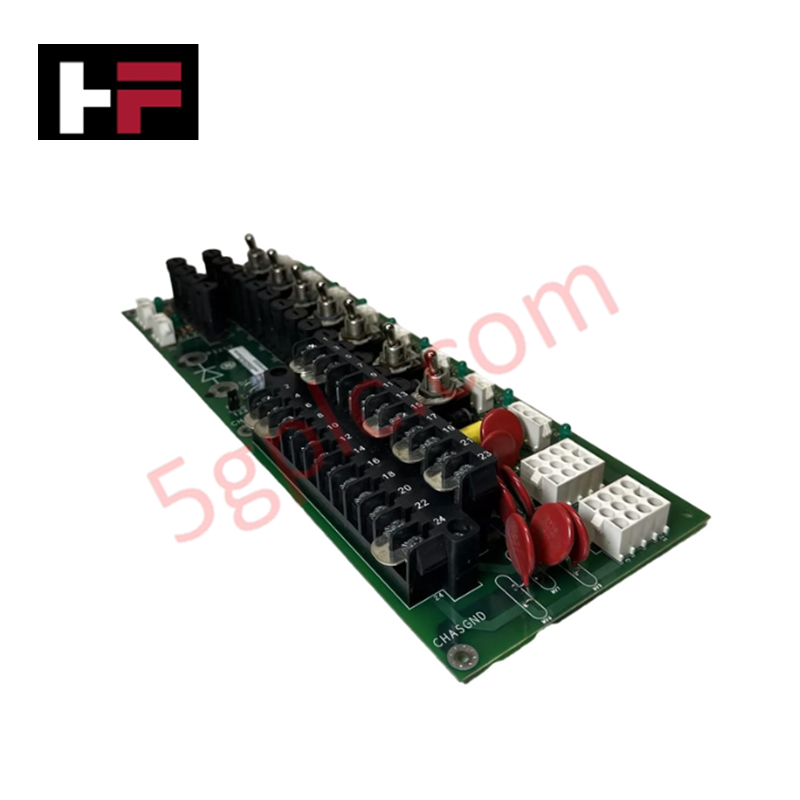
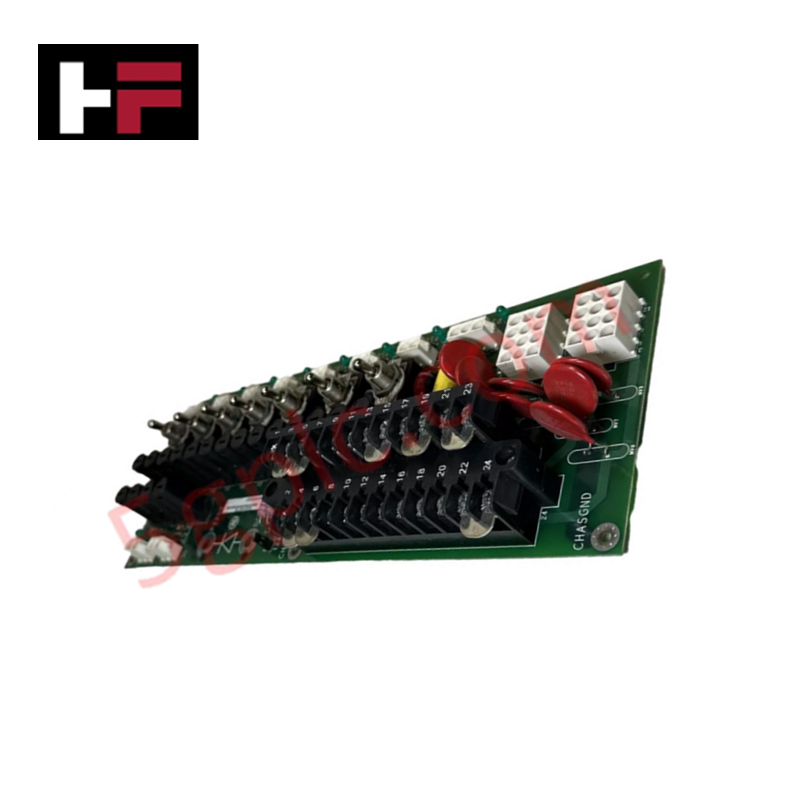
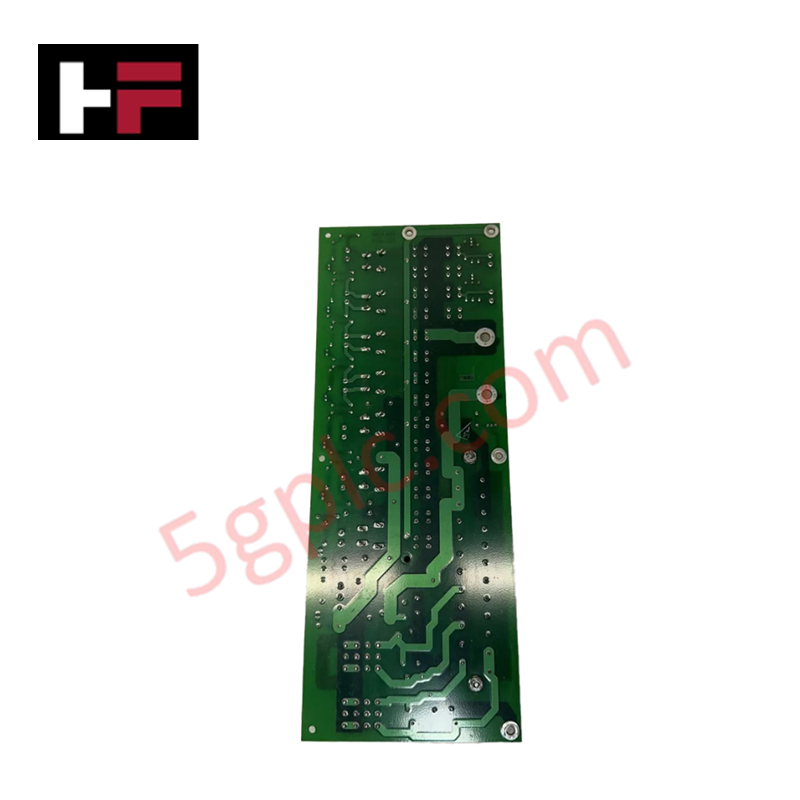
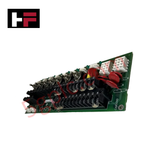
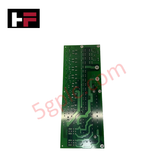
Configured for power distribution within the EX2100 Excitation Control system, the General Electric IS200EPDMG1B (IS200EPDMG1B Power Distribution Board) provides direct physical/electrical execution of voltage regulation for exciter control, I/O, and protection modules..
Hardware Specifications
| Parameter | Specification |
|---|---|
| Model | IS200EPDMG1B |
| Brand | General Electric |
| Origin | United States (USA) |
| Input Configuration | 120 V ac (dual) and 125 V dc station battery |
| Output Voltage | Nominal +62.5 V dc and -62.5 V dc (center grounded) |
| Mounting | Exciter Power Backplane (EPBP) |
Industrial Control and Firmware Integration
The IS200EPDMG1B operates within the EX2100 platform to provide standardized power distribution across the excitation control bus. The module manages the conversion and filtering of multi-source power inputs, including station batteries and rectified AC sources (DACA), to maintain stable P125V and R125V rails. Integration involves direct mechanical coupling to the EPBP backplane, where electrical connections are established for high-density power distribution. The system relies on deterministic power delivery to sustain the operation of protection boards and control I/O, requiring verification of board-level voltage tolerances to ensure compatibility with the excitation control software.
Frequently Asked Questions (FAQ)
Q: Can the IS200EPDMG1B accept simultaneous AC and DC power inputs?
A: Yes, the board is engineered to accept inputs from both 120 V ac sources and the 125 V dc station battery, utilizing internal and external diode logic to provide stable supply voltages.
Q: How is the output voltage potential referenced?
A: The P125V and R125V dc outputs are center-grounded, providing a nominal potential of +62.5 V dc and -62.5 V dc relative to the system ground.
Field Installation Guidelines
- Backplane Mounting: Align the board precisely with the guide rails on the Exciter Power Backplane (EPBP). Ensure connectors are fully seated to prevent intermittent contact and potential voltage fluctuations.
- Terminal Block Wiring: All power supply inputs must be terminated at TB1. Use appropriate wire gauges for 120 V ac and 125 V dc inputs to handle current loads. Tighten terminal screws to manufacturer-specified torque settings.
- Shielding and Grounding: Given the sensitivity of the excitation control system, ensure the center ground is properly bonded to the system earth bus. Verify that all input leads are properly shielded to minimize electromagnetic interference (EMI).
- Pre-Power Verification: Before applying input power, utilize a multimeter to verify the absence of shorts between the P125V/R125V rails and the system ground. Ensure external rectifier (DACA) outputs are correctly phased.
Additional Information
- 100% Genuine Parts: All products are original and authentic, ensuring reliable industrial performance.
- 30-Day Refund Guarantee: Return any in-stock item within 30 days in original, unopened packaging for a full refund (excluding shipping and fees).
- 12-Month Warranty: Covers defects in materials or workmanship; excludes misuse, normal wear, or unauthorized modifications.
- Worldwide Shipping: We ship via USPS, UPS, FedEx, and DHL. Delivery times vary by country and may be subject to customs or import fees.
- Support & Contact: Technical and warranty assistance is available anytime. Contact us here: Contact.
- Purchase Guidance: Check product specifications and compatibility carefully before ordering to ensure proper application.


Tech & Buying Guide

Comprehensive Guide to Noise Types in Industrial Automation and Electronics
Mitigating Emergency Stop Spurious Trips in Industrial Control Systems
Emergency stop (E-Stop) pushbuttons serve as vital safety devices in factory automation and process control plants. Functional safety standards mandate normally-closed (NC) contact blocks to ensure fail-safe operation during wiring breaks or power outages. However, mechanical degradation over time can trigger unexpected spurious trips, halting production lines without an actual emergency. Understanding the underlying causes of mechanical contact failure allows automation engineers to implement robust, fault-tolerant safety circuits.
Redundant Automation Systems: Maximizing Uptime in Critical Control Applications
Industrial automation relies on continuous operational stability to prevent catastrophic downtime and financial loss. While standard dictionary definitions treat redundancy as superfluous, industrial engineers consider redundant control architectures indispensable for high-availability systems. Implementing backup hardware ensures seamless takeover during primary equipment failures, protecting critical infrastructure across manufacturing and process industries.