










Product Details
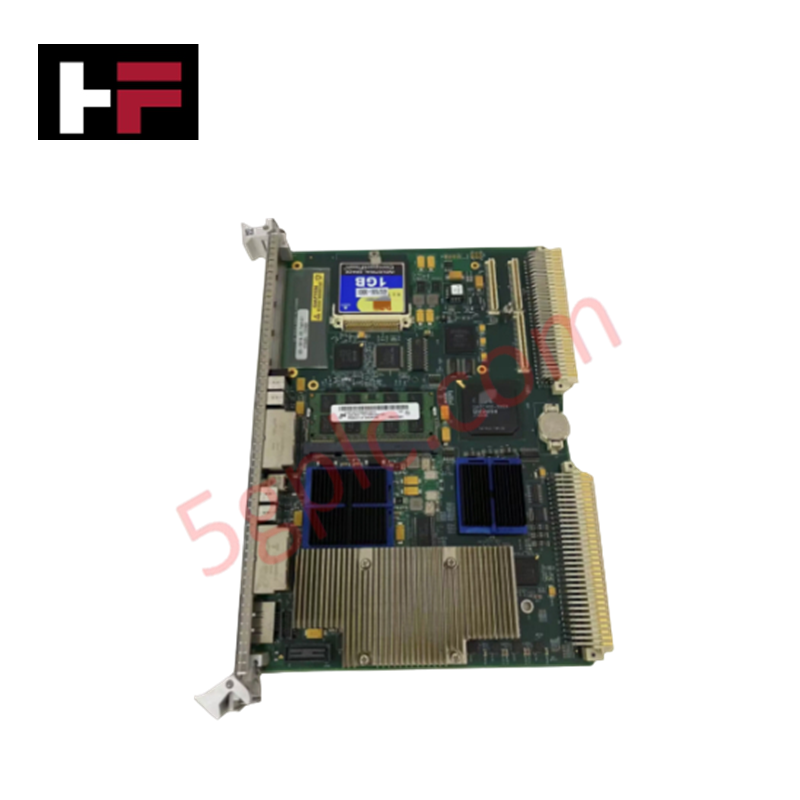
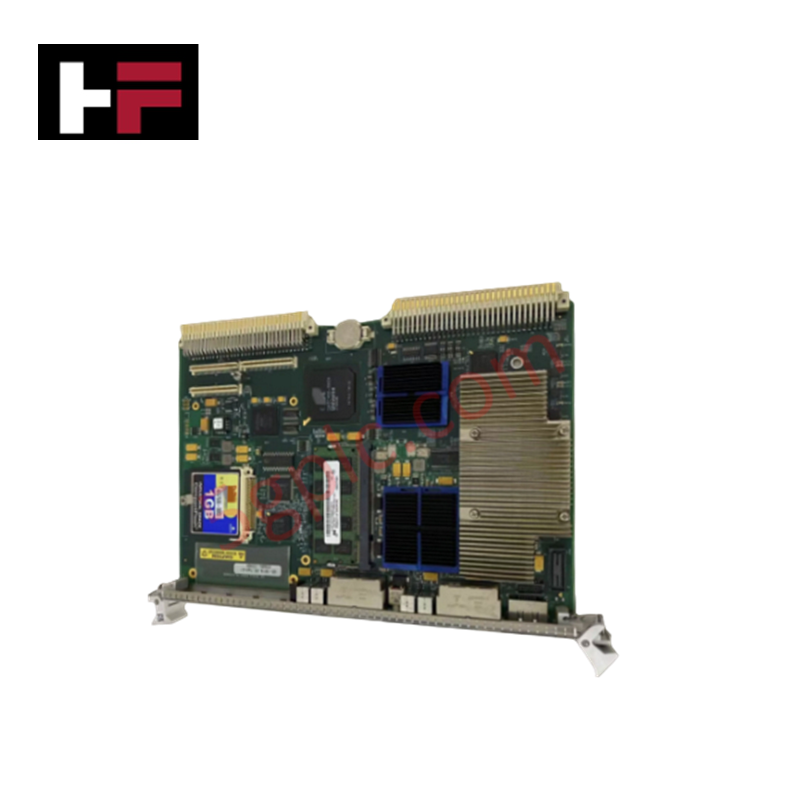
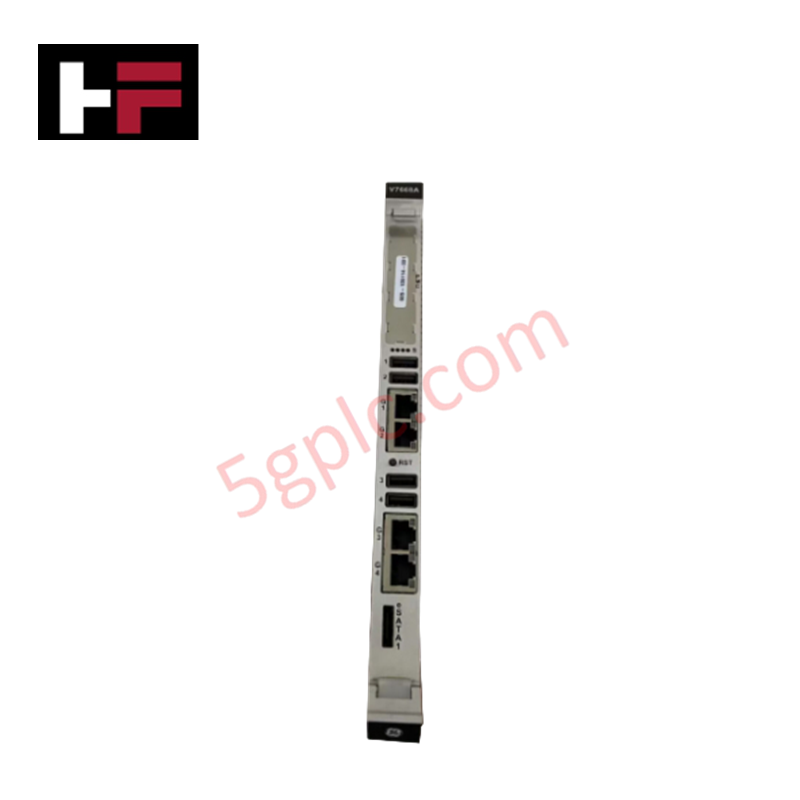
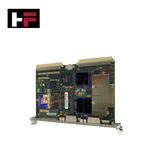
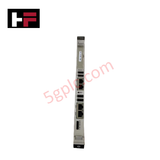
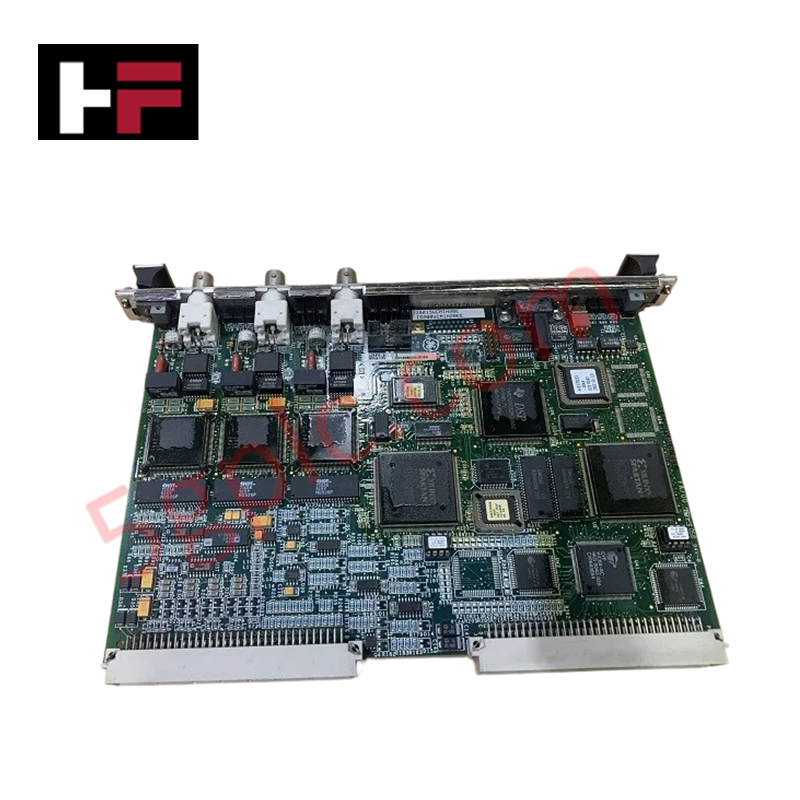
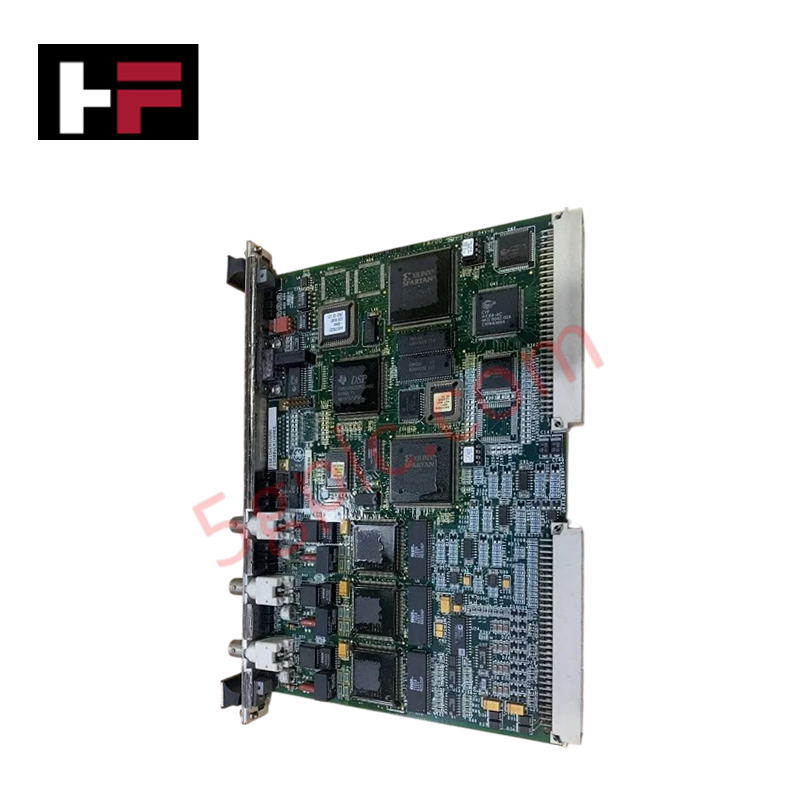
Configured for high-speed computation and board-level system integration in embedded computing platforms, the General Electric V7668A-131000 (V7668A Mainboard) provides direct physical/electrical execution.
Hardware Specifications
| Parameter | Specification |
|---|---|
| Model | V7668A-131000 (Part Number: 605-109114-001) |
| Brand | General Electric |
| Origin | USA |
| Weight | 0.3 kg |
| Dimensions | 10.25 cm x 8.2 cm x 7.2 cm |
| Operating Temp | Standard industrial range |
| Power Consumption | Standard backplane power draw |
| Processor | T7400 Intel Core 2 Duo Mobile |
| Processor Speed | 2.167 GHz |
| SODIMM Memory | 2 GB |
| Soldered Memory | 512 MB |
| CompactFlash Storage | 1 GB |
| Expansion Slots | 1 PMC Slot |
Backplane Bus Communication & Firmware Flash Execution
The board leverages an Intel Core 2 Duo T7400 processor running at 2.167 GHz to achieve maximum processing throughput across backplane bus communication structures. Onboard memory architecture consists of 512 MB soldered RAM combined with a 2 GB SODIMM module to maintain low-latency data access during execution cycles.
Internal firmware flash compatibility and non-volatile storage are managed via an onboard 1 GB CompactFlash slot, allowing system boot routines and real-time operating systems to launch directly at board level. Expansion mezzanine capabilities are enabled via a single PCI Mezzanine Card (PMC) slot, accommodating specialized I/O density scaling without increasing the primary card slot footprint.
Frequently Asked Questions
Q: What memory architecture and expansion options are physically integrated into the board?
A: The mainboard incorporates 512 MB of onboard soldered memory, a 2 GB SODIMM socket, a 1 GB CompactFlash socket for boot storage, and 1 PMC slot for custom mezzanine expansion modules.
Q: How does the processing unit interface with system firmware flash memory?
A: The 2.167 GHz Intel Core 2 Duo processor executes initial boot code directly from onboard flash memory and loads system images directly from the integrated 1 GB CompactFlash card.
Q: Can PMC expansion modules be connected or replaced while the mainboard is energized?
A: No. Power to the primary rack enclosure must be fully isolated prior to seating or unseating any mezzanine card in the PMC slot to prevent physical circuit damage.
Field Installation Guidelines
- Power Isolation: Ensure all primary and auxiliary power sources to the host rack enclosure are completely switched off before installing or removing the board assembly.
- ESD Protection: Wear a grounded electro-static discharge (ESD) wrist strap connected to the metal chassis ground before touching the mainboard surface or components.
- Mezzanine Assembly: If utilizing a PMC expansion card, secure the mezzanine card to the PMC slot using the specified mounting standoffs prior to inserting the mainboard into the system rack.
- Card Slot Insertion: Align the mainboard edge connectors carefully along the enclosure card guide rails, pushing evenly until the assembly fully seats into the backplane connectors.
- Mechanical Fastening: Hand-tighten top and bottom faceplate retaining screws to lock the card in place and ensure frame-ground continuity across the metal panel.
Additional Information
- 100% Genuine Parts: All products are original and authentic, ensuring reliable industrial performance.
- 30-Day Refund Guarantee: Return any in-stock item within 30 days in original, unopened packaging for a full refund (excluding shipping and fees).
- 12-Month Warranty: Covers defects in materials or workmanship; excludes misuse, normal wear, or unauthorized modifications.
- Worldwide Shipping: We ship via USPS, UPS, FedEx, and DHL. Delivery times vary by country and may be subject to customs or import fees.
- Support & Contact: Technical and warranty assistance is available anytime. Contact us here: Contact.
- Purchase Guidance: Check product specifications and compatibility carefully before ordering to ensure proper application.
Tech & Buying Guide

Mitigating Emergency Stop Spurious Trips in Industrial Control Systems
Emergency stop (E-Stop) pushbuttons serve as vital safety devices in factory automation and process control plants. Functional safety standards mandate normally-closed (NC) contact blocks to ensure fail-safe operation during wiring breaks or power outages. However, mechanical degradation over time can trigger unexpected spurious trips, halting production lines without an actual emergency. Understanding the underlying causes of mechanical contact failure allows automation engineers to implement robust, fault-tolerant safety circuits.

Redundant Automation Systems: Maximizing Uptime in Critical Control Applications
Industrial automation relies on continuous operational stability to prevent catastrophic downtime and financial loss. While standard dictionary definitions treat redundancy as superfluous, industrial engineers consider redundant control architectures indispensable for high-availability systems. Implementing backup hardware ensures seamless takeover during primary equipment failures, protecting critical infrastructure across manufacturing and process industries.

Demystifying the 5 Levels of Industrial Automation Architecture
Modern manufacturing relies on structured communication hierarchy to bridge physical shop-floor hardware with enterprise management software. This framework, commonly known as the Automation Pyramid, establishes how data flows between field devices, logic controllers, and corporate IT networks. Understanding these five distinct levels helps engineers and plant managers optimize system operations, reduce downtime, and implement seamless factory automation solutions.