










Product Details
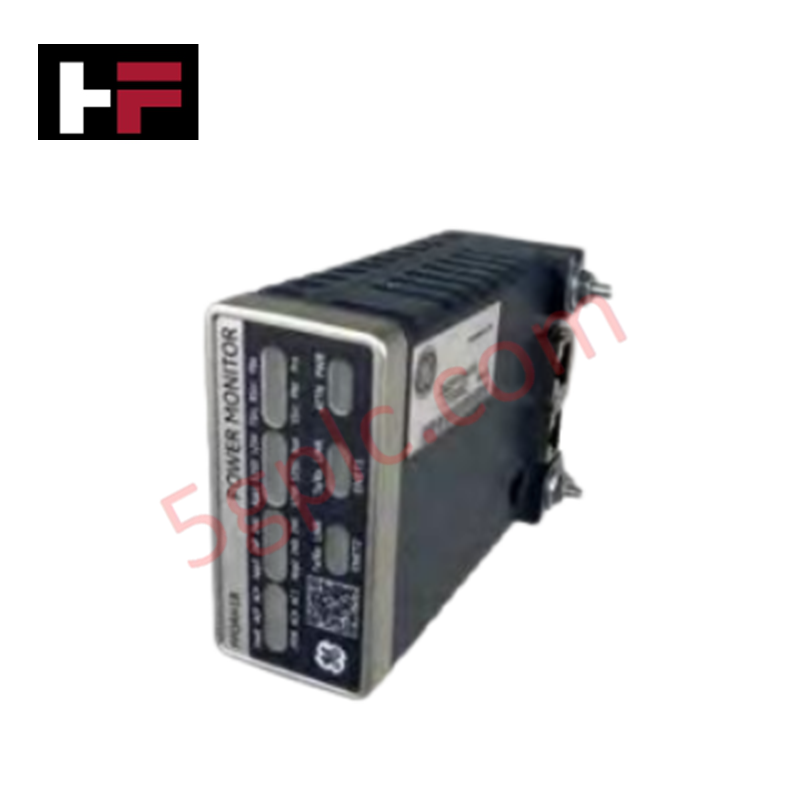
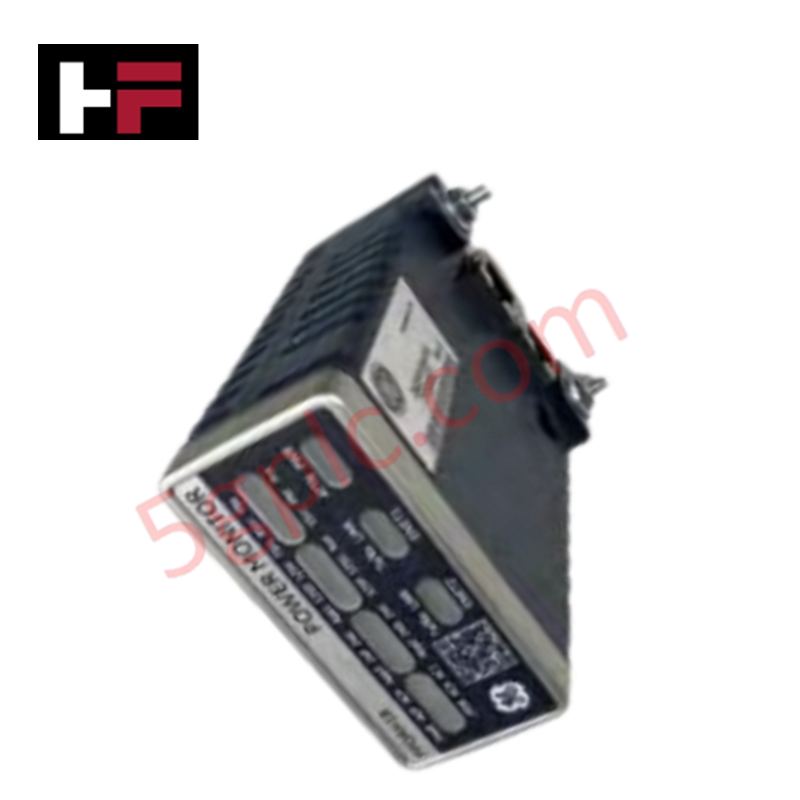
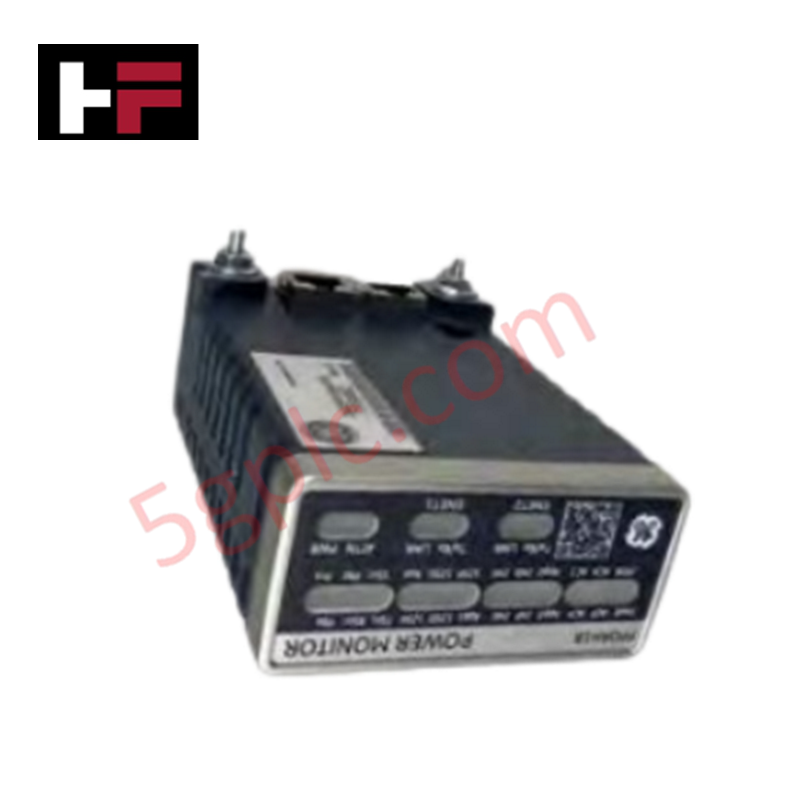
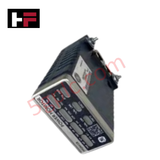
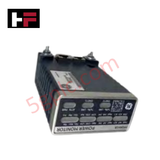
Configured for power supply management in Mark VIe control platforms, the GE IS410JPDDG1A (IS410JPDDG1A) DC Power Distribution Card provides direct physical/electrical execution.
Hardware Specifications
| Parameter | Specification |
|---|---|
| Model | IS410JPDDG1A |
| Brand | GE |
| Origin | USA |
| Dimensions | 16.51 cm x 17.8 cm |
| Operating Temp | -30 deg C to +65 deg C |
| Power Consumption | Passive (Distribution hub) |
| Distribution Types | 28 VDC (Control), 48 VDC/24 VDC (Wetting) |
Industrial Control and Drives Characteristics
The IS410JPDDG1A acts as the primary power distribution hub within the Mark VIe architecture, managing multiple DC voltage domains. It features circuitry to monitor two channels of AC distribution and supports a floating DC wetting power bus, which is referenced to earth through dedicated resistor networks. Voltage feedback is transmitted via the PPDA interface, allowing the control system to detect and isolate ground faults autonomously. Deterministic power delivery is maintained by the board's structural design, which ensures compatibility with existing backplane bus communication velocity and I/O module power requirements.
Frequently Asked Questions
Q: Does the JPDG card support hot-swapping while the system is powered?
A: No. The JPDG serves as a critical distribution node for multiple power rails. Removing or installing the card while under load will interrupt power to downstream control components and I/O modules, likely causing a system trip. Always de-energize the power input feeds before board replacement.
Q: How is the floating DC wetting power bus managed to prevent ground faults?
A: The bus is centered on earth via resistive networks. This configuration allows the monitoring circuitry to measure potential shifts between the bus and ground, which are then reported via the PPDA to identify and locate fault conditions.
Field Installation Guidelines
- Mounting: Secure the board onto the DIN rail using the integrated mounting clips. Ensure the DIN rail is properly grounded to the cabinet frame to support the board’s ground reference requirements.
- Wiring: Terminate power input and distribution cabling using appropriately rated lugs. Ensure that the wire gauge is sufficient for the total current draw of the distributed circuits to prevent localized overheating.
- Grounding: Verify the resistance of the earth-referencing resistors during commissioning to ensure the floating bus is correctly referenced to the system ground.
- Cable Separation: Keep power distribution cabling physically separated from signal-level wiring to minimize electromagnetic interference and ensure the stability of the voltage feedback signals reported to the PPDA.
Additional Information
- 100% Genuine Parts: All products are original and authentic, ensuring reliable industrial performance.
- 30-Day Refund Guarantee: Return any in-stock item within 30 days in original, unopened packaging for a full refund (excluding shipping and fees).
- 12-Month Warranty: Covers defects in materials or workmanship; excludes misuse, normal wear, or unauthorized modifications.
- Worldwide Shipping: We ship via USPS, UPS, FedEx, and DHL. Delivery times vary by country and may be subject to customs or import fees.
- Support & Contact: Technical and warranty assistance is available anytime. Contact us here: Contact.
- Purchase Guidance: Check product specifications and compatibility carefully before ordering to ensure proper application.


Tech & Buying Guide

Comprehensive Guide to Noise Types in Industrial Automation and Electronics

Mitigating Emergency Stop Spurious Trips in Industrial Control Systems
Emergency stop (E-Stop) pushbuttons serve as vital safety devices in factory automation and process control plants. Functional safety standards mandate normally-closed (NC) contact blocks to ensure fail-safe operation during wiring breaks or power outages. However, mechanical degradation over time can trigger unexpected spurious trips, halting production lines without an actual emergency. Understanding the underlying causes of mechanical contact failure allows automation engineers to implement robust, fault-tolerant safety circuits.

Redundant Automation Systems: Maximizing Uptime in Critical Control Applications
Industrial automation relies on continuous operational stability to prevent catastrophic downtime and financial loss. While standard dictionary definitions treat redundancy as superfluous, industrial engineers consider redundant control architectures indispensable for high-availability systems. Implementing backup hardware ensures seamless takeover during primary equipment failures, protecting critical infrastructure across manufacturing and process industries.