










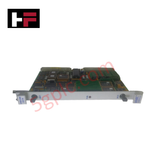
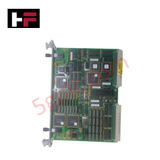
Product Details
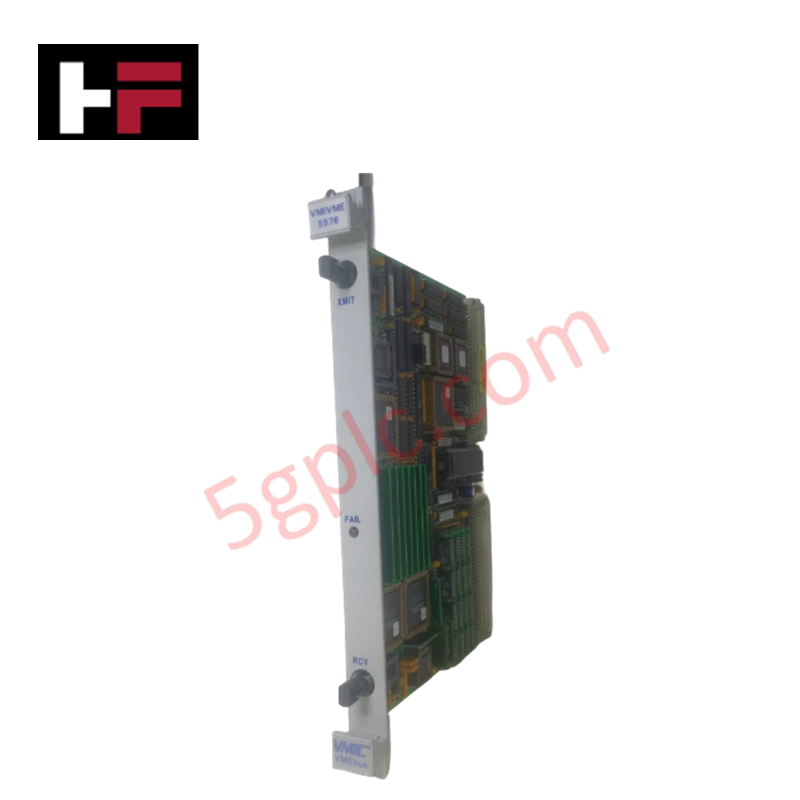
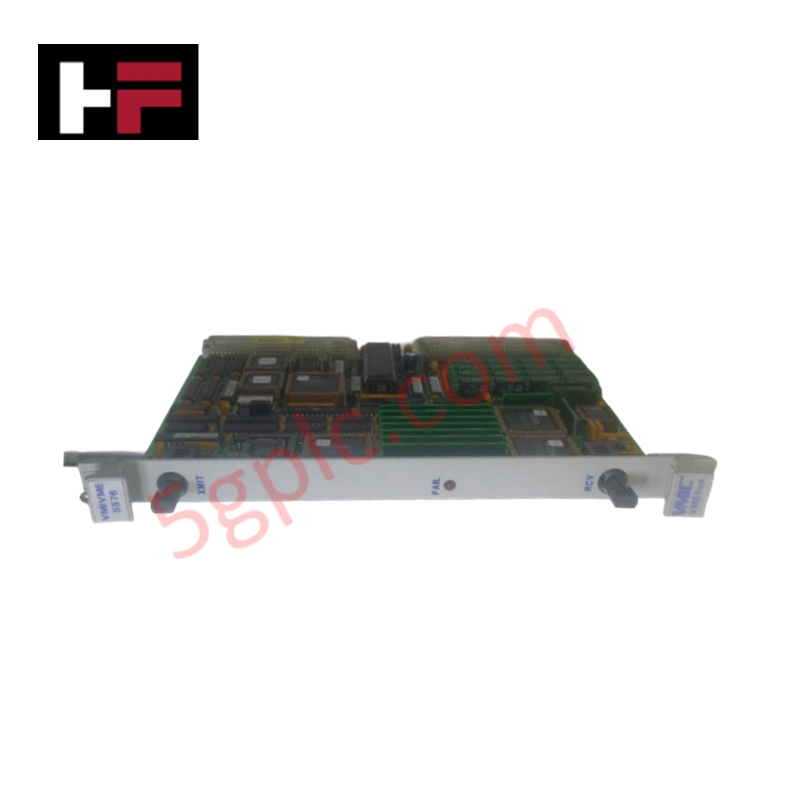
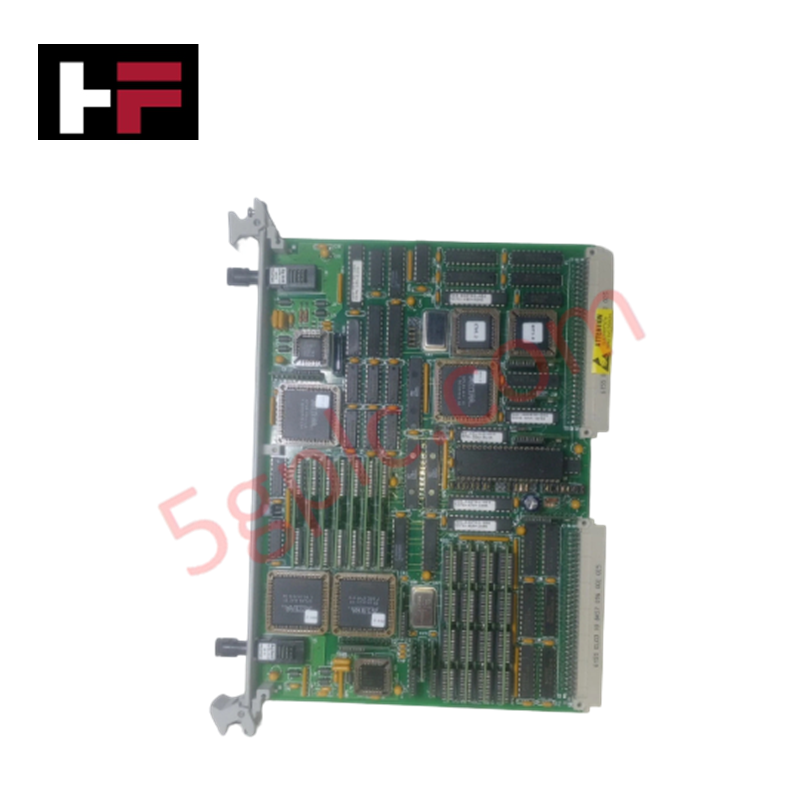
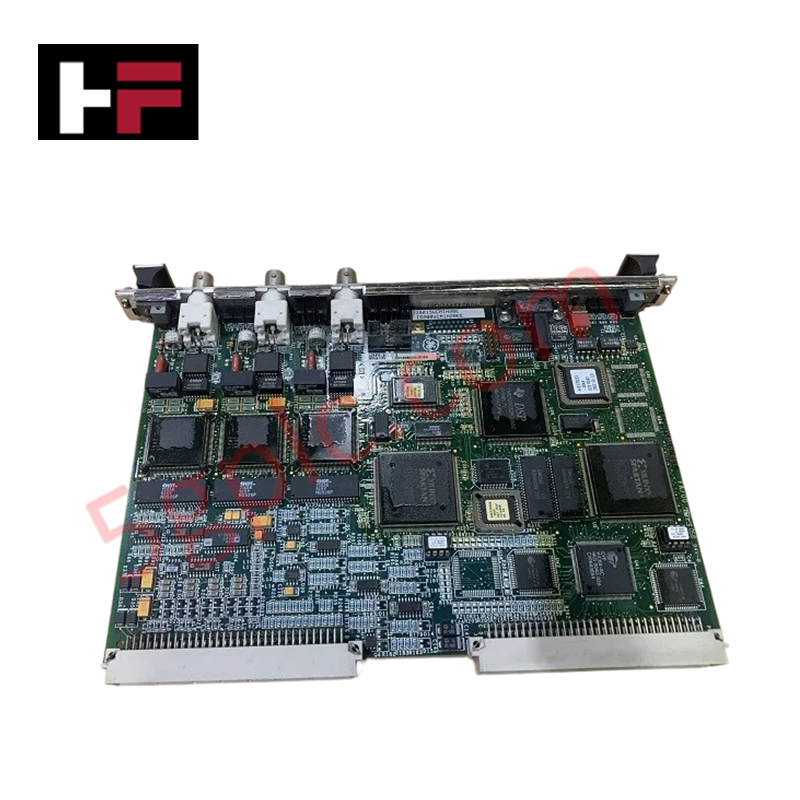
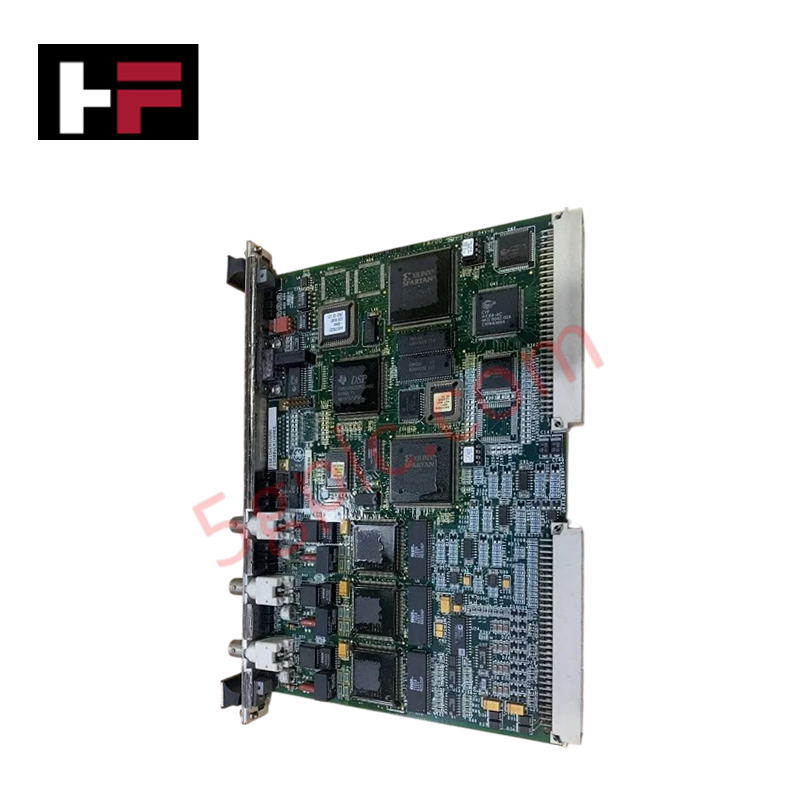
The GE VMIVME5576 332-015576-010 serves as the primary VMIVME5576 Reflective Memory Module utilized to execute high-speed deterministic data replication across multidrop fiberoptic network platforms.
Hardware Specifications
| Parameter | Specification |
|---|---|
| Model | VMIVME5576 332-015576-010 |
| Brand | GE Fanuc |
| Origin | United States |
| Weight | Standard VME Board Weight |
| Dimensions | Single-Slot VMEbus Card Form Factor |
| Operating Temp | 0 - 60 deg C |
| Power Consumption | Backplane Rails Dependent |
| Memory Capacity | 256 KB SRAM on-board memory |
| FIFO Buffering | 4 k Transfer FIFO (Transmit/Receive links) |
| Optical Interface | ST/PC |
| Fiber Type | 62.5 um, Multimode fiber |
| Data Transfer Rate | Up to 6.2 Mbyte/s (without redundant transfer) |
| Network Capacity | Up to 256 nodes |
| Serial Link Velocity | 170 Mbaud |
| Node Spacing | Up to 2,000 meters |
Firmware Flash Compatibility and Deterministic Memory Mapping
The hardware maps internal data structures autonomously via hardware registers, completely eliminating processor overhead during network operation. Data blocks committed to local SRAM are automatically broadcast across the fiber optic ring via a 170 Mbaud link to synchronize all remote nodes. Maintaining uniform system register states relies heavily on exact firmware flash compatibility across the network controllers, which prevents packet alignment failures and mitigates timing anomalies on the parallel bus interface.
Frequently Asked Questions
Q: Does the VMIVME5576 332-015576-010 support hot-swapping or live insertion?
A: No. The parallel backplane interface of this VME card lacks staggered power-pin spacing or specialized pre-charge circuits. Inserting or pulling the card while the rack is energized will introduce critical bus faults and can damage local logical transceivers.
Q: How does the network manage instantaneous peaks in data throughput?
A: The board incorporates integrated Transmit and Receive FIFOs that buffer data peaks. In addition to this layout, the unit provides three-level, user-definable interrupts to secure cross-node timing alignment and data-following sequences.
Field Installation Guidelines
- Chassis Slot Alignment: Insert the VME module into the designated chassis slot using the built-in guide rails. Apply uniform pressure until the backplane connectors seat firmly, then secure the front-panel screws.
- Fiber Optic Connection Constraints: Ensure clean mating surfaces for the ST/PC optical termination. Clean the 62.5 um multimode fiber ends before insertion, and maintain the minimum specified bend radius to avoid optical attenuation.
- Static Charge Management: Always utilize a grounded ESD wrist strap when handling the card assembly to prevent destructive static discharge to the onboard SRAM and FIFO integrated circuits.
Additional Information
- 100% Genuine Parts: All products are original and authentic, ensuring reliable industrial performance.
- 30-Day Refund Guarantee: Return any in-stock item within 30 days in original, unopened packaging for a full refund (excluding shipping and fees).
- 12-Month Warranty: Covers defects in materials or workmanship; excludes misuse, normal wear, or unauthorized modifications.
- Worldwide Shipping: We ship via USPS, UPS, FedEx, and DHL. Delivery times vary by country and may be subject to customs or import fees.
- Support & Contact: Technical and warranty assistance is available anytime. Contact us here: Contact.
- Purchase Guidance: Check product specifications and compatibility carefully before ordering to ensure proper application.
Tech & Buying Guide

Redundant Automation Systems: Maximizing Uptime in Critical Control Applications
Industrial automation relies on continuous operational stability to prevent catastrophic downtime and financial loss. While standard dictionary definitions treat redundancy as superfluous, industrial engineers consider redundant control architectures indispensable for high-availability systems. Implementing backup hardware ensures seamless takeover during primary equipment failures, protecting critical infrastructure across manufacturing and process industries.
Demystifying the 5 Levels of Industrial Automation Architecture
Modern manufacturing relies on structured communication hierarchy to bridge physical shop-floor hardware with enterprise management software. This framework, commonly known as the Automation Pyramid, establishes how data flows between field devices, logic controllers, and corporate IT networks. Understanding these five distinct levels helps engineers and plant managers optimize system operations, reduce downtime, and implement seamless factory automation solutions.

Transforming Shop Floor Data into Actionable Insights: A Deep Dive into MES
Manufacturing Execution Systems serve as the digital backbone of modern factory floors. Positioned at Level 3 of the ISA-95 automation pyramid, MES links enterprise resource planning with real-time shop floor control systems. Today, industrial operators rely on MES software to bridge operational strategy with physical production execution.