










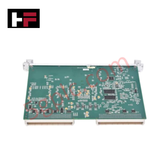
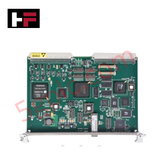
Product Details
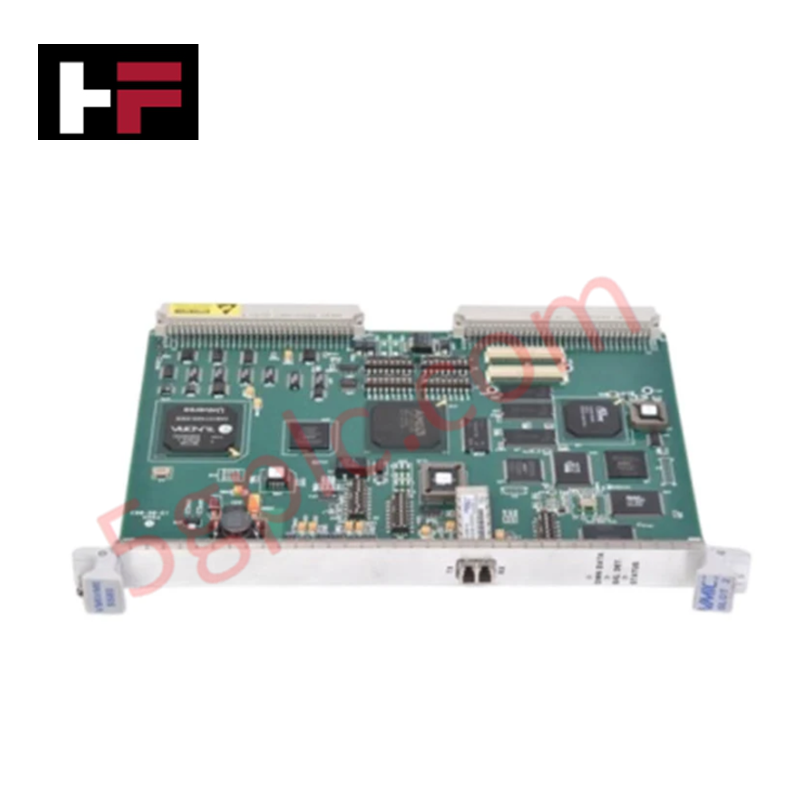
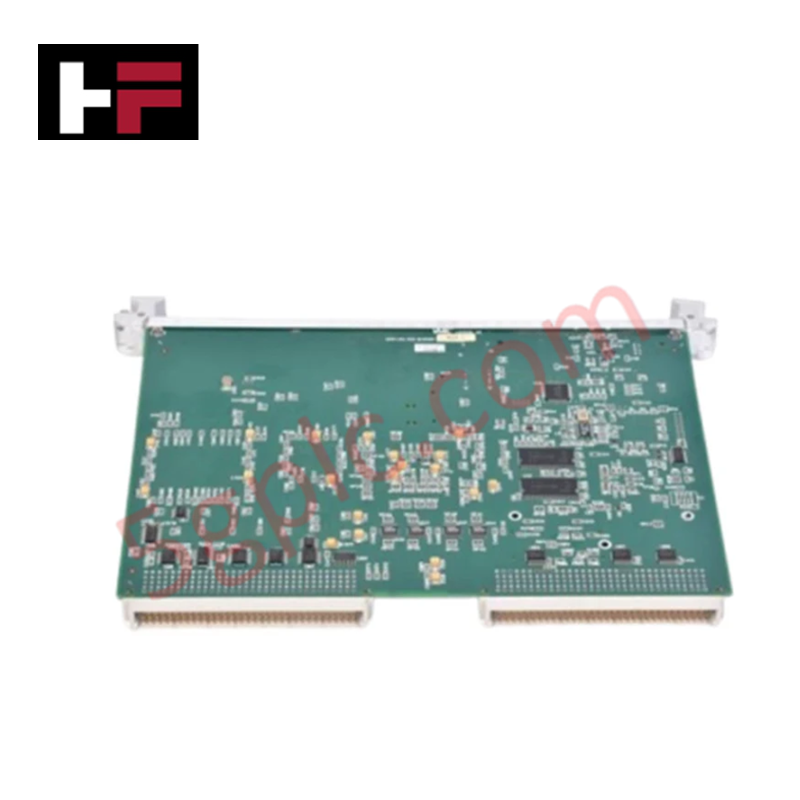
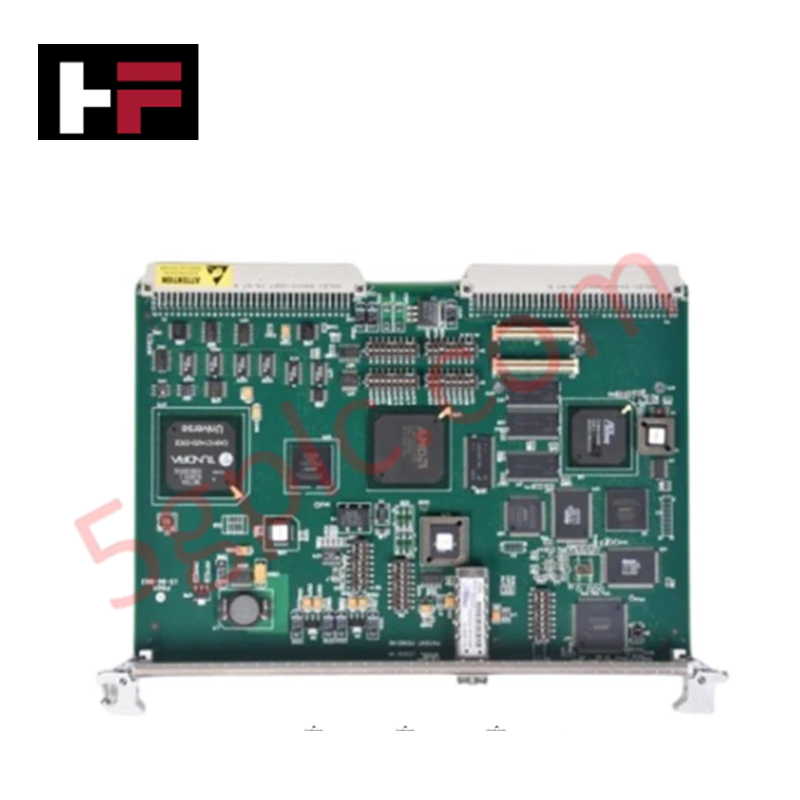
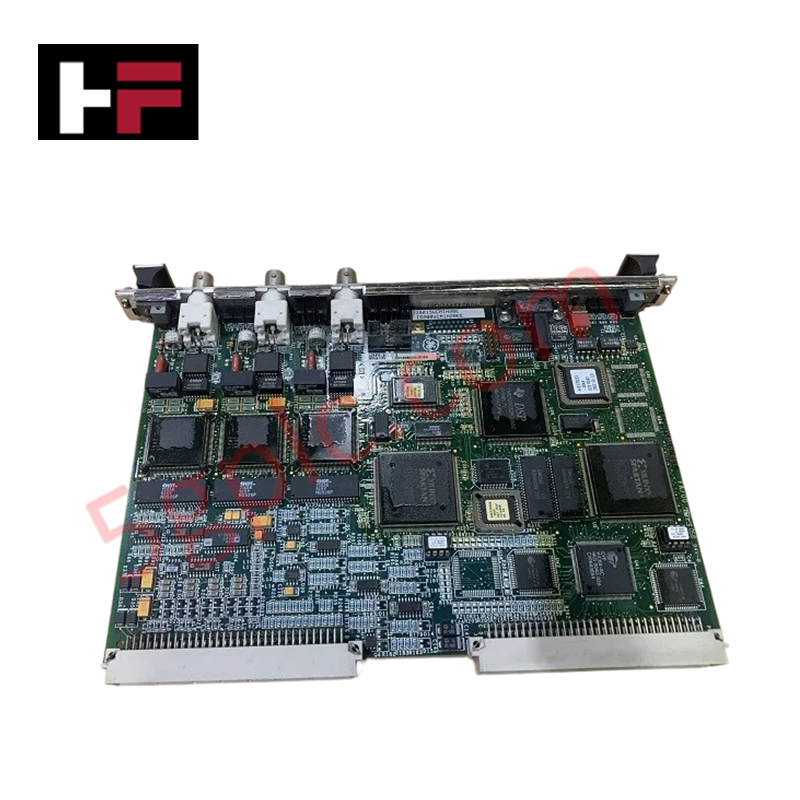
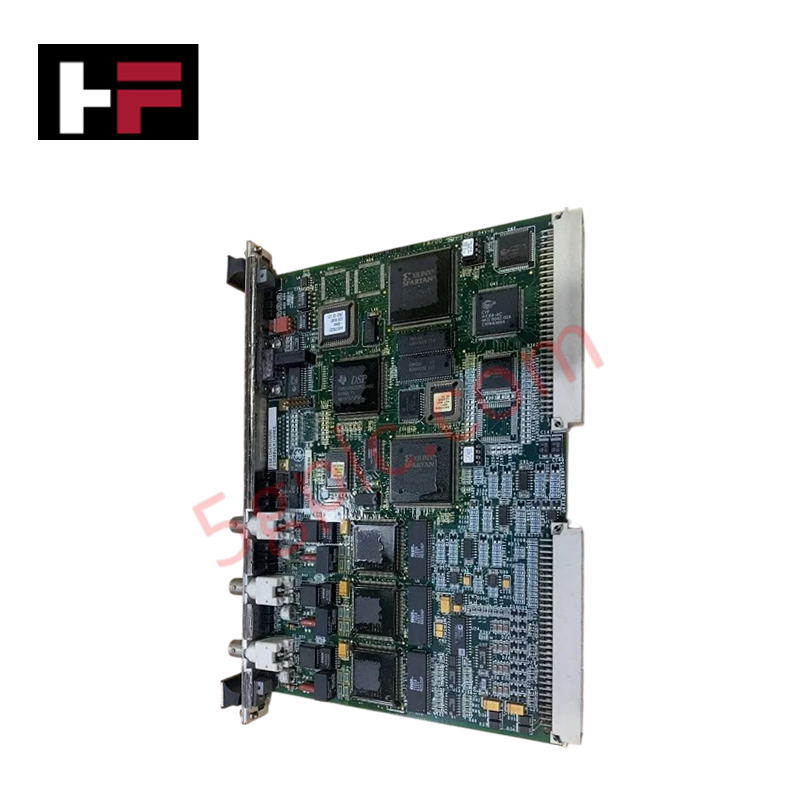
Configured for deterministic, high-speed shared memory communication in VMEbus-based networks, the GE VMIVME-5565-110000 (VMIVME-5565 Reflective Memory Node Card) provides direct physical/electrical execution of real-time data mirroring across distributed nodes via optical ring topology.
Hardware Specifications
| Parameter | Specification |
|---|---|
| Model | VMIVME-5565-110000 |
| Brand | GE (GE Fanuc / VMIC) |
| Origin | USA |
| Dimensions | Standard VMEbus form factor |
| Operating Temp | Standard industrial ambient |
| Serial Connection Speed | 2.12 Gbaud |
| On-board SRAM | 128 MB or 256 MB |
| Packet Size | 4 to 64 Bytes (Dynamic) |
Industrial Control Deterministic Network
The VMIVME-5565-110000 utilizes a high-speed optical ring for deterministic data propagation, ensuring low-latency updates regardless of the host operating system or secondary bus structures. The board eliminates software overhead by offloading data transmission to the onboard Reflective Memory node controller; write operations to the local SRAM are automatically broadcast across the fiber-optic network. Integration into VME environments requires compliance with bus master protocols and verification of backplane bus communication velocity to maintain synchronization across all nodes. The module supports interrupt transfers for any node, facilitating event-driven response within the distributed memory space.
Frequently Asked Questions
Q: Does the VMIVME-5565 support hot-swapping within the VME chassis?
A: No. The VMIVME-5565-110000 is not designed for hot-swap operations. The VME chassis must be de-energized before inserting or removing the card to prevent electrical damage to the backplane connectors and onboard active components.
Q: How does the card handle fiber-optic signal loss or node failure?
A: The card supports optional node bypass functionality to maintain ring integrity in the event of local node power failure or fiber break. Ensure that the bypass jumpers are correctly configured according to the network requirements to prevent entire network segment failure.
Field Installation Guidelines
- Optical Interface: Ensure the fiber-optic connectors are clean and free of contaminants. Use standard fiber cleaning tools before mating cables. Secure the fiber cables to minimize vibration at the port interface.
- Grounding: Ensure the VME chassis is correctly earth-grounded. The card relies on the chassis backplane for both power return and common reference potential.
- Configuration: Verify the onboard SRAM capacity (128 MB or 256 MB) matches the system memory mapping requirements. Ensure that node addressing and interrupt levels are set to avoid contention with other modules on the VME backplane.
- Cable Routing: Route fiber-optic cables through protected conduits, ensuring that the minimum bend radius is maintained to prevent signal attenuation or fiber stress.
Additional Information
- 100% Genuine Parts: All products are original and authentic, ensuring reliable industrial performance.
- 30-Day Refund Guarantee: Return any in-stock item within 30 days in original, unopened packaging for a full refund (excluding shipping and fees).
- 12-Month Warranty: Covers defects in materials or workmanship; excludes misuse, normal wear, or unauthorized modifications.
- Worldwide Shipping: We ship via USPS, UPS, FedEx, and DHL. Delivery times vary by country and may be subject to customs or import fees.
- Support & Contact: Technical and warranty assistance is available anytime. Contact us here: Contact.
- Purchase Guidance: Check product specifications and compatibility carefully before ordering to ensure proper application.
Tech & Buying Guide

Comprehensive Guide to Noise Types in Industrial Automation and Electronics

Mitigating Emergency Stop Spurious Trips in Industrial Control Systems
Emergency stop (E-Stop) pushbuttons serve as vital safety devices in factory automation and process control plants. Functional safety standards mandate normally-closed (NC) contact blocks to ensure fail-safe operation during wiring breaks or power outages. However, mechanical degradation over time can trigger unexpected spurious trips, halting production lines without an actual emergency. Understanding the underlying causes of mechanical contact failure allows automation engineers to implement robust, fault-tolerant safety circuits.

Redundant Automation Systems: Maximizing Uptime in Critical Control Applications
Industrial automation relies on continuous operational stability to prevent catastrophic downtime and financial loss. While standard dictionary definitions treat redundancy as superfluous, industrial engineers consider redundant control architectures indispensable for high-availability systems. Implementing backup hardware ensures seamless takeover during primary equipment failures, protecting critical infrastructure across manufacturing and process industries.