










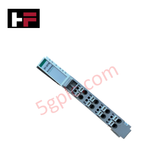
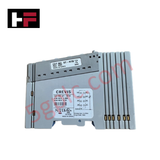
Product Details
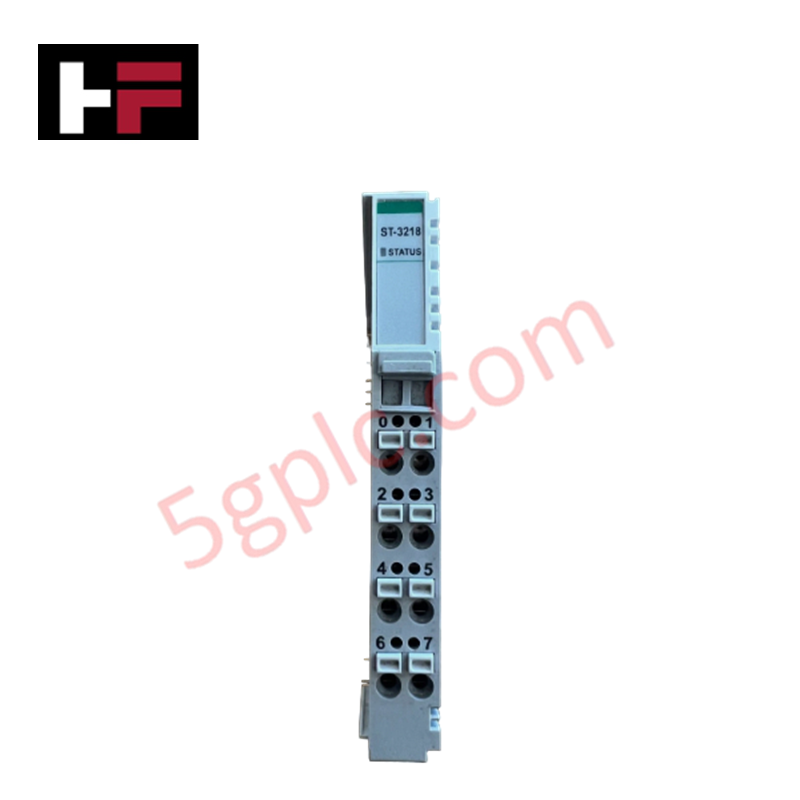
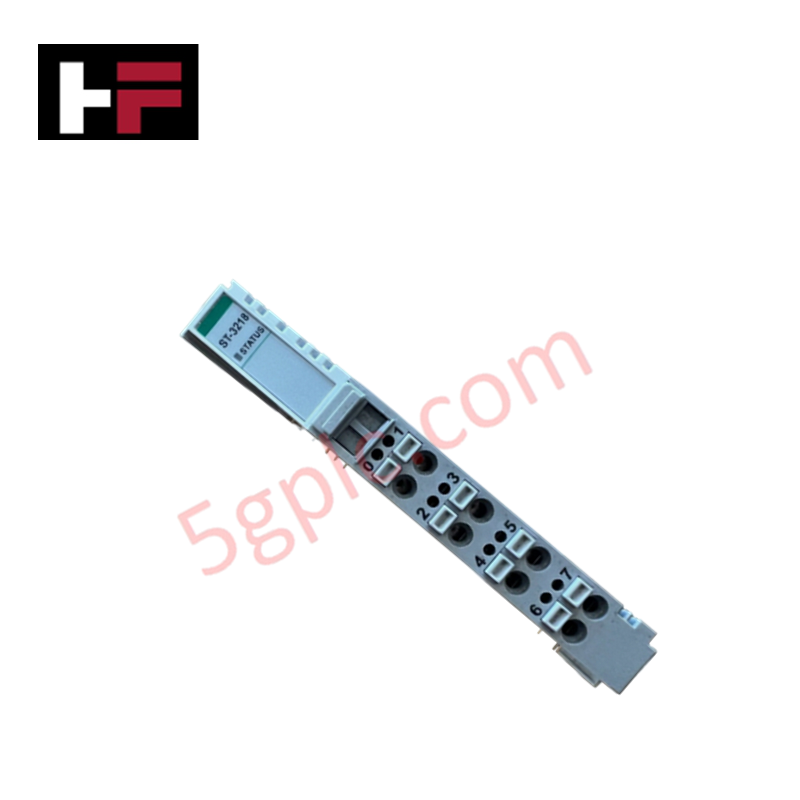
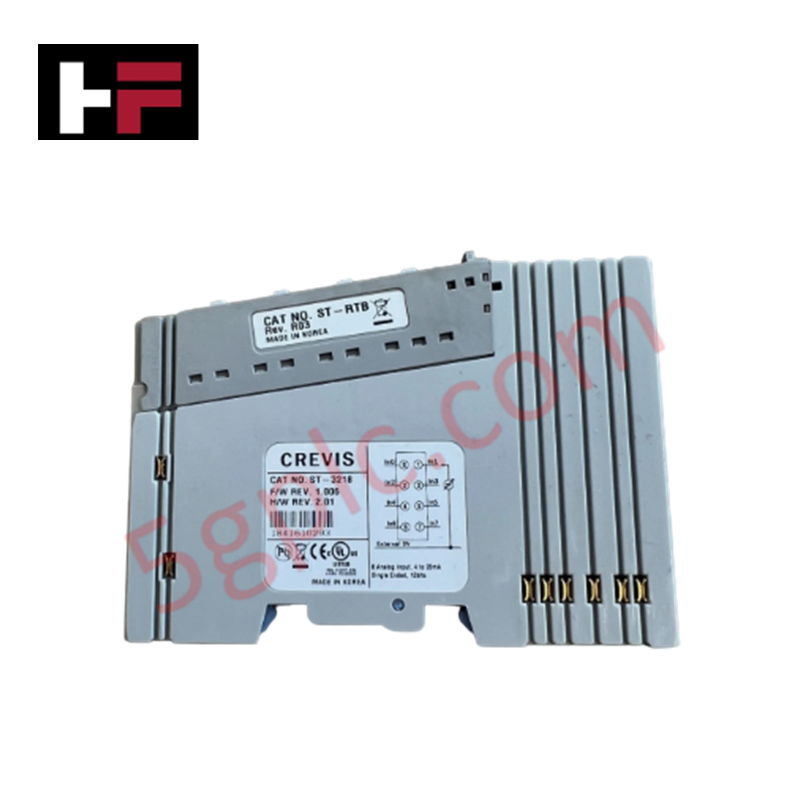
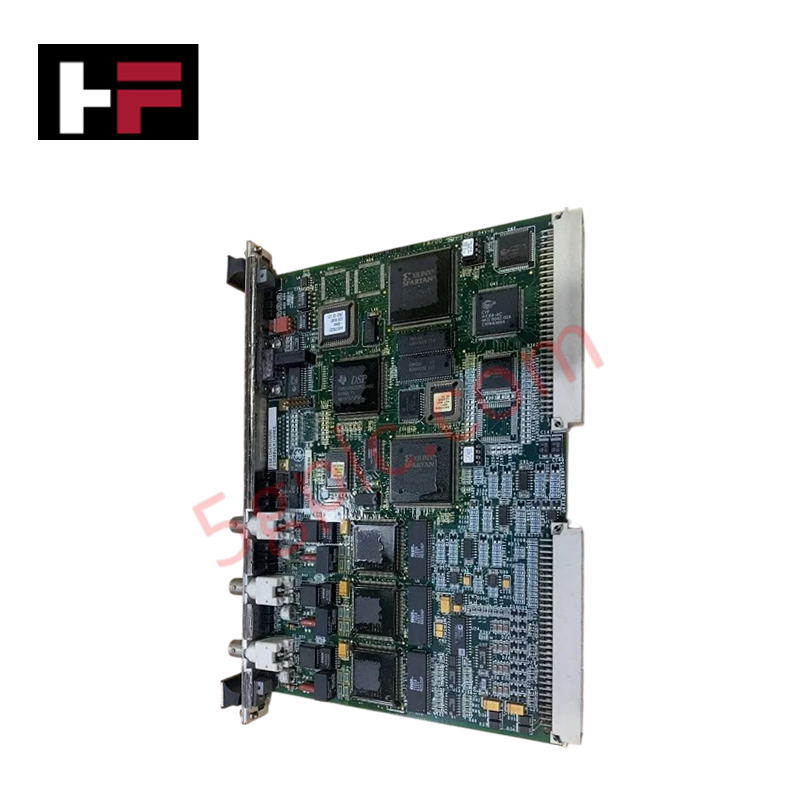
Configured for multi-channel current signal translation within RSTi PacSystem architectures, the GE ST-3218 (ST-3218 Analog Input Module) provides direct physical/electrical execution.
Hardware Specifications
| Parameter | Specification |
|---|---|
| Model | ST-3218 |
| Brand | GE Fanuc Emerson |
| Origin | United States |
| Weight | 0.91 kg (2.00 lbs) |
| Dimensions | 70 mm x 12 mm x 90 mm |
| Operating Temp | 0 - 60 deg C |
| Power Consumption | Max 60 mA @ 5 VDC (internal logic) |
| Inputs | 8 Analog Inputs |
| Resolution | 12 bits |
| Input Current Range | 4 to 20 mA |
| Input Impedance | 120 Ohms |
| Input Points per Common | 8 |
| Update Rate | 4 ms for all channels |
| Mounting | Rack or Panel |
Firmware Flash Compatibility and Internal Bus Processing
The module converts 8 independent 4-20 mA current loops using a localized 12-bit analog-to-digital converter array running a fixed 4 ms update loop across all channels. Internal logic relies on an instrumentation path with a precise 120 Ohms input impedance to manage loops while preserving signal linearity. Synchronous transmission across the local interface stack requires matching firmware flash compatibility structures to execute real-time register updates over Profinet / EtherNet/IP deterministic networks without introducing transport frame drops.
Frequently Asked Questions
Q: Does the ST-3218 module accommodate live insertion or extraction during system operation?
A: No. The parallel backplane design of the RSTi PacSystem slice interface does not feature staggered power pins or physical isolation gates. Performing a hot-swap operation while the terminal assembly is energized can cause unexpected logic faults or hardware component damage.
Q: How is the reference structure configured for the 8 loop circuits?
A: The hardware routes all 8 analog input loops through a single common point. All 4-20 mA field transmitters wired to this block must share the identical electrical ground potential to prevent parasitic ground loop measurement offset errors.
Field Installation Guidelines
- Base Rails Engagement: Mount the module into the designated base unit slots, keeping precise alignment along the terminal channel guides until the latching mechanism clicks into position.
- Current Loop Separation: Route all 4-20 mA field signal conductors through separate low-voltage wireways isolated from alternating current (AC) power lines and motor drive paths.
- Shielding Ground Plane: Connect instrument cable shields to a dedicated ground busbar directly at the point of enclosure entry, maintaining structural isolation from active neutral rails.
Additional Information
- 100% Genuine Parts: All products are original and authentic, ensuring reliable industrial performance.
- 30-Day Refund Guarantee: Return any in-stock item within 30 days in original, unopened packaging for a full refund (excluding shipping and fees).
- 12-Month Warranty: Covers defects in materials or workmanship; excludes misuse, normal wear, or unauthorized modifications.
- Worldwide Shipping: We ship via USPS, UPS, FedEx, and DHL. Delivery times vary by country and may be subject to customs or import fees.
- Support & Contact: Technical and warranty assistance is available anytime. Contact us here: Contact.
- Purchase Guidance: Check product specifications and compatibility carefully before ordering to ensure proper application.

Tech & Buying Guide

Redundant Automation Systems: Maximizing Uptime in Critical Control Applications
Industrial automation relies on continuous operational stability to prevent catastrophic downtime and financial loss. While standard dictionary definitions treat redundancy as superfluous, industrial engineers consider redundant control architectures indispensable for high-availability systems. Implementing backup hardware ensures seamless takeover during primary equipment failures, protecting critical infrastructure across manufacturing and process industries.

Demystifying the 5 Levels of Industrial Automation Architecture
Modern manufacturing relies on structured communication hierarchy to bridge physical shop-floor hardware with enterprise management software. This framework, commonly known as the Automation Pyramid, establishes how data flows between field devices, logic controllers, and corporate IT networks. Understanding these five distinct levels helps engineers and plant managers optimize system operations, reduce downtime, and implement seamless factory automation solutions.

Transforming Shop Floor Data into Actionable Insights: A Deep Dive into MES
Manufacturing Execution Systems serve as the digital backbone of modern factory floors. Positioned at Level 3 of the ISA-95 automation pyramid, MES links enterprise resource planning with real-time shop floor control systems. Today, industrial operators rely on MES software to bridge operational strategy with physical production execution.