












Product Details
Overview:
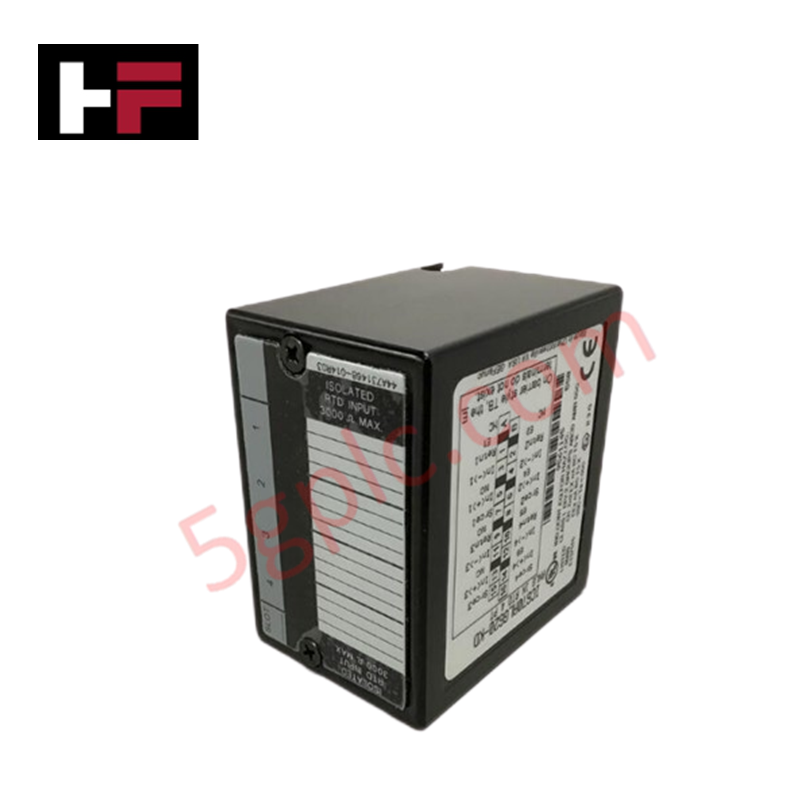
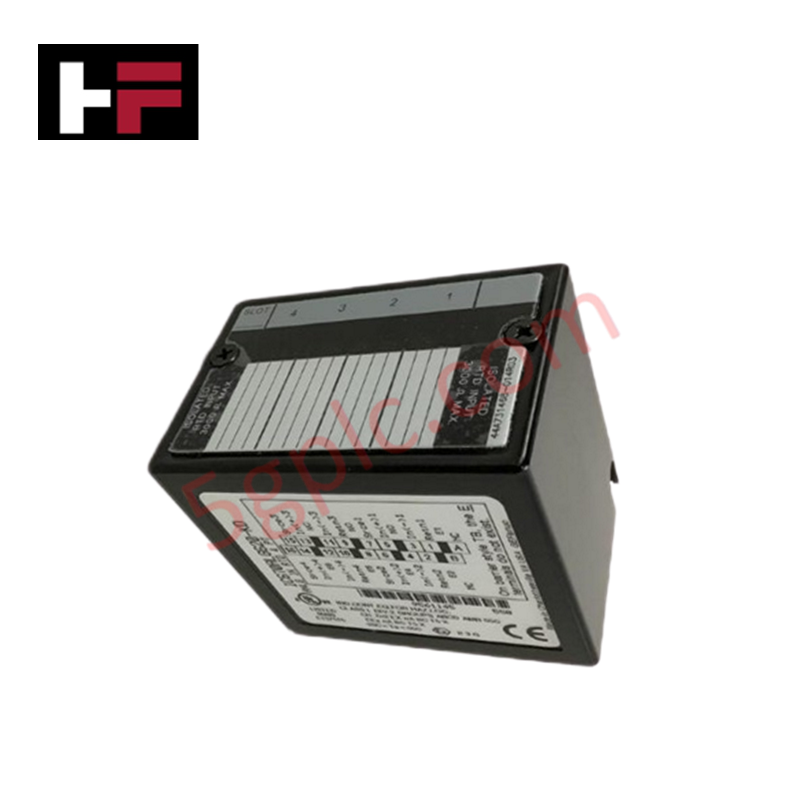
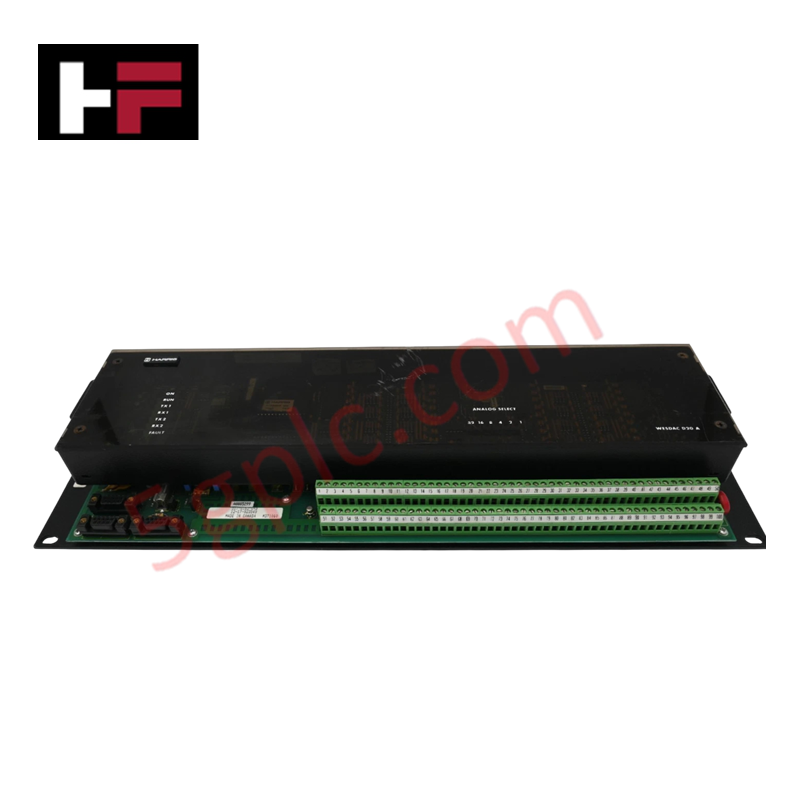
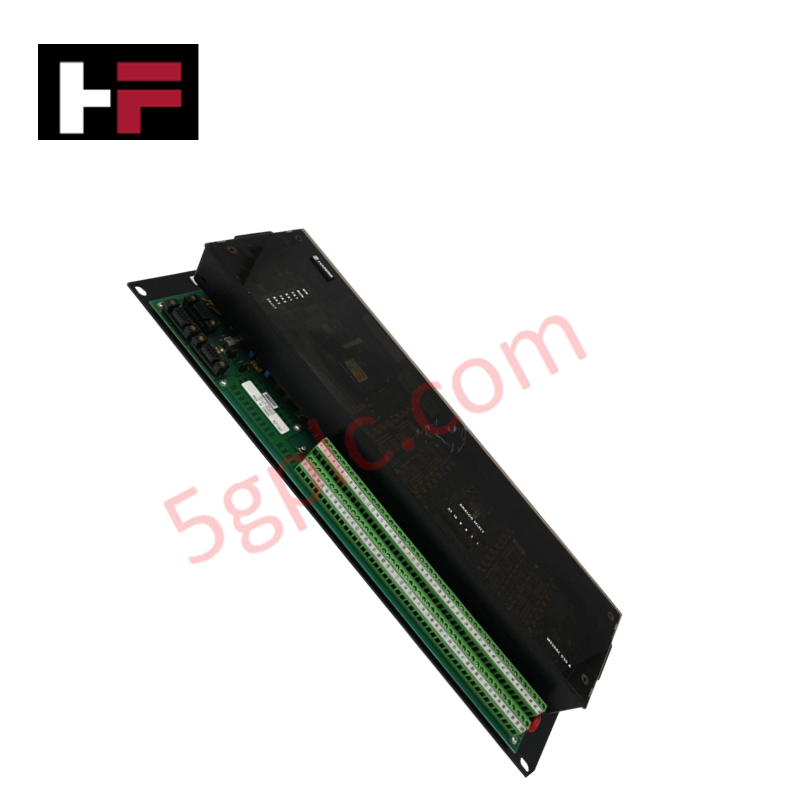
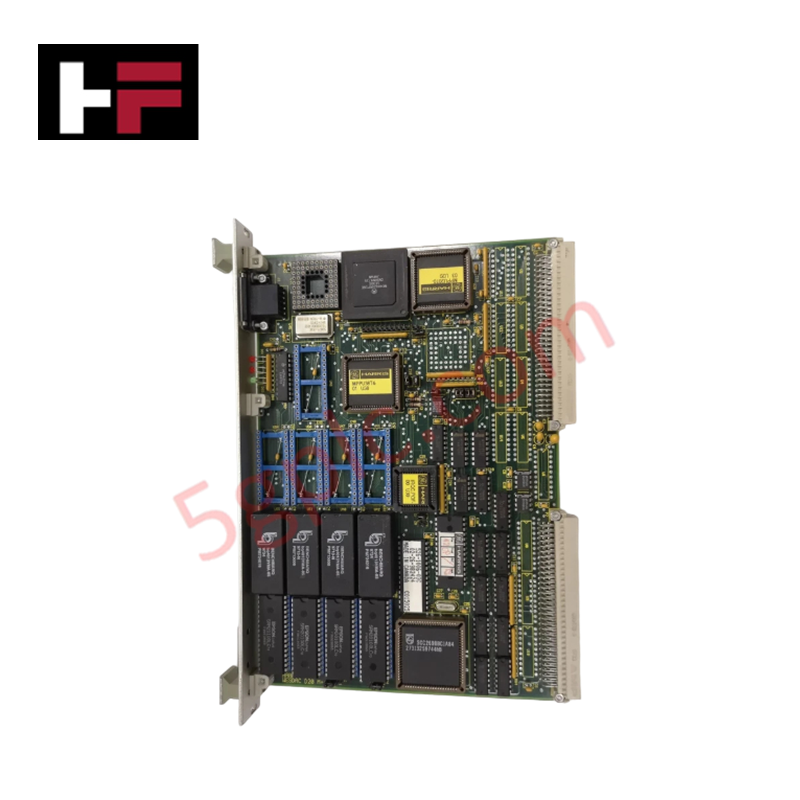
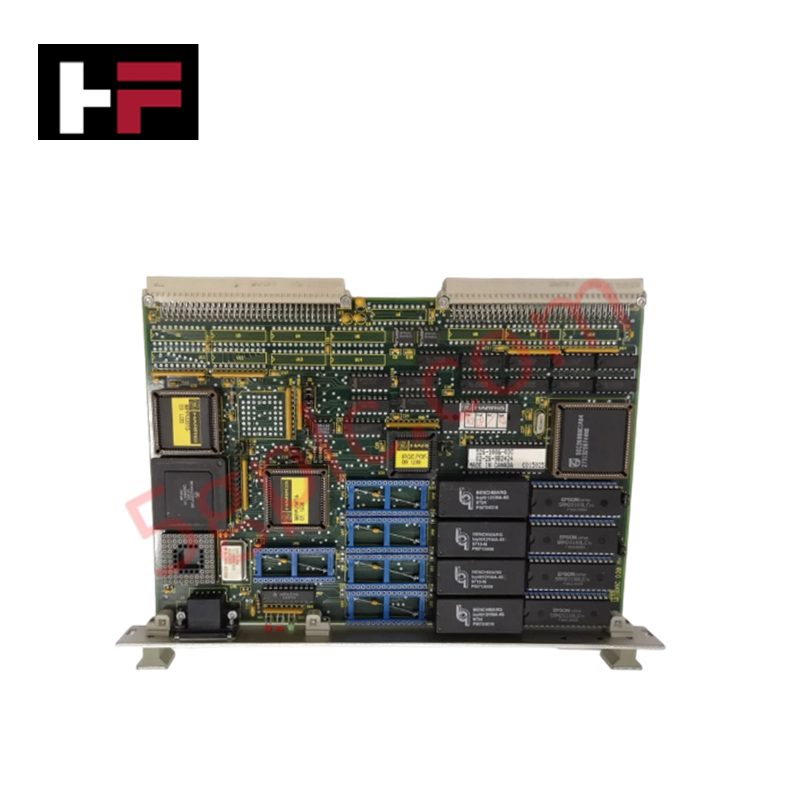
The IC670ALG620 from GE Fanuc is an analog input module supporting up to four independent RTDs. It accommodates 3-wire or 4-wire configurations and is compatible with platinum, nickel, nickel/iron, and copper RTDs. The module provides precise temperature measurement and resistance monitoring for Genius I/O systems.
Key Features:
-
Channels: 4 independent RTD inputs (3-wire or 4-wire)
-
Supported RTD Types: Platinum (10, 25, 100, 1000 Ω), Copper (10, 100 Ω), Nickel (50, 100, 120 Ω), Nickel/Iron (604, 1000 Ω)
-
Resistance Range: 0–500 Ω, 0–3000 Ω
-
Measurement Units: Resistance or Temperature (°C / °F)
-
Accuracy: ±0.15% of reading, ±0.3 to 0.5°C at 25°C
-
Temperature Sensitivity: ±0.004% of reading, ±1.5 µV per °C (0–60°C)
-
Maximum Lead Resistance: 5 Ω per lead
-
Scan Time: 60 Hz: 210 ms per point, 50 Hz: 230 ms per point
-
Digital Resolution: 15 bits plus sign
-
Power Supply: No loop power required; module provides excitation current
-
Current Drawn from BIU: 190 mA maximum
-
Operating Temperature: 0–55°C
-
Fault Detection: Open RTD, input short, overrange, underrange, high/low alarms
-
Isolation Ratings: Input to logic: 1500 VAC for 1 min; channel-to-channel: 250 VAC continuous; common-mode voltage: 250 Vrms (350 VDC peak AC); normal mode voltage: 28 VDC peak AC max
-
Mode Rejection: Normal mode: 60 dB at 50/60 Hz; common mode: 120 dB at 50/60 Hz (100 Ω imbalance)
-
Indicators & Diagnostics: LED shows ON (normal), flashing (module fault), OFF (power loss/fatal fault)
Applications:
-
Precision temperature and resistance monitoring in distributed control systems
-
RTD interfacing for process control and industrial instrumentation
-
Integration into Genius I/O networks for real-time analog input processing
-
Suitable for high-noise or electrically challenging industrial environments
FAQ:
Q: Is this module compatible with all Genius I/O systems?
A: Yes, it integrates seamlessly with standard GE Fanuc Genius I/O architectures.
Q: Can it handle different RTD types?
A: Yes, it supports platinum, copper, nickel, and nickel/iron RTDs in 3- or 4-wire configurations.
Q: Does it require external loop power?
A: No, the module supplies excitation current internally.
Additional Information
- 100% Genuine Parts: All products are original and authentic, ensuring reliable industrial performance.
- 30-Day Refund Guarantee: Return any in-stock item within 30 days in original, unopened packaging for a full refund (excluding shipping and fees).
- 12-Month Warranty: Covers defects in materials or workmanship; excludes misuse, normal wear, or unauthorized modifications.
- Worldwide Shipping: We ship via USPS, UPS, FedEx, and DHL. Delivery times vary by country and may be subject to customs or import fees.
- Support & Contact: Technical and warranty assistance is available anytime. Contact us here: Contact.
- Purchase Guidance: Check product specifications and compatibility carefully before ordering to ensure proper application.
Tech & Buying Guide

Demystifying PLC Memory: A Technical Guide to Architecture, Retention, and Performance
Modern industrial automation relies heavily on the reliability of programmable logic controllers (PLCs). At the heart of every PLC lies its memory system. This subsystem directly dictates scan times, program capacity, and data survival during power outages. For field engineers, understanding how a control system allocates, retains, and secures this memory is essential for writing efficient code and preventing costly downtime.

Executing a PLC System Site Acceptance Test (SAT): The Definitive Engineering Guide
The transition of a Programmable Logic Controller (PLC) cabinet from a controlled factory floor to a volatile plant environment represents a critical milestone in factory automation. While a Factory Acceptance Test (FAT) validates standalone hardware compliance under ideal conditions, it cannot replicate real-world process dynamics. Therefore, deploying an industrial automation system requires a rigorous Site Acceptance Test (SAT) to verify total loop integrity, field wiring wiring metrics, and process control parameters before final customer handover.

Advanced Integration: Master Protocol for VFD Commissioning and Testing
Deploying variable frequency drives (VFDs) requires precise execution during the initial commissioning phase. Junior automation engineers often find the first power-up sequence intimidating. However, following a rigorous engineering framework ensures equipment safety and system reliability. Proper startup procedures protect both the drive electronics and the connected motor.