












Product Details
Product Overview
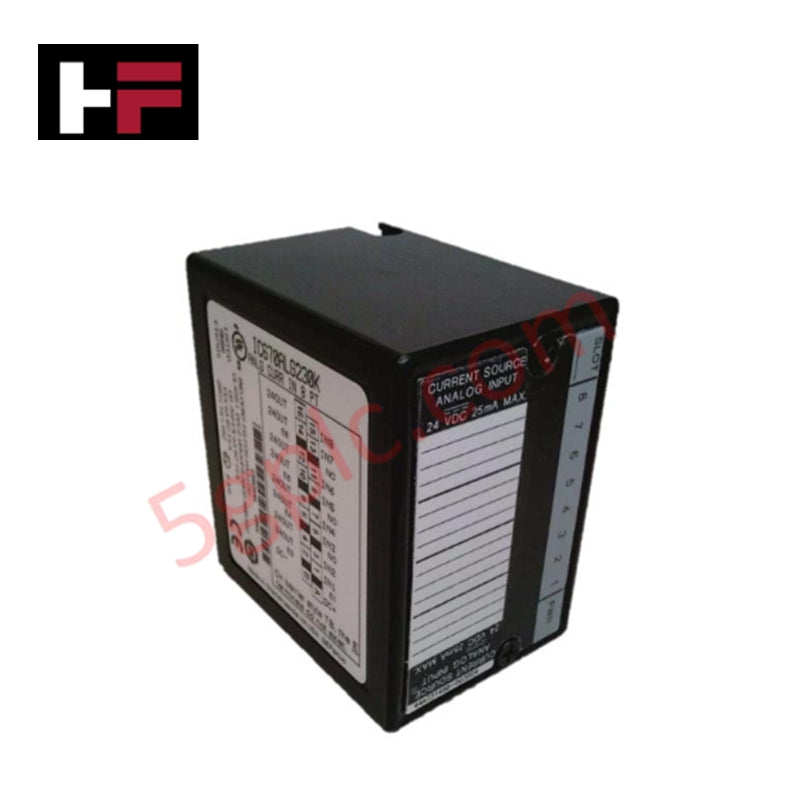
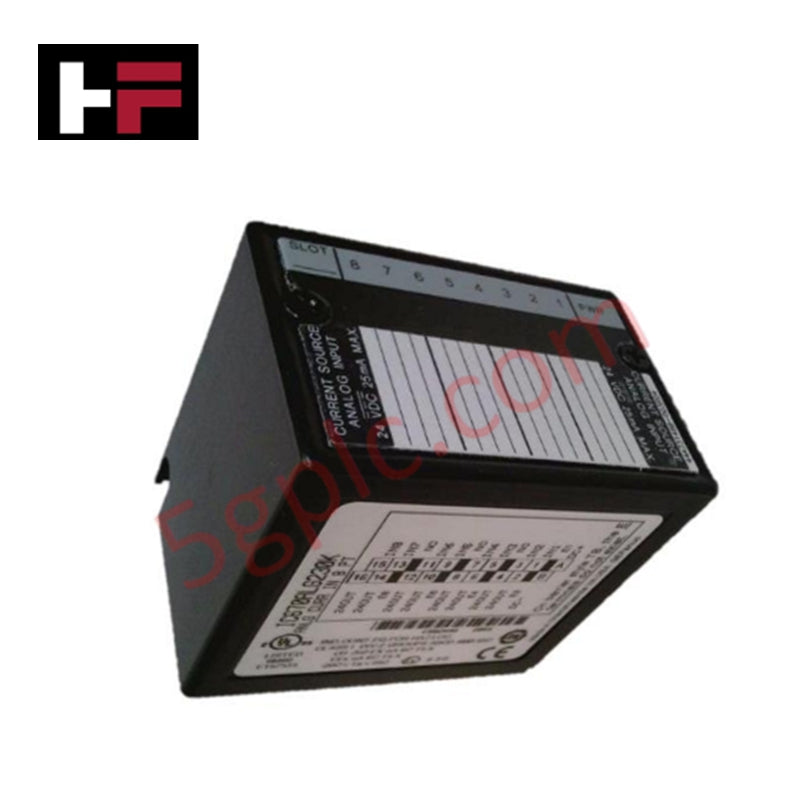
The GE Fanuc IC670ALG230 is an 8-point analog current source input module engineered for the Field Control system. It enables precise current signal acquisition from sensors and transmitters in process automation environments. Each channel supports high-resolution current measurement, allowing accurate analog data conversion for industrial control applications.
Designed for versatility, the module can operate from a 24V DC backplane supply or an isolated external power source. Its diagnostic LED indicators simplify troubleshooting and system monitoring. With a compact design and durable build, it is ideal for distributed control architectures that demand stable and noise-resistant analog input performance.
Technical Specifications
-
Manufacturer: GE Fanuc
-
Model Number: IC670ALG230
-
Product Type: 8-Point Analog Current Source Input Module
-
Product Line: Field Control
-
Number of Input Channels: 8
-
Input Signal Type: Current source
-
Input Range: 0 to 20 mA (default)
-
Resolution: 12-bit unscaled data
-
Conversion Time: 1.5 ms per channel
-
Accuracy: ±0.1% of full scale at 25°C
-
Input Impedance: 250 ohms per channel
-
Power Supply Options: 24V DC backplane power or isolated external source
-
Configuration Method: Via Genius Bus Interface Unit (BIU)
-
Front Panel Indicators: Diagnostic LED for status and fault detection
-
Operating Temperature Range: 0°C to 60°C
-
Storage Temperature Range: -40°C to 85°C
-
Relative Humidity: 5% to 95% non-condensing
-
Dimensions: 4.3 in (H) x 3.5 in (W) x 2.0 in (D)
-
Weight: 0.5 lb (0.23 kg)
Key Features
-
Eight precision analog current input channels for high-performance signal acquisition
-
12-bit data resolution for accurate process measurement
-
Configurable operation via Genius BIU for flexible control integration
-
Optional isolated power input enhances signal stability and reduces interference
-
LED indicators for quick diagnostics and module status
-
Supports 0–20 mA current loops for standard industrial transmitters
-
Compact, modular design for easy installation in Field Control racks
Applications
-
Process and factory automation systems
-
Industrial data acquisition and control
-
Sensor and transmitter current signal monitoring
-
Distributed control systems (DCS)
-
Equipment requiring analog current loop integration
FAQ
Q1: What type of signals does the IC670ALG230 accept?
It supports analog current input signals within the 0 to 20 mA range.
Q2: How is the module powered?
It can draw 24V DC power from the Field Control backplane or use an external isolated 24V DC supply for enhanced noise immunity.
Q3: Can the module be configured remotely?
Yes, configuration is managed via the Genius Bus Interface Unit (BIU).
Q4: Is calibration required?
Factory calibration ensures long-term accuracy; however, periodic verification is recommended for precision applications.
Additional Information
- 100% Genuine Parts: All products are original and authentic, ensuring reliable industrial performance.
- 30-Day Refund Guarantee: Return any in-stock item within 30 days in original, unopened packaging for a full refund (excluding shipping and fees).
- 12-Month Warranty: Covers defects in materials or workmanship; excludes misuse, normal wear, or unauthorized modifications.
- Worldwide Shipping: We ship via USPS, UPS, FedEx, and DHL. Delivery times vary by country and may be subject to customs or import fees.
- Support & Contact: Technical and warranty assistance is available anytime. Contact us here: Contact.
- Purchase Guidance: Check product specifications and compatibility carefully before ordering to ensure proper application.
Tech & Buying Guide

Demystifying PLC Memory: A Technical Guide to Architecture, Retention, and Performance
Modern industrial automation relies heavily on the reliability of programmable logic controllers (PLCs). At the heart of every PLC lies its memory system. This subsystem directly dictates scan times, program capacity, and data survival during power outages. For field engineers, understanding how a control system allocates, retains, and secures this memory is essential for writing efficient code and preventing costly downtime.

Executing a PLC System Site Acceptance Test (SAT): The Definitive Engineering Guide
The transition of a Programmable Logic Controller (PLC) cabinet from a controlled factory floor to a volatile plant environment represents a critical milestone in factory automation. While a Factory Acceptance Test (FAT) validates standalone hardware compliance under ideal conditions, it cannot replicate real-world process dynamics. Therefore, deploying an industrial automation system requires a rigorous Site Acceptance Test (SAT) to verify total loop integrity, field wiring wiring metrics, and process control parameters before final customer handover.

Advanced Integration: Master Protocol for VFD Commissioning and Testing
Deploying variable frequency drives (VFDs) requires precise execution during the initial commissioning phase. Junior automation engineers often find the first power-up sequence intimidating. However, following a rigorous engineering framework ensures equipment safety and system reliability. Proper startup procedures protect both the drive electronics and the connected motor.