










Product Details
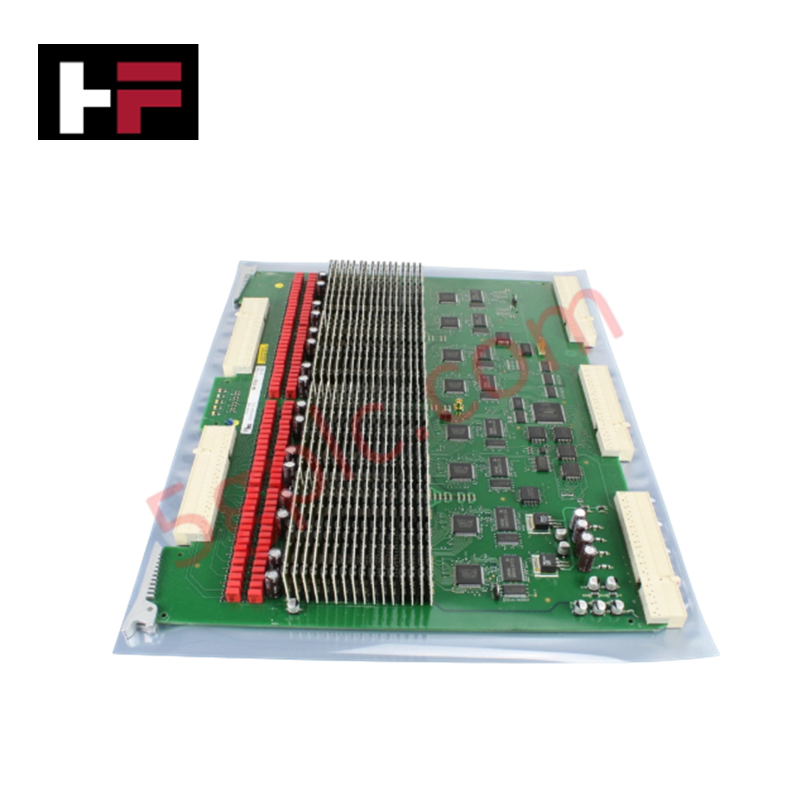
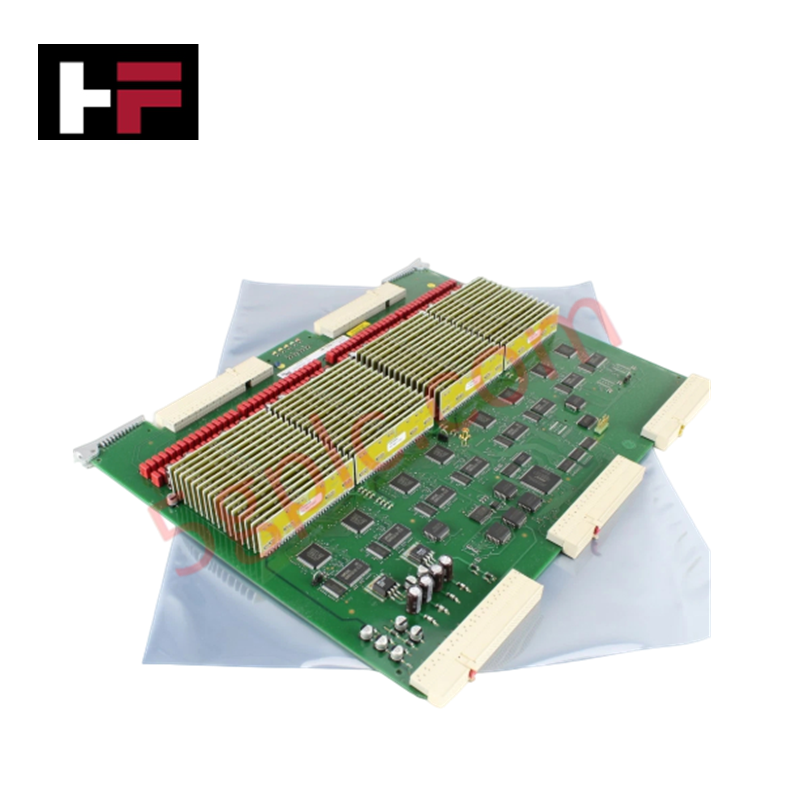
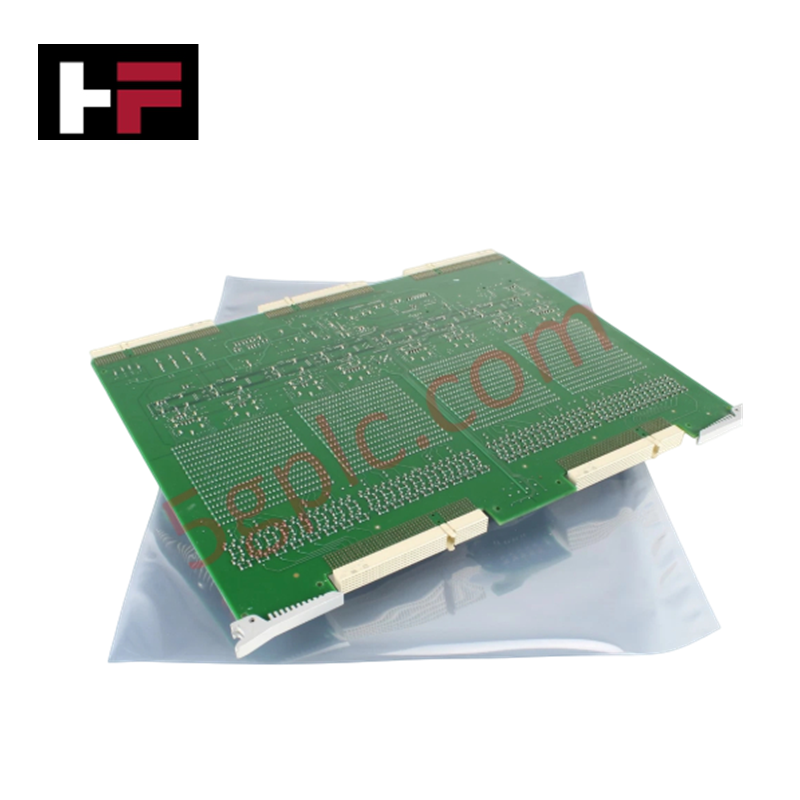
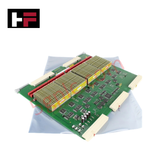
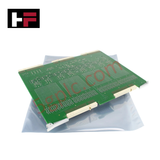
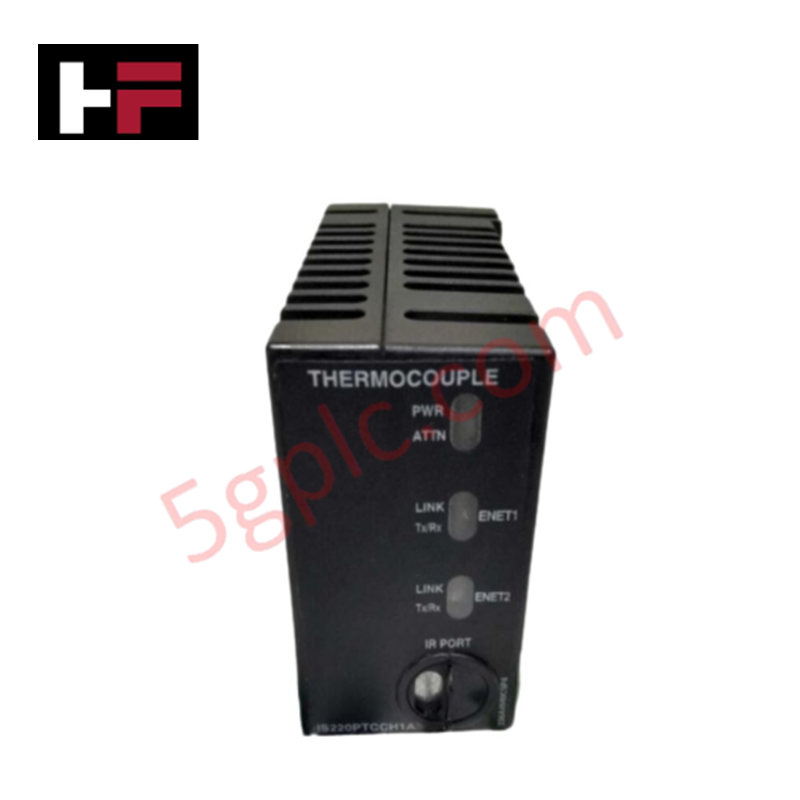
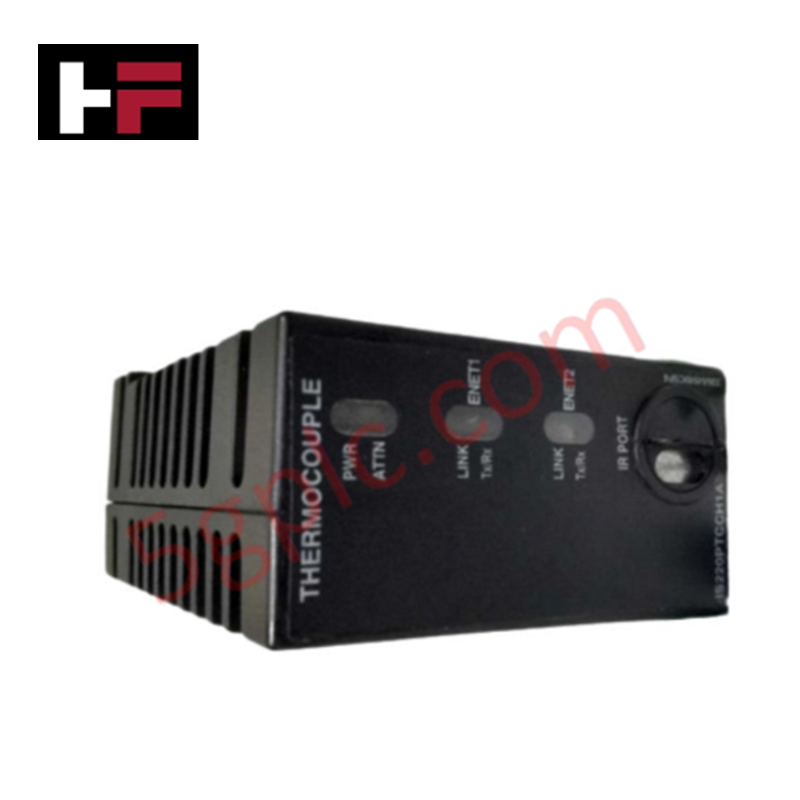
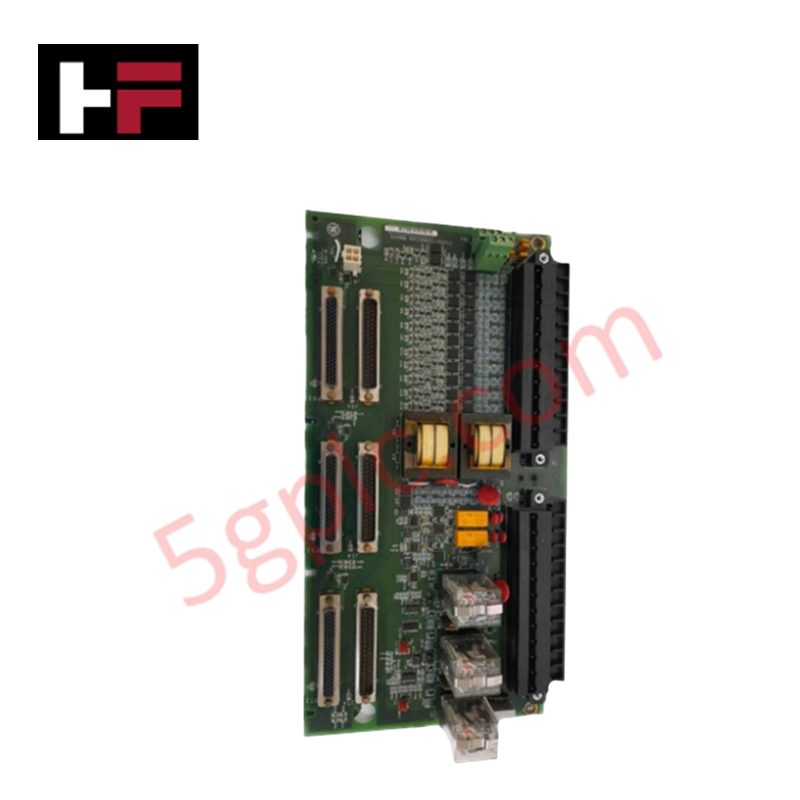
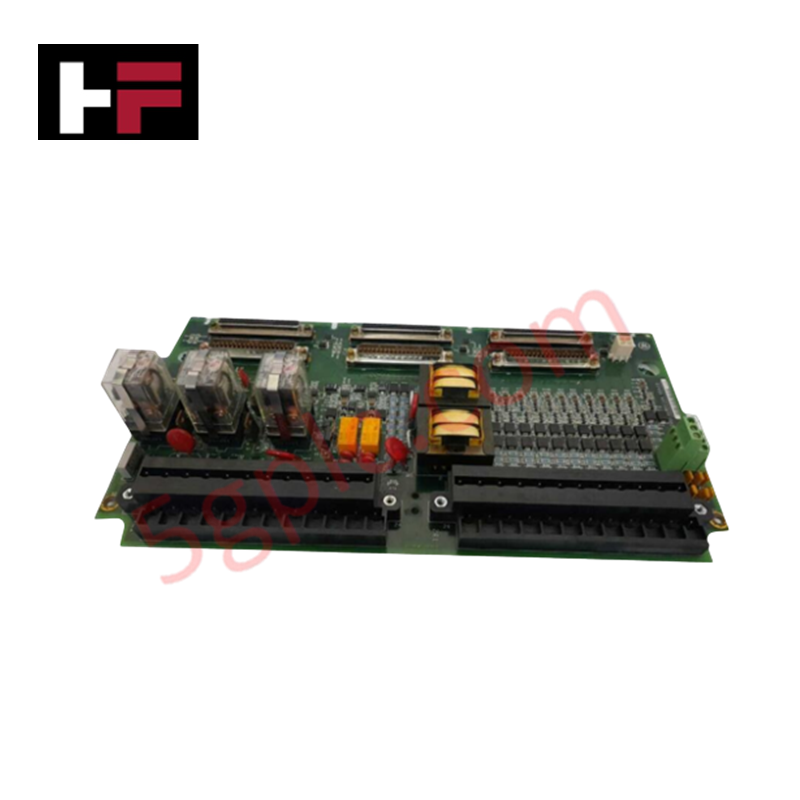
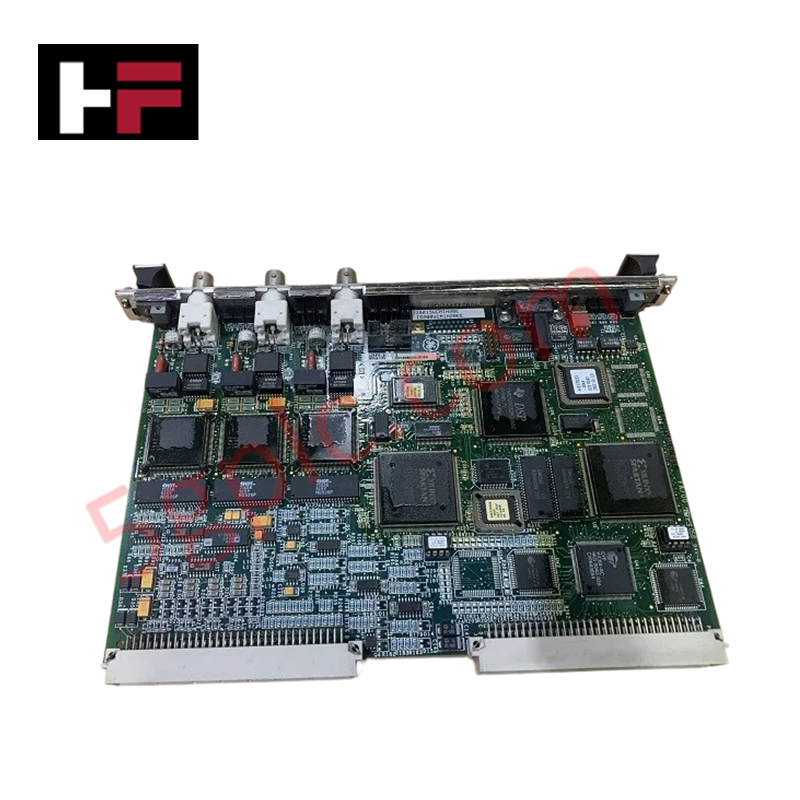
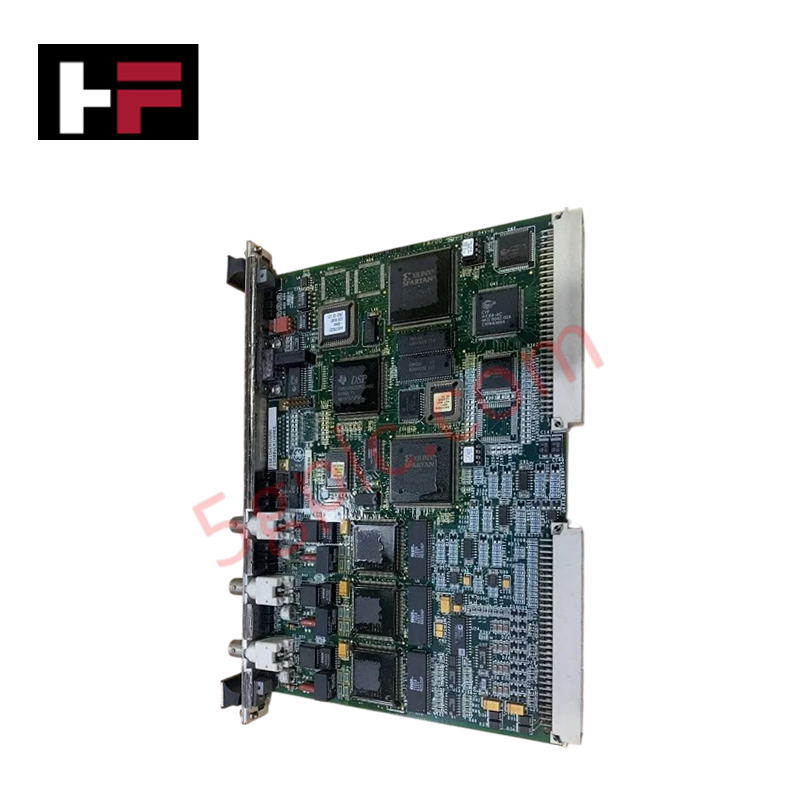
The GE FC200022-01, also cataloged as the FC200022-01 TX128 Transmitter Board, operates as a dedicated hardware component for high-speed signal processing and data acquisition within GE Vivid 7 systems.
Hardware Specifications
| Parameter | Specification |
|---|---|
| Model | FC200022-01 |
| Brand | GE (General Electric) |
| Origin | USA |
| Weight | 0.7 kg |
| Dimensions | 100 mm x 80 mm x 20 mm |
| Operating Temp | -40 to +70 deg C |
| Power Consumption | 24 VDC input power |
| Board Type | TX128 Transmitter Board |
| System Platform | GE Vivid 7 Architecture |
| Communication Protocols | Modbus TCP/IP |
Deterministic Network Execution & Backplane Communication
The FC200022-01 processes high-speed transmitter channels and handles discrete data conversion cycles across industrial bus architectures. Native support for Modbus TCP/IP protocols allows integrated data streaming across Profinet / EtherNet/IP deterministic networks, enabling real-time telemetry distribution across processing nodes.
Engineered to optimize backplane bus communication velocity, the board manages dynamic signal acquisition while preserving I/O density scaling across system sub-racks. Embedded flash controllers maintain firmware flash compatibility across standard GE Vivid 7 hardware revisions to eliminate protocol latency during operational cycles.
Frequently Asked Questions
Q: What primary industrial communication protocol is natively supported by the FC200022-01 transmitter board?
A: The FC200022-01 natively supports Modbus TCP/IP for industrial networking and system telemetry transmission.
Q: What operating voltage and physical dimensions define the FC200022-01 hardware assembly?
A: The board operates on a 24 VDC power supply input, measures 100 mm x 80 mm x 20 mm, and weighs 0.7 kg.
Q: Is hot-swapping permitted for the FC200022-01 transmitter board while the main system chassis is energized?
A: No. System 24 VDC power must be completely disconnected before inserting or removing the board assembly to avoid backplane pin damage and data bus corruption.
Field Installation Guidelines
- Power Isolation: De-energize the 24 VDC primary power source supplying the host chassis frame prior to board installation or removal.
- Static Protection: Connect an anti-static wrist strap to a verified chassis metal earth point before removing the transmitter board from its protective static-shielding bag.
- Physical Alignment: Slide the card carefully into its designated chassis guide slots, verifying that rear card connectors line up evenly with the system backplane sockets.
- Fastener Engagement: Seat the board firmly into the connector socket and tighten all front panel retention screws to ensure stable mechanical chassis grounding.
- Network Connection: Connect the Modbus TCP/IP communication cables to the designated port on the front panel. Ensure signal cabling is routed away from heavy inductive loads and high-voltage wiring runs.
Additional Information
- 100% Genuine Parts: All products are original and authentic, ensuring reliable industrial performance.
- 30-Day Refund Guarantee: Return any in-stock item within 30 days in original, unopened packaging for a full refund (excluding shipping and fees).
- 12-Month Warranty: Covers defects in materials or workmanship; excludes misuse, normal wear, or unauthorized modifications.
- Worldwide Shipping: We ship via USPS, UPS, FedEx, and DHL. Delivery times vary by country and may be subject to customs or import fees.
- Support & Contact: Technical and warranty assistance is available anytime. Contact us here: Contact.
- Purchase Guidance: Check product specifications and compatibility carefully before ordering to ensure proper application.
Tech & Buying Guide

Mitigating Emergency Stop Spurious Trips in Industrial Control Systems
Emergency stop (E-Stop) pushbuttons serve as vital safety devices in factory automation and process control plants. Functional safety standards mandate normally-closed (NC) contact blocks to ensure fail-safe operation during wiring breaks or power outages. However, mechanical degradation over time can trigger unexpected spurious trips, halting production lines without an actual emergency. Understanding the underlying causes of mechanical contact failure allows automation engineers to implement robust, fault-tolerant safety circuits.

Redundant Automation Systems: Maximizing Uptime in Critical Control Applications
Industrial automation relies on continuous operational stability to prevent catastrophic downtime and financial loss. While standard dictionary definitions treat redundancy as superfluous, industrial engineers consider redundant control architectures indispensable for high-availability systems. Implementing backup hardware ensures seamless takeover during primary equipment failures, protecting critical infrastructure across manufacturing and process industries.
Demystifying the 5 Levels of Industrial Automation Architecture
Modern manufacturing relies on structured communication hierarchy to bridge physical shop-floor hardware with enterprise management software. This framework, commonly known as the Automation Pyramid, establishes how data flows between field devices, logic controllers, and corporate IT networks. Understanding these five distinct levels helps engineers and plant managers optimize system operations, reduce downtime, and implement seamless factory automation solutions.