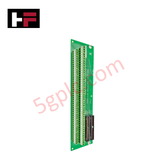
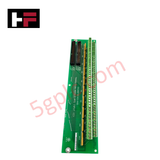
Product Details
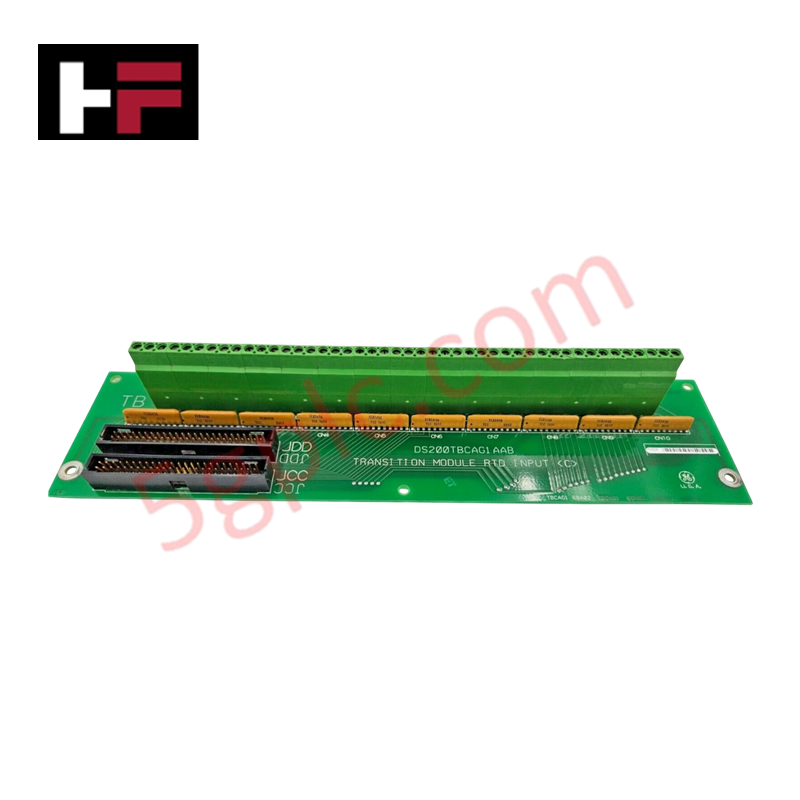
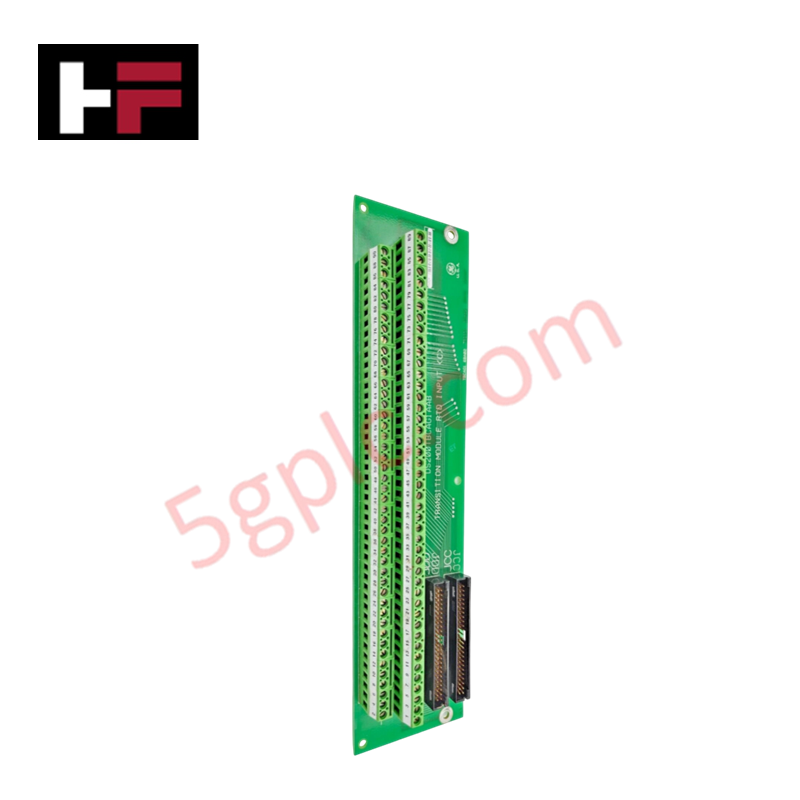
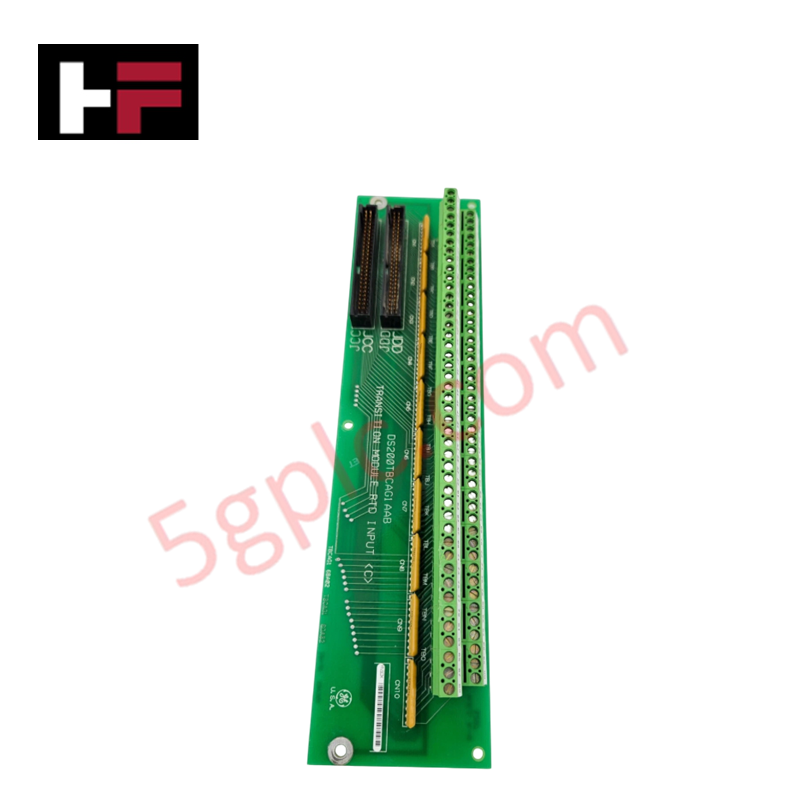
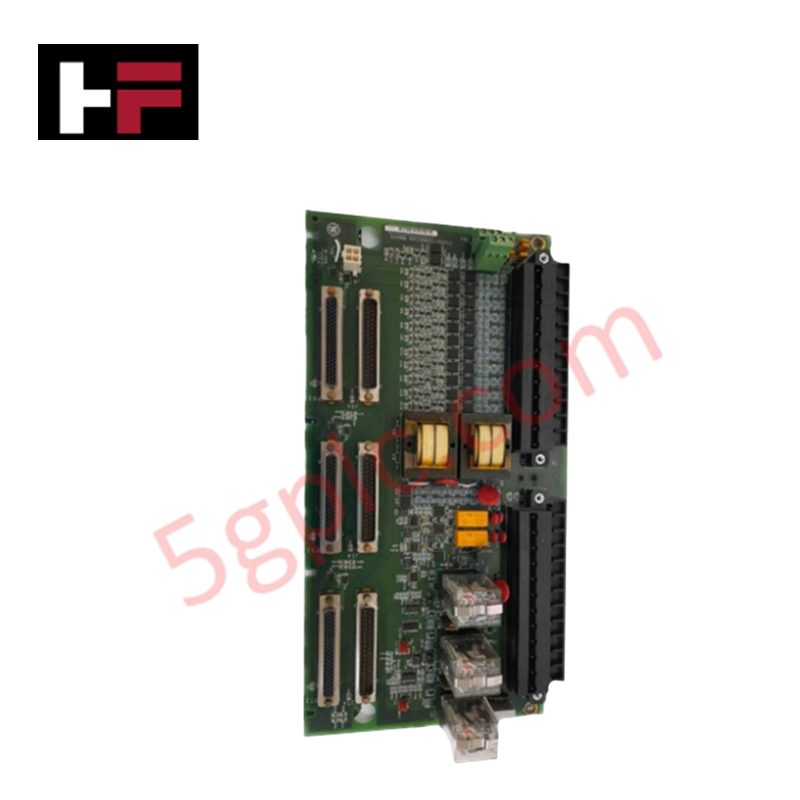
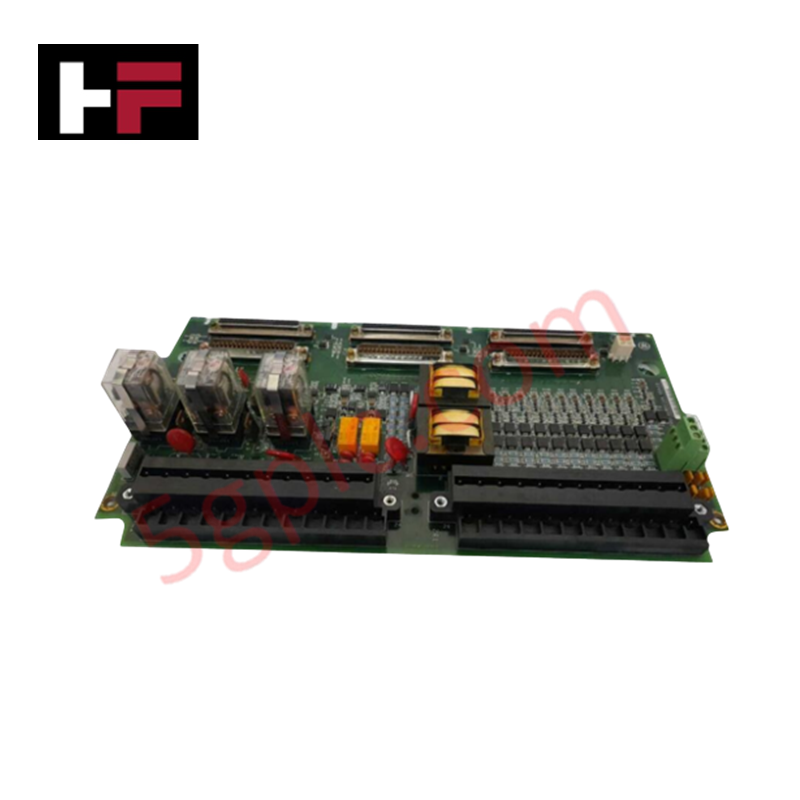
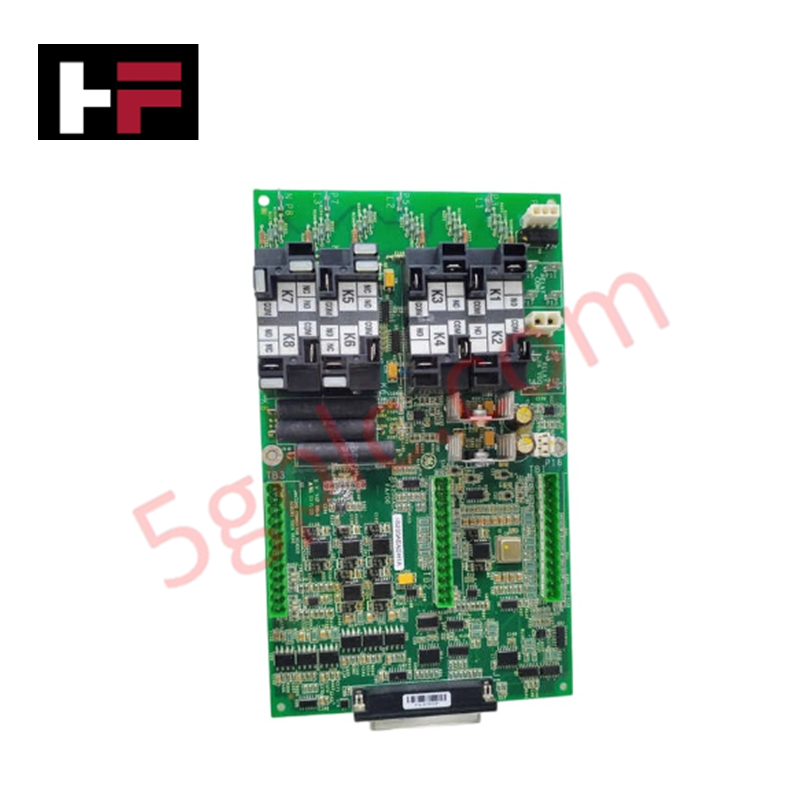
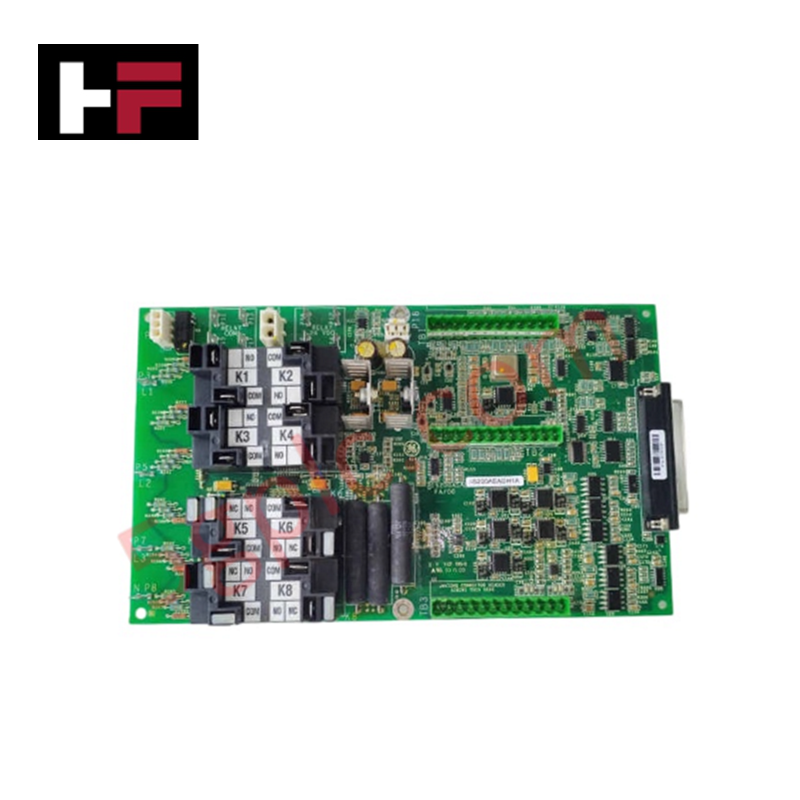
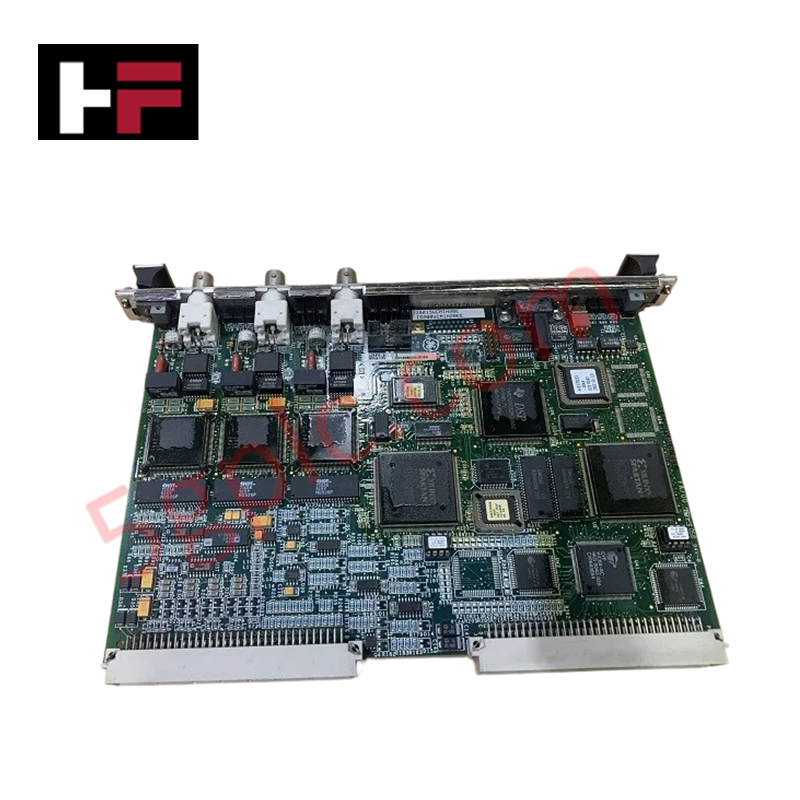
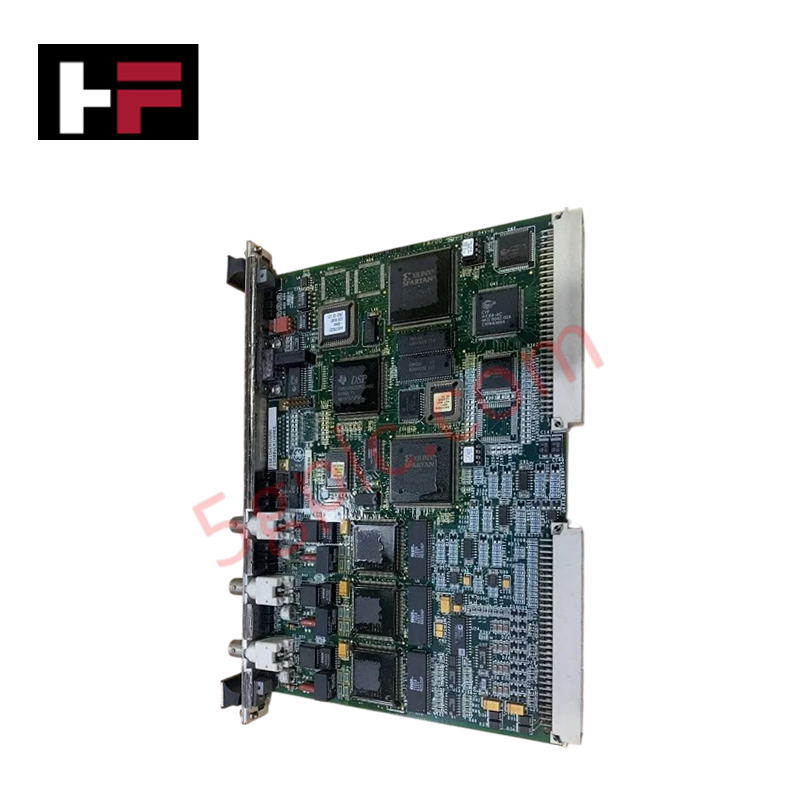
Configured for analog temperature signal acquisition and RTD sensor signal routing in Mark V DS200 Speedtronic control platforms, the GE DS200TBCAG1AAA (DS200TBCAG1 RTD Termination Module) provides direct physical/electrical execution.
Hardware Specifications
| Parameter | Specification |
|---|---|
| Model | DS200TBCAG1AAA |
| Brand | GE (General Electric) |
| Origin | USA |
| Weight | 0.5 kg (1.1 lbs) |
| Dimensions | 150 mm x 100 mm x 50 mm |
| Operating Temp | -20 deg C to +70 deg C |
| Power Consumption | Passive signal termination board; logic power sourced via host bus |
| Signal Terminations | 52 wire screw terminal points |
| Connectors | Two pluggable circuit connectors (CPH and CPN) |
| Board Protection | Corrosion-resistant conformal coating |
| Mounting Type | Bayonet connectors for rapid mechanical retention |
Deterministic Network Execution & Backplane Velocity
The DS200TBCAG1AAA routes analog signals from up to 52 RTD field sensor wires through its primary interface connectors directly to the host core processing electronics. Internal circuit trace paths preserve analog signal integrity to prevent signal attenuation during high-density multi-channel sampling cycles.
Designed for integration into Profinet / EtherNet/IP deterministic networks via host Mark V control interface racks, the terminal module ensures zero-latency signal translation between field wiring and central processing units. Strict board firmware flash compatibility and hardware revision tracking maintain synchronized sampling across expanded control racks without affecting local bus execution times.
Frequently Asked Questions
Q: How are field wiring connections and internal signal buses interfaced on the DS200TBCAG1AAA?
A: Field RTD sensor leads connect to 52 dedicated screw terminals, while output signals route to the host system via two pluggable connectors designated CPH and CPN.
Q: What environmental protection is applied to the PCB assembly?
A: The board features a conformal corrosion-resistant coating designed to prevent trace oxidation and electrical surface degradation in aggressive industrial atmospheres.
Q: Does the DS200TBCAG1AAA module require direct external power to operate?
A: No. The board functions as a passive RTD termination interface board; logic-level power for connected diagnostic components is derived directly from the host rack backplane.
Field Installation Guidelines
- Power Isolation: Disconnect and lock out all power sources to the host Speedtronic Mark V control cabinet before mounting or replacing the termination module.
- Mechanical Fastening: Position the module on the mounting frame and engage the bayonet connectors to lock the PCB securely into place.
- Connector Engagement: Plug the internal ribbon interface cables firmly into the corresponding CPH and CPN header sockets until lock tabs click.
- Field Terminal Wiring: Terminate RTD sensor leads into the 52 screw terminals according to the system terminal assignment diagram. Ensure all terminal screws are torqued properly.
- Grounding & Shielding: Ground all RTD cable shields at the dedicated cabinet ground bar to mitigate high-frequency electrical noise coupling on analog input channels.
Additional Information
- 100% Genuine Parts: All products are original and authentic, ensuring reliable industrial performance.
- 30-Day Refund Guarantee: Return any in-stock item within 30 days in original, unopened packaging for a full refund (excluding shipping and fees).
- 12-Month Warranty: Covers defects in materials or workmanship; excludes misuse, normal wear, or unauthorized modifications.
- Worldwide Shipping: We ship via USPS, UPS, FedEx, and DHL. Delivery times vary by country and may be subject to customs or import fees.
- Support & Contact: Technical and warranty assistance is available anytime. Contact us here: Contact.
- Purchase Guidance: Check product specifications and compatibility carefully before ordering to ensure proper application.
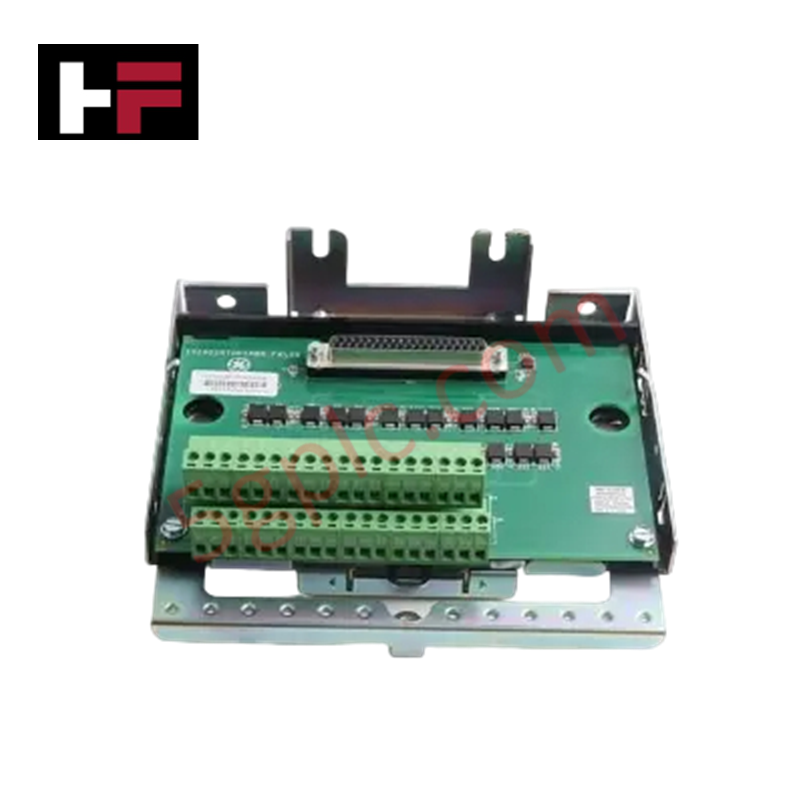
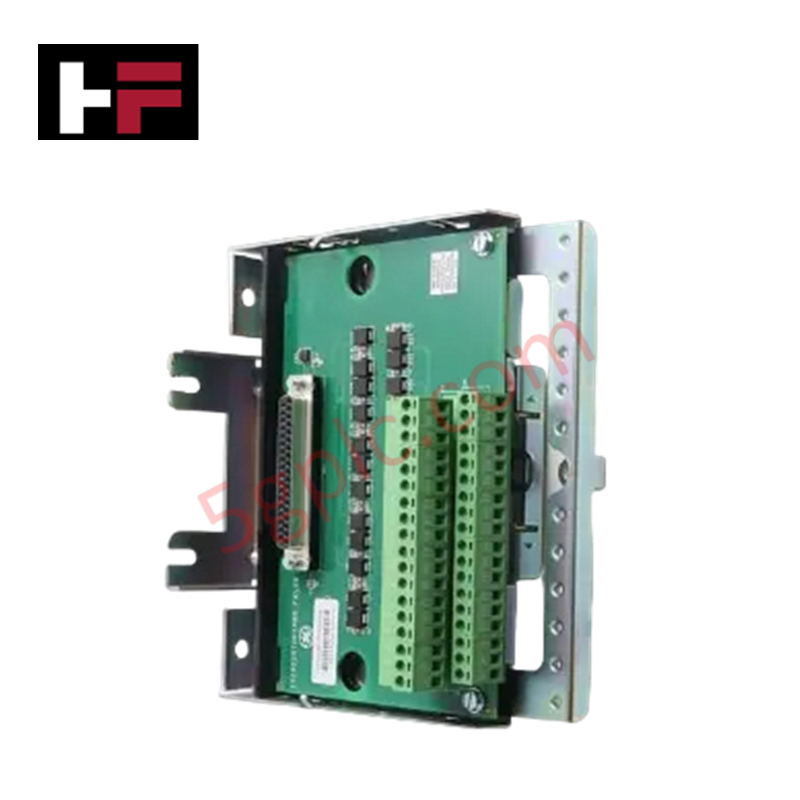
Tech & Buying Guide

Demystifying the 5 Levels of Industrial Automation Architecture
Modern manufacturing relies on structured communication hierarchy to bridge physical shop-floor hardware with enterprise management software. This framework, commonly known as the Automation Pyramid, establishes how data flows between field devices, logic controllers, and corporate IT networks. Understanding these five distinct levels helps engineers and plant managers optimize system operations, reduce downtime, and implement seamless factory automation solutions.

Transforming Shop Floor Data into Actionable Insights: A Deep Dive into MES
Manufacturing Execution Systems serve as the digital backbone of modern factory floors. Positioned at Level 3 of the ISA-95 automation pyramid, MES links enterprise resource planning with real-time shop floor control systems. Today, industrial operators rely on MES software to bridge operational strategy with physical production execution.